
Medieval dungeon — ‘a most vile prison’ — found under city market square in UK
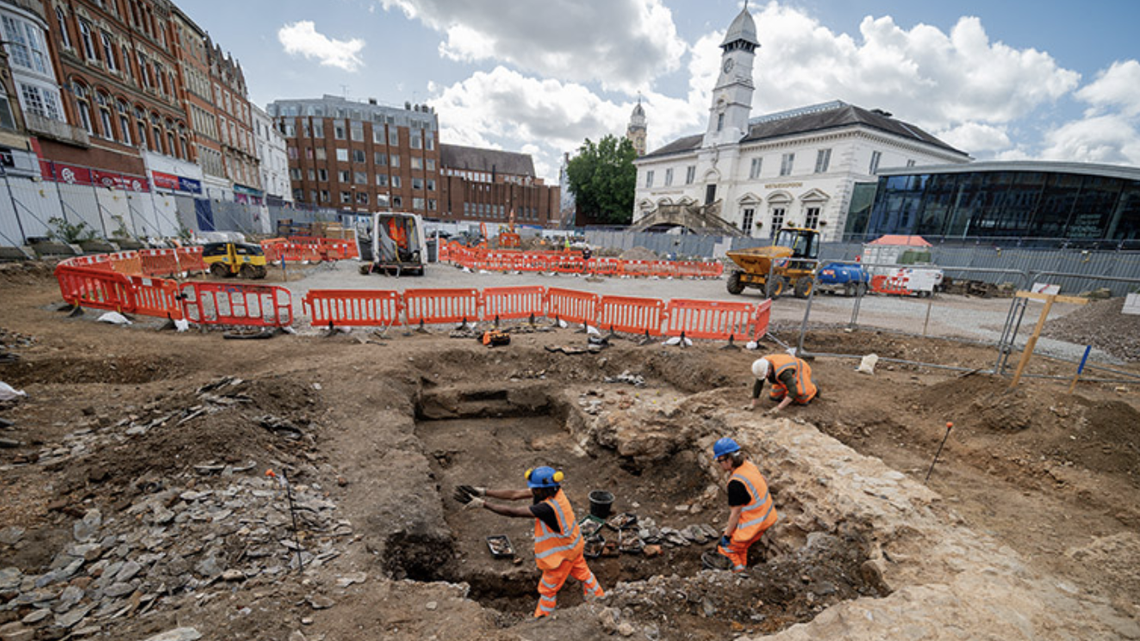
A medieval building with a dark past was recently discovered during groundwork development in Leicester’s market square, officials said.
Beginning in July, the city of Leicester and the University of Leicester Archaeological Services (ULAS) began working together to excavate an area occupied for at least 2,000 years, according to a Sept. 23 news release from the Leicester City Council and the University of Leicester.
“The redevelopment of the market square has given us a rare opportunity to investigate what lies beneath this important site. We anticipated finding evidence of Roman occupation, as the market place sits in what would have been the south-east corner of Roman Leicester, but the discoveries have surpassed our expectations,” Gavin Speed, project lead for the ULAS, said in the release.
Much of the city has been explored before, Speed said, but this particular section has “remained relatively untouched — until now.”
The oldest evidence of occupation dates back to nearly 1,800 years ago, officials said.
A timber building was discovered, and beneath the wooden floorboards, archaeologists found the burial of an infant from the Roman period, according to the release.
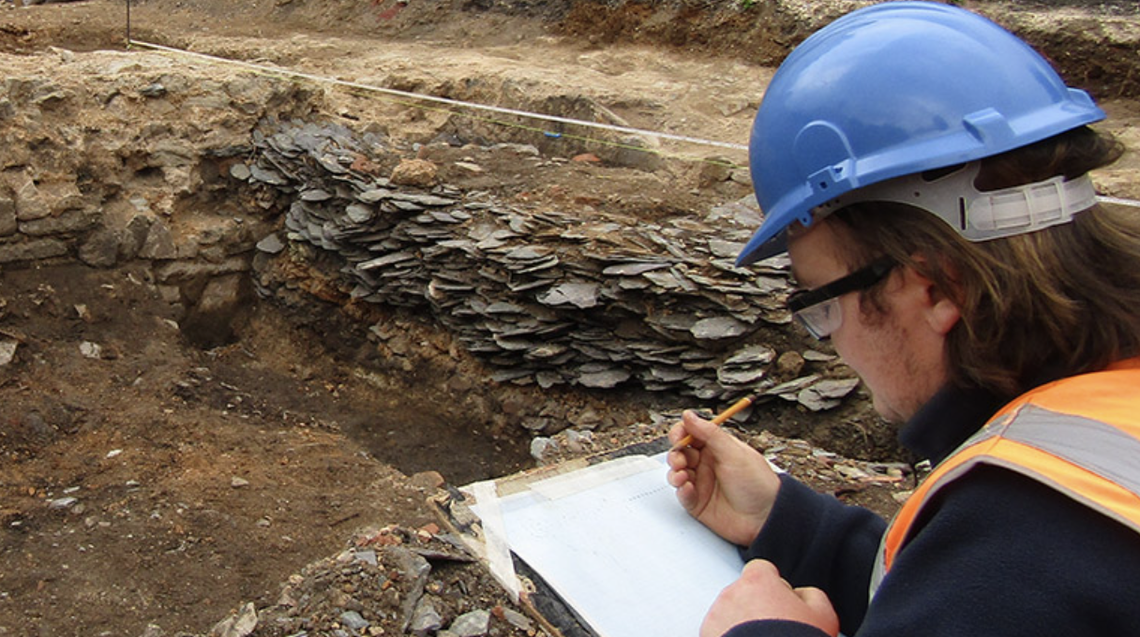
It was typical in the Roman age for infants who died to not be buried in cemeteries but instead under floorboards or next to settlements. A child under 40 days old was not yet considered a person under Roman law, but many bereaved parents still chose to bury their lost baby, McClatchy News previously reported.
Near the burial, archaeologists also found Roman pottery kilns that showed the domestic and industrious side of Roman Leicester, according to the release.
“Over time, the memory of (the infant burial) was lost, as a later Roman building, this time constructed in stone, was built directly over the earlier timber house,” Speed said. “Associated with this later phase, we have uncovered Roman tesserae — the small stone cubes used in mosaics — as well as pottery, coins and items of jewellery.”
The next evidence of a settlement came centuries later in Leicester’s history.
The remains of a 16th-century dungeon were discovered, officials said. The dungeon was once part of the Gainsborough Chamber, first mentioned in historical records in 1533.
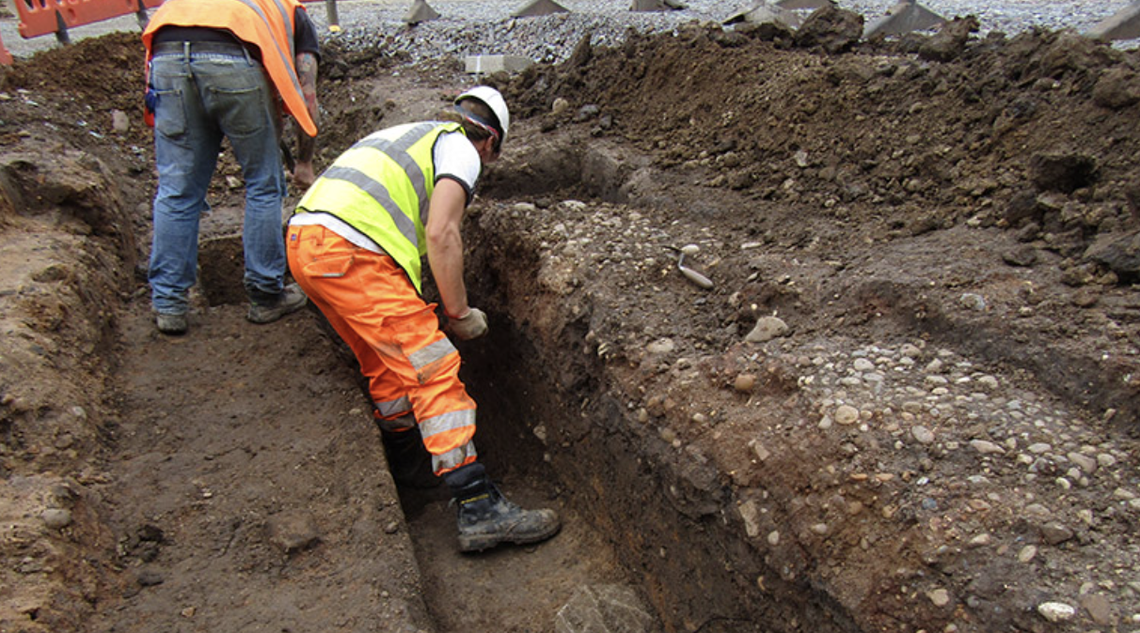
Records of the prison date back to the late 1400s under King Henry VII, according to Smithsonian Magazine. A parliamentarian’s servant called it “a most vile prison” where their legs were shackled and the prisoners had to lie on hard planks.
The dungeon was just part of the “high-status civic building” that made up the chamber, according to the release.
The building was used for “judicial proceedings, mayoral business, (and) feasting and celebrations” before it was demolished in 1748, officials said.
“Remarkably, just below the modern ground surface, we have discovered the earliest medieval market place. This consisted of compacted pebbles, overlain by silts and successive resurfacing layers,” Speed said. “It’s like looking at a slice through an archaeological cake: we can see multiple market surfaces, each representing a different generation and some 800 years of market activity. We have even identified traces of former medieval market stalls, preserved as post-holes.”
Once excavations are complete, the market square will eventually be repaved and reopened, officials said.
Leicester is in central England, about a 100-mile drive northwest from London.
This story was originally published September 25, 2025 at 1:38 PM with the headline "Medieval dungeon — ‘a most vile prison’ — found under city market square in UK."
