Ancient pottery with traces of proteins from surprising species found in Sicily
Not only have scholars been off about when horses were introduced to ancient Sicily by roughly 1,000 years, they’ve also been wrong about their role on the island.
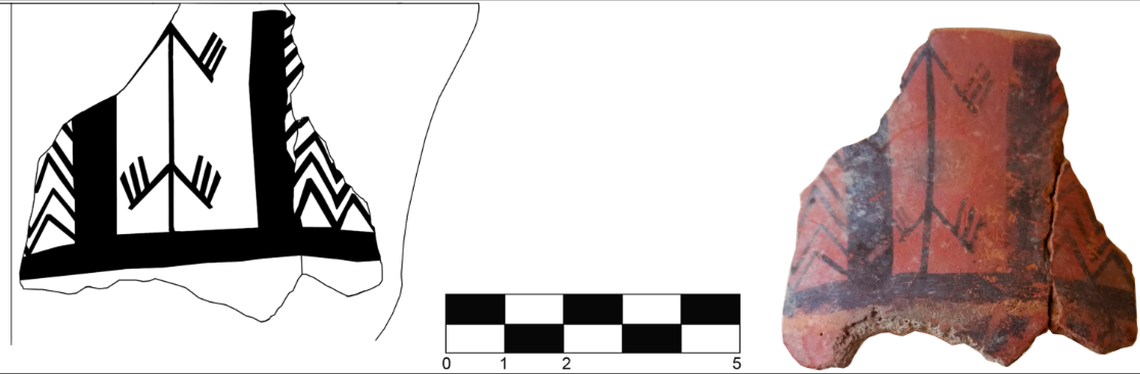
Researchers have confirmed the presence of equine albumin — a protein found in horse blood — in dozens of pottery fragments dating back to the Early Bronze Age in Sicily, suggesting that horses were consumed, according to a study published Aug. 29 in the peer-reviewed journal PLOS One.
Perhaps just as interesting as the presence of horse proteins in the vessels is the absence of any evidence that other animals, such as livestock, were prepared in the same cookware, according to researchers.
If the vessels were used for more routine food preparation, one might expect to find traces of another animals common in prehistoric diets, researchers said.
The lack of such evidence points to horse meat and/or blood being prepared and consumed under special circumstances, likely in a symbolic or ritual context, according to the study.
Pottery from a site called Predio Marchese on Polizzello Mountain shows horse-derived products were used in ceremonies between 4,300-3,600 years ago, challenging long-held beliefs that horses didn’t make it to Sicily until much later, researchers said.
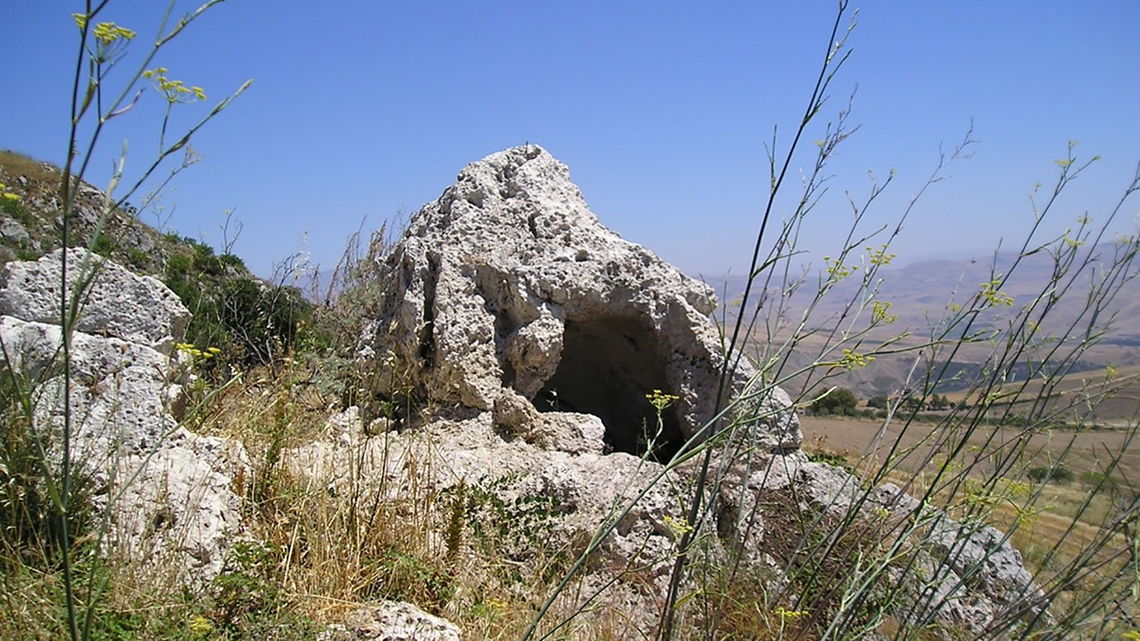
Archaeologists also discovered a large conical boulder at Predio Marchese with a carved niche and a stone closure, according to the study.
As a clearly man-made structure, researchers said it was likely a ritual or ceremonial site, and that horse meat or blood was an integral part of the events.
“Remains of horses are extremely scarce,” researchers said, “presumably because they were not commonly slaughtered for food.”
The research team included lead author Davide Tanasi, Roberto Micciché, Robert H. Tykot, Luis Busetti, Pierluigi Barbieri, Gianpiero Di Maida, Viviana Ardesia, Alessandro Miani, Elia Marin and Enrico Greco.
Tanasi is a professor at the University of South Florida.
This story was originally published September 24, 2025 at 12:32 PM with the headline "Ancient pottery with traces of proteins from surprising species found in Sicily."