
Ancient town buried hoard 3,000 years ago in UK — then never dug it up. See it
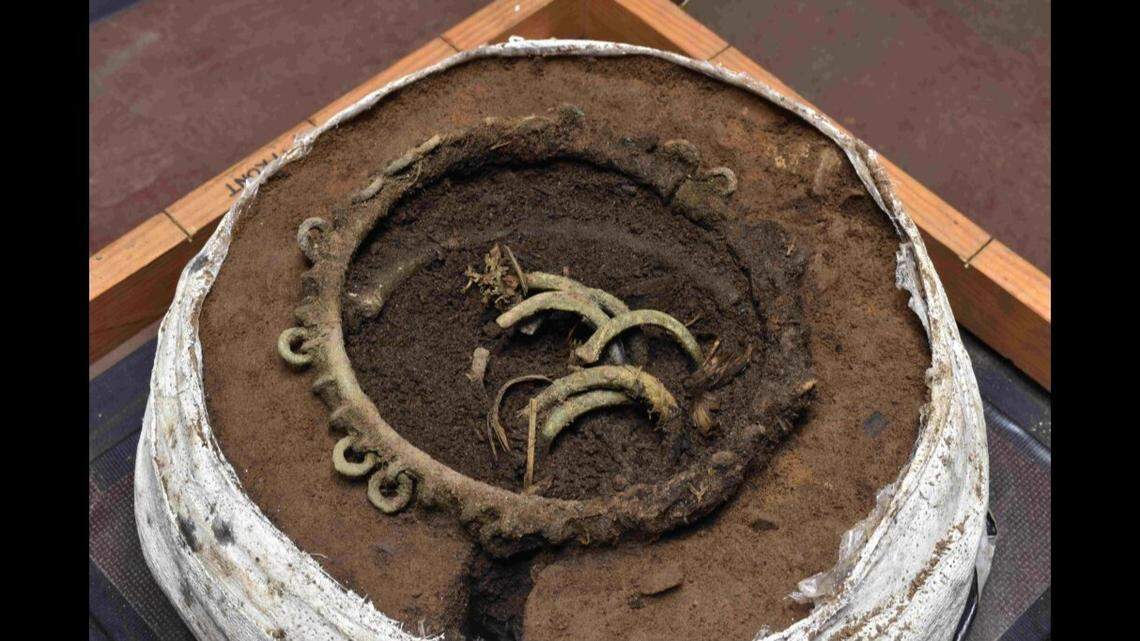
Centuries ago on the Black Isle of Scotland, an ancient community gathered their most precious items, wrapped them and buried them in the ground.
It was a place for safekeeping, where the “highly prized” items would be protected from looting or theft.
For a mysterious reason, however, the hoard was never unearthed — until now.
Archaeologists were called to Greenside Rosemarkie after bronze items were found during the construction of a new housing development, according to a Sept. 22 news release from GUARD Archaeology.
Analysis of the site revealed evidence from the Mesolithic and early Neolithic periods, with some dated to between 3300 and 3000 B.C., according to the release.
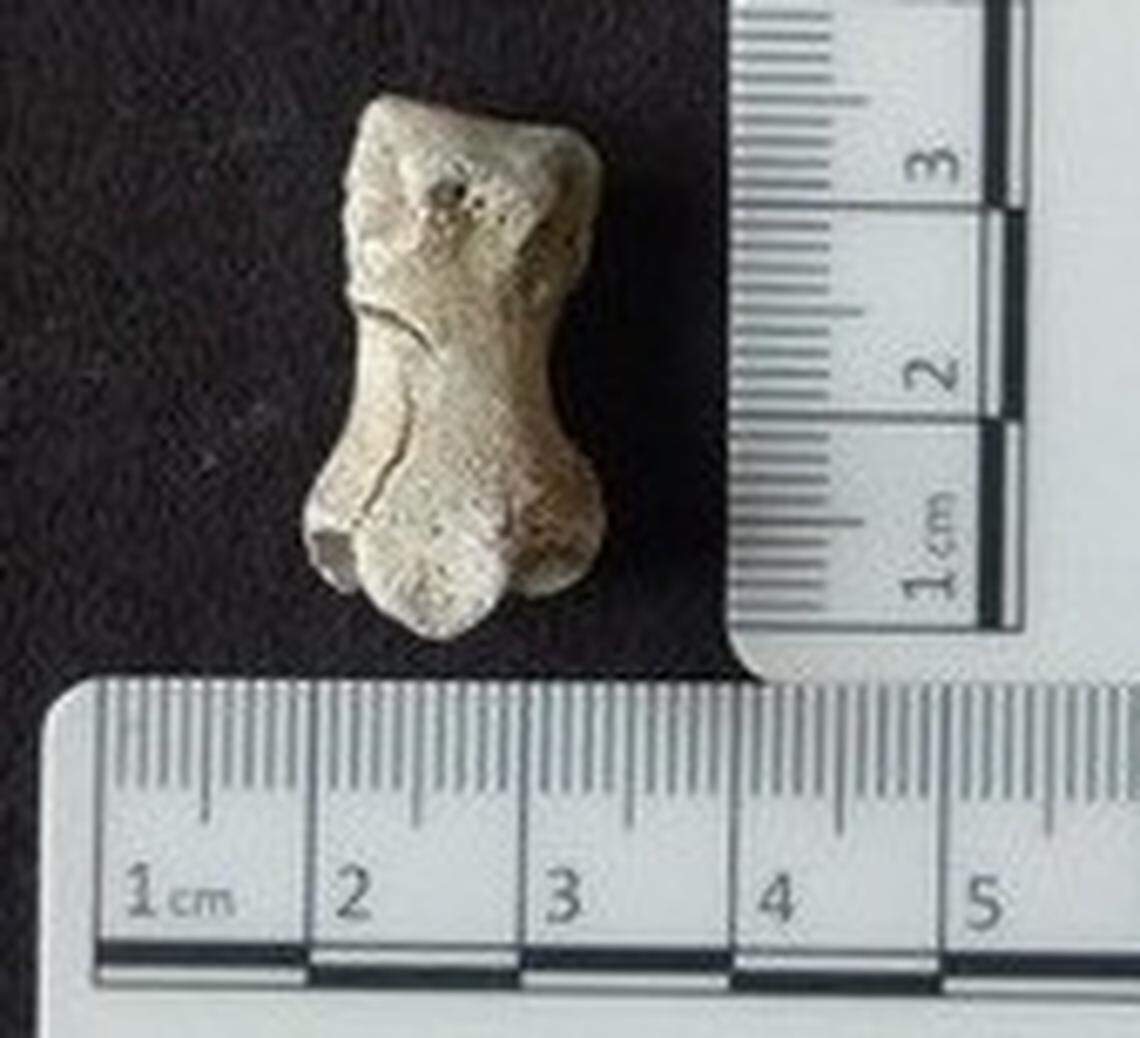
“A hiatus followed, punctuated sometimes between 3000 B.C. and 2000 B.C. by one of the most interesting cremation burials from the region, containing the phalange (finger) bone of a brown bear buried along with a fragment of a polished flint axehead,” archaeologists said. “The bear bone may have had a protective function in the deceased’s travel to the afterlife.”
Seven roundhouses were later built during the Bronze Age and the settlement lasted for more than six centuries, likely through a family lineage over space and time, according to the release.
It was in one of these roundhouses that archaeologists found evidence of metalworking, including parts of a sword, spearhead and sickle, as well as bracelets, the company said.
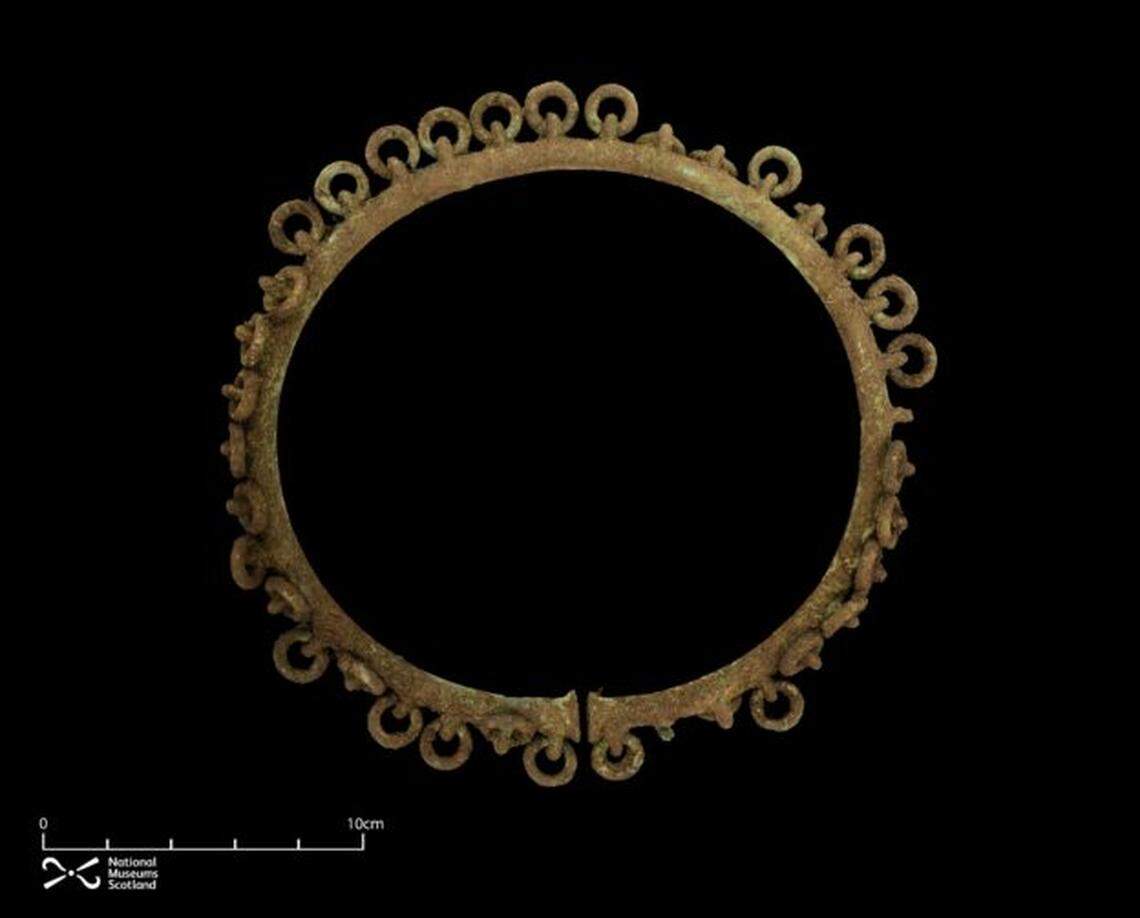
“And it was around this same time period, towards the tail end of this settlement that a rare and well-preserved late Bronze Age metalwork hoard was buried,” archaeologists said. “Comprising a complete penannular ringed ornament lying on top, a fragment of penannular ringed ornament placed within the complete ornament’s circumference, a cup-ended ornament at the very base and six bracelets.”
The complete ringed ornament is the “most complete and complicated example of its type yet found in Scotland,” researchers said, with a total of 37 rings around the main circle.
The partial piece has 13 rings, and they appear to have been made by the same artist using a process called “lost wax casting,” according to the release. “This was a very rare process only used in the creation of highly prized objects, and workshops to produce such pieces were few and far between in Bronze Age Scotland,” researchers said.
They were likely not used as jewelry because they didn’t show any sign of wear from use and were too small to fit over the average human head, leaving their purpose a mystery, according to the release.
The cup-ended ornaments were “sturdier and thicker” than any that have been found before, but mimic the shape of similar versions made of gold previously found in Ireland, the company said.
The bracelets were also special — no two were the same — and could have possibly been submitted to the hoard by members of different households, according to the release. Some of the bracelets have wear, suggesting they were actually worn before being included in the hoard.
“While none of the mould fragments found at Rosemarkie matched the objects in the hoard, the objects themselves speak of the local community’s access to a large supply of bronze for the ostentatious display of wealth and status,” archaeologists said.
The metal appears to have been sourced from Wales and England, according to an isotope analysis.
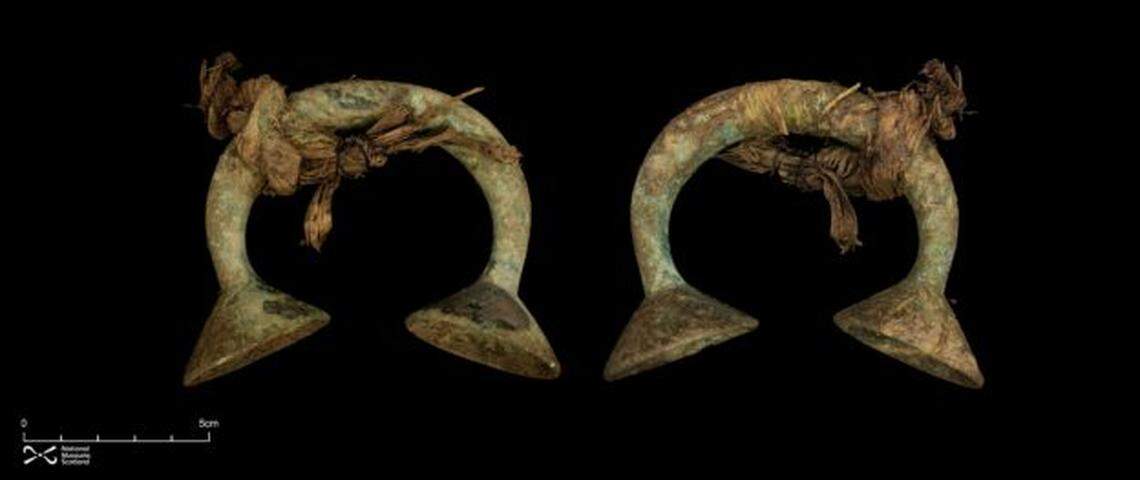
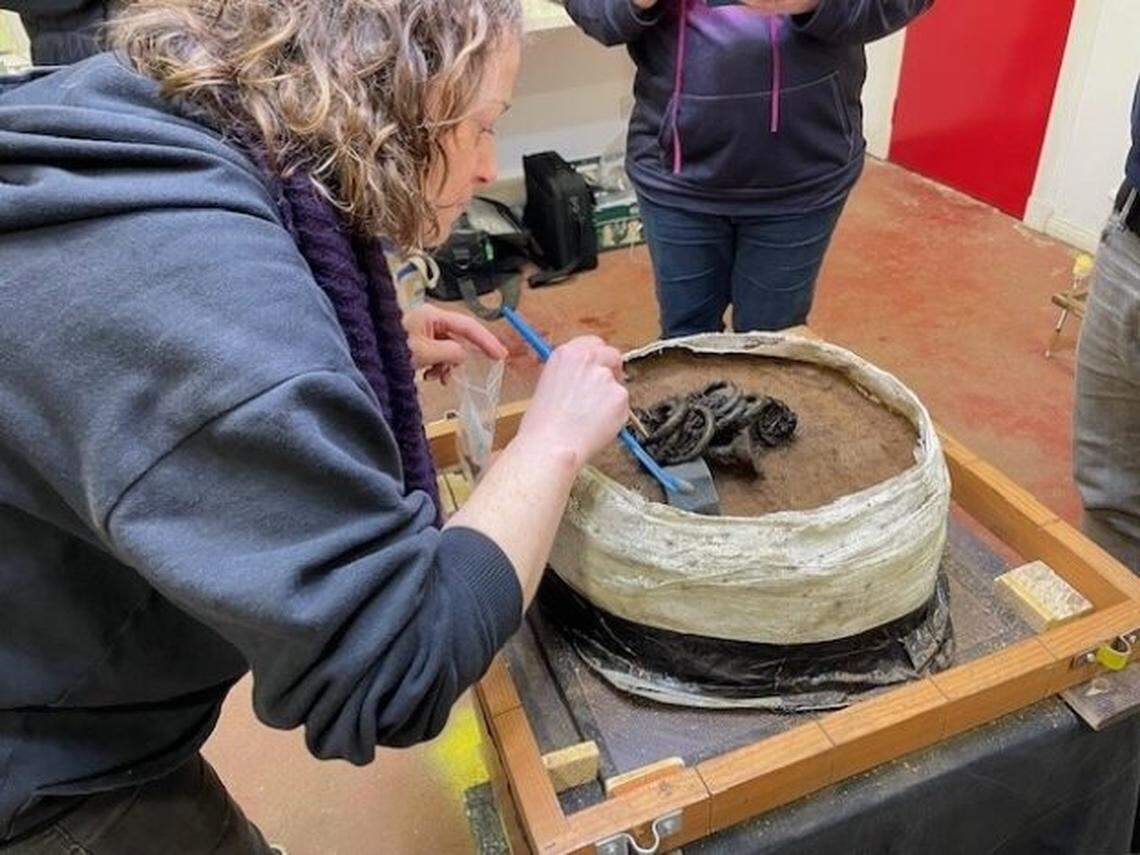
The bronze pieces were also wrapped in organic material, ranging from Bracken stems and frogs to the inner back of trees, creating a wrap that was strong enough to hold all the pieces together for 3,000 years, according to the release.
One organic mass was teased apart and found to be a simple knot on the cup-ended ornaments that was “still in pristine condition,” archaeologists said. This material was radiocarbon dated to narrow down when the hoard was actually buried, between 894 and 794 B.C.
Ancient communities buried their hoards for a variety of reasons, such as metalworkers stashing broken pieces to eventually be recycled or broken objects thrown into watery places where they could never be recovered, archaeologists said.
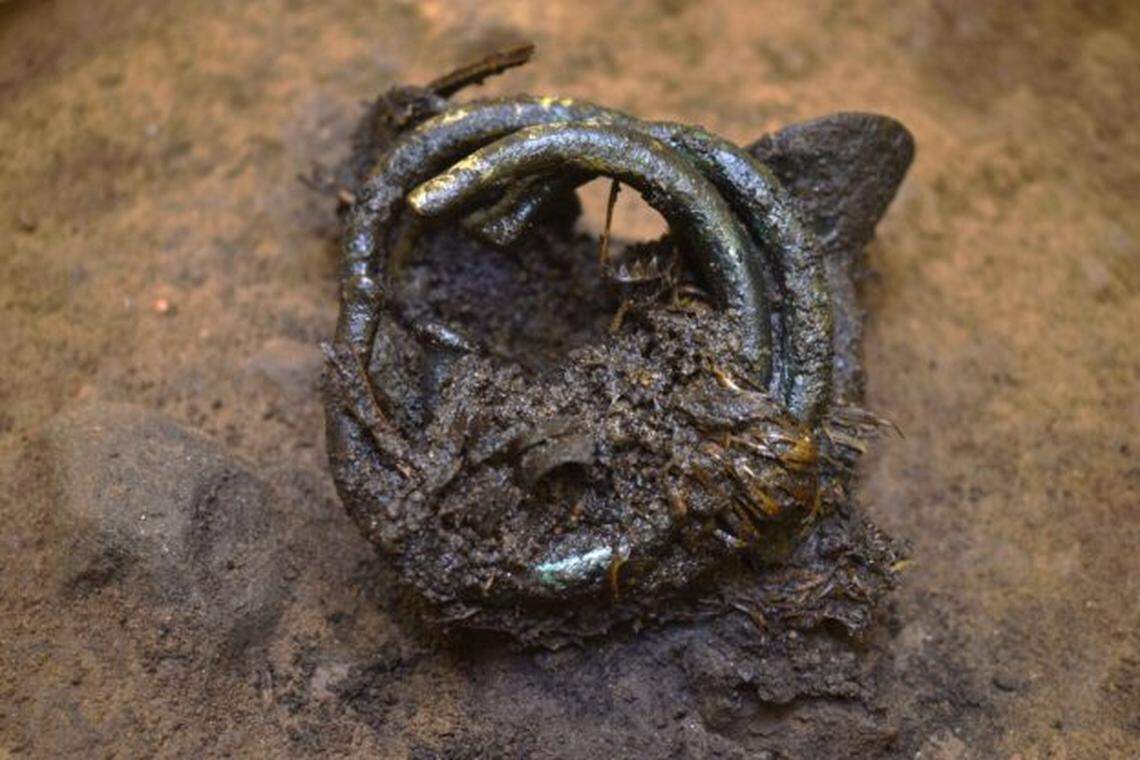
“Then then there are hoards like Rosemarkie,” according to the release. “This third category shows another side of the story, representing precious items that were carefully packed, tied together, stacked on top of one another and neatly buried for safekeeping close to a settlement where they could be guarded and easily retrieved when the time came.”
Researchers say the burying of the hoard is not a mystery, but why the community never came back for their treasured items is another thing entirely.
Rosemarkie is in northeastern Scotland, on the coast of the North Sea.
This story was originally published September 24, 2025 at 11:16 AM with the headline "Ancient town buried hoard 3,000 years ago in UK — then never dug it up. See it."
