‘Remarkable’ creature found in puddle surrounded by trash is new Brazil species
On the edge of Brazil’s Atlantic Forest lives the “remarkable” annual killifish — a creature that has found a way to survive in habitats where water is only present for part of the year.
As their name suggests, annual killifish appear for a brief period of the year in floodplains, wetlands, swamps and other temporary aquatic environments.
They live short lives and die during the dry season. Before they die, they lay eggs in the damp mud at the bottom of their temporary ponds, according to a study published Sept. 12 in the journal Diversity. o
The eggs enter a state called diapause, or a hibernation-like pause in their development, during the dry season and hatch when the rainy season returns to fill their habitats back up with water, restarting the life cycle.
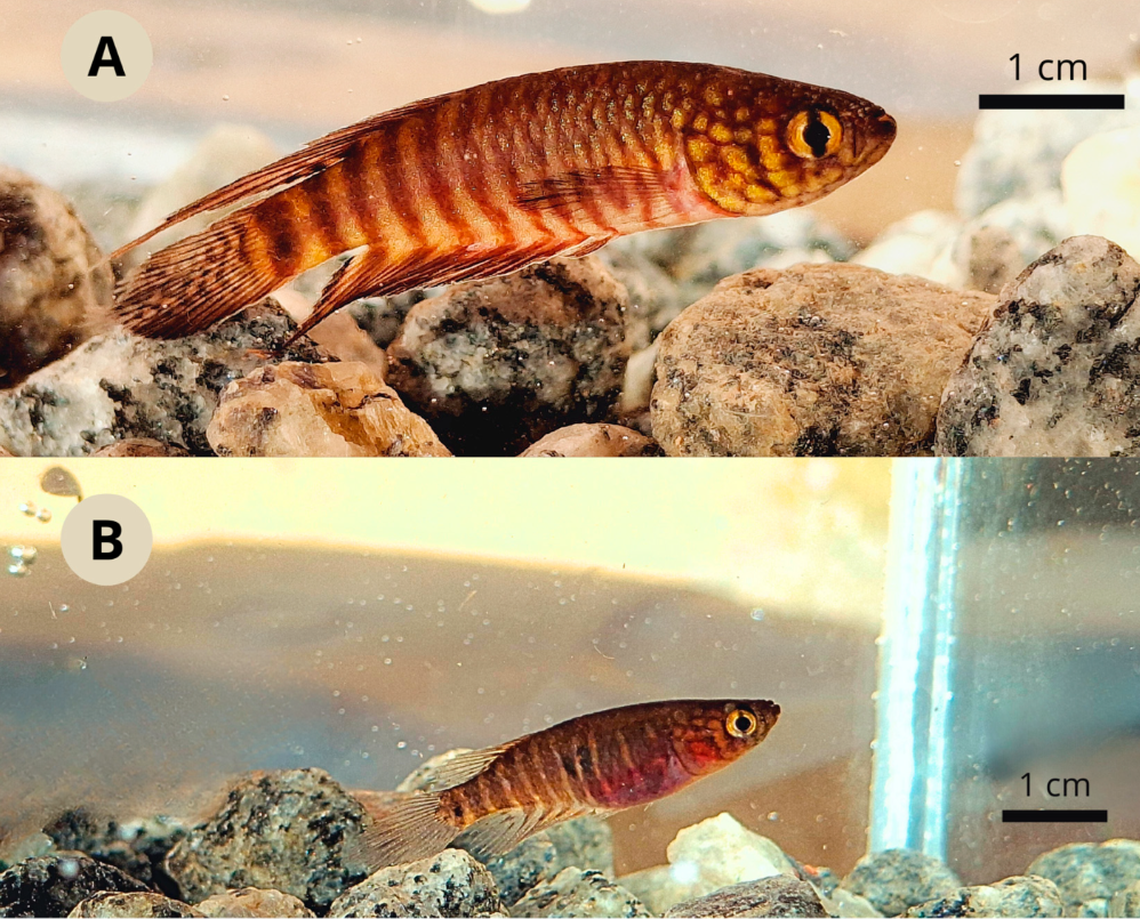
For the first time in 10 years, researchers have discovered a new species of Xenurolebias killifish from an isolated swamp about 2 feet deep in eastern Brazil.
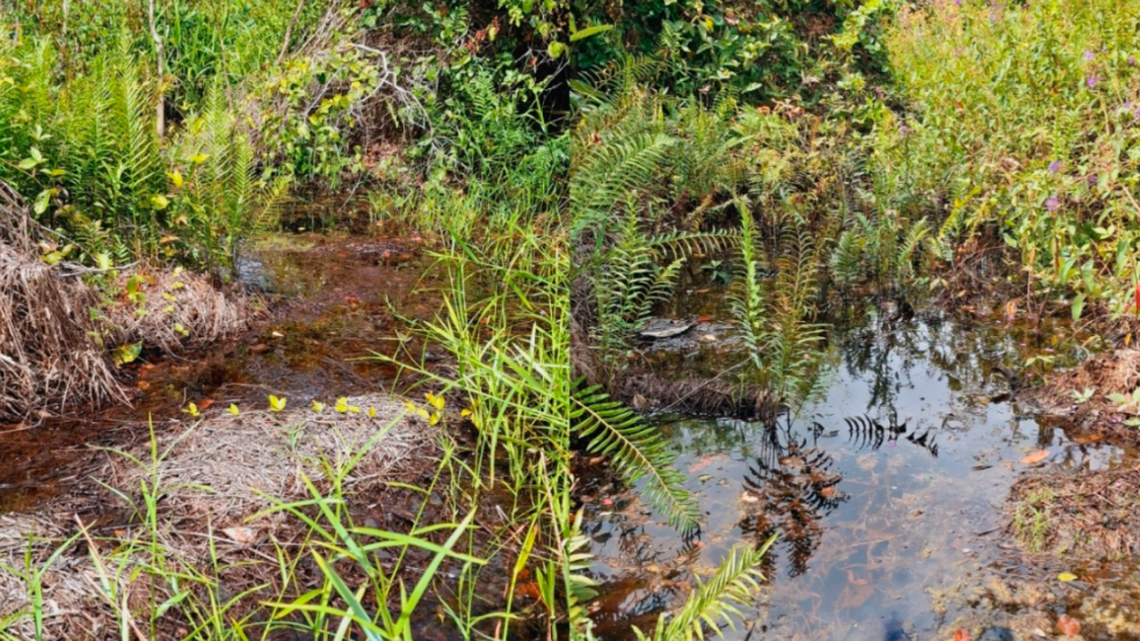
According to the study, the dark tea-colored swamp where Xenurolebias tupinikin was found was “completely covered by dense” grasses and ferns, with the substrate formed by decomposing organic materials and sand.
The swamp, however, sits along the road to the village of Riacho and sees a significant amount of human use, researchers said. “At the site, garbage dumping points (solid waste) and debris (civil construction waste) were identified,” researchers said, naming this as a primary conservation concern for the new species.
Xenurolebias tupinikin also faces threats from habitat degradation and loss due to eucalyptus crop plantations, “pollution and domestic garbage,” extreme drought, and climate change, according to the study.
The new species has a “slender” body measuring just under an inch long. It is “brownish-yellow” in color “with 12–13 dark brown bars,” according to researchers.
Researchers said “special attention should be given” to the new species, which is known from just three sites with no environmental protections.
“The presence of garbage disposal in the vicinity of the puddle inhabited by these fish” sparks an “urgent need” for conservation, researchers said, recommending the new species be classified as critically endangered.
The research team included Bruno Pinheiro Gomes, Luisa Maria Sarmento-Soares, Ronaldo Fernando Martins-Pinheiro and Gustavo Rocha Leite.
This story was originally published September 23, 2025 at 10:59 AM with the headline "‘Remarkable’ creature found in puddle surrounded by trash is new Brazil species."