Road construction workers discover historic fortress in Poland. Check out the find
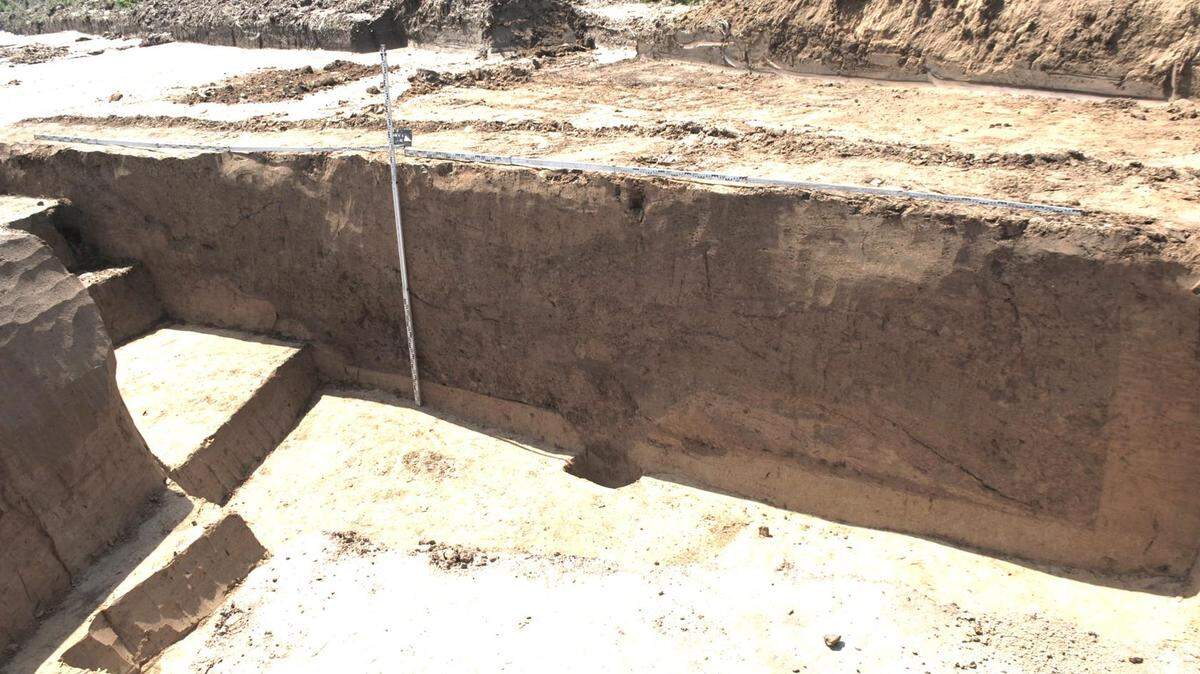
After the remnants of a historic fort were discovered during a construction project in Poland, researchers are getting a look into the past of military engineering.
Archaeologists were called to the Northern Bypass of Kraków expressway construction site when stone walls emerged from the dirt, according to an April 12 news release from the Generalna Dyrekcja Dróg Krajowych i Autostrad, the General Directorate for National Roads and Motorways of Poland.
The structures were part of a network of military units built around the outskirts of Kraków as protection to make the city a fortress, archaeologists with Ministerstwo Nauki i Szkolnictwa Wyższego, the Ministry of Science and Higher Education, said in an April 12 news release.
The historic building, labeled Fort No. 44 “Tonie,” for the town it once belonged to, was built into the countryside in 1848 and had moats surrounding the structure, officials said.
Rainwater was allowed to drain around the buildings, archaeologists said, and the remnants of a brick oven was also found.
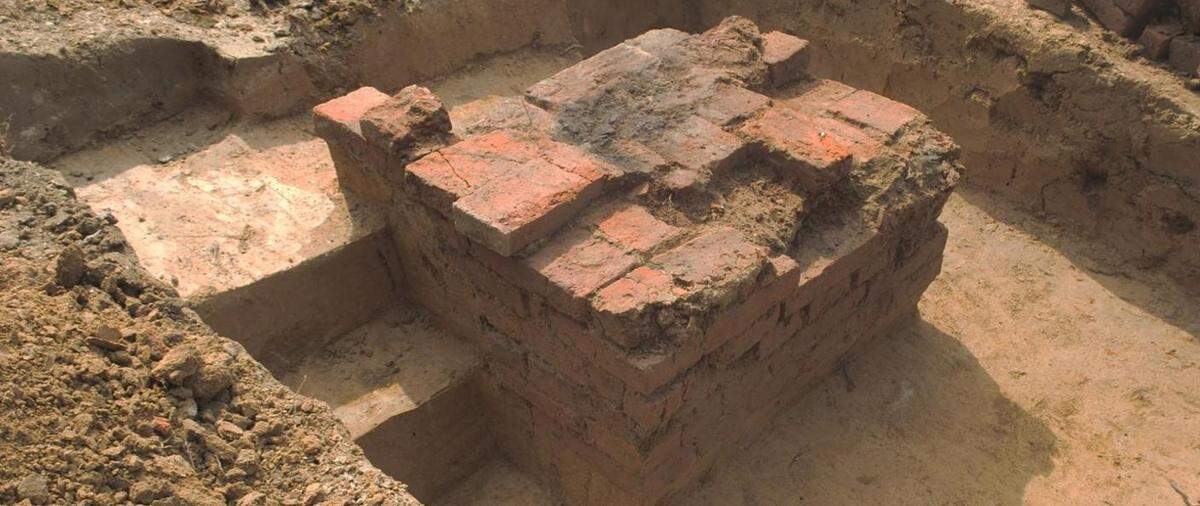
Along the fort, a shelter or dugout was discovered, about 100 feet long and 12 feet deep, officials said.
It was likely used by infantry soldiers, according to the releases, and had wooden floors and a roof.
Archaeologists were able to date the shelter by analyzing the wood left behind, officials said, suggesting it was likely built at the beginning of the 20th century, after 1902.
As part of the Kraków Fortress network, different sections of the fortification were built over time and through various expansion projects, archaeologists said.
They stood well into the 20th century and were the backdrop of a major battle in 1914 in the early days of World War I, archaeologists said.
Some items that once belonged to the soldiers stationed there were left behind, officials said.
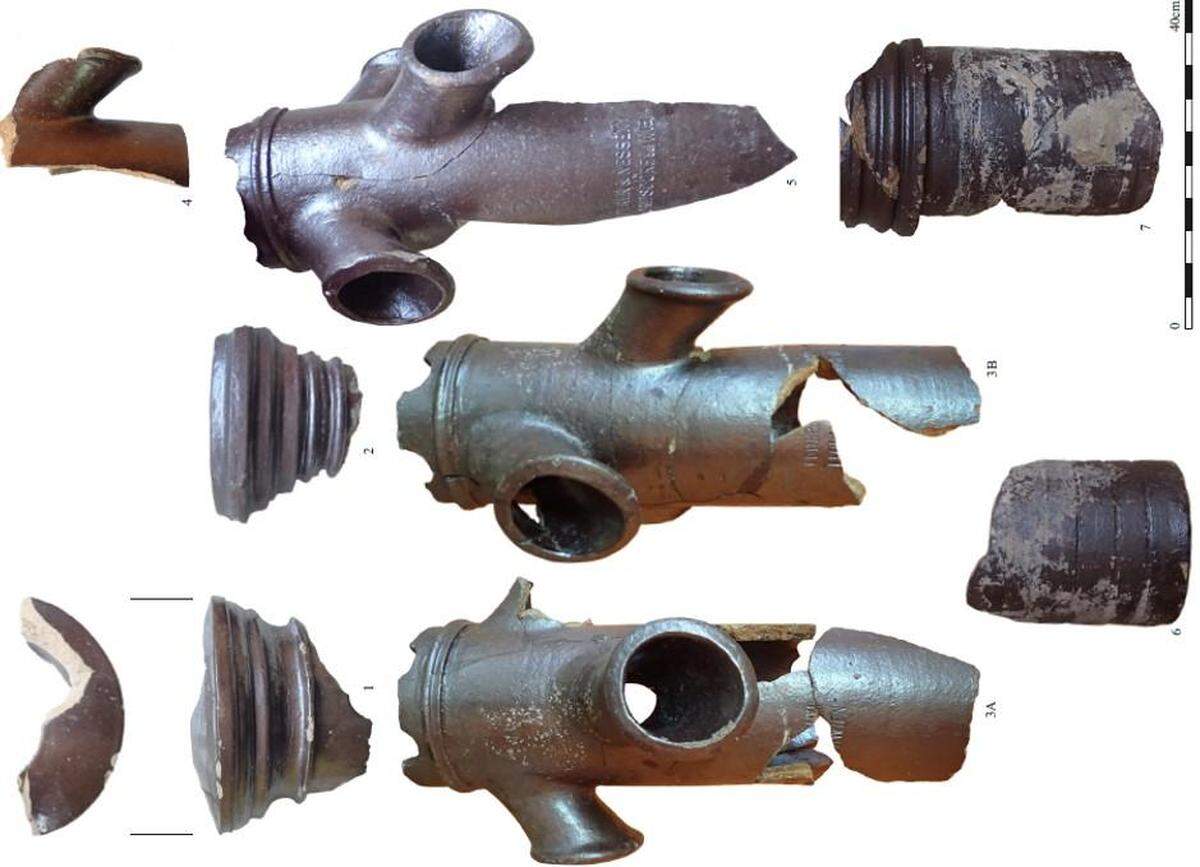
This included ceramic pipes in a battery field that disappeared after the first world war due to erosion and agriculture, officials said.
A tin enameled mug was also found that had an inscription on the bottom dating it to the 1870s, according to officials.
Archaeologists and transportation officials said the find would help researchers understand how construction was completed for military establishments, and work will continue to excavate these discoveries as the expressway is completed.
The find was discovered outside Kraków in southern Poland.
Google Translate was used to translate the news releases from the Ministerstwo Nauki i Szkolnictwa Wyższego and the Generalna Dyrekcja Dróg Krajowych i Autostrad.
This story was originally published April 15, 2024 at 1:05 PM with the headline "Road construction workers discover historic fortress in Poland. Check out the find."