Divers remove ancient Roman cargo from shipwreck — and find unique carvings. See them
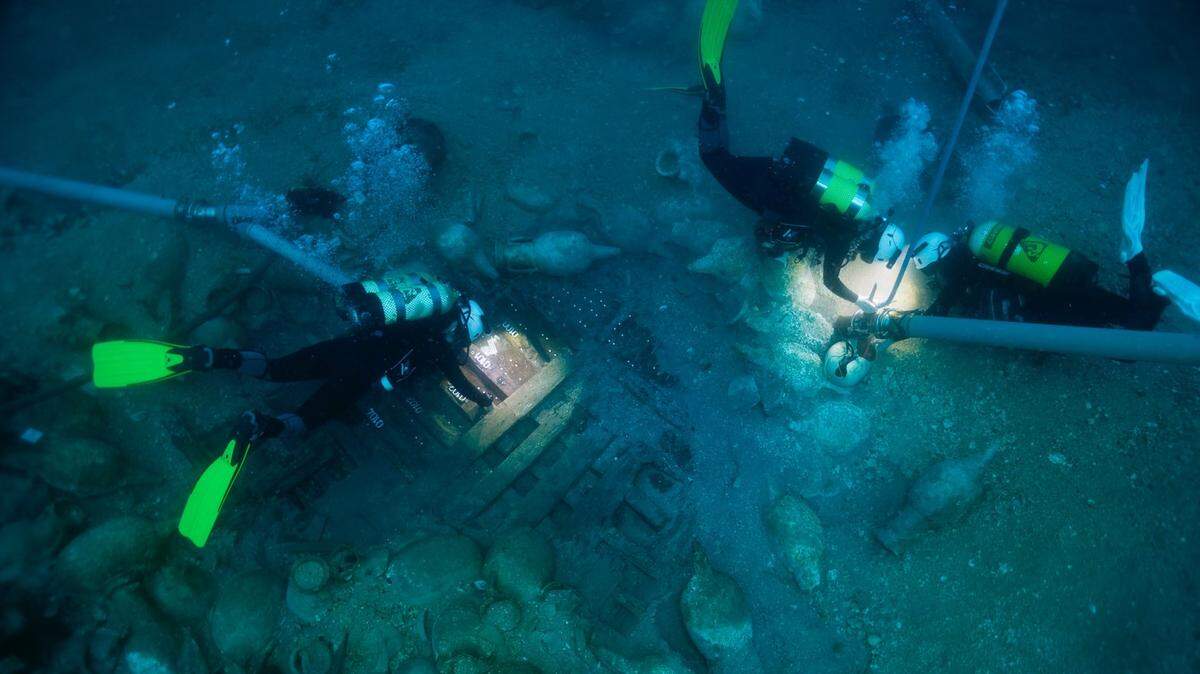
For centuries, an ancient Roman shipwreck sat off the coast of Spain. Currents swirled around it and sand piled up on it, but the weathered ship survived relatively intact.
And with more unique features than archaeologists initially thought.
The ancient Roman shipwreck, nicknamed the Illes Formigues II after the nearby Formigues Islands, was rediscovered in 2016, according to a blog post from the Catalan Archaeology Museum. The ship sits about 150 feet down and has been under excavation for years.
During the most recent campaign, divers removed 34 ancient pottery vessels from the stern of the ship and found some unique markings underneath, the museum wrote in an April 11 post on X, formerly Twitter.
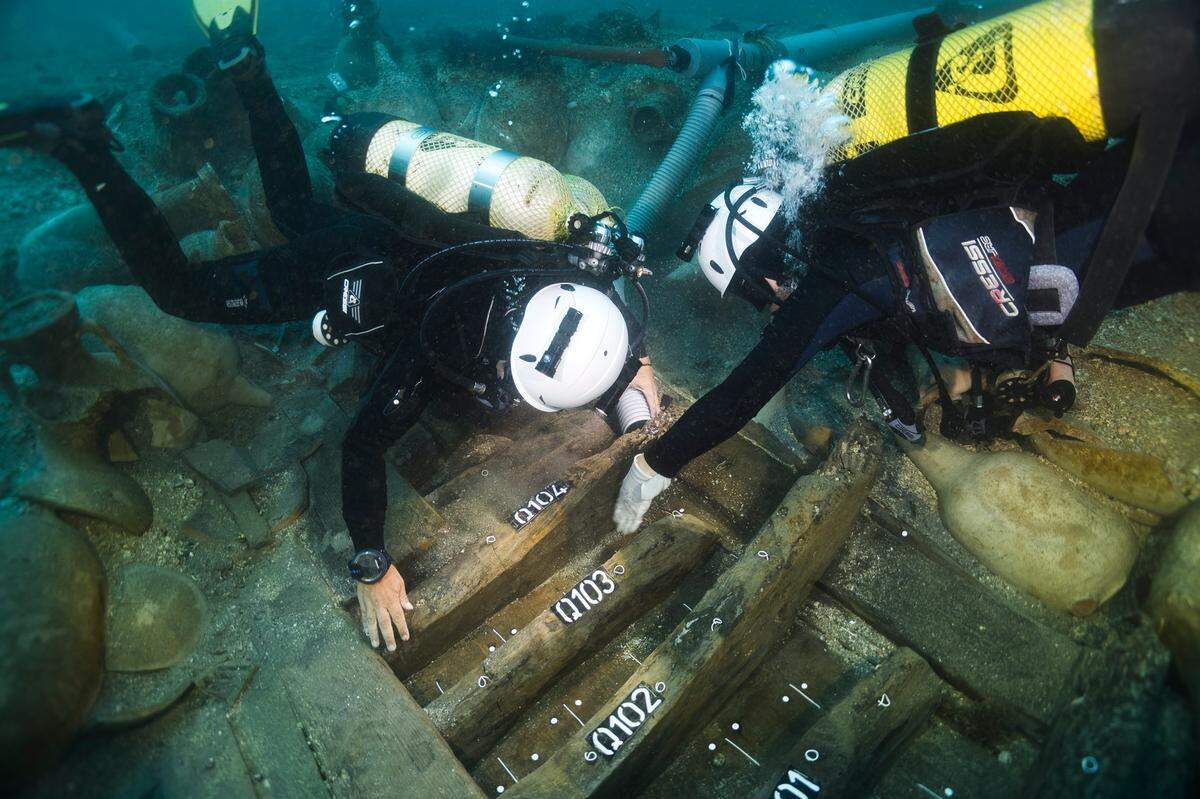
The carvings were identified as a series of Roman numerals, the museum said. A photo shows the wooden planks with the letters “DV,” meaning 505, and “VI,” meaning six.
El Nacional, a news outlet in Catalonia, reported a third set of Roman numerals, “DVI” or 506, on the 2,000-year-old ship.
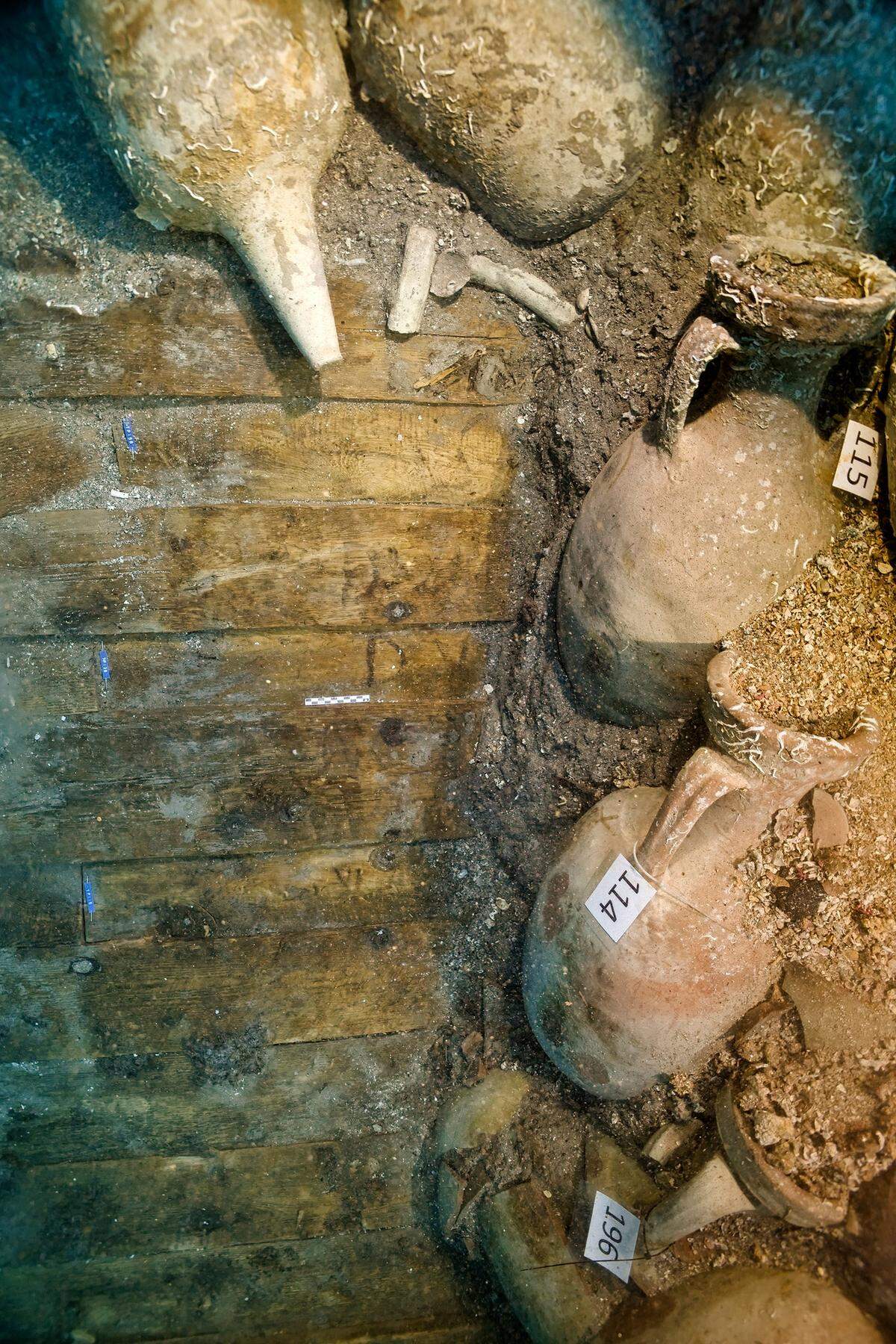
The markings are unique and have not been found on other ancient shipwrecks in the Mediterranean, the museum said.
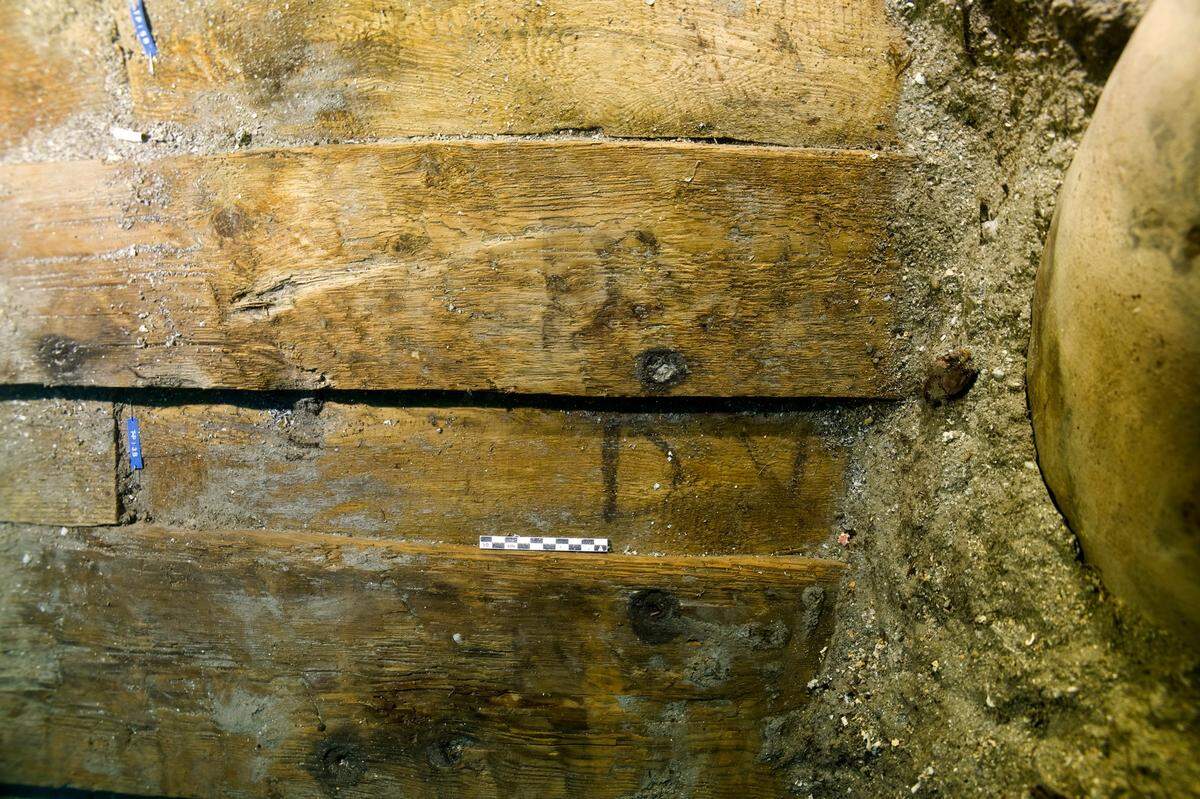
Museum archaeologists suspect the Roman numerals were labels for identifying specific planks and assisting sailors in the maintenance or construction of the ship.
A similar process is still used today, El Nacional reported.
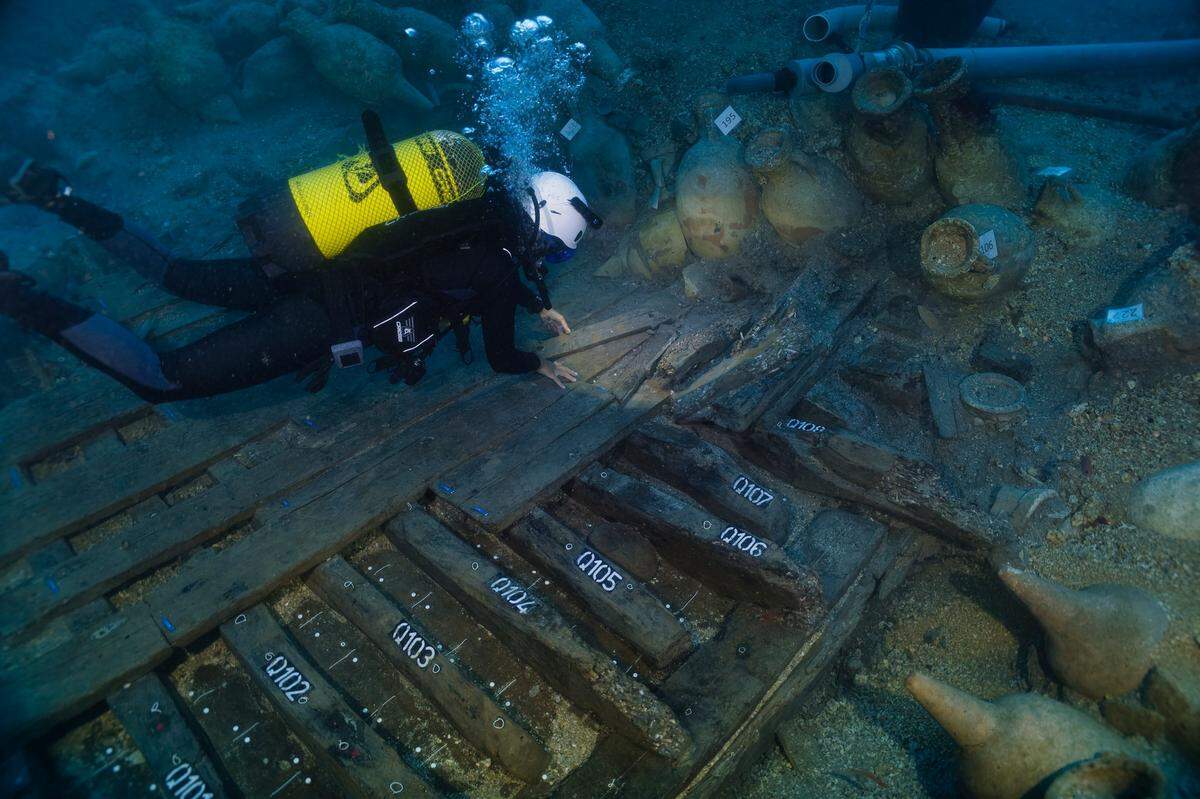
Excavations of the Illes Formigues II are still ongoing. Archaeologists hope to gain a better understanding of the ancient Roman ship, its cargo and its unique markings.
The Formigues Islands are in Catalonia and off the northwest coast of Spain, about 60 miles from Barcelona.
Google Translate was used to translate the Catalan Archaeology Museum’s blog, its post on X and the article from El Nacional.
This story was originally published April 12, 2024 at 10:06 AM with the headline "Divers remove ancient Roman cargo from shipwreck — and find unique carvings. See them."