
U.S. House proposes even deeper Hanford cuts than Trump administration
AI-generated summary reviewed by our newsroom.
- House proposes deeper Hanford budget cut than requested by the Trump administration
- However, the House would support work to ship Hanford waste from Washington to New Mexico
- A lower overall budget could mean layoffs
The U.S. House’s proposed budget for the Hanford nuclear site for the next fiscal year would provide even less money than requested by the Trump administration.
In early April, the Trump officials released a budget request that includes Hanford and other Department of Energy work for fiscal year 2027. Congress uses the request as a starting point to determine how much money Hanford will receive.
The administration proposed a cut of about $400 million from the record-high Hanford budget of more than $3.2 billion for the current fiscal year, which began in October.
The House proposes an additional cut of about $55 million for a total budget of just under $2.8 billion for the coming fiscal year.
Sen. Patty Murray, D-Wash., in a visit to the Tri-Cities earlier this month, said finding money to boost administration budget requests will be more difficult for Congress for fiscal 2027 due to pressure to increase defense spending.
Layoffs are possible, she and union leaders, warned in a Hanford budget discussion.
The Trump administration has proposed that the national defense budget increase from a historic $1 trillion in fiscal 2026 to $1.5 trillion in the coming fiscal year.
%20Safety%20approved.JPG "A-106 Jumper May 12 (17) Safety approved.JPG")
House supports WIPP shipments
The House budget proposal differs from the Trump administration’s request by providing money to ship transuranic waste — typically debris contaminated with plutonium — from Hanford to a national repository for transuranic waste in New Mexico.
Work is already underway to prepare the waste for transfer to the Waste Isolation Pilot Plant, or WIPP, in New Mexico.
The House budget includes about $25 million for that work not included in the administration’s request.
.JPG "Hi_j0179(42).JPG")
“Additional funding above the request is provided to continue the repacking, certification and shipping of transuranic waste to avoid unnecessary disruption to ongoing cleanup activities and workforce stability,” according to the House’s proposal.
Hanford has not sent waste to the repository in New Mexico for more than a decade after a new nationwide schedule for WIPP shipments put Hanford toward the bottom of a list of sites shipping waste there.
However, even if there is money to resume shipments from Hanford, they could be delayed as New Mexico pushes to have waste generated at WIPP and waste from Los Alamos National Laboratory in New Mexico disposed of at WIPP before Hanford waste.
Benton County commissioners approved a letter Tuesday to the New Mexico Environment Department stressing the importance of continued access to WIPP by sites across the nation, including Hanford.
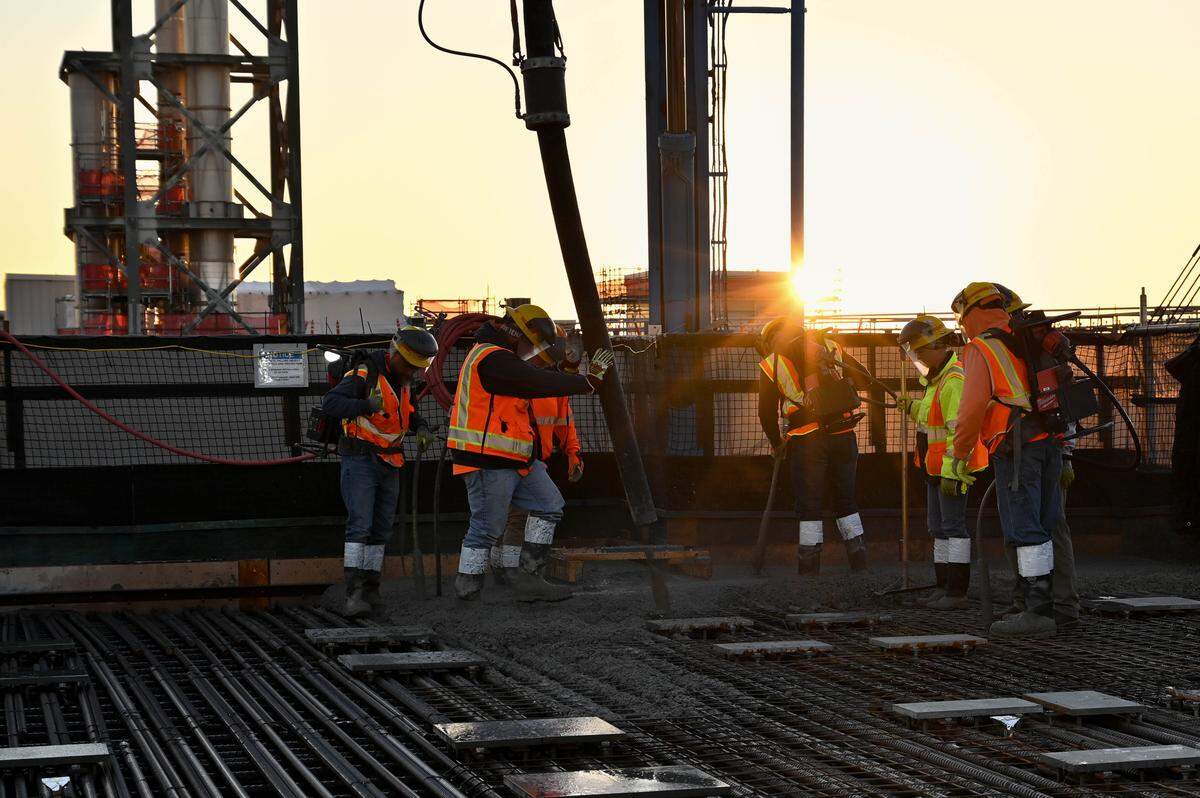
While the House budget proposed funding for WIPP shipments, which was not included in the administration’s request, it proposed a deeper cut for construction of the Hanford vitrification plant’s High Level Waste Facility than proposed by the administration.
This fiscal year the budget includes nearly $612 million for construction there. The Trump administration proposed cutting that to $330 million and the House budget as proposed would cut that to $250 million.
“... (M)ajor construction activities are not yet ready to proceed” and “available resources are better directed toward active cleanup priorities, sustaining site operations and reducing environmental liabilities,” the House proposed budget documents said.
Some funding could be carried over, DOE officials have said.
DOE faces a federal court order to start turning high level radioactive waste into a stable glass form ready for disposal in 2033. The Hanford vitrification began glassifying waste with lower radioactivity for disposal in October.
Other budget cuts backed
The House budget sustains other cuts proposed by the Trump administration, including a temporary hold on deactivation of the Hanford 324 Building, which sits over a leak of highly radioactive cesium and strontium 1,000 feet from the Columbia River and a mile north of Richland.
Monitoring wells are being used to check for any spread of the contamination in the soil.
A temporary hold also would be placed on work to finish demolishing buildings and cleaning up waste sites at the K West Reactor, the last of eight plutonium-production reactors that are planned to be cocooned, or put into long-term storage. Like the other reactors, it was built near the Columbia River.
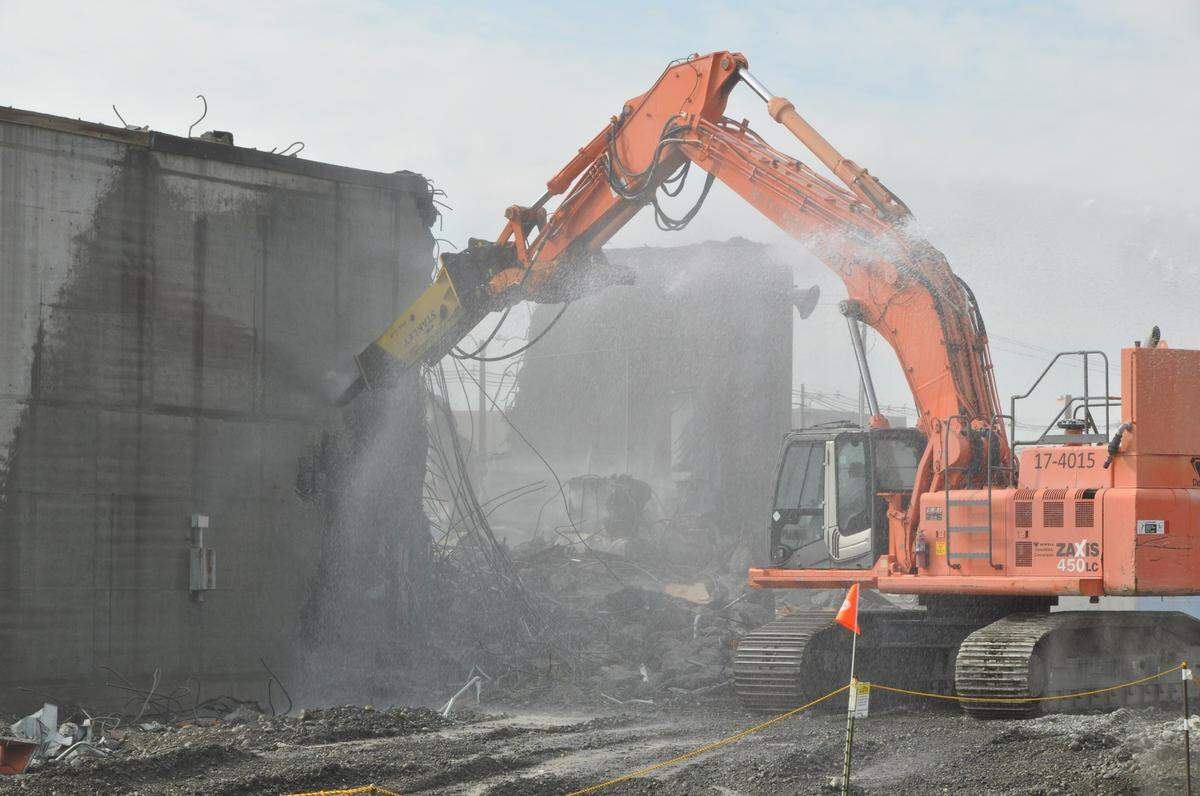
Infrastructure projects also would be delayed, including replacing a 1.1-million-gallon potable water tank in central Hanford and electrical capacity and water system upgrades.
The Washington state Department of Ecology has estimated that to meet immediate and long-term Hanford cleanup requirements and deadlines set in federal court and the legally binding Tri-Party Agreement, the fiscal 2027 budget for Hanford would need to be nearly $6.8 billion.
The Senate has not yet released it proposed Hanford budget.
The 580-square-mile Hanford site adjacent to Richland in Eastern Washington was used from World War II through the Cold War to produce nearly two-thirds of the plutonium for the nation’s nuclear weapons program. Now environmental cleanup of the site is underway.