
100,000 gallons of radioactive nuclear waste made safer in Eastern WA
AI-generated summary reviewed by our newsroom.
- Hanford vit plant reaches a key milestone for radioactive waste turned into glass
- Plant began treating portions of the 56 million gallons of tank waste in October
- Treated tank waste will be disposed of both at Hanford and out of state
The Hanford vitrification plant hit a milestone over the weekend, turning 100,000 gallons of radioactive and hazardous chemical waste into a stable glass form for disposal.
The plant, named the Hanford Waste Treatment and Immobilization Plant, starting treating some of the 56 million gallons of waste stored in leak-prone underground tanks in October.
It was a long-awaited start after construction of the plant began in 2002. Design changes, funding shortfalls, technical concerns, earthquake safety questions and other issues contributed to repeated delays on the plant.
“Each gallon of immobilized waste brings us closer to a cleaner, safer environment and revitalized community,” said Brian Hartman, vitrification plant project director for Bechtel National, the contractor building and commissioning the plant.
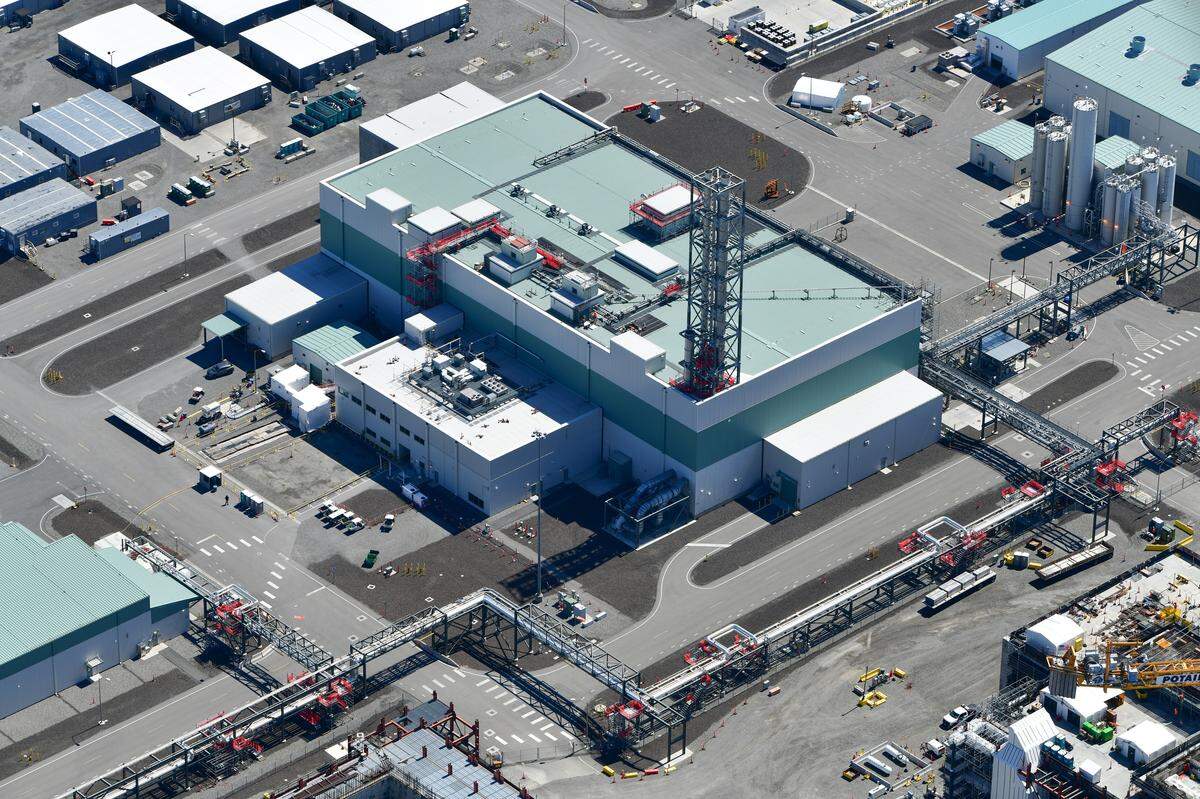
Transforming 100,000 gallons of tank waste into glass “is a tremendous milestone on the path to full production at the Waste Treatment Plant,” said Casey Sixkiller, director of the Washington state Department of Ecology, a Hanford regulator. “We will continue to work closely with our partners at the U.S. Department of Energy and its contractors with a view toward the next 100,000 gallons and beyond.”
The Department of Energy expects Bechtel to continue the initial waste treatment, as part of Bechtel’s contract for commissioning the plant, over the next year. Then operation of the plant will be turned over to Hanford Tank Waste Operations and Closure, or H2C, the contractor responsible for managing tank waste.
The 580-square-mile Hanford nuclear site adjacent to Richland in Eastern Washington produced plutonium for the nation’s nuclear weapons program from the Cold War to World War II.
Uranium irradiated at nine Hanford reactors along the Columbia River was chemically separated to remove plutonium. The waste left behind was stored in 177 underground tanks, including 149 single-shell tanks that are prone to leaking.
DOE and its regulators, including the Washington state Department of Ecology, have agreed to a dual program to treat the waste.
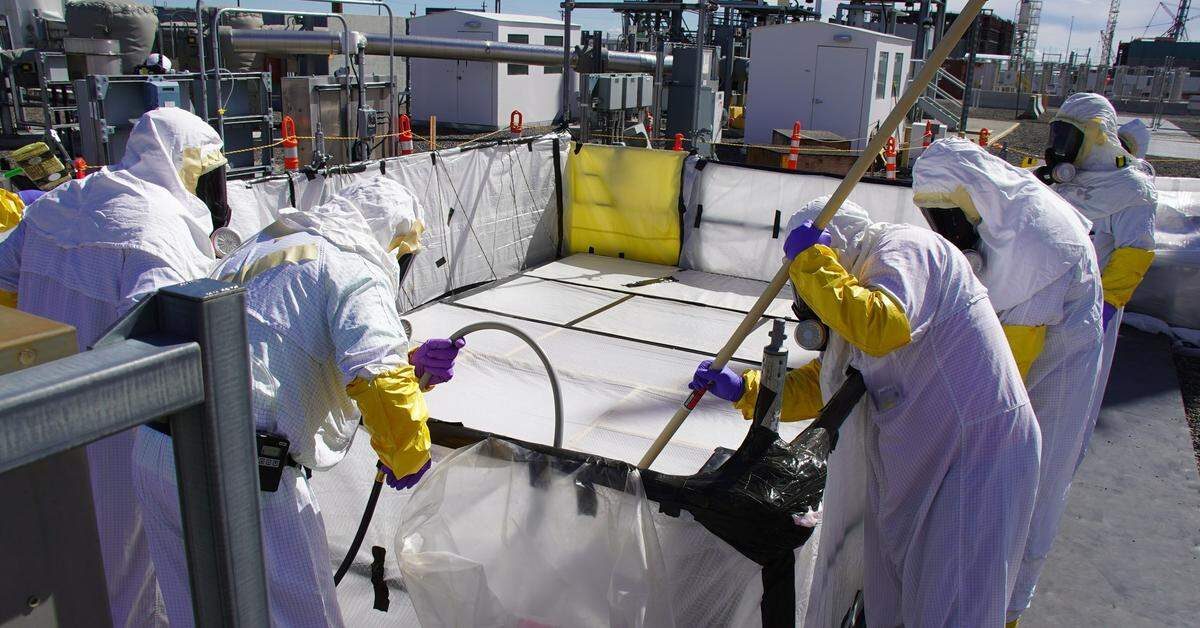
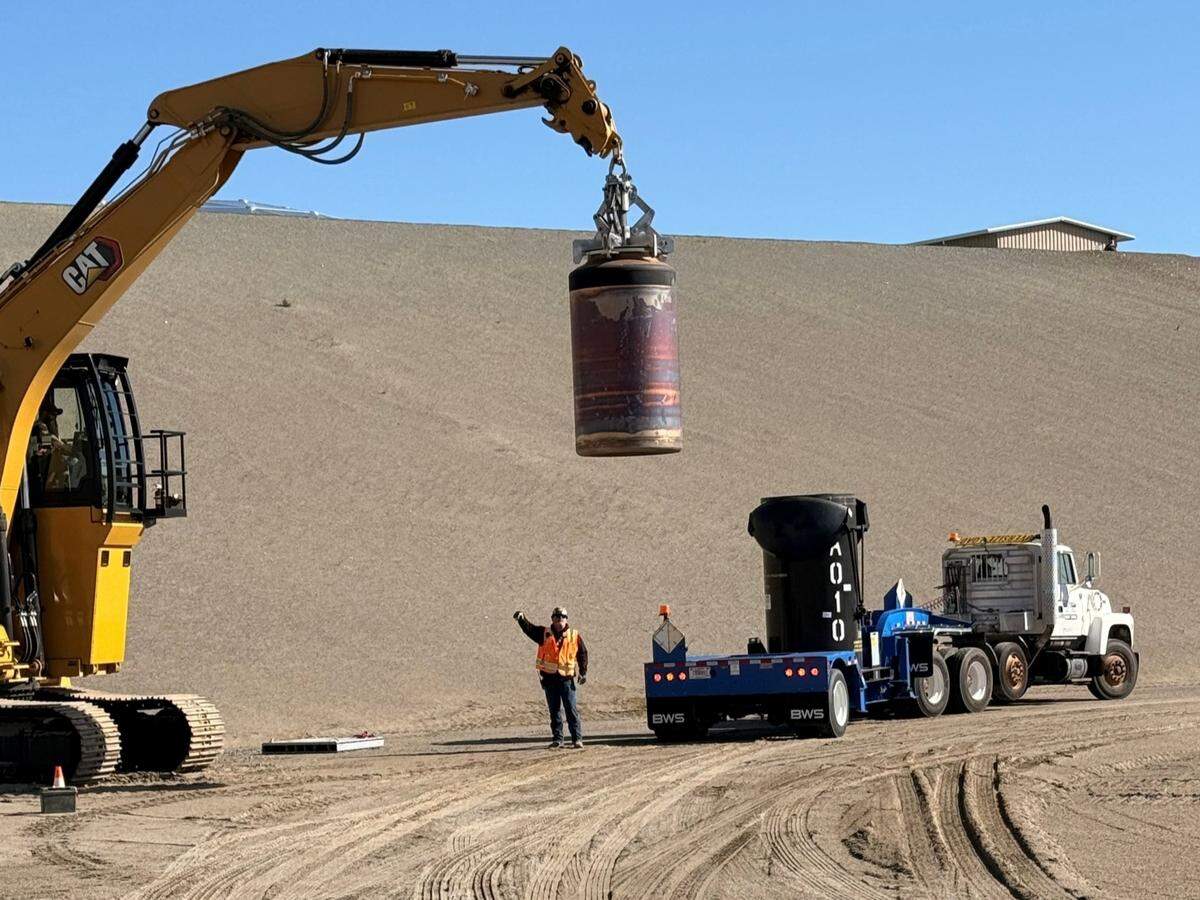
Now some of the least radioactive waste in the tanks is being turned into a glass form at the vitrification plant. Stainless steel containers of glassified waste are being disposed of in the Integrated Disposal Facility, a lined landfill in the center of the Hanford site.
DOE also is planning to turn some of the least radioactive waste from the tanks into a concrete-like grout form. Grouted tank waste will be shipped to commercial disposal sites in Texas or Utah.
A successful test of grouting 2,000 gallons of tank waste has been completed.
In addition, DOE faces a 2033 deadline to start vitrifying the most radioactive waste at the vitrification plant’s High Level Waste Facility. That glassified waste will be sent to a national deep geological repository, for which a site has not been picked after work at Yucca Mountain, Nev., stopped.
“Treating 100,000 gallons is more than just a number,” said Mat Irwin, the DOE Hanford assistant manager for tank waste operations. “It represents our commitment to protecting the Columbia River and Tri-Cities community for future generations.”
At the vitrification plant’s Low Activity Waste Facility, two 300-ton melters are used to combine tank waste and glass-forming materials and then heat the mixture to 2,100 degrees Fahrenheit.
As the mixture cools the waste is left incorporated in a stable glass form and sealed in stainless steel containers, each of which is 4 feet wide and 7.5 feet tall.
This story was originally published May 18, 2026 at 12:29 PM.