
Congress adopts record high budget to clean up Hanford, WA nuclear contamination
The Hanford nuclear reservation budget for the current fiscal year will be nearly $128 million more than proposed by the Biden administration and about $25 million above the fiscal 2021 budget.
The U.S. Senate approved the budget as part of a massive spending bill for the fiscal year that began in October. The vote late Thursday was 68-31, which sent the bill to the president for his signature.
The spending package includes a record high amount of nearly $2.6 billion for maintenance and environmental cleanup of the Hanford site adjoining Richland in Eastern Washington.
But even that amount falls shy of cleanup costs, Sen. Patty Murray, D-Wash., pointed out in budget hearings.
Congress would need to budget for than $11 billion a year for the next 57 years to complete Hanford cleanup, she said.
Murray is the highest ranking Democrat on the Senate Appropriations Committee, putting her in a key position to work for Hanford environmental cleanup money.
Sen. Maria Cantwell, D-Wash., also pushed for money for Hanford and supported the spending package.
“A lot of presidents look at the federal budget and try to think of ways to trim costs at Hanford, but they often fail to remember the federal government’s obligation to this community. I make sure they remember,” Murray said in a statement after the fiscal 2022 bill was approved.
In a surprise move, the Biden administration had proposed zeroing out spending for payments in lieu of taxes this year at Hanford. But the final spending bill includes $3.5 million in PILT payments to local governments.
Both Murray and Cantwell pressed Energy Secretary Jennifer Granholm in Senate committee hearings about the administration’s proposal to eliminate PILT funding this year.
“I want to be clear that (PILT funding) cannot be eliminated or cut back in any way. The Tri-Cities rely on this funding, and they are owed this funding,” Murray told Granholm.
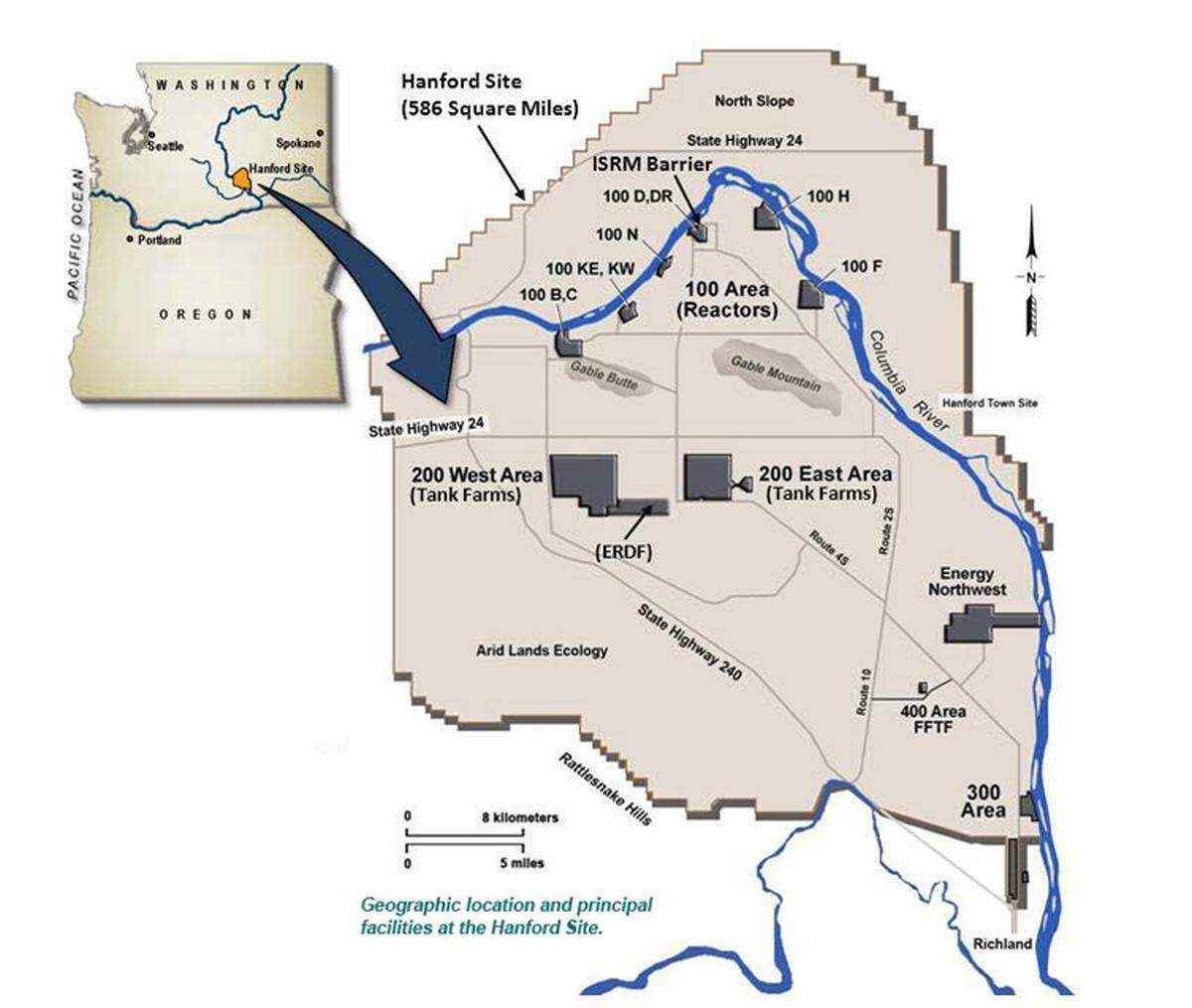
The nuclear reservation covers 580 square miles, mostly in Benton County, taking that land off of its property tax rolls. Smaller portions of the nuclear reservation reduce money available for Franklin and Grant counties.
“PILT funding is intended to compensate local governments for taxes that they cannot collect from the federal government,” Cantwell told Granholm.
PILT is distributed by the counties for roads, rural libraries, ports, public hospital and other health services, and help for indigent veterans. But the largest chunk goes to schools.
Benton County received about $3.8 million in PILT in 2021, with about $1.7 million going to the Richland School District.
Hanford cleanup spending
The spending package includes just over $1.6 billion for the Hanford Office of River Protection, which is responsible for 56 million gallons of radioactive waste stored in underground tanks and preparations to treat and dispose of the waste.
It is an increase of $2 million above the previous year, and $105 million above the Biden’ administration’s budget request, according to Murray’s staff.
It includes language requested by Murray for construction work on buildings at the $17 billion vitrification plant that will handle high-level radioactive waste, the High-Level Waste Treatment Facility and the Pre-Treatment Facility.
The language was intended to ensure compliance with the 2016 federal court consent decree, which sets deadlines for the start of treatment of radioactive waste, Murray’s staff said.
The Department of Energy now is working to start treating low activity radioactive waste at the vitrification plant by the end of 2023, but also is required to have the plant fully operating, including treating high-level radioactive waste, by 2036.
The bill also includes $950 million for the work of the Richland Operations Office at Hanford, which is $23 million above both the previous year’s budget and also the administration’s request for the current fiscal year, Murray’s staff said.
The Richland Operations Office is responsible for operating and maintaining the site and environmental cleanup other than tank waste, which includes contaminated buildings, soil and groundwater, plus additional buried and stored radioactive waste.
Historic Hanford reactor
The Hanford site was used from World War II through the Cold War to produce nearly two-thirds of the plutonium for the nation’s nuclear weapons program.
The bill also includes Murray’s requested report language that $10 million be used for the B Reactor roof replacement project to ensure that work gets done.
B Reactor, the world’s first full-scale nuclear production reactor, produced the plutonium used in the Trinity Test in the New Mexico desert in July 1945 and the “Fat Man” atomic bomb dropped on Nagasaki, Japan, helping end the war days later.
The reactor is preserved as part of the Manhattan Project National Historical Park and tours are available.
“I have family from the Tri-Cities,” Murray said. “I’m always going to make sure we’re doing right by the Tri-Cities community and Hanford workers. It was the sacrifice of this community that helped us win WWII and the cold war, so the federal government has a moral and legal obligation to clean up Hanford.”
This story was originally published March 14, 2022 at 5:00 AM.