
Hanford nuclear cleanup ‘on the cheap’ won’t work, Cantwell tells Biden’s energy secretary
The proposed budget for Hanford nuclear reservation next year is about $900 million short of what is needed to keep environmental cleanup on track to meet legal deadlines.
That was the message from Sen. Maria Cantwell, D-Wash., to Energy Secretary Jennifer Granholm at a hearing of the Senate Energy and Natural Resources Committee on the fiscal 2022 budget for the Department of Energy.
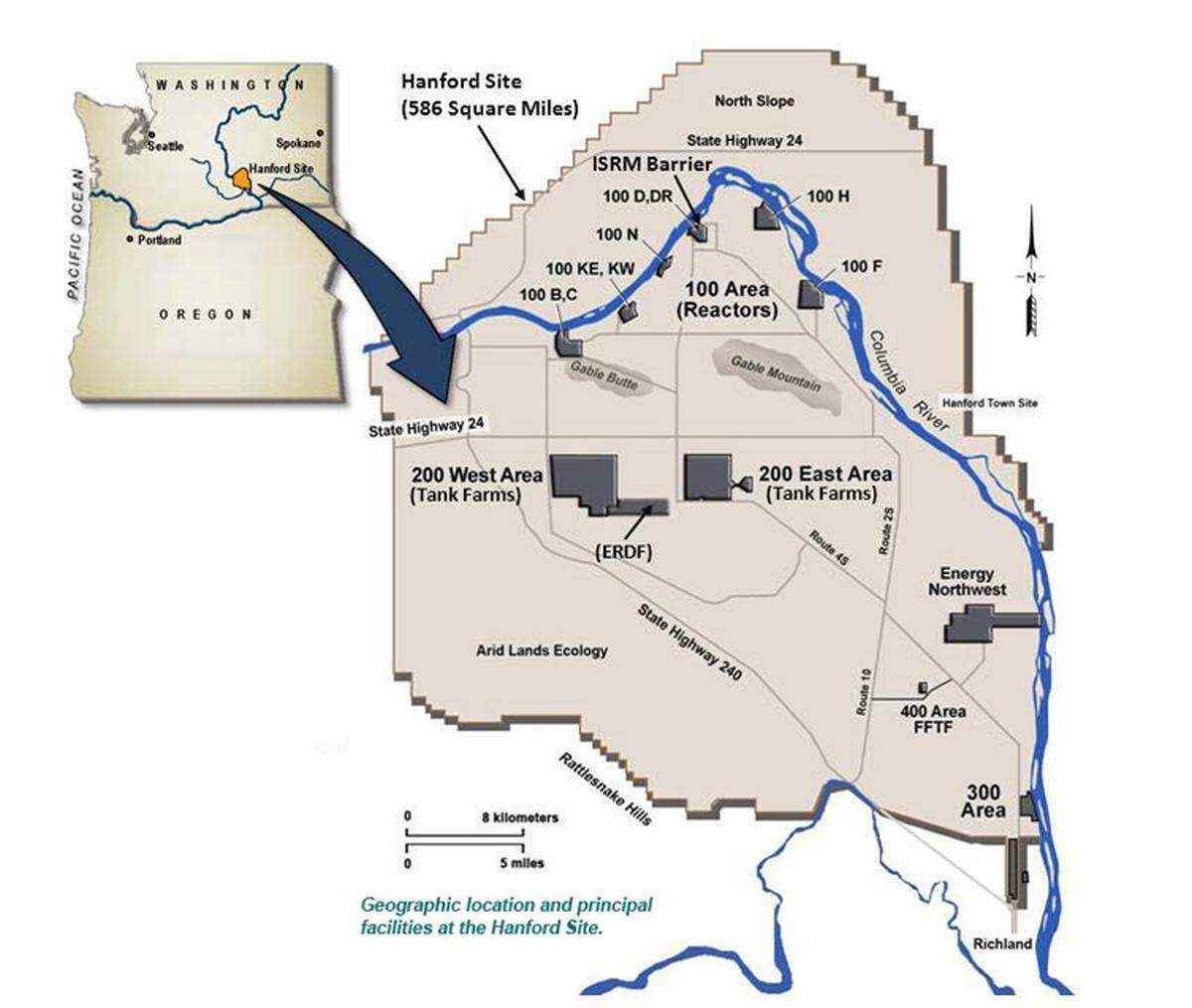
Cantwell also pressed Granholm on why millions of dollars of Hanford payments in lieu of taxes, or PILT, had been zeroed out of the Biden administration’s budget request. The payments, which have been made annually since 1994, provide money for Tri-Cities area schools, roads and other needs as the 580 square miles of the nuclear reservation have been removed from the tax rolls.
In January, Cantwell secured a commitment from Granholm during energy secretary’s confirmation hearing that she would put forth an administration budget proposal that would meet the Hanford environmental cleanup deadlines and requirements laid out in the legally binding Tri-Party Agreement.
The budget proposed in May by the Biden administration for Hanford is far more robust than the last budget proposed by the Trump administration, which would have cut $748 million from Hanford spending in the current year if Congress had not rejected those cuts.
But the Biden administration still proposed a $104 million cut from the current Hanford budget, even though matching the current budget would fall more than $900 million short of meeting Tri-Party Agreement cleanup requirements, according to Cantwell.
The current proposal would spend about $2.5 billion on Hanford in fiscal 2023, not including spending for security and some other costs.
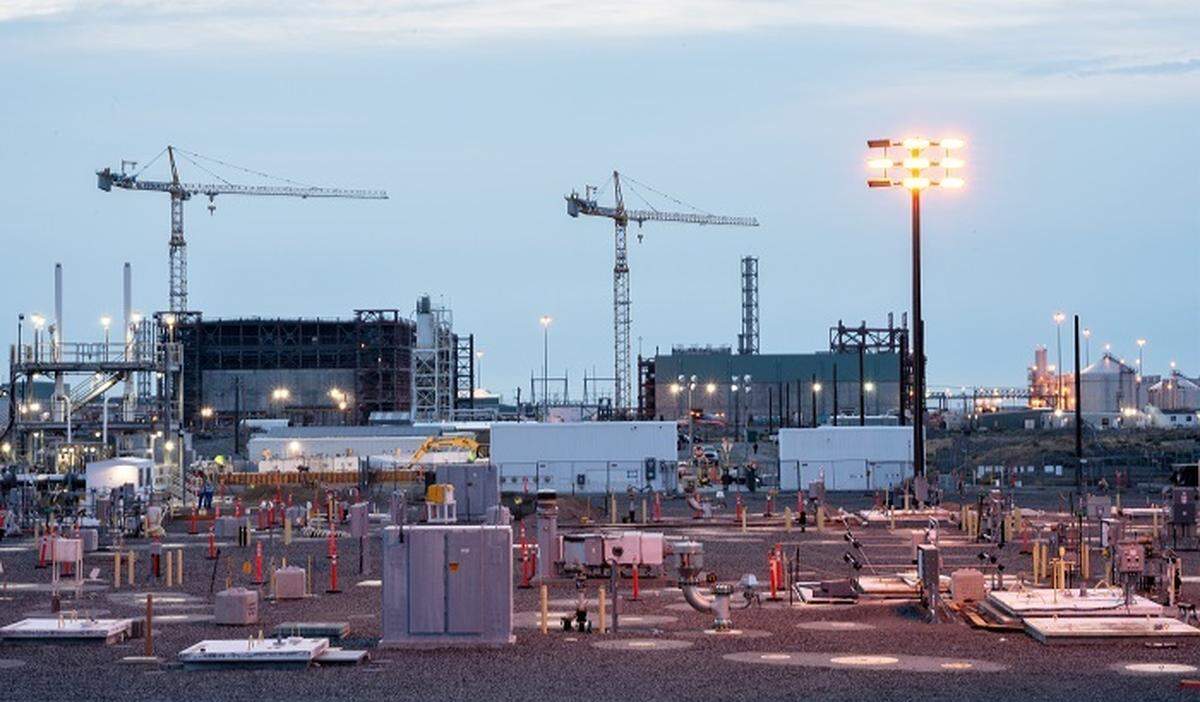
Granholm justified the proposed cut, saying that as the $17 billion vitrification plant prepares to start treating some of the least radioactive waste held in underground tanks, less money will be needed for construction.
“We are going to be starting that up hopefully next year, or maybe in 2023,” she said.
Hanford cleanup ‘on the cheap’
The Department of Energy is in negotiations with the state of Washington on work at the vit plant to treat the remainder of the tank waste, high level radioactive waste, with construction still to be done on parts of the plant that will handle high level waste.
“And so when those negotiations are finished, I look forward to coming back to you and seeing what we also need to add to the budget to account for those negotiations,” she said.
The DOE Hanford site manager came up with the figure on how much money would be needed to meet Tri-Party Agreement deadlines, and he would have taken work at the vit plant into consideration, Cantwell responded.
Cantwell also questioned Samuel Walsh, Biden’s nominee for DOE general counsel, about the need to honor the Tri-Party Agreement during his nomination hearing last week before the same Senate committee.
“Certainly, my view is the department should seek to meet all its obligations under the Tri-Party Agreement and consent decrees,” Walsh said.
Cantwell said she detected a little hesitation in his answer.
“Listen, we have the Tri-Party Agreement to hold the Department of Energy accountable,” Cantwell said. “And so this is not a state of Washington problem. This is a national problem, and the state is just holding the nation accountable for cleaning it up.”
Cantwell told both Granholm and Walsh that she’s seen a long line of new federal officials look at the Hanford budget and want to figure out how to “do cleanup on the cheap.”
“They never win it. By that I mean they’re never right. And it never gets done that way,” she told Granholm.
Tri-Cities PILT payments
Many residents of Washington state also are upset about the administration’s proposed budget that eliminates payments in lieu of taxes for Hanford area local governments and also local governments near the Savannah River, S.C., DOE site, Cantwell said.
Money for other DOE sites that request PILT would not be eliminated under the administration’s proposal.
According to a 2019 Government Accountability Office report, the amount of PILT payments to 12 DOE sites more than doubled between 1994 and 2017, with the payments made by Hanford and Savannah River sites accounting for the majority of the growth.
Hanford and Savannah River also have the most land eligible for the payments, according to the GAO.
Benton County officials have adjusted their PILT bills to the DOE in an expectation that a break in the bills would help ensure the money is paid, even as Benton County land, including land that would likely be used for vineyards were it not for Hanford, have risen in value.
“PILT funding is intended to compensate local governments for taxes that they cannot collect from the federal government,” Cantwell said. Payments are used for schools, roads, libraries, hospital districts, human services and indigent veterans.
She said it was surprising that payments that account for only a small part of the Hanford budget, 0.2%, are being eliminated.
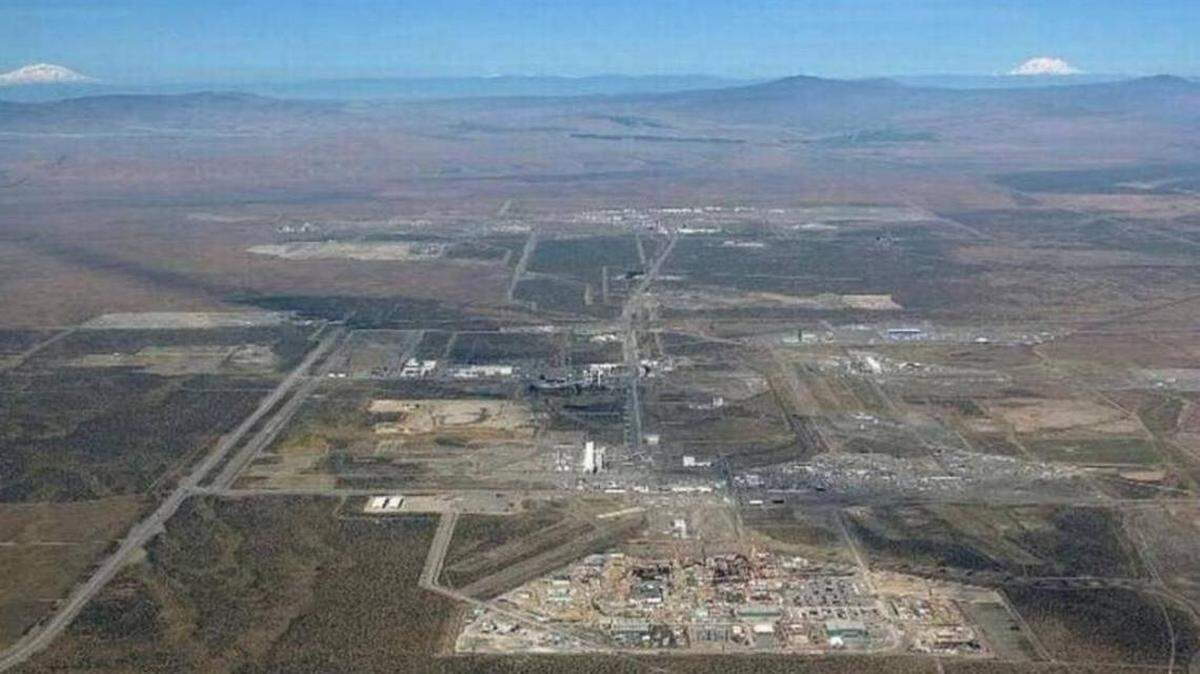
Benton County billed $3.8 million this year, with much of it to be distributed to schools. Parts of the nuclear reservation also extend into Franklin and Grant counties, which bill smaller amount for less land used by the site.
Granholm responded that PILT payments have historically been cut in the administration’s proposed budget to Congress, but that Congress ultimately finds money for it.
“I just look forward to working with you on it,” she told Cantwell.
The cut sends the wrong message to the Tri-Cities community, which has worked for decades to produce plutonium for the nation and then to clean up contamination left behind, Cantwell said. It says “that we don’t care about what it takes for them as a region to pay for education.”
The Hanford site was used from World War II through the Cold War to produce about two-thirds of the plutonium for the nation’s nuclear weapons program.
Newhouse on PILT cuts
Rep. Dan Newhouse, R-Wash., also weighed in on Tuesday on the proposed elimination of PILT payments next year.
“The Biden administration’s proposal is absolutely unacceptable for our communities who are bearing the burden of the Department of Energy’s largest environmental cleanup project in the United States here at the Hanford Site in Central Washington,” he said in a statement.
PILT payments are a lifeline for rural communities with nontaxable federal lands, he said.
“Without this funding, our rural communities will face devastating budget shortfalls as they juggle planning and paying for basic services like public safety, firefighting, social services, and transportation with a reduced local tax base,” he said. “I am committed to reversing this terribly misguided move by the Biden administration.”
This story was originally published June 16, 2021 at 10:22 AM.