
These officers want to end dangerous Hanford driving. What’s stopping them?
Illegal passing. Talking on cellphones. Speeding.
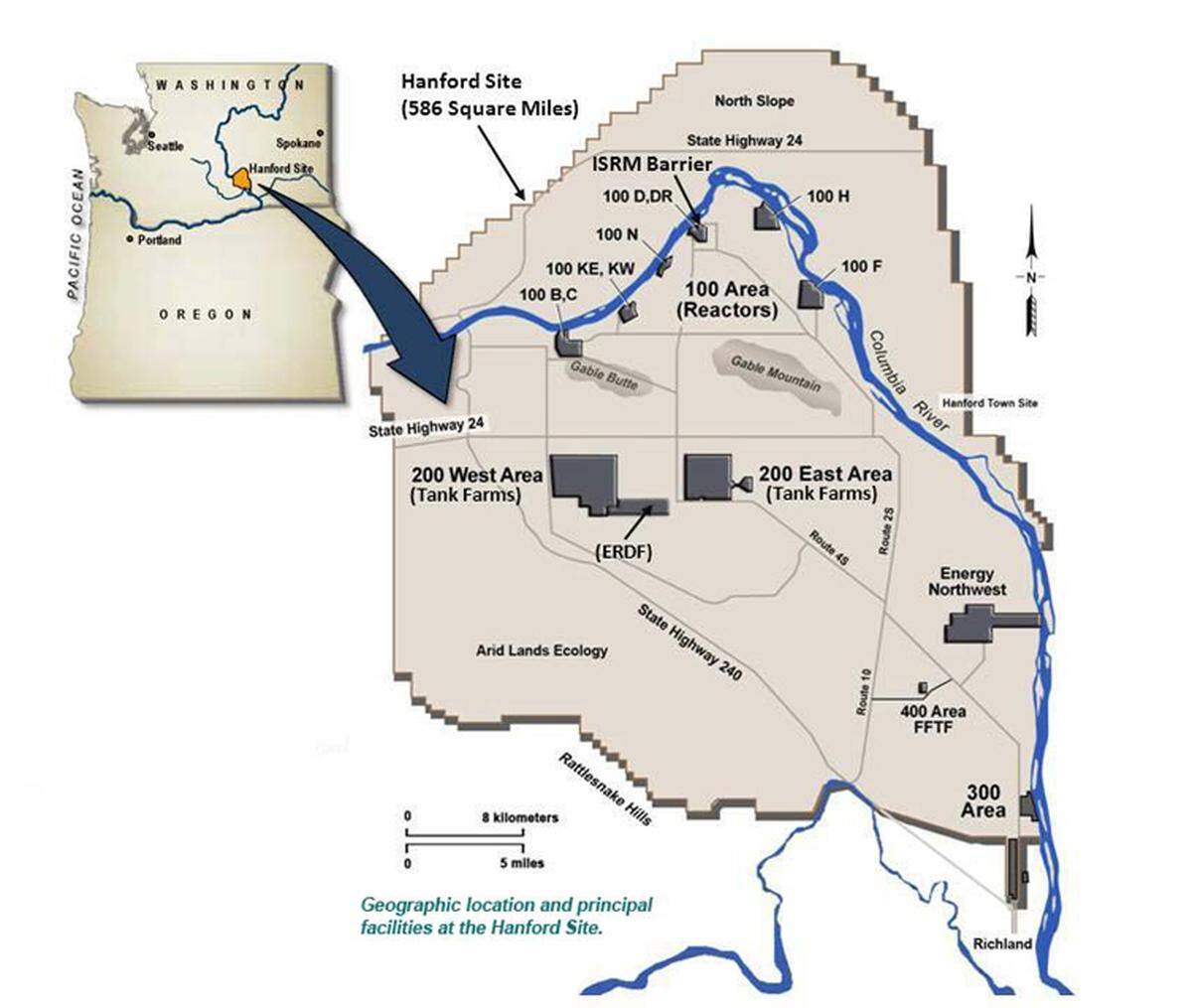
Dangerous driving has been a problem for years on the two-lane roads of the Hanford nuclear reservation.
And, once again, the Hanford Guards Union is asking the federal government to allow it to help deal with drivers who break the law.
A deadly crash last month has renewed union concerns.
A Hanford tank farm employee who was passing traffic on the site during the morning commute Oct. 10 hit the pickup truck of a Hanford patrolman who was just getting off work.
The driver who was passing, Rajagopal “Raj” Ganapathy, died and patrolman Tim Johns suffered broken bones and other internal injuries.
“Speeding, reckless driving, distracted driving, and failure to obey signs are a daily occurrence and have been the cause of many accidents on, and off, the Hanford site,” said Pattrick Murphy with the Hanford Patrol and the guards union.
The Department of Energy contracts with the Benton County Sheriff’s Office to enforce traffic laws.
But a 2010 traffic study commissioned for DOE said the federal agency should consider using Hanford Patrol officers to help sheriff’s deputies enforce driving laws involving thousands of workers on the massive nuclear site.
“The Hanford Guards union has been fighting to get some form of traffic authority for many years,” said Murphy in a statement prepared for the Herald.
After each crash the guards union renews its request to DOE Hanford officials, it said.
Hanford focused on traffic safety
DOE declined to comment on the issue because its contractor Mission Support Alliance is in negotiations with the guards union over a collective bargaining agreement.
Murphy contends the federal agency doesn’t want the liability.
Instead, DOE has been trying to tackle traffic safety in other ways in recent years.
After the 2010 traffic study, pull-out areas were added on some roads to make it easier for Benton County deputies to stop offenders on two-lane roads.
The roads can be lined bumper-to-bumper with traffic as thousands of workers make the morning and late afternoon commute through the site.
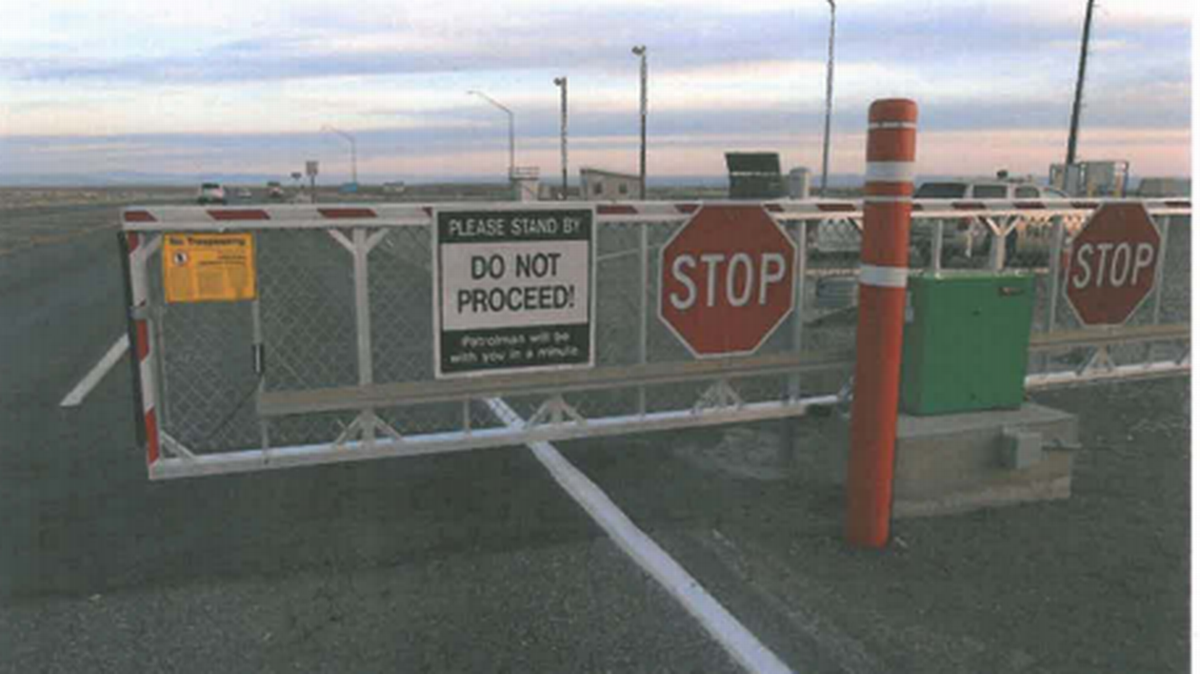
All drivers must funnel through three security barricades to enter and leave the portion of the site that’s off-limits to the public.
DOE also tried a pilot project to see if raising some speed limits from 55 to 60 mph would reduce aggressive passing.
More recently the site has been electronically tracking driving behavior in some site-owned or -leased vehicles, with a goal of encouraging safer driving.
And, in February, DOE and Hanford’s main contractors agreed to a sitewide “observe and report” procedure.
Workers were told in a memo that Hanford Patrol officers would be reporting traffic violations such as speeding, failing to yield, cellphone use while driving and not wearing seatbelts.
The patrol would relay information to the vehicle owner’s manager and the human resources department for possible further action, the memo said.
Workers also are encouraged to tell Hanford Patrol officers if they spot erratic driving, but it can be difficult to identify a particular employee.
The program has not worked well, said the guards union.
“It is absolutely not a deterrent,” said Tom Farris, the union’s business agent. “We see on a daily basis people driving erratically, putting lives in danger.”
Every year the Hanford Patrol has a safety summit, and traffic safety is often the top safety concern, he said.
Farris contends giving Hanford Patrol more authority over traffic would serve as a deterrent because workers would know there are more eyes on drivers.
Hanford workers can help
He sees cars slowing down when they see a sheriff’s car, then “it’s off to the races,” he said.
Also, if there is an emergency elsewhere in the county, the deputies assigned to patrol Hanford can be pulled off the site, he said.
Although the number of guards is not made public for security reasons, they far outnumber the limited number of sheriff’s deputies assigned to the site under the terms of the county’s Hanford contract.
DOE did not immediately make the contract available to the Herald last week. The Herald has filed a Freedom of Information Act request.
The union is not proposing replacing the Benton County deputies, just using them to supplement county enforcement.
Security, including safeguarding nuclear materials, remain the guards’ main responsibility.
Although federal regulations for protective forces do not include traffic enforcement as a duty, the union believes its workers are charged with protecting DOE property and assets, which include its workers.
Murphy said the Hanford Guards Union is encouraging Hanford workers to support the effort.
“We need employees reaching out to DOE . . . and telling them that enough is enough — that your safety does matter,” he said.
This story was originally published November 10, 2019 at 12:17 PM.