50+ Tri-Cities school water fountains and more replaced for high lead levels
AI-generated summary reviewed by our newsroom.
- Tri-City schools replaced about 54 fixtures after recent lead testing.
- School districts staring down June 30 deadline by WA to test all fixtures.
- Kennewick replaced 29 fixtures, Pasco 23 and Richland just 2.
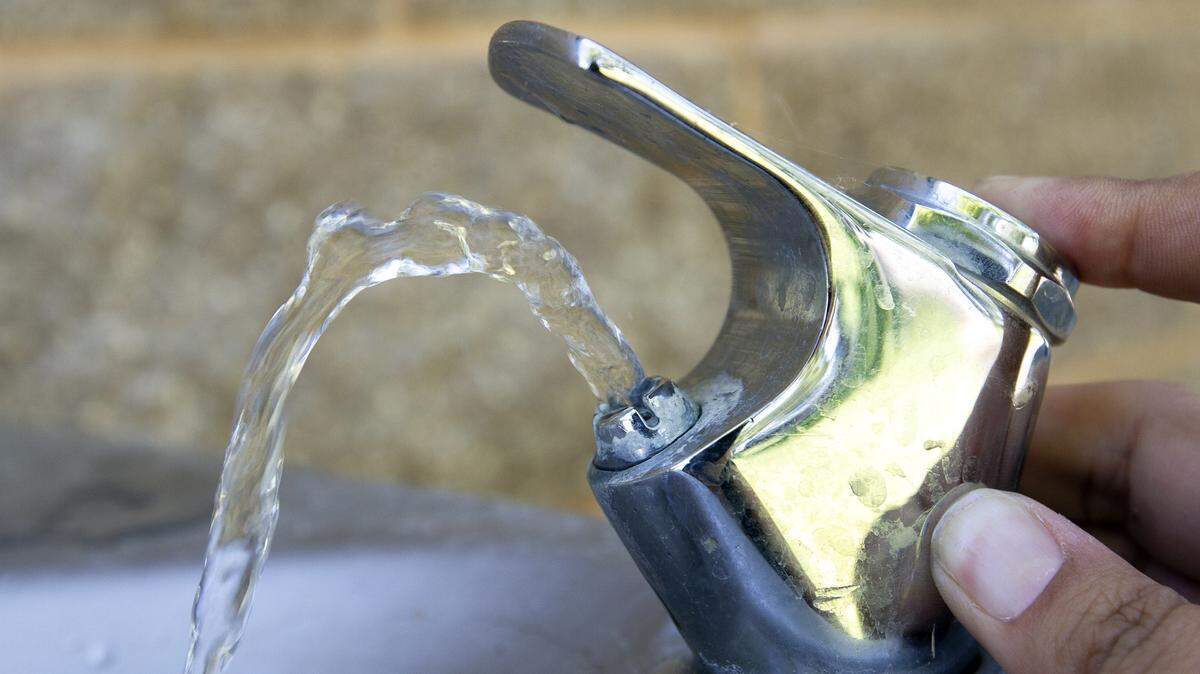
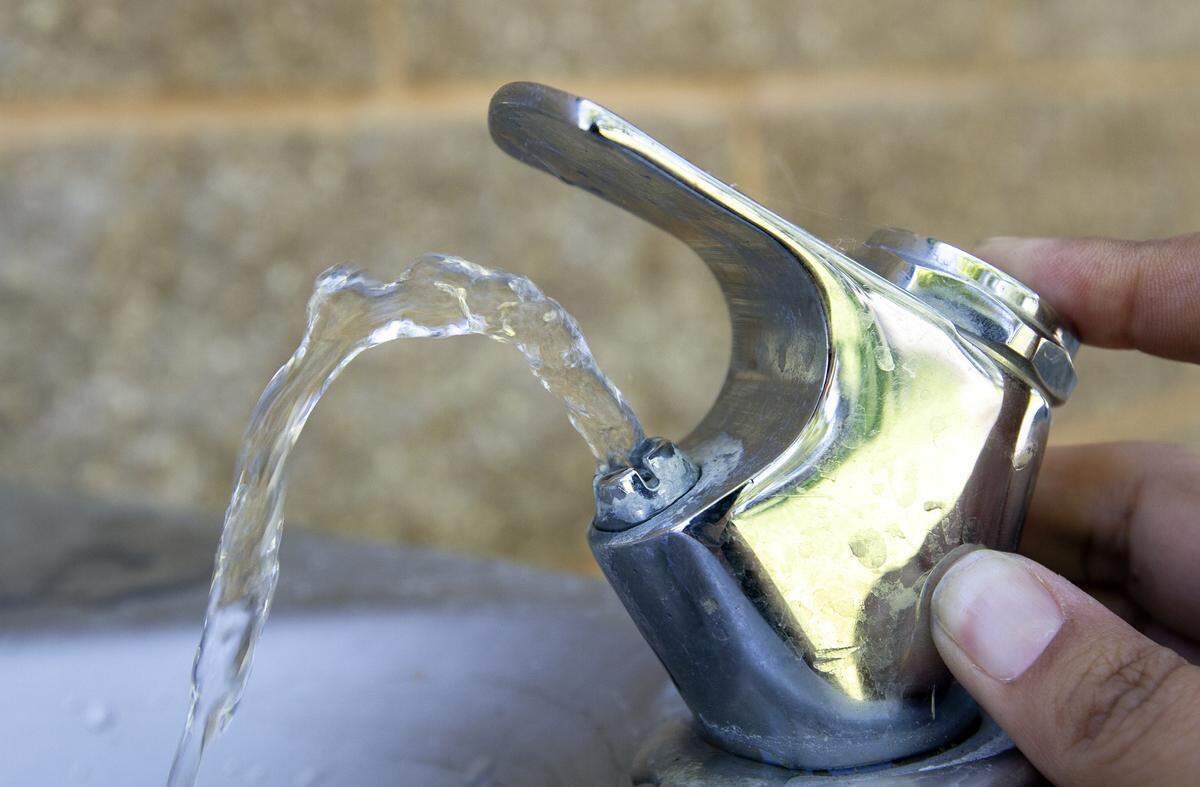
Tri-Cities schools collected hundreds of water samples this school year to test for lead contamination, resulting in about 54 faucets, water fountains and sinks being replaced.
That’s according to 2026 lead action reports recently published by Kennewick, Pasco and Richland school districts. Post-remediation testing is ongoing at several Tri-City schools that made the fixes.
Washington state’s Department of Health requires by law that all fixtures in school buildings built or replaced before 2016 be tested by June 30 of this year, then retested every five years.
Water contaminated with lead is unhealthy for young children or pregnant women. Even low levels of the contaminant in drinking water can impact IQ levels, reduce attention spans and cause other harmful physical and behavioral effects, according to the Department of Health.
Lead is traditionally found in older buildings with aging water fixtures, but it’s almost always limited to individual units, old components or low-use outlets — not the plumbing in buildings.
In the last three years alone, thousands of water samples have been collected across dozens of school buildings in Benton and Franklin counties. In general, elevated results locally have been far lower than the statewide average.
Schools engage in a process to sample, test, remove from service, provide maintenance and resample impacted fixtures. Fixtures are not turned back on until they’re tested for safe levels.
No action is required for outlets that test between 0-5 parts-per-billion (ppb). Short-term remediation is required if they test above 5 ppb, and the school is required to immediately shut the fixture off if the sample exceeds 15 ppb.
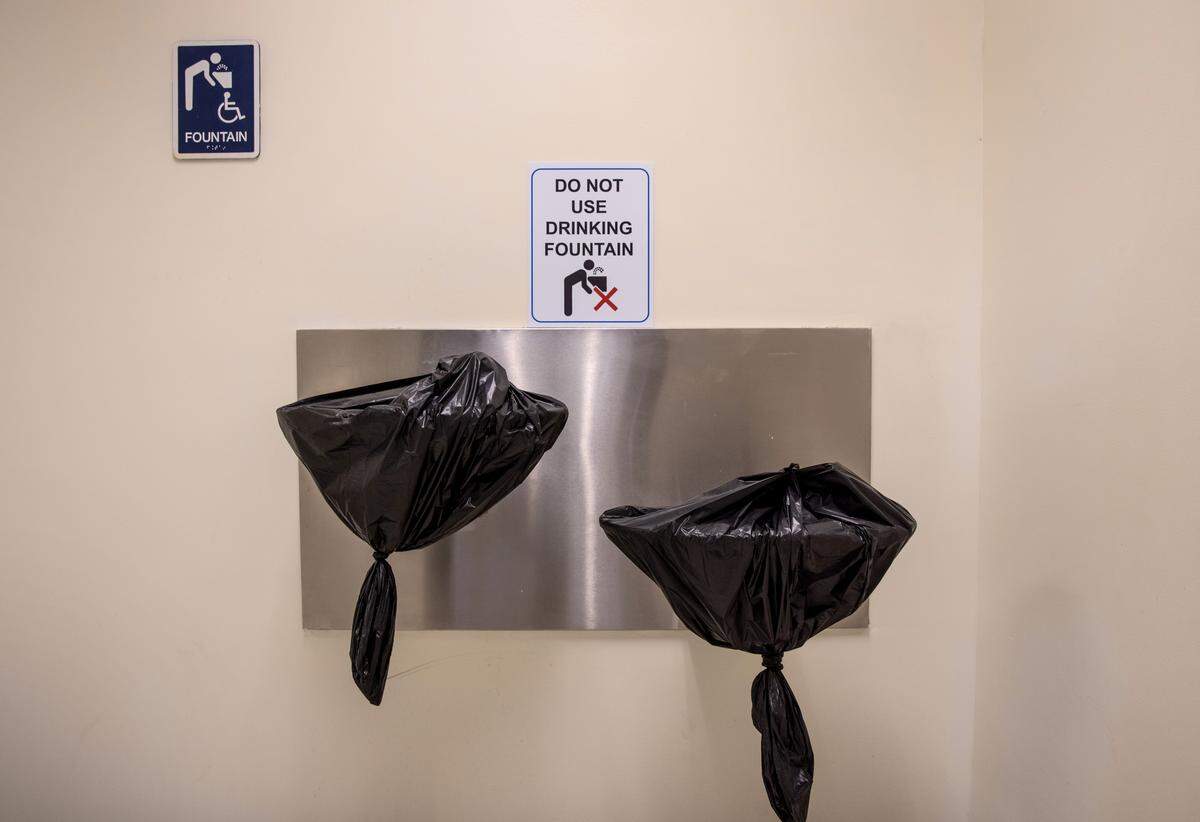
Immediate “mitigation” efforts are done to prevent exposure, and include shutting off the outlet or labeling it as “hand wash only.”
“Remediation” involves short-term or permanent actions to reduce lead concentrations in drinking water to 5 ppb or less.
Pasco School District
Pasco School District collected 432 samples between April 2025 and February 2026. Just 32 of those samples, or fewer than 8%, returned results that exceeded 5 ppb and required action.
“Overall, most of the district’s outlets have tested below the state action levels... Any outlet above state action levels is shut off immediately, replaced and repaired, and returned to service only after retesting confirms it meets DOH standards,” a district spokesperson said in a statement.
Altogether, the district replaced 23 water fixtures to bring them up to standard.
That includes 13 at Pasco High School, five at McLoughlin Middle School, four at Ellen Ochoa Middle School and one at the administration’s C.L. Booth Building.
One of those replaced was a drinking fountain in Classroom 207 at Ellen Ochoa Middle School, which returned a test of 316 ppb — 21-times higher than level required for immediate shutoff. After it was replaced, a February sample showed it test at 3.1 ppb, though the district added that it “had been out of use prior to the testing event.”
At Pasco High, water from a faucet in Classroom 256C returned a result of 212 ppb. The quality improved to 3.9 ppb after the fixture was swapped.
Of the outlets identified for fixes in Pasco’s plan, mean initial samples fell from 39 ppb to 1.97 ppb after remediation.
Pasco School District has been proactively engaged in sampling for lead since 2018, and administrators say they are completely finished with the state-mandated testing in time for the deadline.
“We will continue to work closely with DOH, the local health district and third-party experts to ensure safe drinking water across all schools,” the district said.
Kennewick School District
Kennewick replaced 29 water fixtures.
Those include a dozen at Southridge High School, five at Horse Heaven Hills Middle School, four at Cascade Elementary, three at Cottonwood Elementary, and one each at Kamiakin High, Vista Elementary, Edison Elementary, Highlands Middle School and Southgate Elementary.
Other efforts did not require full-on fixture replacements, but instead included cleaning water lines, installing filters or flushing the system. In total, remediation was done on 37 fixtures this year.
The district identified and corrected 11 outlets with elevated lead levels above 15 ppb — more than half of those at Southridge High. But most were identified as units with “little to no regular use,” according to the district’s lead action plan.
After getting the test results, maintenance workers removed the fixtures promptly and replacements were ordered and installed when they arrived, said the district.
Outlets with the highest concentration of lead include a pot-filler in the Southridge kitchen that tested at 74 ppb, a sink in Southridge’s C124 Workroom at 22 ppb and a pot-filler in the Kamiakin kitchen at 20 ppb.
All three were removed from service, and two were replaced with new fixtures. The district is still awaiting results from follow-up testing.
A presentation on Kennewick’s lead action plan will come before the school board on May 27, and the plan will be formally adopted at a future meeting, said Ryan Jones, the district’s capital projects manager.
Kennewick has sampled more than 1,000 drinking water fixtures throughout the district in partnership with the health department.
Richland School District
Richland School District replaced just two fixtures at Fran Rish Stadium and Lewis & Clark Elementary School in March. Both samples were collected in January.
An unspecified sink-drinking fountain at Lewis & Clark tested at 12 ppb, while the visitors side concession sink at Fran Rish tested at 9 ppb. Both were removed and swapped with lead-free fixtures, and the sink-drinking fountain received a new supply line.
Some Tri-City fixtures taken out of service
Not all water outlets with positive tests were replaced though. Some were permanently put out of service this year because they either were low-traffic areas or weren’t in use.
Kennewick removed and capped a fountain-tap combo in portable room P3B at Canyon Elementary School that tested at 11 ppb. It’s not being replaced because the building is used only for storage.
Pasco permanently removed four fixtures from service, including Classroom 113’s drinking fountain at Pasco High School (initial test at 19 ppb), the staff lounge ice machine at Chiawana High School (12 ppb), Classroom 1115’s ice machine at Chiawana (11 ppb), the staff lounge sprayer at Chiawana (8 ppb).
Richland was not required to permanently close any of its tested fixtures.
This story was originally published May 20, 2026 at 12:58 PM.