A dozen Tri-City schools find high lead levels in drinking water
AI-generated summary reviewed by our newsroom.
- Water samples at Tri-City schools found 38 fixtures exceeded lead limits.
- About 6% of Tri-City samples topped 5 ppb; 2% surpassed 15 ppb and were shut off.
- Two classrooms at Virgie Robinson Elementary had lead in water 40 times the legal limit.
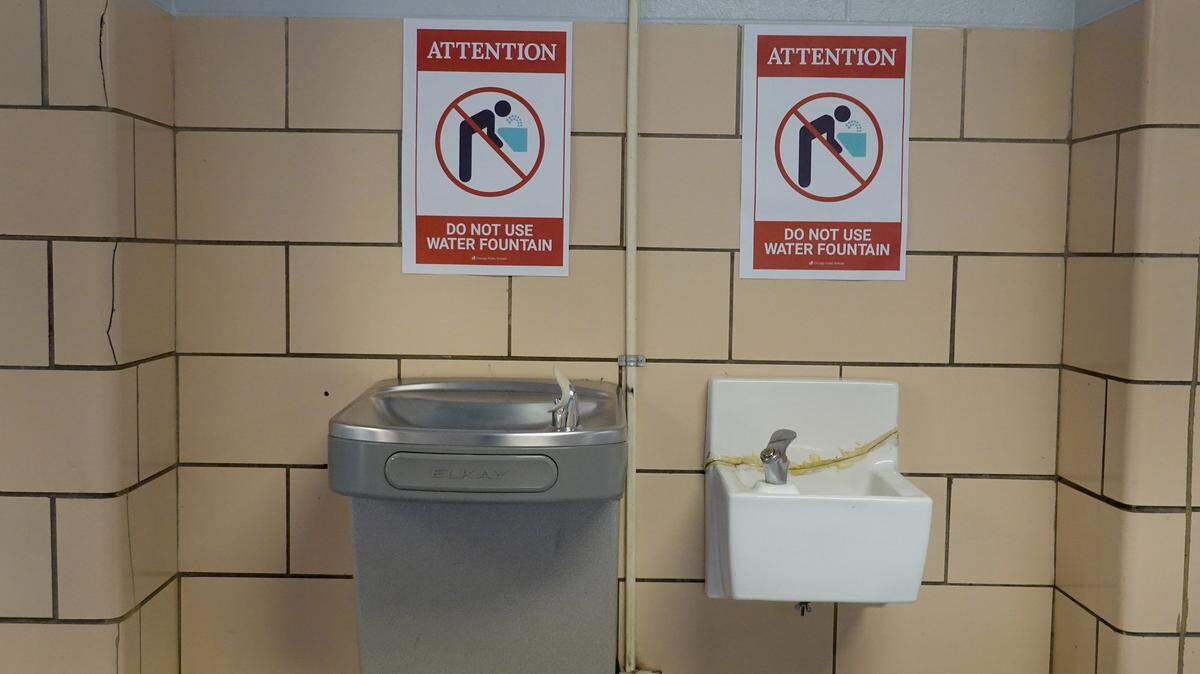
About 38 drinking fountains and sinks in more than a dozen Tri-City public schools had high levels of lead in them, according to recent test data provided by the Washington State Department of Health.
More than 2,100 water samples have been collected in schools throughout Benton and Franklin counties over the last three years. About four in every five samples were collected from Pasco schools.
Results show about a quarter of samples had trace amounts of lead in them or higher. The other three-quarters of samples were lead free.
Water contaminated with lead is unhealthy for young children or pregnant women. Even low levels of the contaminant in drinking water can impact IQ levels, reduce attention span, and cause other harmful physical and behavioral effects, according to DOH.
Lead is traditionally found in older buildings with aged wager fixtures. But school officials say the substance is almost always limited to individual units, not building plumbing, as well as old components or low-use outlets.
No action is required for outlets that test between 0-5 parts-per-billion (ppb). Short-term remediation is required if they test above 5 ppb, and the school is required to immediately shut off the water if the sample exceeds 15 ppb.
Schools are required to adopt an action plan to clean water and improve infrastructure if at least two tests return results higher than 5 ppb.
The spree of recent statewide testing and enhanced state regulations stem from a 2021 bill passed by the Washington Legislature that mandates testing on buildings built, or plumbing replaced, prior to 2016, and requires regular testing on sources thereafter.
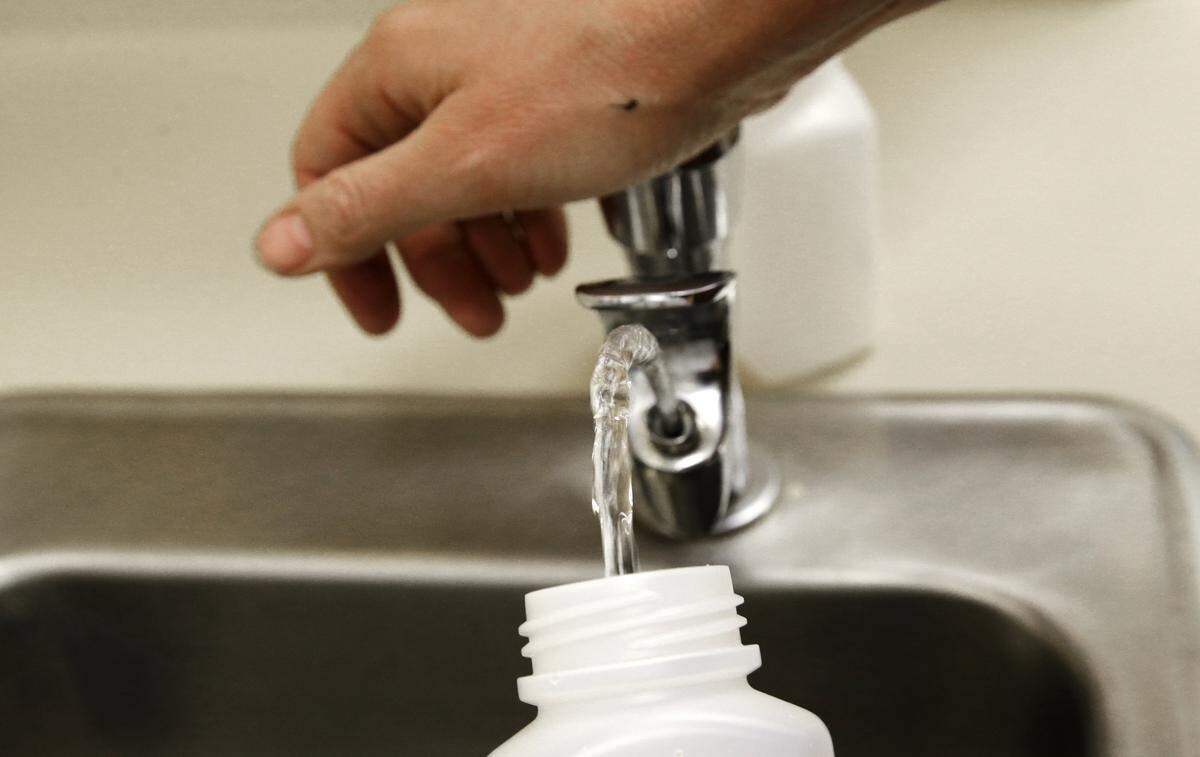
Some Pasco schools see high lead results
About 6% of recent Tri-City samples tested above 5 ppb, while 2% exceeded 15 ppb and had to be turned off immediately.
That’s pretty good compared to statewide results. Nearly 17% of samples collected during the 2024-25 school year were above 5 ppb, while 5% exceeded 15 ppb.
It also shows earlier efforts by Tri-Cities administrators nearly a decade ago are paying off.
Two sink-fountain combination fixtures located in classrooms at Virgie Robinson Elementary School had lead samples nearly 40 times the limit for shutoff.
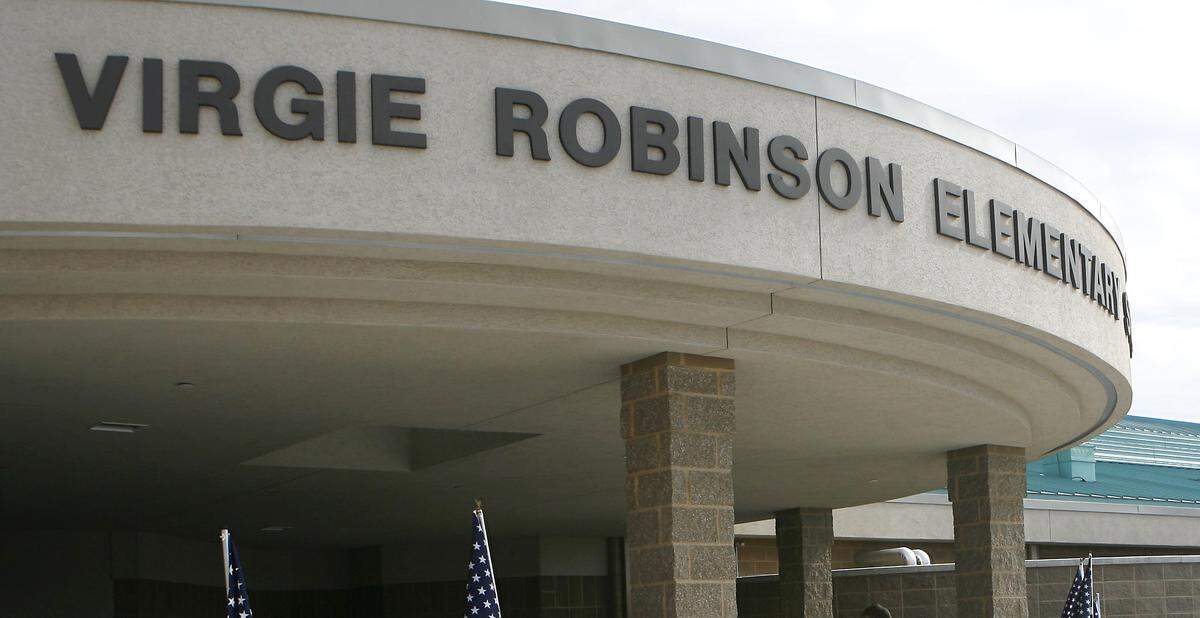
The October 2024 remedial testing showed 692 ppb in room 186 and 610 ppb in Room 210. A district spokesperson said the fixtures were immediately removed from service, replaced and turned back on after testing showed the water was clean.
An initial test conducted on a Pasco High School outlet on May 14 of this year returned a result of 212 ppb. Next month, on June 11, another initial test on an Ellen Ochoa Middle School outlet returned 316 ppb.
Those fixtures have both been removed from use, but the replacement and resampling are still in progress. The district is weighing permanent removal of some of the school’s low-use fixtures.
Between March 2023 and this past spring, two dozen water fixtures tested in 10 Pasco schools saw lead exceed the 15 ppb required for immediate action.
The district has done proactive lead testing in school drinking water since 2018. Testing and remediation has been complete at all elementary schools, and is currently underway at secondary schools.
“Overall, PSD’s elevated results are far lower than the statewide average, and most outlets test well below state action levels,” a Pasco spokesperson said in a statement. “We continue to work closely with DOH, the local health district, and third-party experts to ensure safe drinking water across all schools.”
Pasco isn’t the only school district reporting and addressing high levels of the contaminant.
Across the Evergreen State, more than 1,000 water sources were found to contain lead levels above state safety standards, according to a recent report by KING5.
Silver Beach Elementary School in Bellingham had the state’s most contaminated fixtures — sinks in two classrooms reported 4,853 and 4,375 ppb — and have worked to resolve the issues.
Water is considered hazardous waste at 5,000 ppb.
At least three-quarters of schools tested in recent years have returned at least one outlet that tested above the legal threshold, the Spokesman Review reports.
18 Kennewick schools will test, Richland finds less lead
Richland School District conducted more than 150 tests since May 2023. Fifteen resulted in some levels of lead, though none exceeded critical amounts that would require staff to shut them off.
The highest result was an initial test conducted at a sink in the kitchen of Sacajawea Elementary School. That returned 12 ppb.
A sample from a concession building sink at Richland High School returned a 9 ppb, and a fountain-tap combination in room 152 at Lewis and Clark Elementary also returned 9 ppb.
Kennewick has not reported any results to the Department of Health since required testing began in 2022, but 18 schools are slated to undergo testing this school year, with results expected to be published in the coming months.
Tri-City school districts undertook large-scale efforts prior to 2017 to test thousands of fixtures and replace piping and water infrastructure across dozens of buildings.
Kennewick replaced or shut off 54 water faucets and 20 drinking fountains in 2017 after more than 1,100 tests for elevated levels of copper and lead were conducted.
Richland worked with the city government and Energy Northwest to collect 70 samples by early 2017, which confirmed no elevated levels of lead.
Pasco schools threw out 16 troubled faucets and replaced them in 2017 — mostly at Captain Gray Elementary School — after testing 1,100 fixtures. Those impacted produced water that exceeded 15 ppb.
The state Department of Health began taking voluntary samples from school districts shortly after Tri-Cities’ efforts, in January 2018.
Between 2017 and 2020, initial testing of more than 550 elementary schools statewide found that half had lead contamination of 15 ppb or more.
This story was originally published December 1, 2025 at 5:05 AM.