Bus driver shortage means most Pasco kids could start school at a new time
AI-generated summary reviewed by our newsroom.
- Pasco School District proposes eliminating about 30 routes to be implemented for fall.
- Proposed schedules shift start and end times for multiple schools for fall 2025.
- After changes the district would need about 130 drivers, down from the 160 needed.
Big changes to bell schedules and bus routes could be in store for one Tri-City school district.
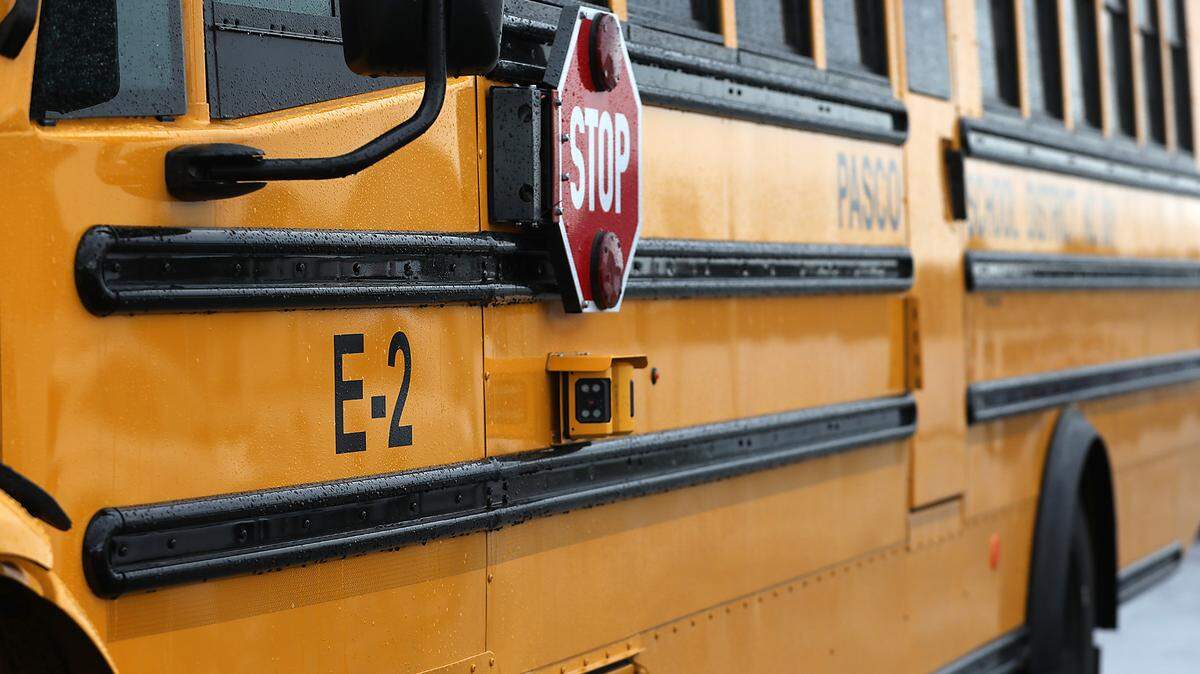
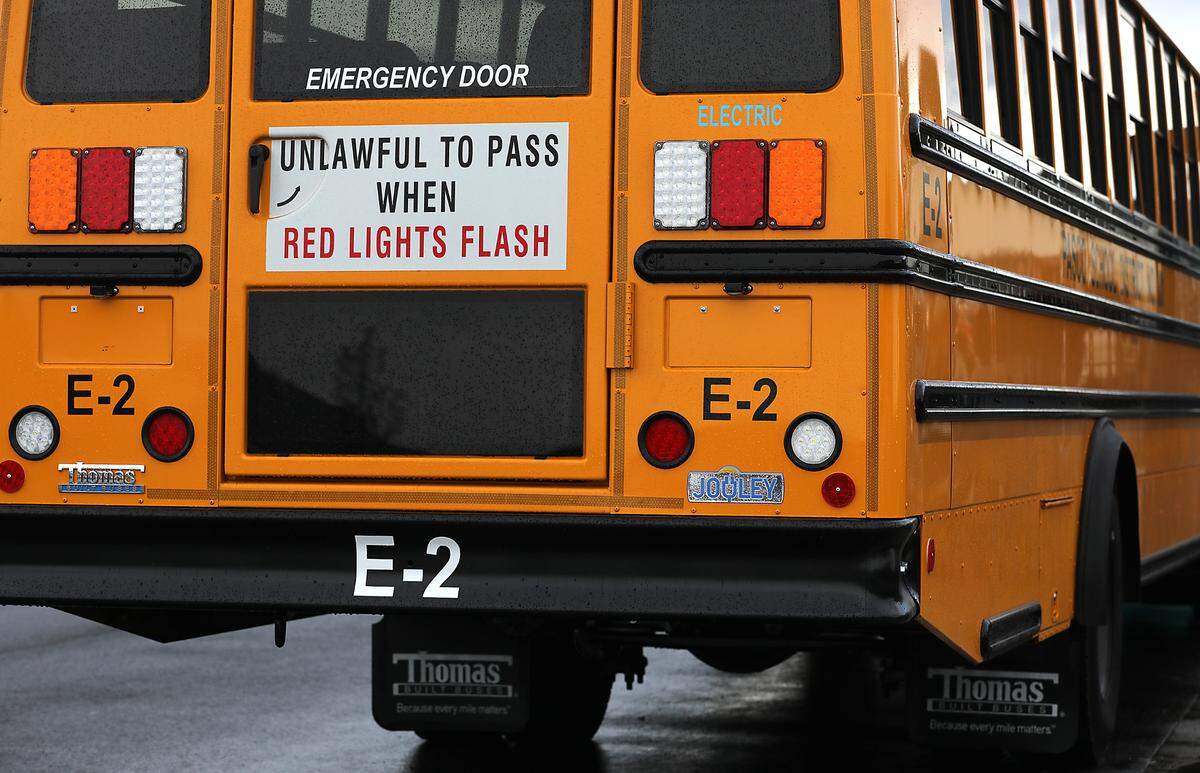
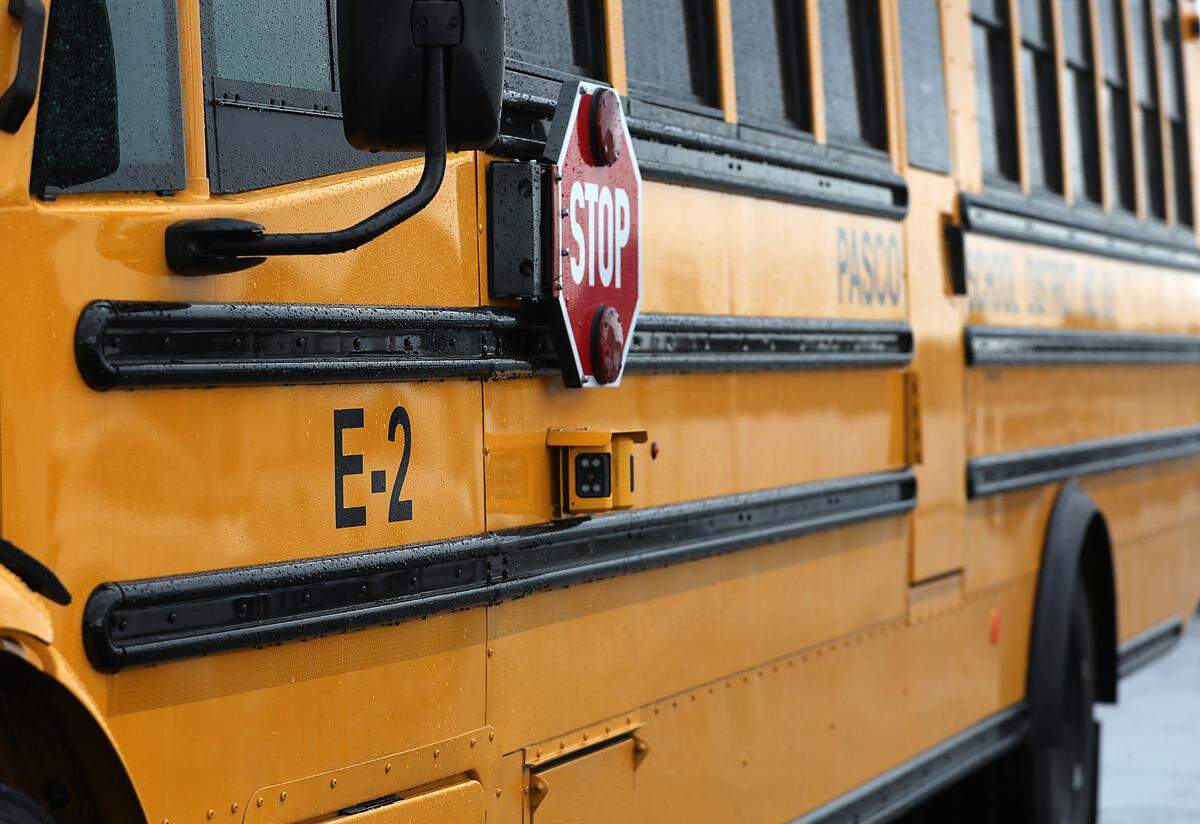
Pasco School District administrators are proposing modifications to school bus drop-off times, school start times and bus pick-up times in response to the opening of two new high schools and an ongoing driver shortage that has impacted the reliability of its bus systems.
These proposed changes would be implemented in time for students’ return in the fall.
The restructure would eliminate about 30 routes, and would bring about much-needed efficiencies. It’s expected to help reduce duplicate bus runs, lower fuel consumption costs due to efficient routing, and reduce the demand for overtime work.
To accomplish this, Pasco drivers will increase the time between routes to 40 minutes or more, which will allow them to complete more daily routes. The district is also creating transportation “zones” based on the proximity of schools.
Mira Gobel, Pasco’s assistant superintendent of schools and students supports, said their current transportation structure is just no longer sustainable at the scale and complexity of operations that they’re working with today.
More than 20 daily routes regularly run late, she says.
“At the core, our goal is to improve overall transportation efficiency in ways that directly impact students and families. This means ensuring students arrive to school on time and return home on time, consistently and reliably,” Gobel said.
Here’s how each schedule would change, as compared to the 2025-26 school year schedules:
- Comprehensive high schools: Drop-off 10 minutes earlier, start school 15 minutes earlier and end school 20 minutes earlier.
- Orion High School: Drop-off 15 minutes earlier, start school 15 minutes earlier and end school 20 minutes later.
- Middle schools: Drop-off 45 minutes later, start school 35 minutes later and end school 38 minutes later.
There is no proposed schedule changes to Delta High School or New Horizons High School.
The change will unify start and end times across all the district’s elementary schools. Here are the changes for elementary schools:
- Westside elementary schools: Drop-off remains the same, start school 5 minutes later and end school 5 minutes later.
- Eastside elementary schools: Drop-off 45 minutes later, start school 45 minutes later and end school 45 minutes later.
- Markham Elementary School: Drop-off 15 minutes later, start school 15 minutes later and end school 15 minutes later.
The district has about 115 bus drivers on its payrolls, but its current routes and schedules require about 160. The change will ease stresses in the transportation department as it continues a hiring spree, instead requiring about 130 drivers to operate efficiently.
It will also unify early release schedules across all K-12 schools. There are currently three different release schedules based on types of schools.
“Throughout all of this, we are committed to maintaining current or very similar levels of instructional minutes,” Gobel said. “That was a non-negotiable that we wanted to make sure we would prioritize. This is not about reducing learning time, but rather about redesigning systems that are better supported, so students actually maximize the learning time that we have designed by getting to school on time.”
Before the change gets a final sign off, it will need to be negotiated with unionized transportation staff. A communications plan is in the works to get the word out to families.
It’s unclear how much in fuel and staffing costs the change will save Pasco School District.
The district in recent years has been cutting back in services and staffing as student enrollment — which drives budget decisions — dips and as inflation continues to impact the price of goods, labor and services.
Public K-12 school districts across the country have felt the impacts of bus driver shortages for many years. Those shortages were especially harsh in the few years immediately after the COVID healthy pandemic.
Districts in Richland and Kennewick regularly compete with Pasco to attract pools of drivers with competitive pay and paid training.
About half of the nation’s 55 million public school students ride a bus to school. Roughly 4-in-5 school administrators say bus driver shortages are a problem in their district, according to a 2025 survey.