How ‘damaging’ WA preschool cuts will affect Tri-Cities area kids
AI-generated summary reviewed by our newsroom.
- WA lawmakers passed steep 25% cuts to Transition to Kindergarten funding this year.
- The cuts to the evidence-based program will reduce seats by about 2,000 statewide.
- Prosser is drafting its budget to try to fund some or all of the lost seats.
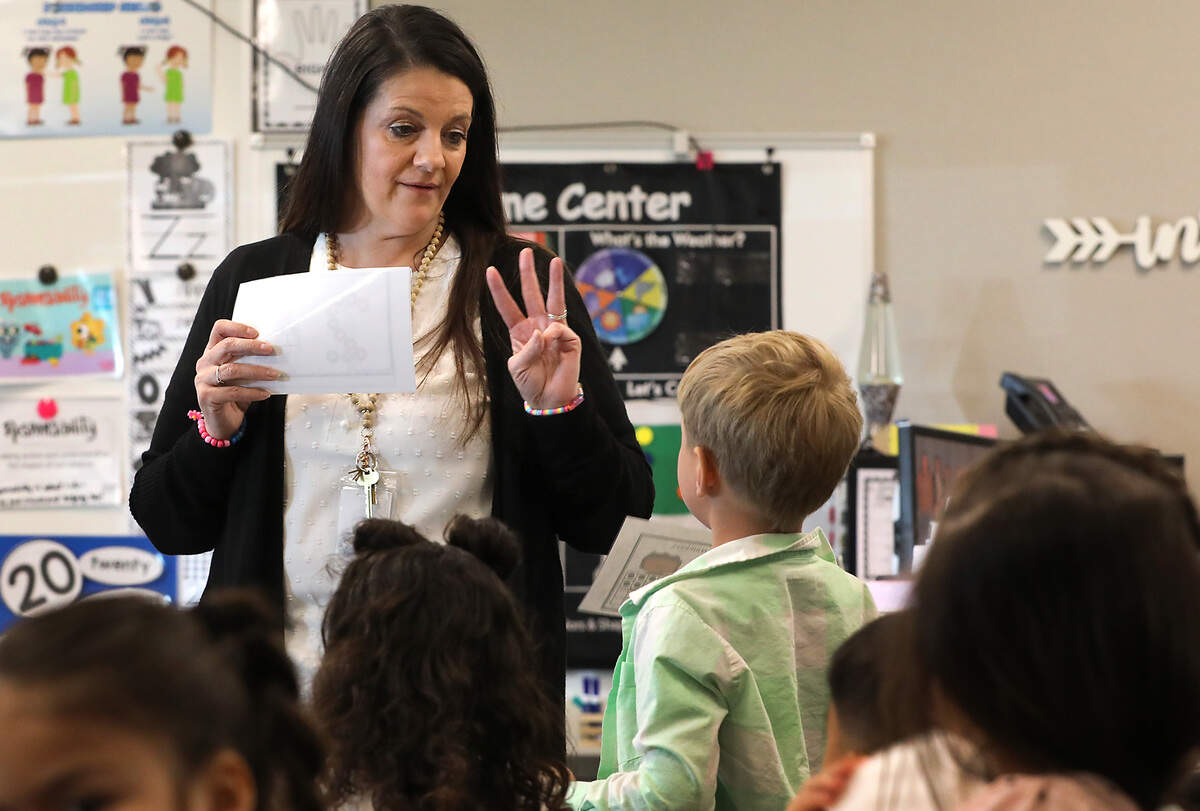
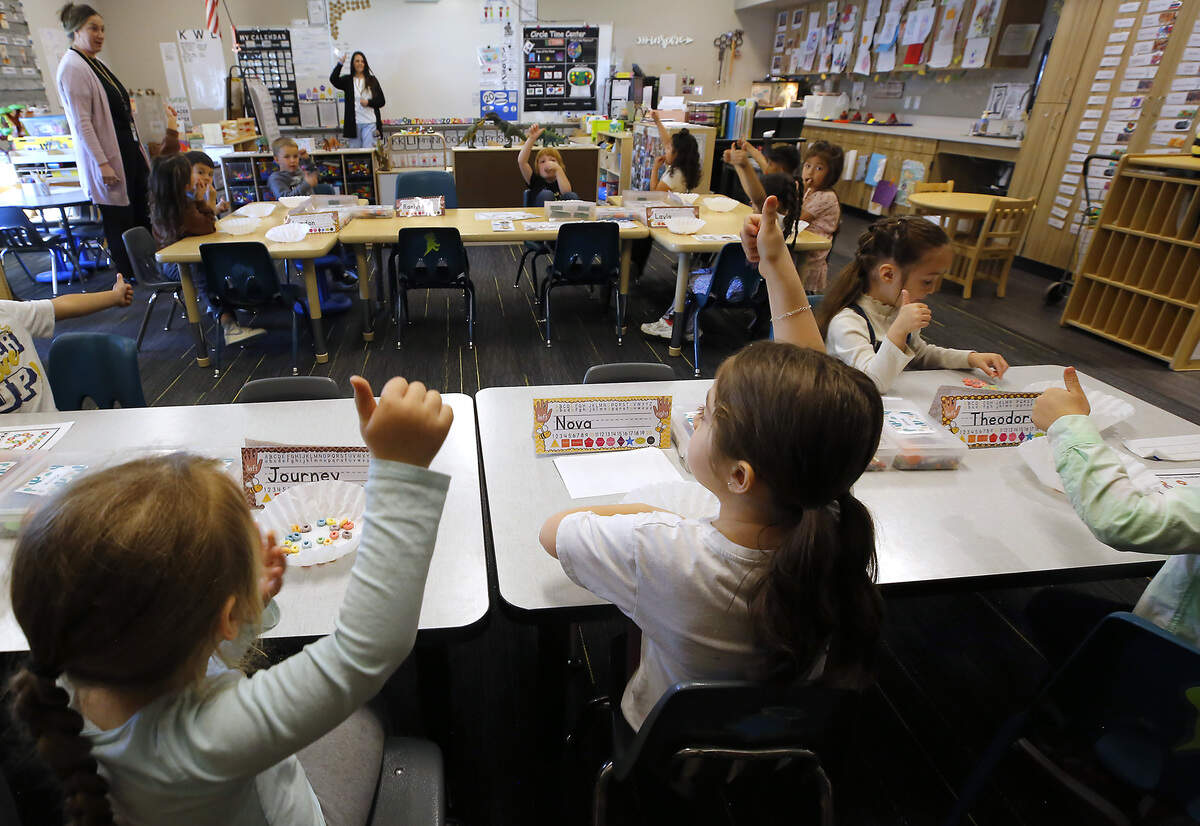
Millea DeAngelo’s classroom at Keene-Riverview Elementary School was abuzz on a recent spring day.
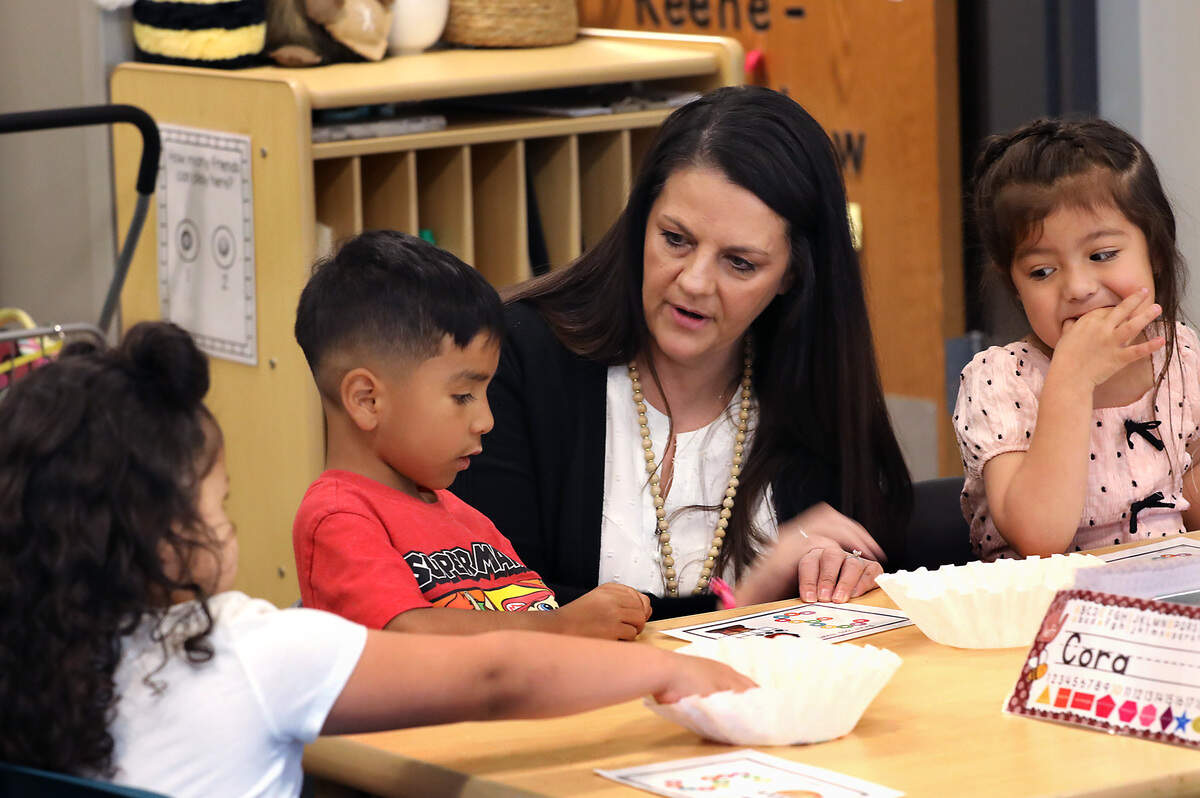
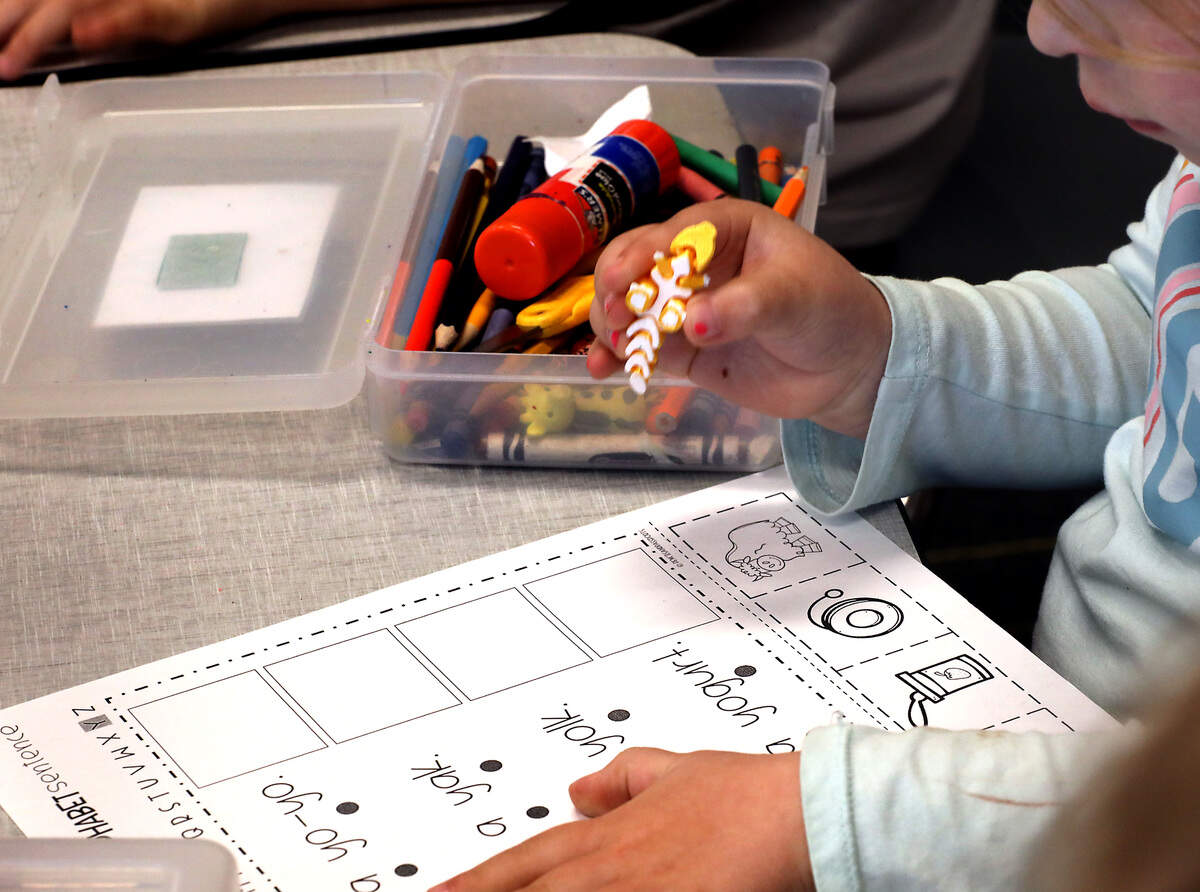
Using Froot Loops, her preschool students giggled as they counted from 1 to 20. They organized the cereal pieces into numbers while identifying different colors, shapes and letters.
Let’s say the cereal didn’t stick around too long after students completed their assignment.
“This is their favorite math activity because they’re always hungry,” DeAngelo said.
Then, one-by-one, DeAngelo called students up by the assigned number on their worksheet, from 1 to 20, to turn their work in. By the end, she gave them some words of encouragement.
“You guys did so good. Everybody give yourselves a round of applause, pat yourselves on the back, because that was hard kinder work. We are just about ready for kinder,” she said some cheers.
The fun and engaging lesson was in one of Prosser School District’s three Transition to Kindergarten classrooms.
It’s a state-funded program that provides 4-year-olds with a year’s worth of additional full-time class preparation before they enter kindergarten, giving students the extra foundational support needed to build their academic future on.
The program works to fill gaps in Washington state communities, helping students to top off their skills and socialization before entering the public education setting.
Research and state studies show students who attend the program are often more prepared to learn on their first day at kindergarten than those who show up without the extra time. Kindergarten success is an early predictor of academic success and high school graduation.
Despite this, Washington lawmakers chose this year to pass steep 25% cuts to Transition to Kindergarten, amounting to about $25 million less for the evidence-based program.
That means there will be 2,000 fewer seats for students in need this fall, and that some families will be locked out of a quality preschool program.
Prosser School District is due to lose funding for six seats despite the fact that it has enough families on a waitlist to fill another classroom.
Preliminary numbers from OSPI show Kennewick will lose funding for 10 seats (a 34% reduction), and Pasco will lose 12 seats (15% reduction). Kennewick will be able to keep its seats funded with a carryover, but Pasco says it’s still too early to tell what the plan for next year will be.
Washington Superintendent Chris Reykdal said the program is especially impactful for students with disabilities or those who come from low-income backgrounds. He called the cuts harmful and “a complete failure in public policy.”
“Instead of cutting critical funding, we should be doubling down on our investment and ensuring no student is denied access to a high-quality learning environment that prepares them for a successful start to their K–12 career,” he said in a statement earlier this month.
“In my 30 years in education, I have never seen a more ill-advised and damaging cut to education funding.”
Impact on rural and impoverished schools
Across Washington, fewer than one-quarter of 3- and 4-year-olds are enrolled in state-funded preschools.
Classroom sizes in the Transition to Kindergarten program average about 16 pupils, and enroll an equal split of low-income and other students.
The impact to rural and impoverished schools — which rely on these programs sometimes in complex and stark childcare deserts — will be especially profound.
But Prosser Superintendent Kim Casey says they’re drafting the budget this year to hopefully cover most, if not all, the six seats on the chopping block. The district currently serves about 54 students.
“The more we ask of our young people, the more we have to help them be prepared for what we’re asking of them,” she said.
“I think if you went and observed a 3rd grade classroom right now, you would be so surprised of what work is being done in those classrooms — what they’re writing, what they’re doing. And as we increase the expectation, we have to help them be prepared. This allows them a hand up in being prepared,” she continued.
Pasco and Kennewick losing seats
Not all rural schools will be able to cover the funding gap, though. School districts across the state have been tightening their pocketbooks as inflation and wage increases meet plateaued revenue sources.
Finding room in existing revenues, like drawing from local levy money, is just out of the picture for some districts.
“Because these are early projections, we want to ensure we have accurate and complete information before outlining any specific plans,” said a spokesperson for the Pasco School District.
“We are actively analyzing the data and will share more details once that review is complete, and we have a clearer picture of next steps.”
A spokesperson for the Kennewick School District said there will be no impact for the 2026-27 school year as carryover funds will allow them to maintain the same number of seats.
“We will continue to monitor and reevaluate funding levels next year as we plan for the following school year,” they said.
Kiona-Benton City, North Franklin and Columbia-Burbank, all have programs in place but will see no cuts. They collectively serve about 42 preschool students.
OSPI organized reductions to mitigate impact to low-income schools and communities that are early learning deserts, as well as to prevent entire programs from being defunded.
1-in-3 Prosser kindergarteners ready to learn
Kindergarten students are offered a skills development assessment during the first two months of the year, where they’re tested in six core areas: social-emotional, physical, language, cognition, literacy and math.
Students who meet or exceed standards in these areas of development and learning have a greater likelihood of success in kindergarten and beyond. These areas of skill can even translate to their future workforce readiness, researchers suggest.
About 1-in-3 Prosser students enters kindergarten ready in all six areas, according to multiple years of data. That’s far below the state average, which hovers around 50%.
That doesn’t mean students show up completely unable to learn or take in concepts. They just might find certain activities or subjects harder to accomplish. For example, 4-in-5 Prosser kindergarteners showed up to fall 2024 classes proficient in three or more areas.
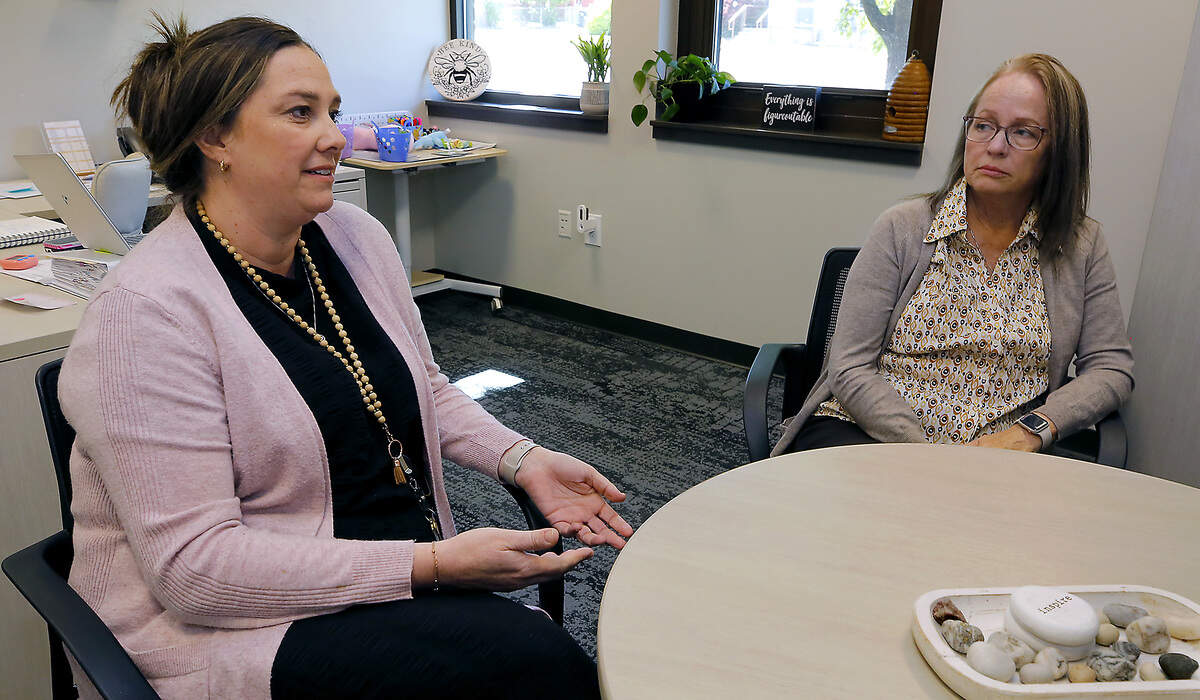
There also remains demographic gaps between students who show up prepared and those who don’t. In Prosser, white students are twice as likely to be ready than their Hispanic peers.
Casey says that’s indicative of broader socioeconomic disparities that they see in their community. About the same ratio of low-income and other kindergarteners are showing up ready to learn.
“Every family is doing their best to prepare them. I would say it is more financial than racial,” she said, noting that incomes for many Hispanic families tend to skew low.
Prosser remains one of the few rural communities in Washington that has capacity to serve all of its low-income families with free preschool, according to the most recent preschool saturation survey from the state Department of Children, Youth and Families.
The Early Childhood Education and Assistance Program, or ECEAP, which connects low-income families with social services and serves kids as young as 3 years old, has also seen tough cuts from the Legislature in recent years.
‘Natural leaders in the classroom’
Keene-Riverview started its Transition to Kindergarten program about 2 1/2 years ago when it started serving a class of 18.
Since then, the school has added two classrooms and interest from families in the community continues to grow, said Principal Jessie Wilson.
Wilson said they’re always looking for the “neediest” kids who would benefit the most from additional kindergarten prep. During the screening process, they prioritize students with disabilities, delays in speech or development, and those who come from low-income or foster home backgrounds.
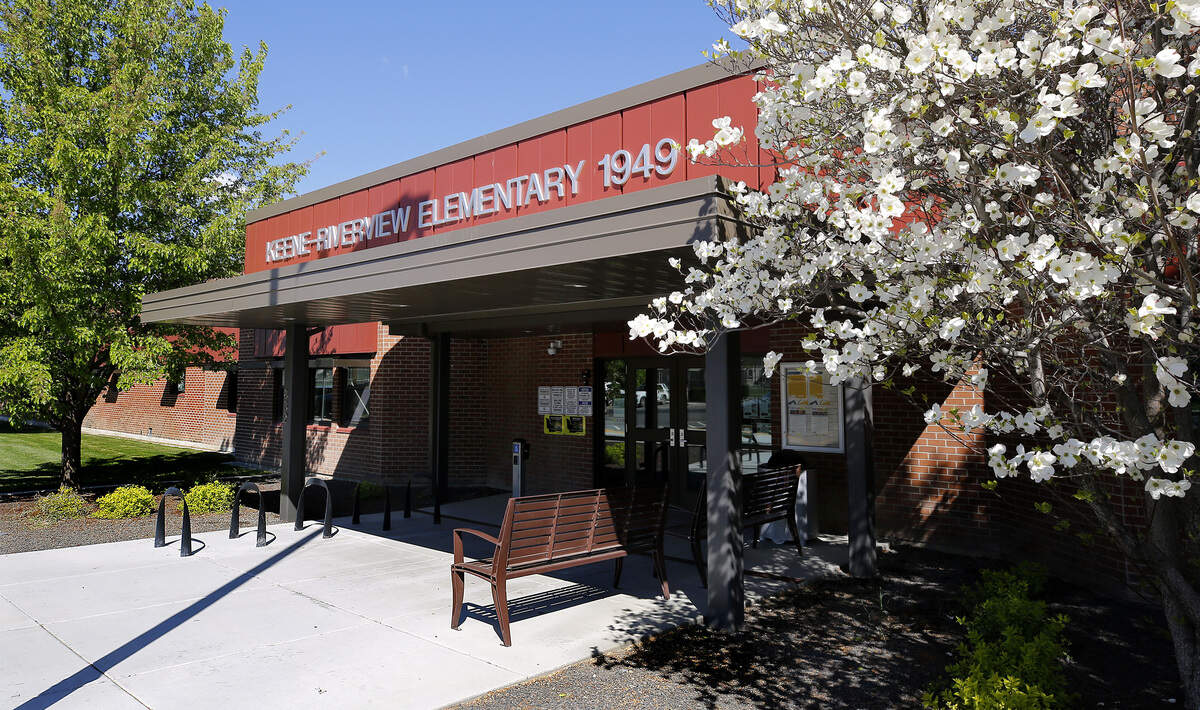
“Obviously we work on academics and getting them ready for kindergarten, but a big portion of it is working on social-emotional with kids,” Wilson said. “So, how do they interact in a classroom? How do they play with other students? How do they ask for help? All of those things are really the primary focus of those classrooms.”
Students also get a head start to familiarize themselves with the elementary school building. It helps soften the transition, so learning can take off right when they get to kindergarten, and helps first-time parents familiarize themselves with the public school system.
Wilson said they can see it in their six kindergarten classrooms. Students who had been enrolled in Transition to Kindergarten are “natural leaders in the classroom.”
“My goal is that we reach every kid in our community to make sure that they have access to early learning,” Wilson said. “Whether that’s through private preschools, or ECEAP, or Inspire (Development Center), or our (Transition to Kindergarten) program — that really is my goal in making sure parents and families have the resources that they need in their homes or know where to access those resources if they need additional support.”
Casey said the program at the state level has shifted over its short lifespan as legislators debate whether the program should be part of basic education. It is not funded under the state’s prototypical model. That means it could be a target for future funding cuts by state legislators.
Legislators in Olympia need to understand that programs like these help to close the achievement gaps, and it’s crucial for setting kids up on the right path, Casey said.
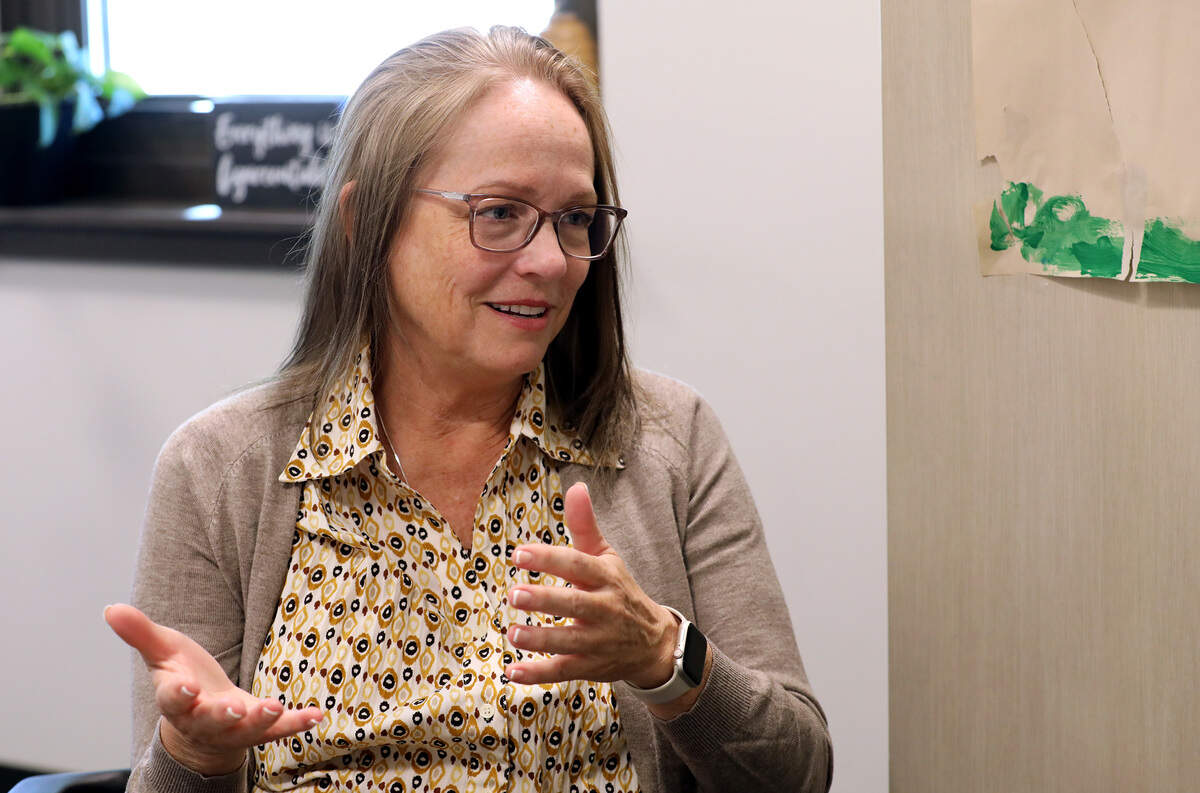
“The idea here is to help the most needy, or the neediest,” Casey said. “That doesn’t always mean money. There’s no definition of that. We try and screen to make sure we’re helping those (who need it).”
Like many superintendents who are speaking out, Casey feels the state is shirking its responsibility to fund public education, though she underscores she does not think it’s intentional.
While state budgets continue to grow, education advocates say investments to public schools are not keeping up at the same rate.
“Somewhere along the line, someone’s going to have to step in and rethink education,” she said.
This story was originally published April 28, 2026 at 12:15 PM.