Preschool serving 80+ closes as WA childcare cuts hit Tri-Cities region
AI-generated summary reviewed by our newsroom.
- Inspire Development Centers shut its Kennewick site, cutting services for 82 kids.
- Washington ECEAP cuts remove 2,000 seats across state. ESD 123 in Pasco also had to cut 2 classes.
- Less than half of children in the Pasco School District arrive at kindergarten ready for school.
Buildings are abuzz with students heading back to school this time of year, but not at this preschool.
Instead, cobwebs and dust have settled on Inspire Development Centers’ former Kennewick school at 16 N. Huntington Street.
The 73,000-square-foot building served 82 pre-kindergarten kids before it closed its doors at the end of June.
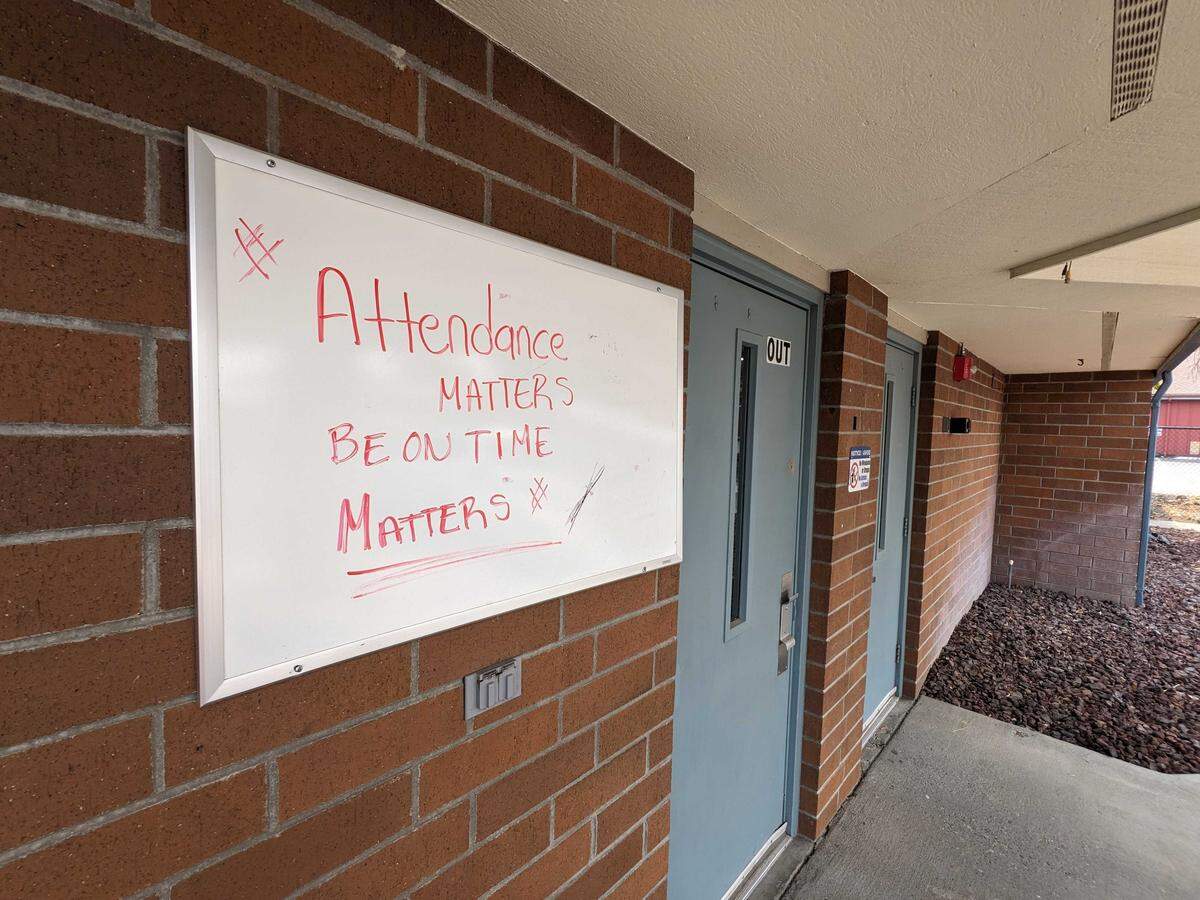
Old Street View photos showed awnings and a covered playground outside the building. Those are gone. Today, the site is relegated to little more than overflow parking for the casino next door. A whiteboard posted outside the entrance still reads: “Attendance Matters. Be On Time Matters.”
The closure is part of a concerning trend. Early learning daycares for low-income families have begun closing their doors in the Tri-Cities in response to cuts from lawmakers — and more closures could soon be on the horizon as costs for services and salaries rise.
Across the state, 2,000 fewer preschoolers are heading back to school this fall because of the dramatic cuts to Washington’s Early Childhood Education and Assistance Program, also known as ECEAP.
At least 100 seats in the Tri-Cities region have been affected.
The program provides free full- and part-time preschool to children, mostly ages 3 and 4, who come from low-income backgrounds and are “furthest from opportunity for success in school and life,” said program officials.
Services include preschool, family support, meals and food, and free health screenings.
To qualify for the program, children must either come from a family that earns 36% of the state’s median income, are on SNAP benefits, experiencing homelessness or qualify for special education services.
“Despite the research demonstrating the return on investment by ensuring that young children are ready for school, we are now at a place where thousands of children are at risk of being left behind,” Joel Ryan, executive director of the Washington State Association of Head Start and ECEAP, said in a statement.
“ECEAP serves children that are furthest from opportunity and access, and provides them with a launching pad for school and later life success such as post-secondary education and a full-time job,” he said.

Educational Service District 123 helps supplement public education and services throughout Southeast Washington, from Clarkston to Prosser.
The Pasco-based agency was forced to cut two ECEAP classrooms that enrolled 15 students.
It’s a troublesome move as fewer than half of children in the Pasco School District — and fewer than one-third of low-income students there — arrive at kindergarten ready for school.
Matt Bona, ESD 123’s executive director of early learning, says that decision from the state to reduce their seats “takes away opportunities” for students in need and for families looking to get a better footing in life. It also impacts rural communities especially hard.
In total, state cuts to Inspire Development Centers — which operates several sites in Benton, Franklin, Yakima, Adams, Grant, Walla Walla and Skagit counties — impacted seven centers and 411 seats, an enrollment reduction of about 43%.
2,000 fewer seats across WA
The State Association of Head Start and ECEAP has been tracking the closure of classrooms and seats this fall.
Kennewick School District had six seats cut while Richland School District had five.
Community Minded Enterprises, a Spokane organization which also operates in Benton, Franklin and Pend Orielle counties, had 11 seats eliminated.
Gov. Bob Ferguson’s office declined Monday to comment on the issue.
Washington lawmakers were forced to make some hard financial decisions this year as the Legislature looked to correct a multi-year, multi-billion dollar budget shortfall.
Leading up to the 2025 legislative session, the state Department of Children, Youth and Families proposed cutting $77 million from both ECEAP and Early ECEAP, a similar early learning program for about 200 children aged birth to 3.
The package lawmakers passed completely defunded Early ECEAP. A more than $60 million cut resulted in the net number of ECEAP seats being sliced from 14,400 to 16,400.
State Sen. Nikki Torres, R-Pasco, said these cuts are “real and significant” to local programs and families.
“While some items may be considered savings, these reductions directly affect children and families who rely on early learning support. Neither of these policies (budget cuts) were in the (Senate Republican Caucus) budget,” she said.
Bona says he doesn’t believe budgeting off the backs of families in need was the right approach.
“It’s impactful to an area like Pasco (and Kennewick), where there’s high need,” he said. “That’s 15 families that are impacted — families and students we could have served.”
ESD 123’s program has grown over the last 10 years, from 110 seats to nearly 740 served across Southeast Washington
When seats are cut, Bona says, kids stay home and lose out on that opportunity to get a head start on their education. Some families might find other preschool or child care options, but most do not.
Parents and families then have to pick up that work, forcing many to forgo opportunities — college, trades education and job seeking — that uplift their families.
While the cuts to ESD 123 represent less than 3% of its total enrollment, Bona says these intensive programs already operate on a shoestring.
The cost for wages, utilities and food keep going up, far outpacing the 5% cap increase in funding they receive per pupil.
Bona says if their program doesn’t receive revenue increases that match the true cost to deliver services, they’ll either have to get “really creative” with contracts or start shutting down programs.
“I don’t know what’s going to happen, but it’s not looking good,” Bona said.
WA cuts widen Tri-Cities early learning gap
For a large portion of Tri-Cities families, quality childcare access remains limited.
Fewer than one-third of local families needing care for their kids between the ages of 3 and 5 can access services.
That’s mostly due to access, as the industry shrinks and due to affordability, as prices in the private market have skyrocketed.
ESD 123 and Inspire Development Centers are the two largest ECEAP providers in Southeast and Central Washington, serving more than 1,100 children. But many school districts also offer their own state-funded programs.
Marina Garza, Inspire Development Centers’ director of programming, says early learning curriculum at the Kennewick site incorporated a dual language approach for infants, toddlers and preschoolers.
The last day of the school year was April 25. After IDC learned about the reduction in June, it gave parents prompt notice and let them know about similar offerings from ESD 123.
More than 2,500 Tri-Cities children ages 3 and 4 are eligible for ECEAP, according to a 2022-23 report by the Washington Department of Children, Youth and Families.
But of that just 1,650 are served by either the state or federal program known as Head Start, meaning nearly 900 students will likely see little or no preschool.
That number is likely higher due to cuts from the state program.
The Department of Children, Youth and Families report estimates more than 50,400 children statewide are eligible for free preschool, but only about half of those are served.