WA budget battle may cut preschool seats. It could lock out more poor Tri-Cities kids
With little luck and money, Sean Fox and his young family arrived in the Tri-Cities a year ago looking for a fresh start.
His parents were locals. And after 17 years working internationally in business, it was time for Fox, 41, along with his wife and daughter, to turn a new leaf.
But he quickly realized daycare costs in the area were unrealistic for their budget — the average $1,200 monthly price was steep and didn’t provide much. But things took off after he enrolled his daughter in Richland School District’s Early Learning Center, the state-funded early childhood education program.
His 5 year old got more than a head start on kindergarten — it’s where they sparked a love for reading and science, and it’s helped their family access resources to improve their mental, emotional, physical and financial well being.
The valuable childcare also gave Fox the time to study and prepare for higher-paying work, as well as a healthy work-life balance.
“(The program) supports people who are trying to get back to their feet,” he said. “The long-term benefits are too significant to ignore.”
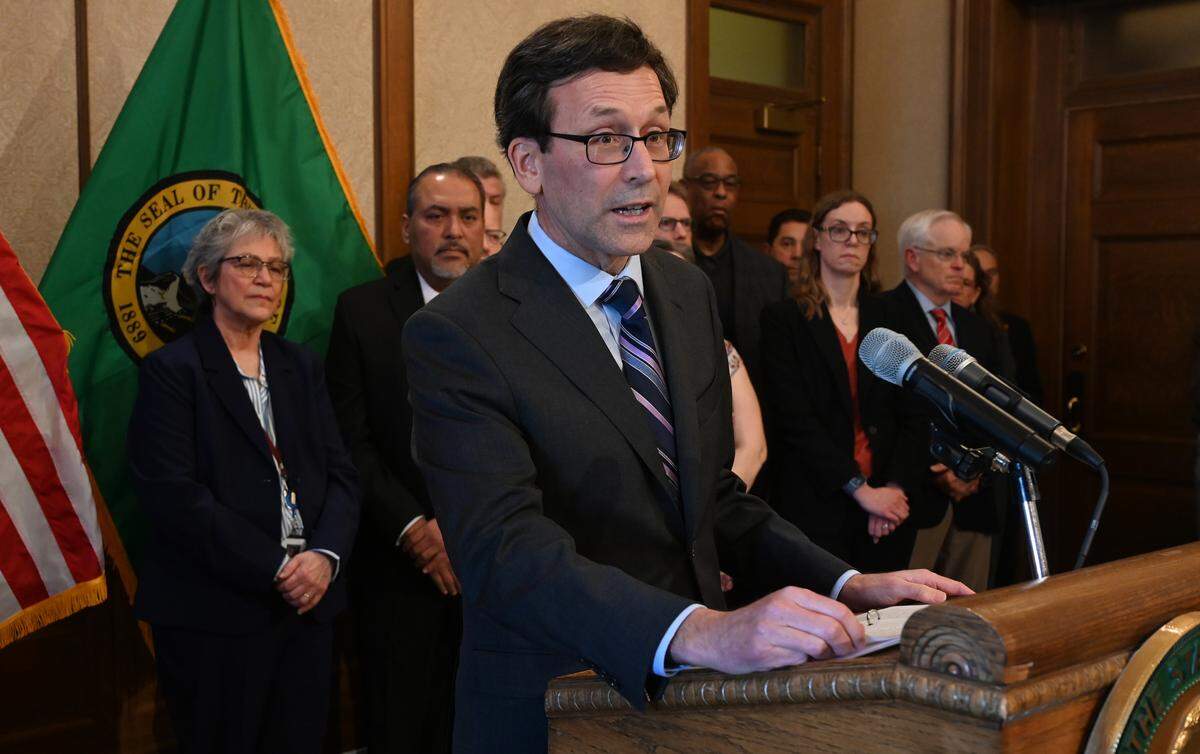
But Gov. Bob Ferguson proposed cuts last week to Washington’s Early Childhood Education and Assistance Program, known as ECEAP, at a time when advocates say the program should be growing to meet demand. It’s part of a larger $4 billion savings plan proposed by the Democratic governor as the state is facing a historic, multibillion-dollar budget shortfall.
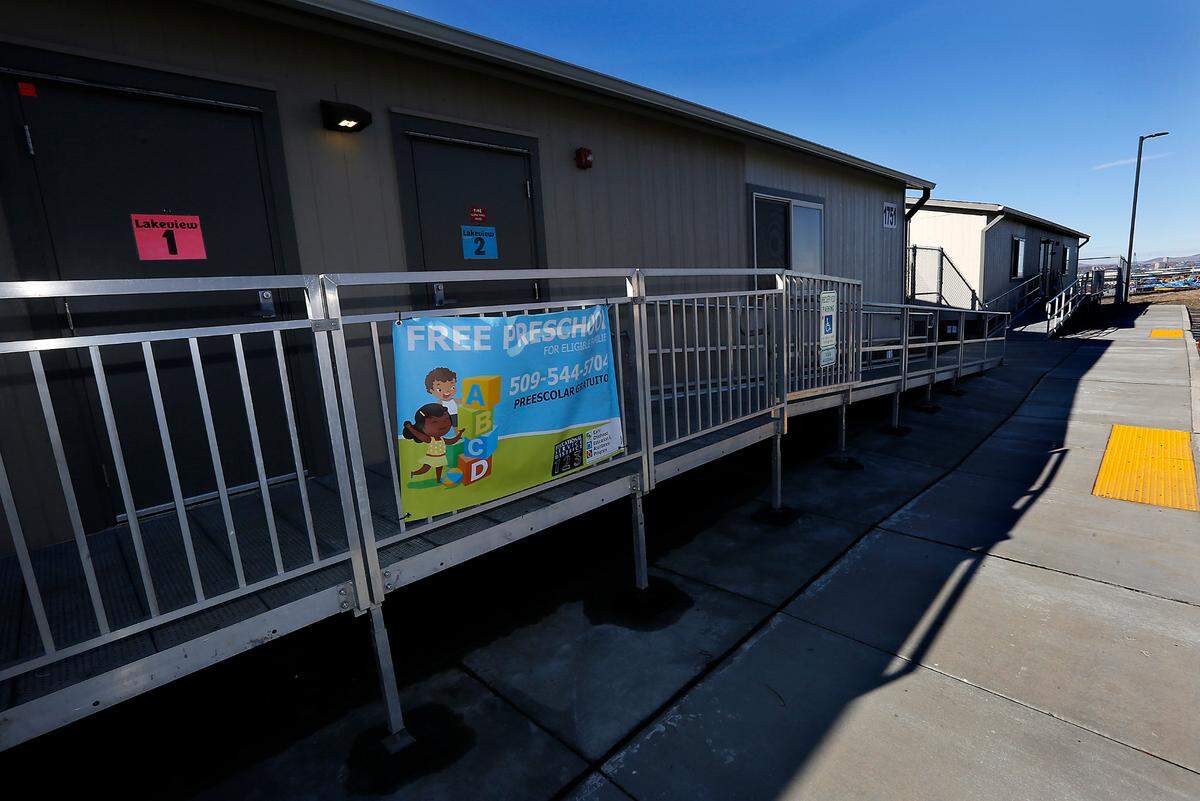
ECEAP provides free full- and part-time daycare to children, mostly aged 3 to 5, who come from low-income backgrounds. Families must earn about 36% of the state’s median income, about $47,000 for a family of four.
The program also enrolls foster care, tribal, homeless and special education students, and serves some students younger than 3 with programs.
It’s similar in scope to another free federal program, Head Start, which helps low-income families with early education, health, nutrition and family support services.
Ferguson has proposed removing 1,500 unfilled, part-time ECEAP slots from funding and eliminating a pilot birth-to-3 program called Early ECEAP. He also says the state should not increase the rate of school day slots by 18%, as former Gov. Jay Inslee had proposed, but instead by 10%.
In total, Ferguson’s tweaks to ECEAP would amount to nearly $72 million in savings over the next four years.
Fox questions why the state would recommend cuts to a program that’s a net financial benefit to the government, and which also helps business owners, communities and, most of all families.
“It just doesn’t make sense that we would be cutting this program. It helps everybody,” he told the Herald. “To me, it’s a no brainier.”
‘Extremely troubling’
Joel Ryan, executive director of the Washington State Association of Head Start and ECEAP, called the reductions “extremely troubling.”
“Denying children ECEAP means the state will address these issues in K-12 — a far more expense and less successful approach,” Ryan said in a statement.
He also called the elimination of Early ECEAP “unconscionable and extremely shortsighted.”
“Early ECEAP functions as a critical case management tool for entire families, addressing food insecurity, housing assistance, mental health support, and early childhood intervention services. These supports are key to preventing families from slipping into far more costly systems, such as shelters, CPS involvement, or emergency healthcare interventions. Cutting Early ECEAP simply shifts costs downstream to school districts, child welfare, and public assistance programs. Nearly a quarter of Early ECEAP children have experienced homelessness,” he continued.
More than 2,500 Tri-Cities children ages 3 and 4 are eligible for ECEAP, according to a 2022-23 report by the Washington Department of Children, Youth and Families. But of that just 1,650 are served by either the state or federal programming, meaning nearly 900 students will likely see little or no preschool.
For a large portion of Tri-City families, childcare access remains limited. Less than one-third of local families needing care for their kids between the ages of 3 and 5 are able to access it, according to previous Herald reporting.
The Department of Children, Youth and Families report estimates more than 50,400 children statewide are eligible for free preschool, but only about half of those are served.
ECEAP served more than 16,000 students across 480 locations last year, according to the Washington State Standard. Lawmakers in Olympia are considering delaying a plan to make the program an “entitlement” for all low-income families, which would require another 14,000 slots.
ECEAP demand high in Southeast WA
Matt Bona, executive director of early learning at Educational Service District 123 in Pasco, says their organization continues to expand ECEAP opportunities for families in Southeastern Washington.
ESD 123 provide early childhood education to 757 students in five Tri-City area school districts, including Pasco, through service sites and contractors. Richland and Kennewick school districts, meanwhile, operate their own programs in-house.
School districts residing in “child care deserts,” such as Kahlotus, have been reaching out to partner with ESD 123, which provides supplemental educational resources to school districts from Prosser to Clarkston. Demand remains especially high in Pasco, Othello, Walla Walla, and other rural towns where preschools are lacking.
Parents drive their kids to extended family, or they stay home and don’t work when they don’t have childcare services.
“It impacts people in a lot of different ways. People can’t work, people miss work, and not to mention the kids aren’t getting that early jump on their education by not having the opportunity to go to preschool,” Bona said.
And that’s a problem.
Bona points to a study conducted last year by the bipartisan ReadyNation and Child Care Aware, which claims Washington state’s “childcare crisis” for kids age birth to 5 costs $5 billion annually in lost earnings, productivity and revenue.
Washington families meanwhile lose more than $1 billion in “forgone earnings” to care for their kin, with nearly one-third of parents surveyed saying they’ve been reprimanded by supervisors.
Nearly three-quarters of Washington residents live in a child care desert, where there are more than three children, aged 5 and younger, for every one licensed child care seat, according to the study.
Wages are also driving the gap between supply and demand.
Early learning and child care wages remain incredibly low, with most making near poverty wages. Preschool teachers make between $35,000 and $40,000, with childcare workers earning significantly less.
Bona says some of ESD 123’s ECEAP teachers are paid so low that their children qualify for the program.
Overall, he called the proposed cuts “disappointing.” He says the strength in ECEAP lies in its purpose to serve impoverished families and link them to family support specialists.
“It’s a great program. If it wasn’t helping people, then I guess anybody could justify cuts. This is a program that’s really robust, and it really helps more than the student. It helps the family. It’s a total wrap-around service for families that need it most,” he said.
Lawmakers have until the end of the legislative session, on April 27, to finalize a budget.