Pasco school levy crippled by years of stale turnout. Here’s what we found

AI-generated summary reviewed by our newsroom.
- Pasco levy turnout fell from 48% in 2008 to 24% in February 2026.
- District plans $153M four-year levy; failure would cut $50M annually.
- Campaigns boost outreach after February loss; voters remain older and few.
Voter turnout for Pasco’s school levy has been on a stark decline for many years.
In 2008, about 48% of all registered voters in the Pasco School District showed up to weigh in on the educational programs and operations levy. That two-year measure ultimately passed with 59% support.
Fast-forward to last month, just 24%, or 10,900 voters, turned out to vote in the levy election. And that four-year measure failed with 49.7% support, falling 60 voters short of the majority needed to pass.
Voter registration in Pasco School District more than doubled between those years, but participation has not seen the same growth — it’s actually remained flat.
Over the last 18 years, the same 9,000-11,000 voters have turned out for Pasco levy elections, but support in the form of “yes” votes has fallen by more than a thousand.
As school supporters continue to learn about why the February measure failed, they’ve begun mounting a renewed push to pass a similar request on the April 28 special election ballot.
Voters will be asked to support a four-year, $153 million measure to pay for athletics, educational opportunities, technology, curriculum, extracurricular activities, music and the arts, counselors, nurses, transportation and student safety.
If the measure fails, Pasco will be forced to cut $50 million a year from those programs, and even reduce some basic education programs.
Ballots will be mailed out by April 10.
Some have theorized that voter apathy is the reason Pasco was dealt its first levy failure in 26 years, while others have pointed to district inefficiencies and affordability issues.
Campaign leaders have acknowledged that there’s still more work to be done to educate voters about why the levy is important.
Voter support has been on a slow, prolonged slide in recent decades even as the school district has built new schools and expanded programs. Superintendent Michelle Whitney previously told the Herald that families, staff and community members have a “strong history of supporting our schools” through local funding.
Voters of parenting age made up the minority of those who returned ballots in the Feb. 10 election. Just a quarter of those belonged to individuals age 25 to 44.
Most voters — roughly 55% of those who participated — were ages 55 or older.
The school district’s surge in registration, and resulting dip in turnout, is likely the result of initiatives at the state level to increase voter rolls, said Franklin County Auditor Matt Beaton.
That’s been shown in efforts to pre-register voters as early as age 16 and with options to register at public-facing agencies, like the Washington Department of Licensing.
The vast majority who register will be those mostly eager to vote in presidential or mid-term elections.
Beaton thinks the Washington Secretary of State’s Office could get better results if they placed more emphasis on educating voters about why it’s important to vote.
Campaigns gear up for April 28 election
This year’s Pasco levy election is the first one since 2018 that includes an organized opposition.
But Behr Turner, a leader of the group trying to whip up votes against the levy, declined to answer questions for this story.
He spoke at the Feb. 24 school board meeting, and said that there are community concerns that the district’s budget is rising beyond inflation, per-pupil costs are too high and positions are being added that aren’t in the classroom.
The Pasco father characterized the district’s budget as “fat,” and said he’s heard from homeowners who feel overwhelmed by the local tax.
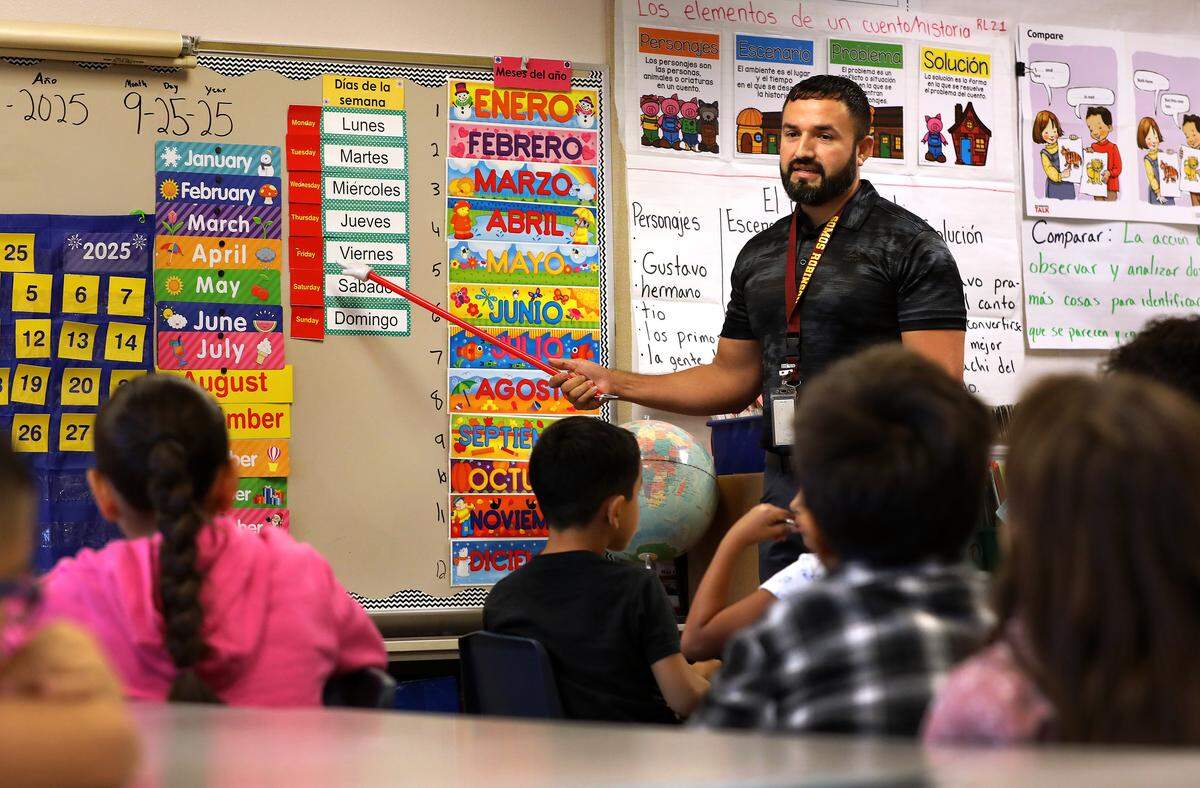
Pasco School District officials contend they have been engaged in a multi-year effort to gradually reduce spending to address rising inflation and salary costs.
That includes plans to preliminarily cut $4 million in basic education next year and continue efforts to cut vacant positions.
It’s unclear if the con committee is planning bigger, bolder efforts for the April election to counter what will likely be a more robust pro campaign.
Ana Ruiz Kennedy, a volunteer for the Pasco Votes for Schools committee, said they raised $10,000 from several businesses in recent weeks.
By comparison, they raised less than $5,000 to support the February measure and most of that money went to hiring canvassers.
That group knocked on 4,900 doors and made hours of phone calls. In the time since the levy failure, about 30 stakeholders have reached out saying they want to volunteer their time.
They’re hoping to expand their reach in this high-stakes election, and believe that will help drive people out from the woodwork.
“I think this is a good reminder to everybody that supports public schools and our school districts, and the work that they do, to stay attuned to bonds and levies,” Ruiz Kennedy said. “I think the district has been doing a good job at managing their finances and correcting their budget problems.”
The district’s teachers union, Pasco Association of Educators, is also stepping up.
President Maria Lee said they have some plans they’re working on, but nothing they want to publicize yet.
“I can’t give you specifics,” she told the Herald this week.
PAE contributed about $2,600, mostly in cash donations, to help Pasco Votes for Schools promote the February levy.
This story was originally published March 10, 2026 at 5:00 AM.