Why a recalled Richland school board leader is trying to sink levy vote
AI-generated summary reviewed by our newsroom.
- Recalled board member Audra Byrd leads 'no' campaign against two levies.
- District seeks $244M in levies for teachers, technology, athletics and safety.
- Fiscal reports show fund balance and cash days plunged under prior board.
A recalled Tri-City school board member is whipping votes against a pair of levies that raise millions for teachers, technology, athletics and school safety.
Audra Byrd, who served on the Richland School Board from November 2021 until voters ousted her in August 2023, says Richland School District’s tax asks are too high and that voters should hold them accountable by voting “no.”
During her final meeting serving on the school board, Byrd had said she would “pray for our district and the students here,” and would “serve in whatever ways I can on a small scale.”
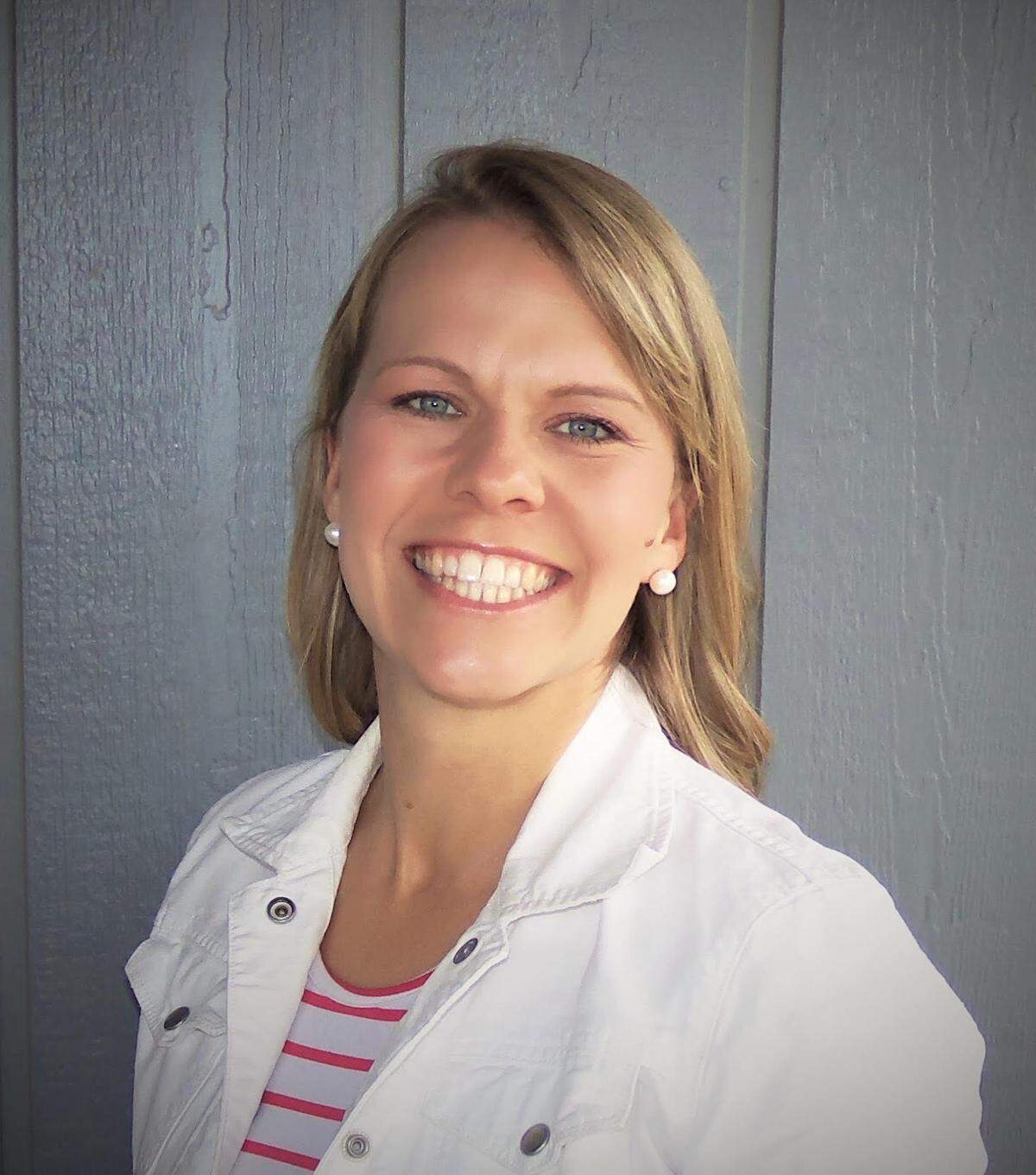
She appears to be making good on her promise, leading the effort to convince voters to cast ballots against the levy.
“I chose to join the con committee because I don’t want to see our taxes raised any higher when there are many people struggling to afford housing,” she told the Tri-City Herald in a message. “I don’t believe the district has been good stewards of our finances.”
The district is asking Feb. 10 special election voters to pass a $203 million education and operations levy, as well as a $41 million technology improvement levy. Ballots have already been mailed out to registered voters.
Levies advocates say these measures extend 2022 funding already approved by voters, and that losing $45 million in annual local funding and state match would “destroy public education.”
Both would raise funds over four years. Neither are new taxes.
The stay-at-home mom of six also recently filed a campaign finance complaint against the athletic directors of Hanford and Richland high schools, alleging the pair illegally promoted the operations levy at an athletics event.
District administrators agreed those comments crossed the line, and vowed to make changes. Byrd agrees its part of a bigger issue of public employees offering soft endorsements with district resources.
Staff with the Washington Public Disclosure Commission, the state’s watchdog on campaign finance laws, are still assessing the facts and have not made any determinations on the allegations yet.
Byrd skeptical of Richland budget fixes
Byrd and two other Richland School Board members — Kari Williams and Misipati “Semi” Bird — were recalled by about 54% of primary election voters in 2023.
The recall stemmed from their controversial action in February 2022 to “knowingly” defy Washington state’s mandate requiring COVID face masks in schools during the tail-end of the pandemic, a decision all three in the subsequent months defended.
Byrd served as the school board’s vice president at the time of her removal. She now says she’s not interested in running for office in Washington state.
She said she supported the 2023 safety and security levy, but did not support the failed 2024 bond to build a third high school.
Richland’s financial woes have been a decade in the making — going back even years before Superintendent Shelley Redinger’s October 2024 Mayday letter — public documents suggest, but fiscal health also worsened under their trio’s leadership.
Between the 2022 and 2023 fiscal years, the district’s fund balance dropped from 4% to 1%, it overspent its revenues by nearly 103%, and its days of cash on hand dipped from 15 days to just 4 days. Overall, its financial health score dipped from 2.4 to 1.33 points.
“When I was on the board, I and other board members repeatedly asked about the budget and reviewed financials, and we were told over and over by the superintendent that it was all fine. When we did question anything in the red, we were assured that it was normal district financial behavior based on the cycle the state provided funding,” Byrd told the Herald.
The district’s unsustainable spending habits came to a head in fall 2024, after incremental increases in K-12 funding from Washington state met big inflation for wages and services, bloated staffing levels, and a $10 million decline in annual levy equalization money.
Levy advocates and current school board members alike say Washington continues to underfund basic education to the detriment of students. The local dollars help bridge that gap, and proponents note the “past financial challenges are being addressed by the current board.”
But Byrd says she was skeptical of the district’s reorganization and layoff efforts last year that impacted paraeducators, nurses and librarians. Cuts should have instead come from the top, something she advocated for but failed to pass when she was on the school board.
“In my observation, when the district makes cuts, they do it in the areas that it will be most detrimental to students, so that they get the most sympathy from the community for the students. They can and should make cuts to administration that do not directly impact students,” she said.
Redinger said in October 2024 that the district did cut nearly 20% of district office staff early on through attrition.
PDC complaint
Byrd’s campaign finance complain alleges that high school athletic directors Adrian Ochoa and Gary Winston gave an unlawful endorsement of the levy during a Jan. 6 basketball game.
In a video posted to Facebook, Ochoa speaks in front of attendees and is flanked by students from cheer, band and dance to highlight “the visual” impact of levy funded extracurricular activities. He urges people to get educated on the issue and to “go ahead and vote for the levy.”
Washington state law says public employees are restricted from using the facilities of a public office or agency for the purpose of assisting an election campaign. Byrd alleges it was not an “ethical, legal or appropriate” use of taxpayer dollars.
“Those with opposing views were not invited to offer countering viewpoints, and it is manipulative to use vulnerable students to be the face of their campaign in order to evoke emotion from the crowd,” she wrote in her complaint.
But the district said in its response to the complaint that it was not the intent of staff to do of that. Their mission was to advocate for involvement in the electoral process.
“No additional language urging support, approval, or a ‘yes’ vote was intended, planned or communicated... No direction was given to students, and their presence was not orchestrated to advocate for levy approval,” the response read.
But the district admits the combination of events could be “reasonably perceived as advocacy,” so it met with staff to reinforce state law and PDC guidance.
“Upon becoming aware of the issue, the District took prompt corrective action,” the district said. “Appropriate steps have been taken to prevent a recurrence of this issue.”
This story was originally published January 27, 2026 at 6:10 AM.