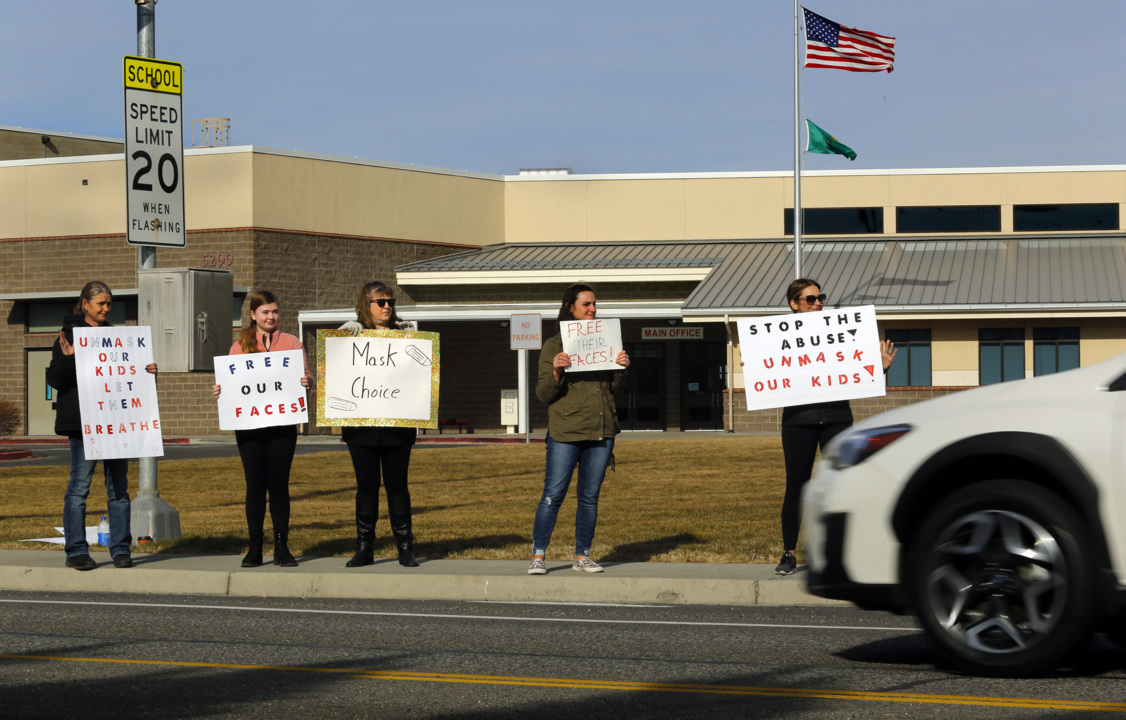
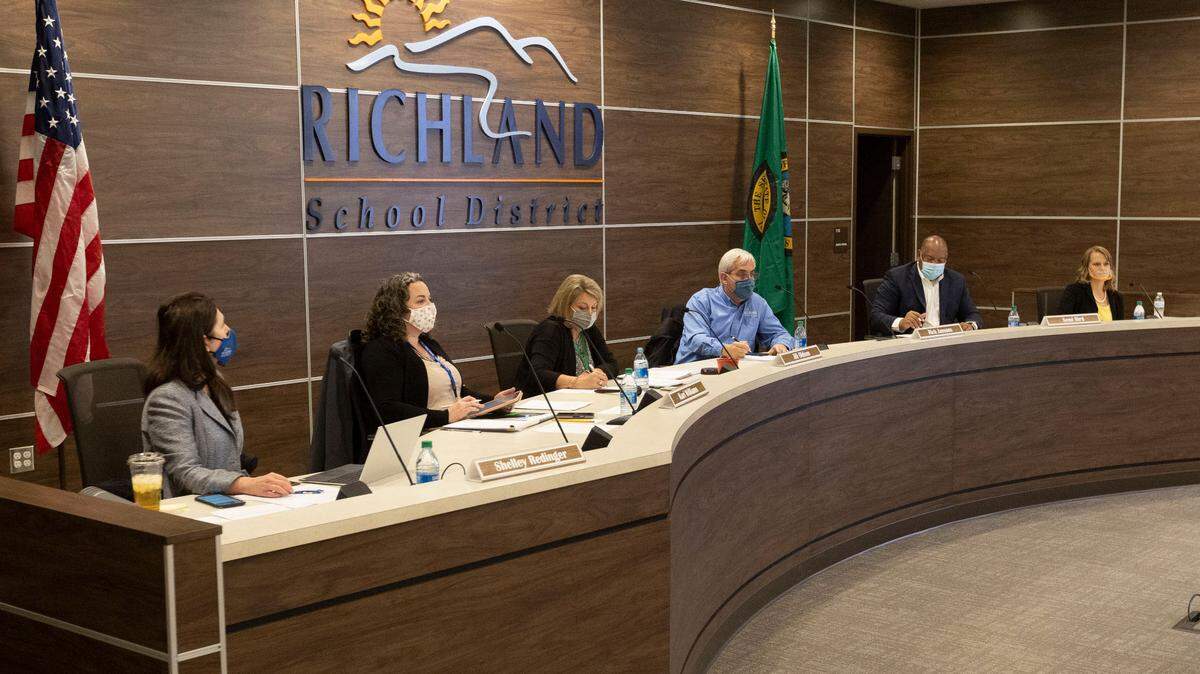
Superior Court judge to hear more arguments in effort to oust 3 Richland school officials
READ MORE
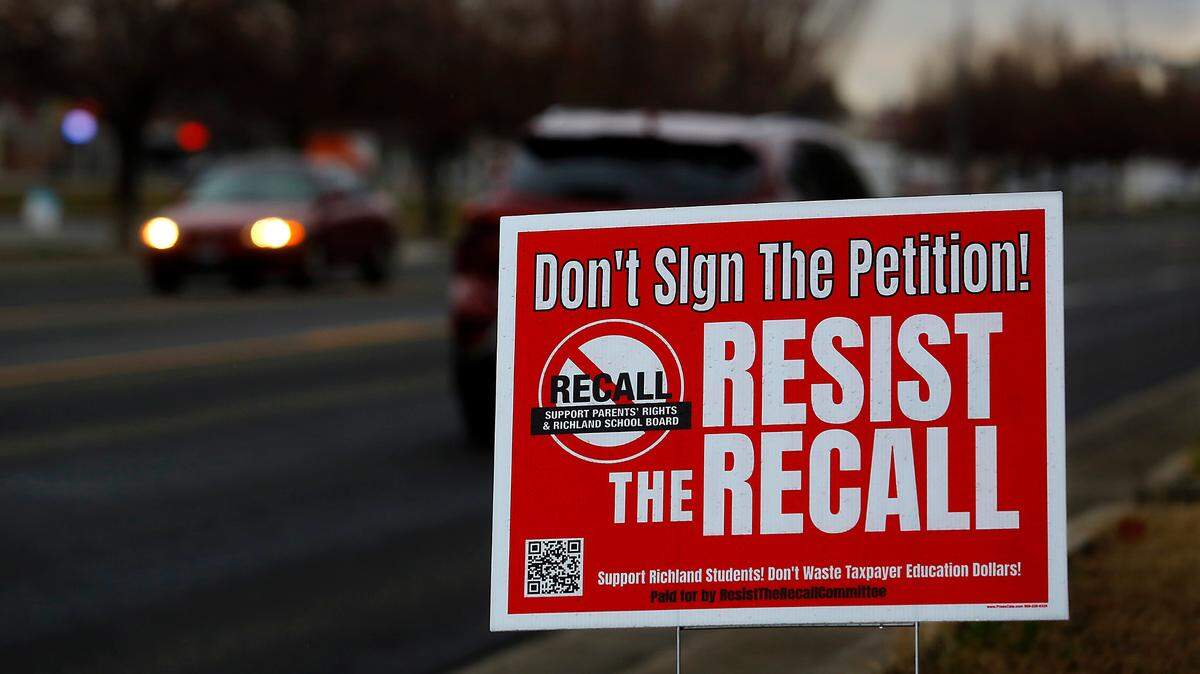
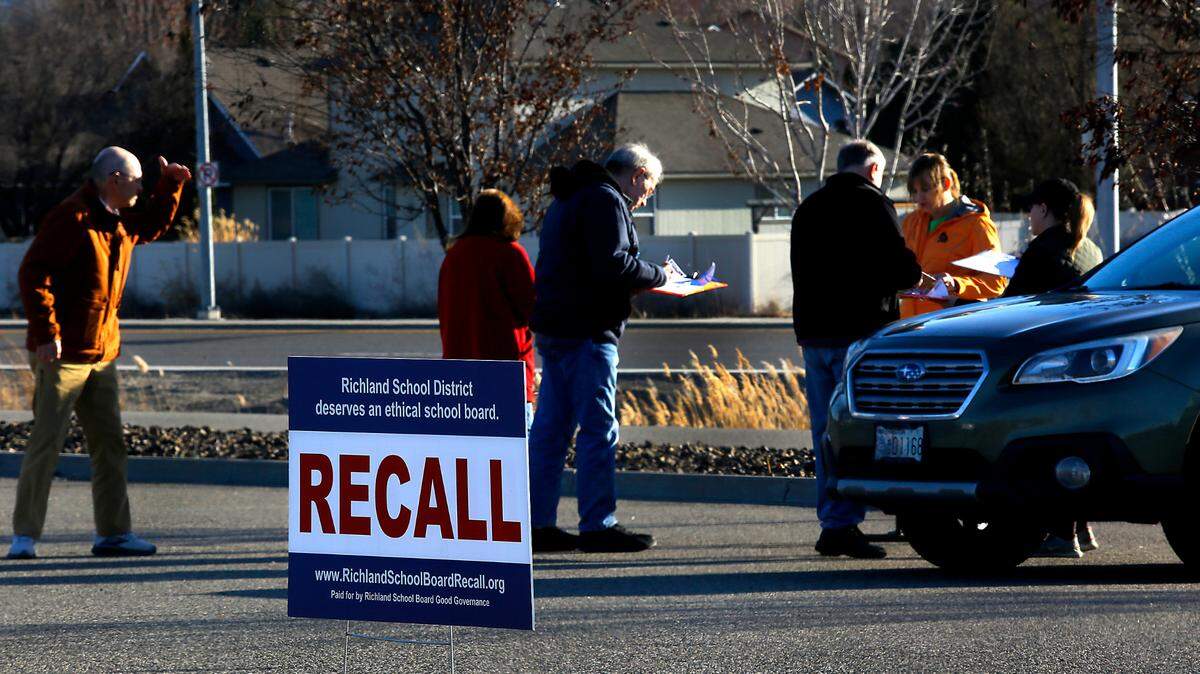
Richland School Board Recall Effort
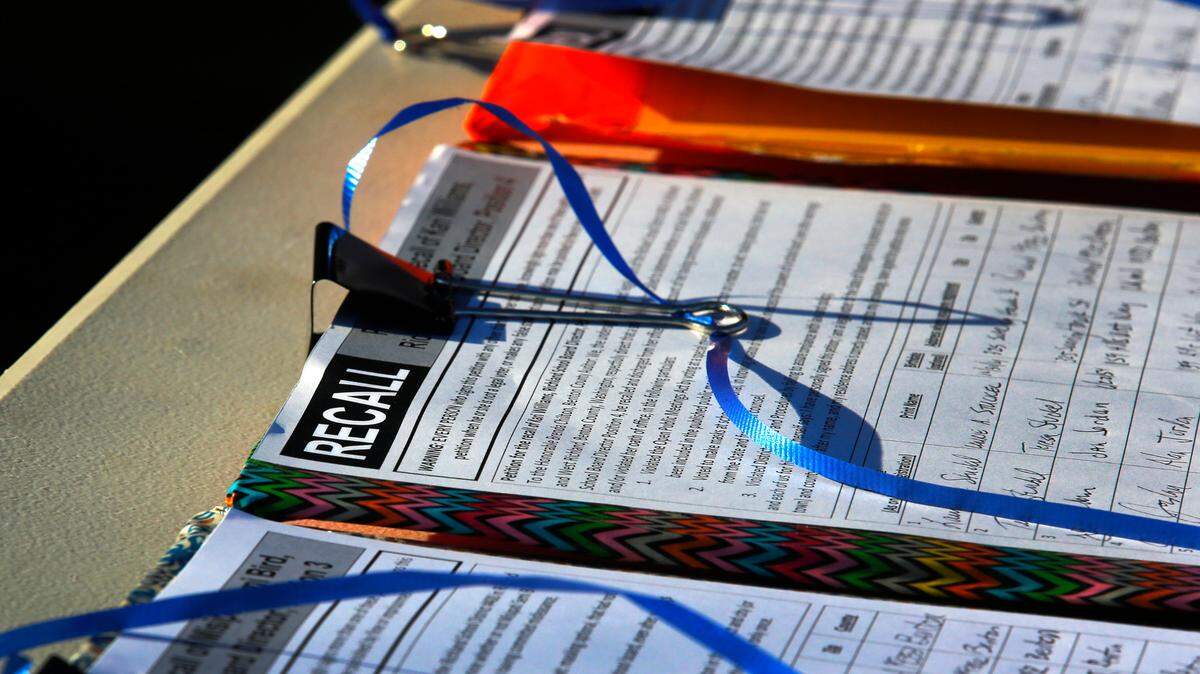
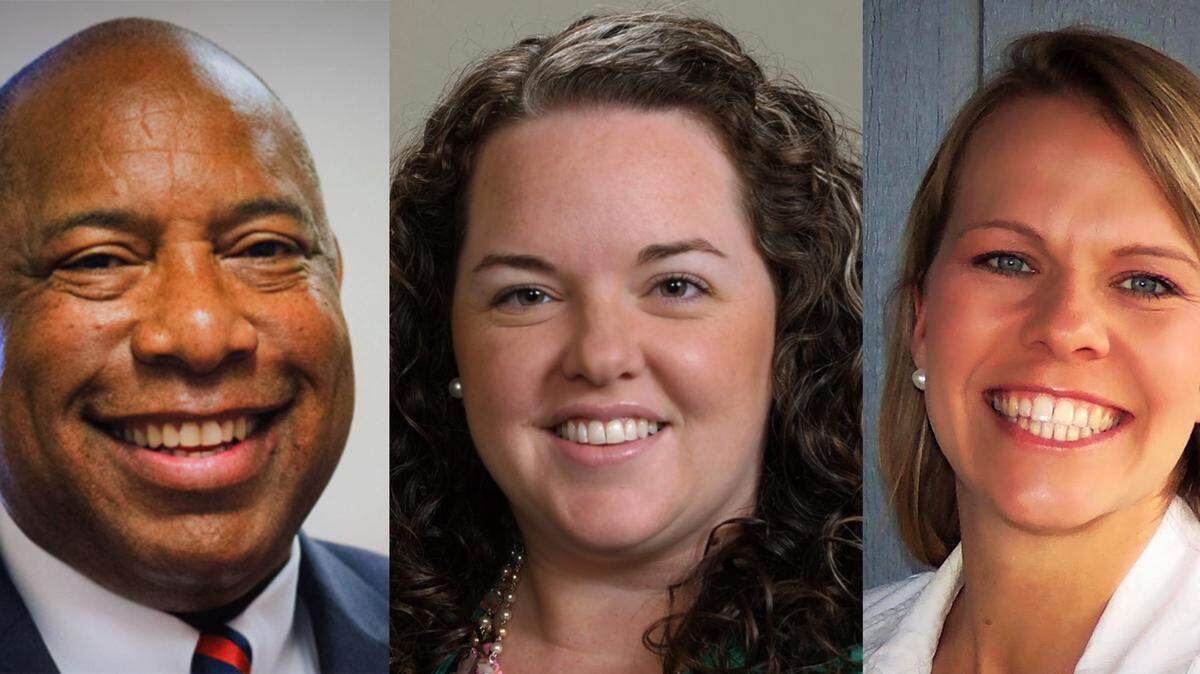
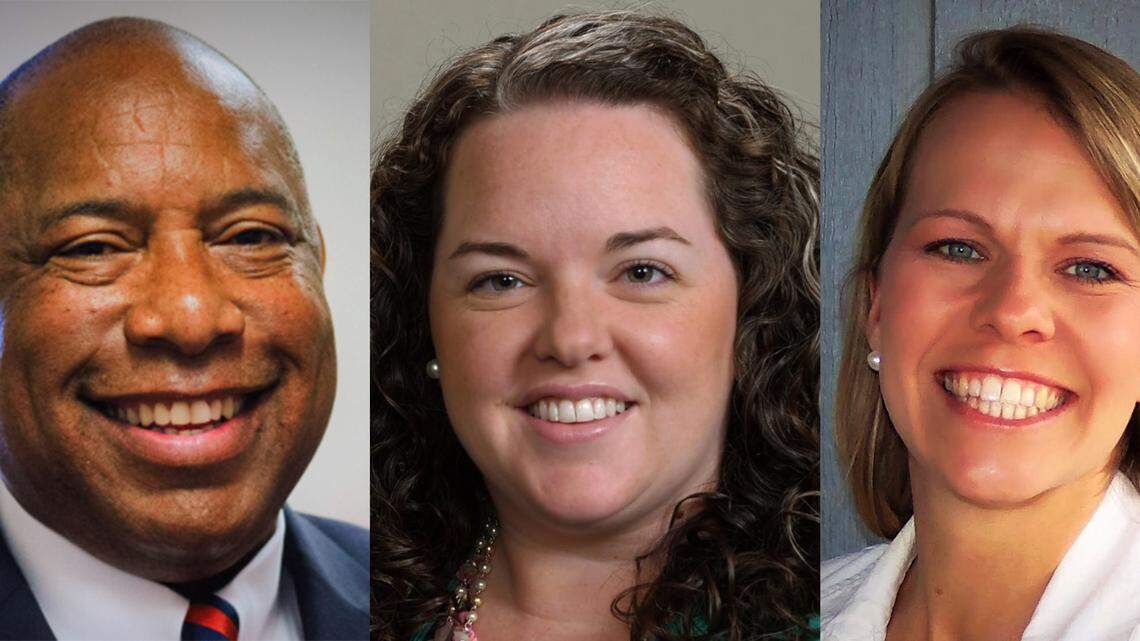
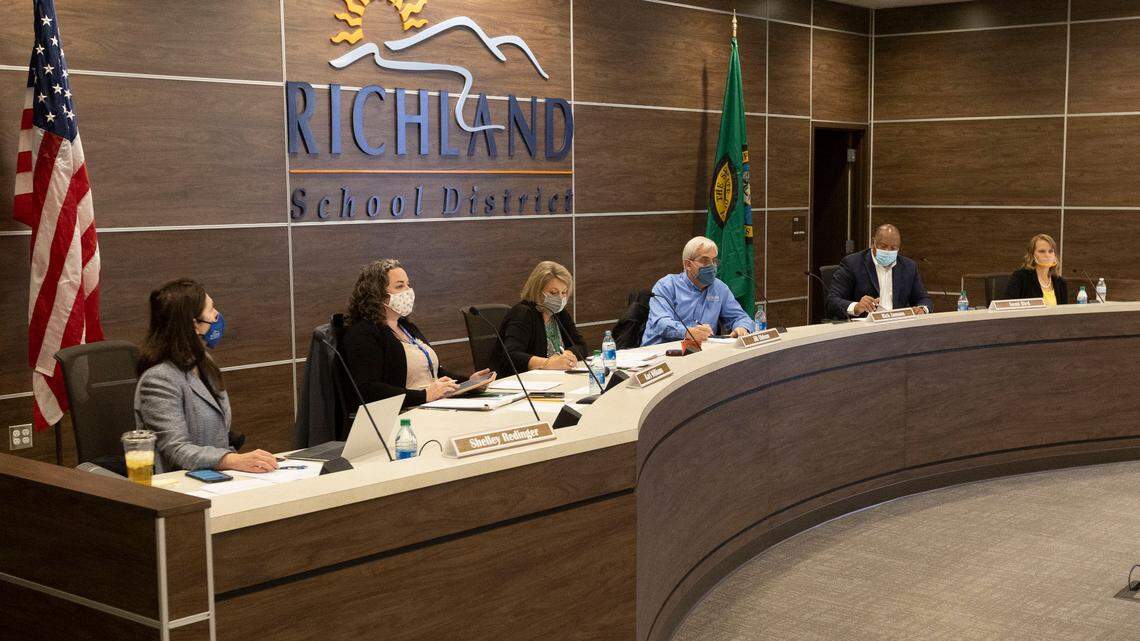
A high-profile group of voters filed to recall board members Semi Bird, Audra Byrd and Kari Williams after their controversial vote to make face masks optional.
Expand All
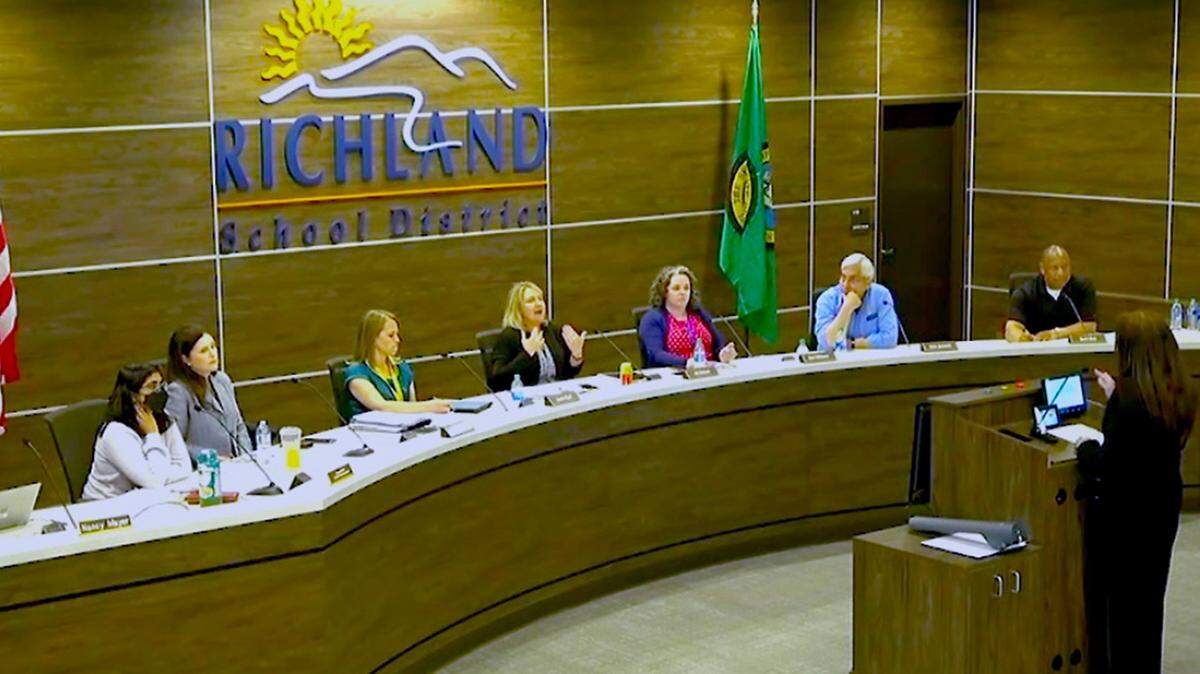
Arguments began Monday in the effort to recall three Richland School Board members, with a second day of Superior Court arguments and a decision expected Wednesday.
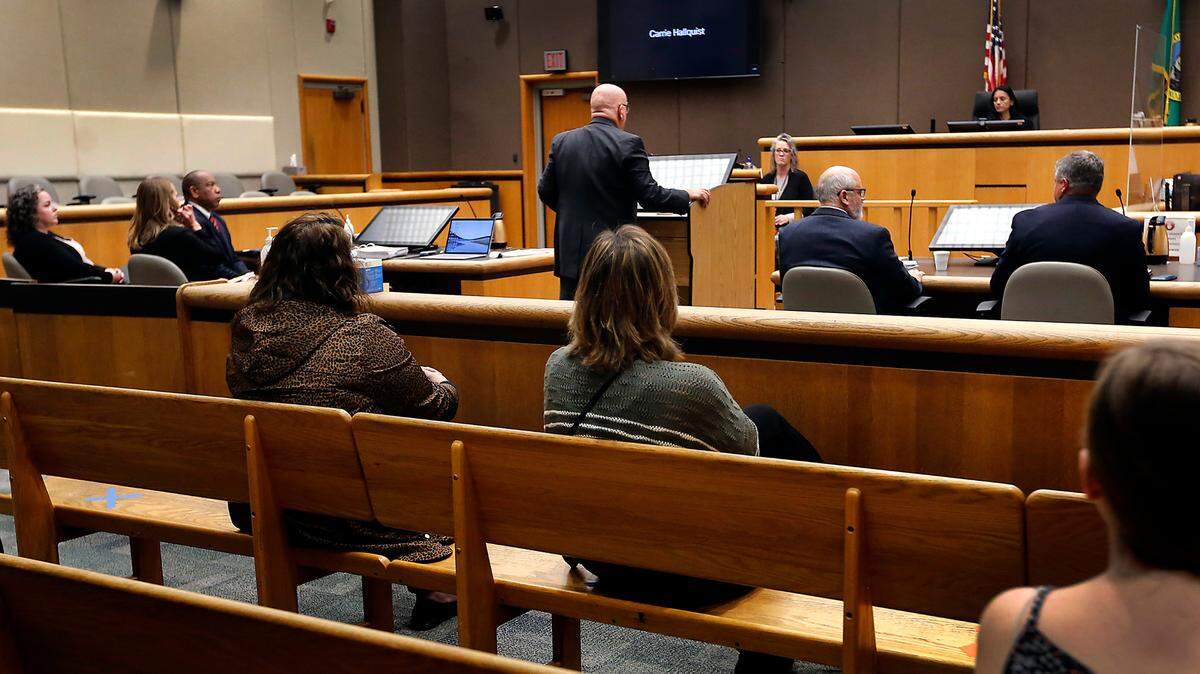
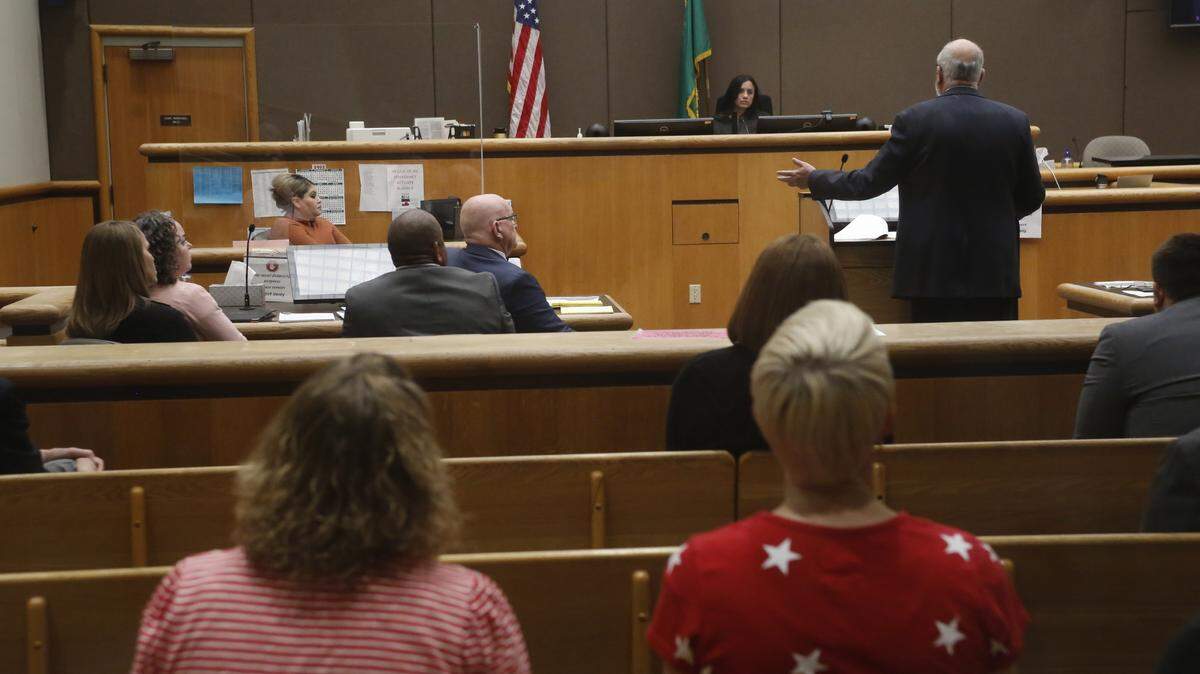
Benton County Superior Court Judge Norma Rodriguez heard three hours of opening arguments and remarks from lawyers on both sides Monday.
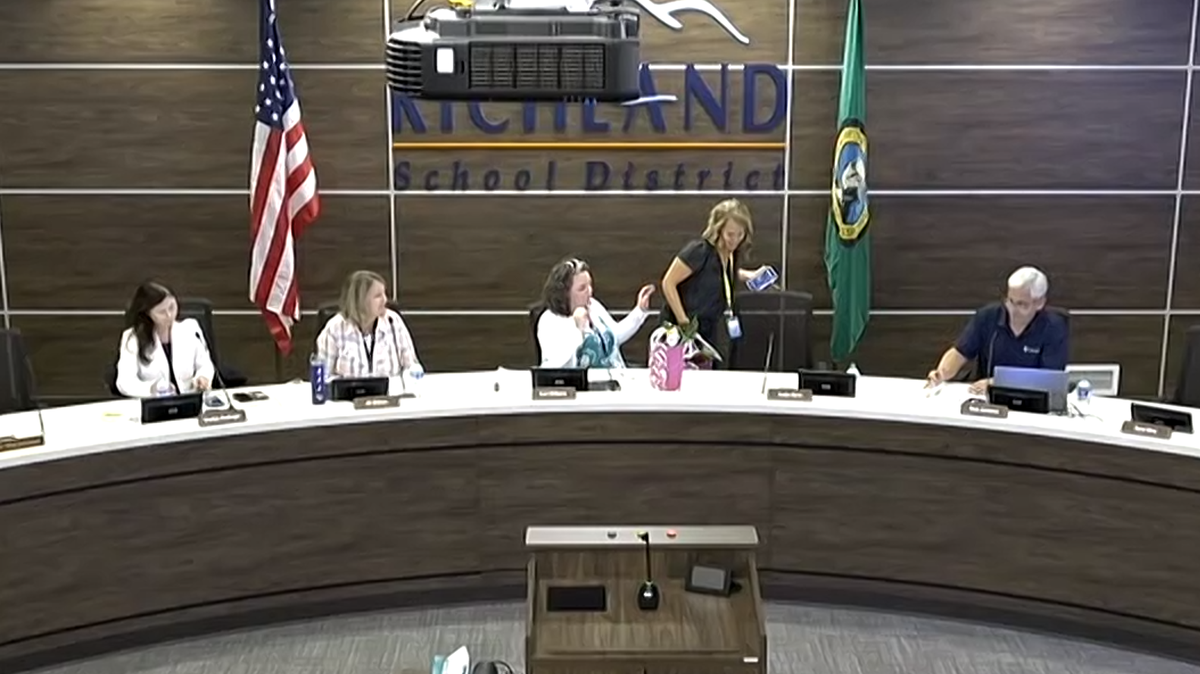
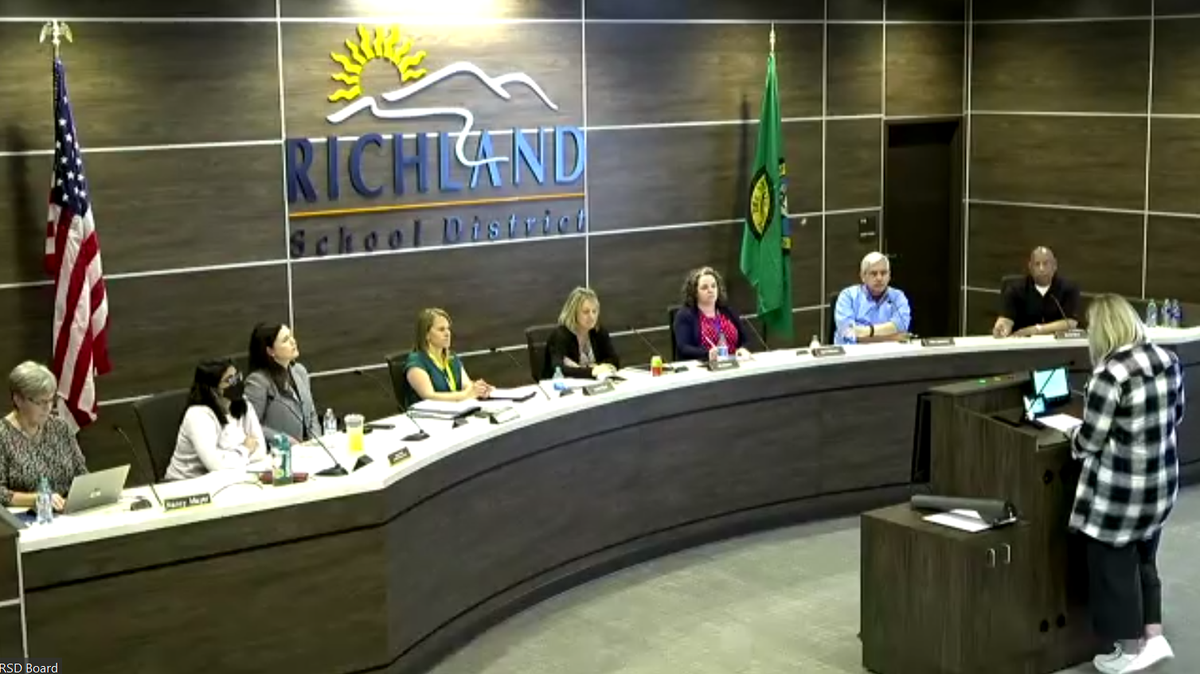
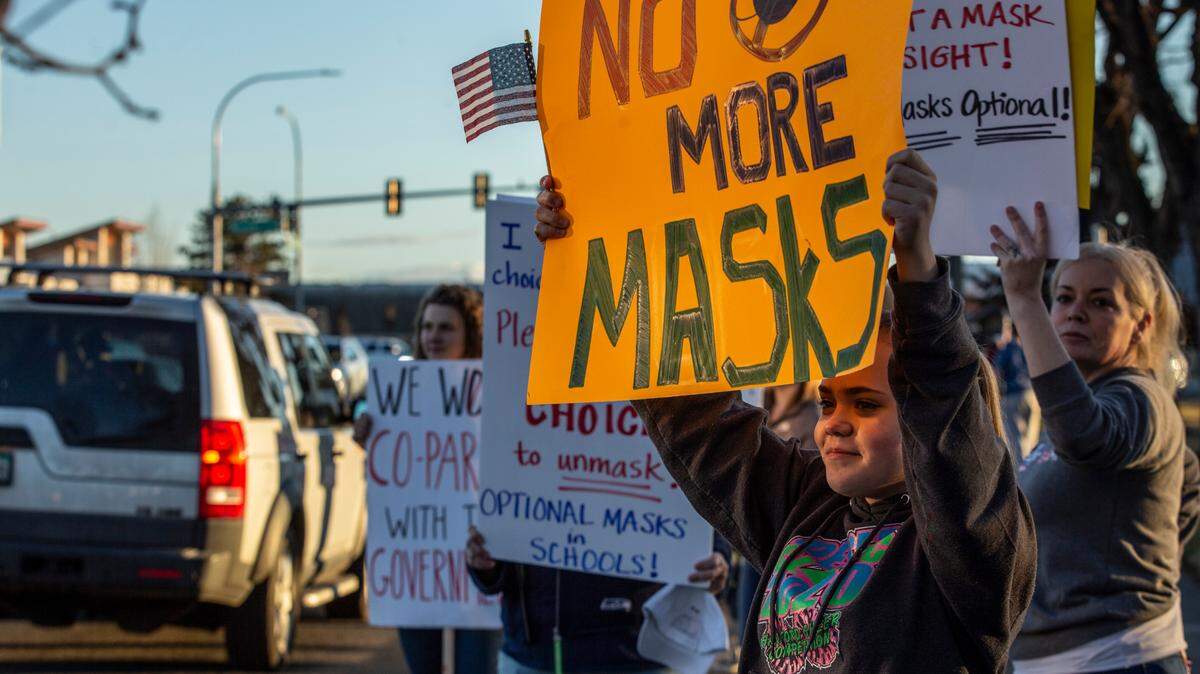
The three board members — Audra Byrd, Semi Bird and Kari Williams — have found themselves in hot water after voting in February to make COVID masks optional, thrusting the school district into risky legal territory and leading to the closing of schools for two days.
Three recall petitions were filed with the Benton County Auditor’s Office on April 11, and county prosecutors drafted three ballot synopses that could potentially go to Richland voters.
Rodriguez has until the end of the day Wednesday, May 11, to decide whether the charges meet Washington state’s definition for recall, and if they’re factually and legally sufficient.
Her decision determines if the recall petitioners can begin gathering the signatures required to put the board members’ names on the ballot.
During the hearing, recall petitioners withdrew the claim that the board members “failed to promptly reverse the unlawful removal of the school mask mandate, thus extending temporary school closures.”
The other five charges are:
An additional charge has been levied against Bird. It claims he violated “free speech rights by censoring and deleting comments on a social media page maintained as a public forum.”
Open meetings violations
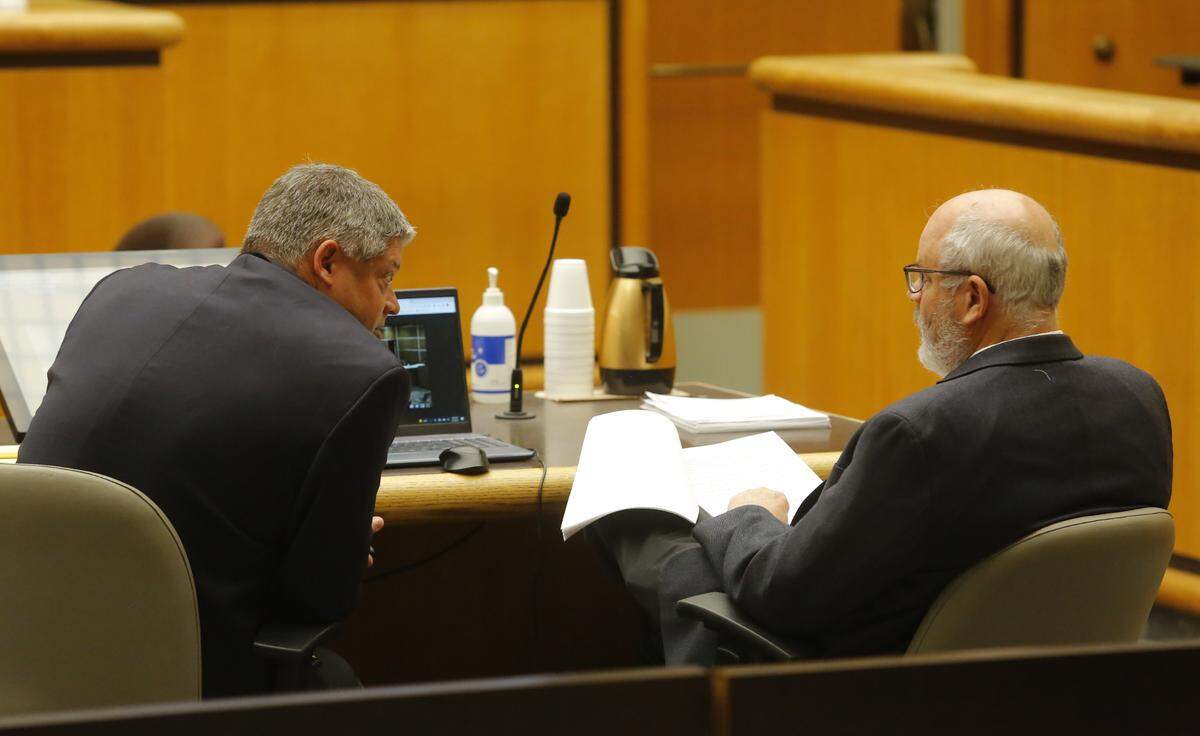
Jerry Moberg, an Ephrata lawyer representing the three school board members, said the allegations lack legal sufficiency and don’t show any intention that the board members knowingly violated the law.
He argued the board members were acting in good faith and believed they were following Washington state’s direction toward removing the mask mandate.
“My clients — regardless of where you are on the political spectrum on the substance of their vote — I honestly believe they didn’t intend to violate the law. They were doing what they thought was right in the best interest of the kids, and I don’t think any politician should be recalled for that,” he said.
Moberg said there’s little factual basis to support the second charge that claims the school board held “secret meetings.”
Brian Brendel, one of the four Richland voters who filed the petitions, alleges the group coordinated a vote through text messages leading up to the Feb. 15 meeting and violated the state’s Open Public Meetings Act (OPMA) in the process.
Lawyer Doug McKinley, who represents the recall petitioners, quoted a social media post from Byrd, that said the vote was a “planned, and group collaborated effort,” that they were waiting for the right political moment and the risks were minimal.
“’We were willing to take the small risks if it meant doing what is right for our students and pressuring Gov. Inslee and (state Superintendent) Chris Reykdal to hold to their word,’” said Byrd’s social media post.
Byrd’s language to people present before to the Feb. 15 meeting also suggested a planned vote on the issue of masking, McKinley said.
Text messages show Bird had been discussing a mask optional vote separately with Byrd and Williams. While Brendel argues that those texts may suggest a “rolling meeting,” Moberg said it was “simply the give and take of discussion among the board members” and there were no intentions to start a meeting.
“There was no evidence in these charges that there was ever a quorum meeting to discuss any school business, and these text message individually to one and then to another do not constitute an open public meeting,” Moberg said.
Another charge also alleges they violated that state law by holding a special meeting and conducting a final vote to make masks optional without first providing notice of the decision and resolution language.
“Resolution 940: Local control” was the only item listed on the Feb. 15 meeting agenda, and information on the resolution was not adequately provided as notice to the public, McKinley argued.
Moberg said there’s no requirements under OPMA requiring resolutions be attached to the meeting materials.
Health authority
McKinley said the school board members were ultimately looking for an authority to confirm their decision.
Despite receiving opinions from three separate legal sources on the matter, the board ultimately decided to go mask optional based on reports of positive COVID trends from Benton-Franklin Health District.
It was done despite warnings from Richland Superintendent Shelley Redinger and state Superintendent Chris Reykdal, who emailed school board members statewide just days before Richland’s vote, issuing a blanket warning that going against the mask mandate was a “willful violation of the law.”
“I mean, how can you be more clear? Their own lawyers were telling them it was a violation of the law, the superintendent was telling them it was a violation of the law. Usually it’s hard to prove knowledge that what you’re doing is illegal — in this case, it’s indisputable,” McKinley said.
He told the Herald later that while he thinks “their hearts were in the right place, I just don’t think that their heads were in the right place.”
Moberg also argued that setting health guidance falls within the district’s purview, and that the board was not bound by the law to uphold district policies it sets on itself and the district.
“I think it’s bizarre that they’re arguing that a violation of the code of ethics can’t be misfeasance or malfeasance under the statute... If you read the statute, it clearly encompasses conduct way beyond mere illegality,” McKinley said.
Social media posts
When it comes to the charge that Bird censored free speech, Moberg said state courts haven’t ruled yet on if private social media accounts maintained by publicly-elected officials constitute a public forum.
The page in question was first used by Bird for campaigning, but later as an avenue to communicate his thoughts on board business following his election.
“Mr. Bird only removed content he believed was hate speech or cyber bullying,” Moberg said. “It wasn’t a viewpoint or a content-related decision. It was folks who, in the passion of the moment, expressed their view in a way that was inappropriate.”
This story was originally published May 10, 2022 at 5:00 AM.