WashCOG requests thousands of records after Richland school official admits deleting texts
READ MORE
Richland School Board Recall Effort
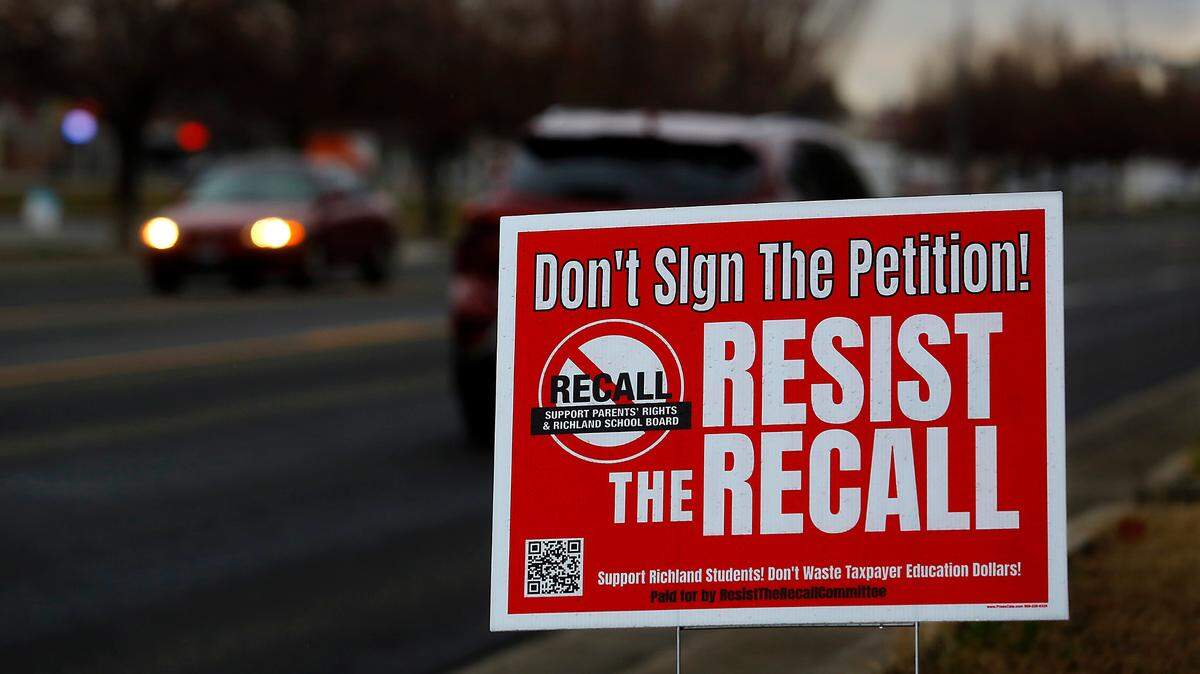
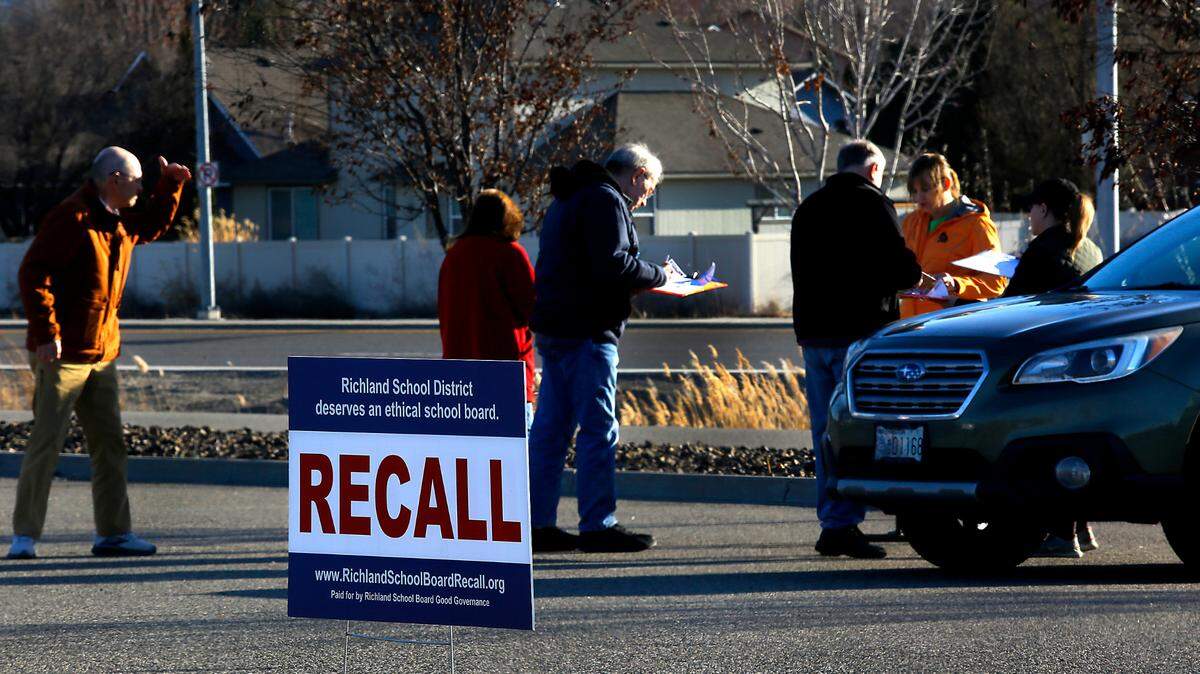
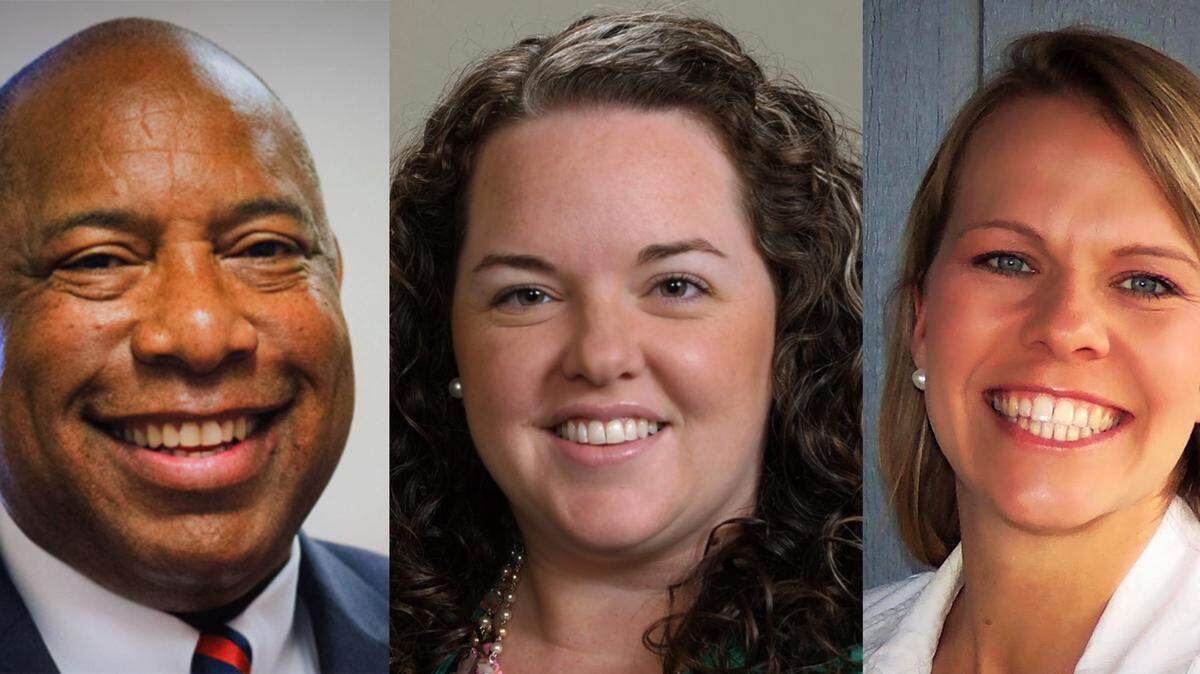
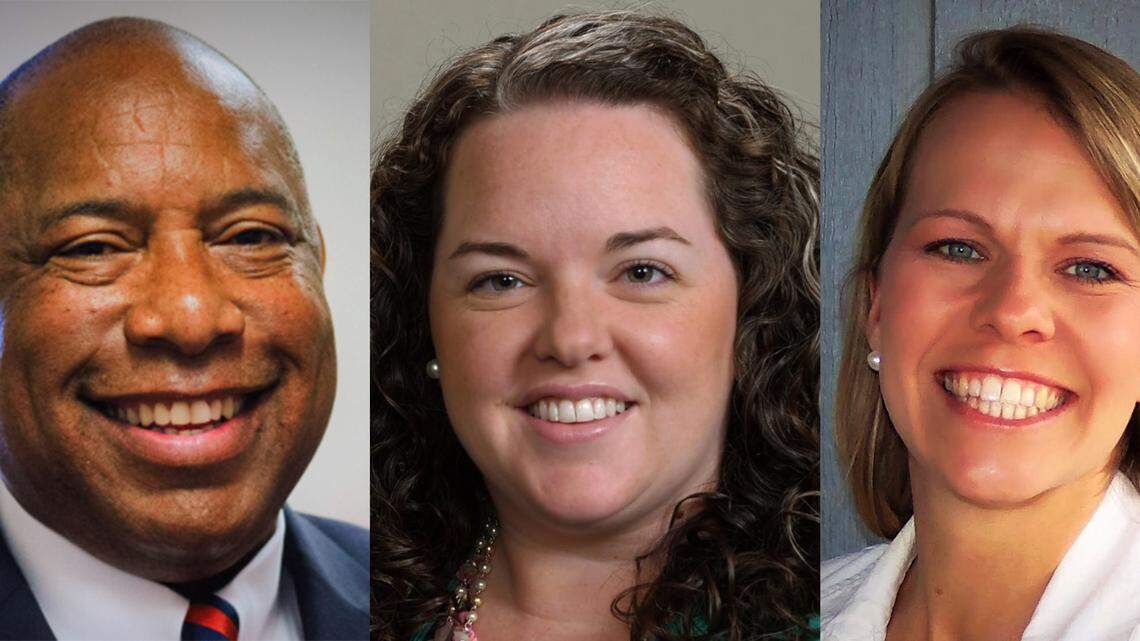
A high-profile group of voters filed to recall board members Semi Bird, Audra Byrd and Kari Williams after their controversial vote to make face masks optional.
Expand All
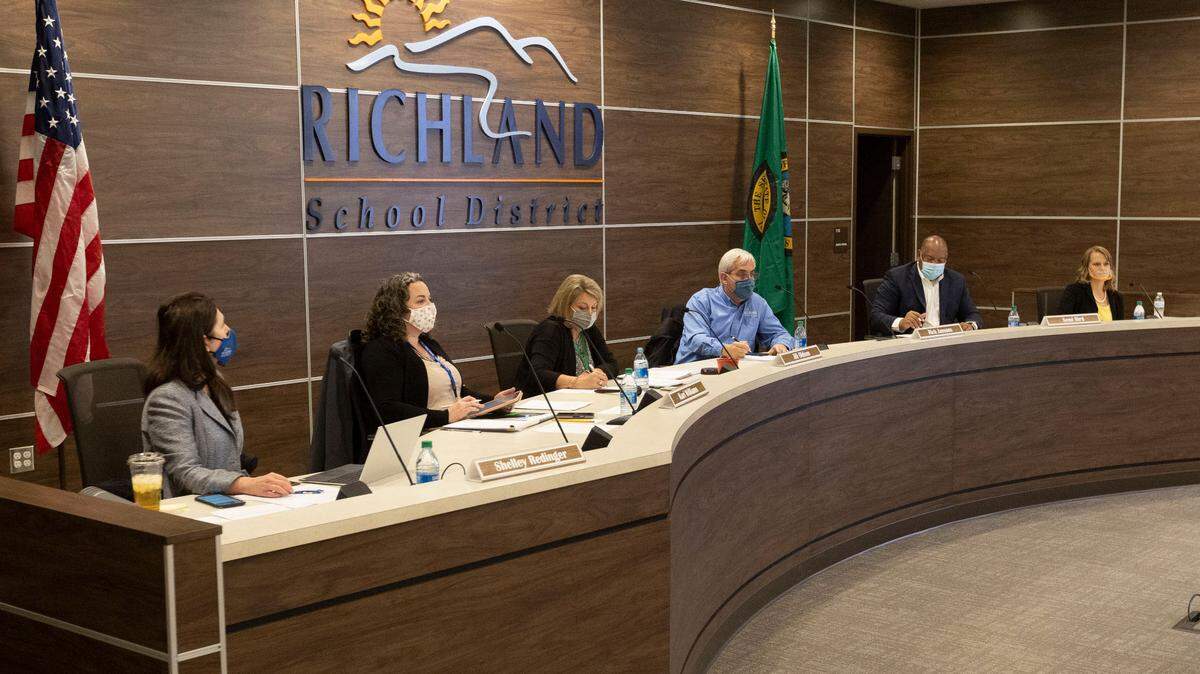
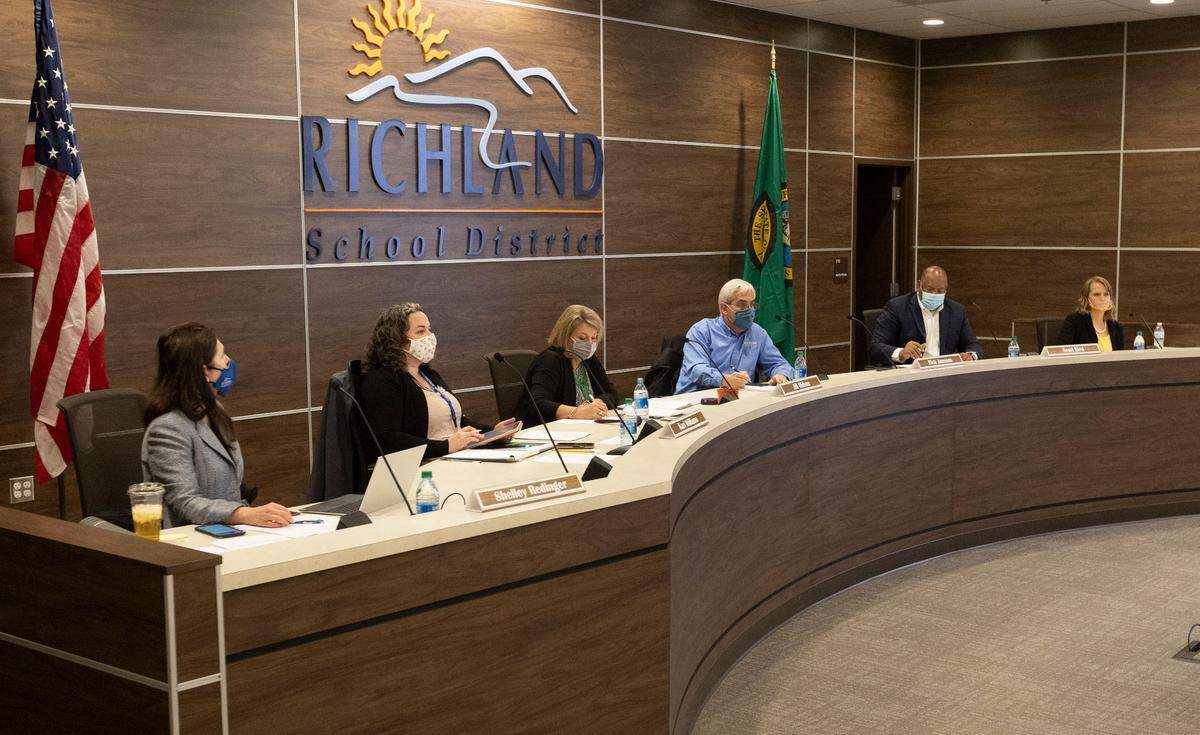
Washington state’s leading open government advocacy group has requested the Richland School District turn over a pile of documents after growing concerned that public records are not being retained correctly.
The move comes days after the Tri-City Herald published a story detailing board member Audra Byrd’s admission that she regularly deleted text messages, saying she had limited phone storage capacity.
Intentionally destroying public records as a public official is a Class B felony under Washington state law.
“What I think is shocking about this particular example is … this just complete lack of concern, lack of apparent comprehension that this was not OK and that this is in fact a felony. If this person has destroyed a public record and cannot retain them, this is a crime,” WashCOG board Vice President Michele Earl-Hubbard told the Herald.
The Seattle attorney has previously represented McClatchy and the Tri-City Herald in different media law cases. On Thursday, she sent a letter on the Herald’s behalf demanding Byrd stop deleting her texts.
“It will be the district, and the children it is tasked to serve, that will ultimately suffer if this illegal behavior is not stopped at once,” she wrote.
The nonpartisan nonprofit WashCOG wants to put the Richland board on notice, ensure records aren’t being destroyed and ensure the public’s interest is accounted for.
The group’s records request was filed Tuesday under the state’s Public Records Act (PRA), and details a specific request for communication records between board members, a list of training the board has received on the state law and public records retention, and any internal discussions about records requests made.
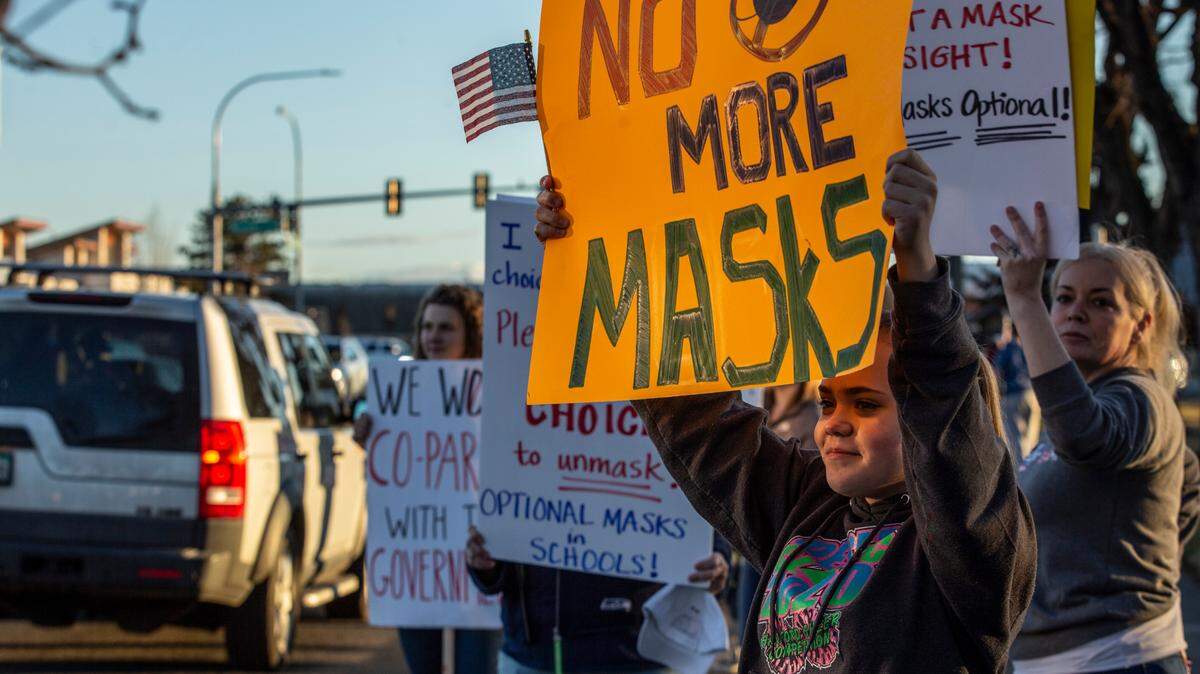
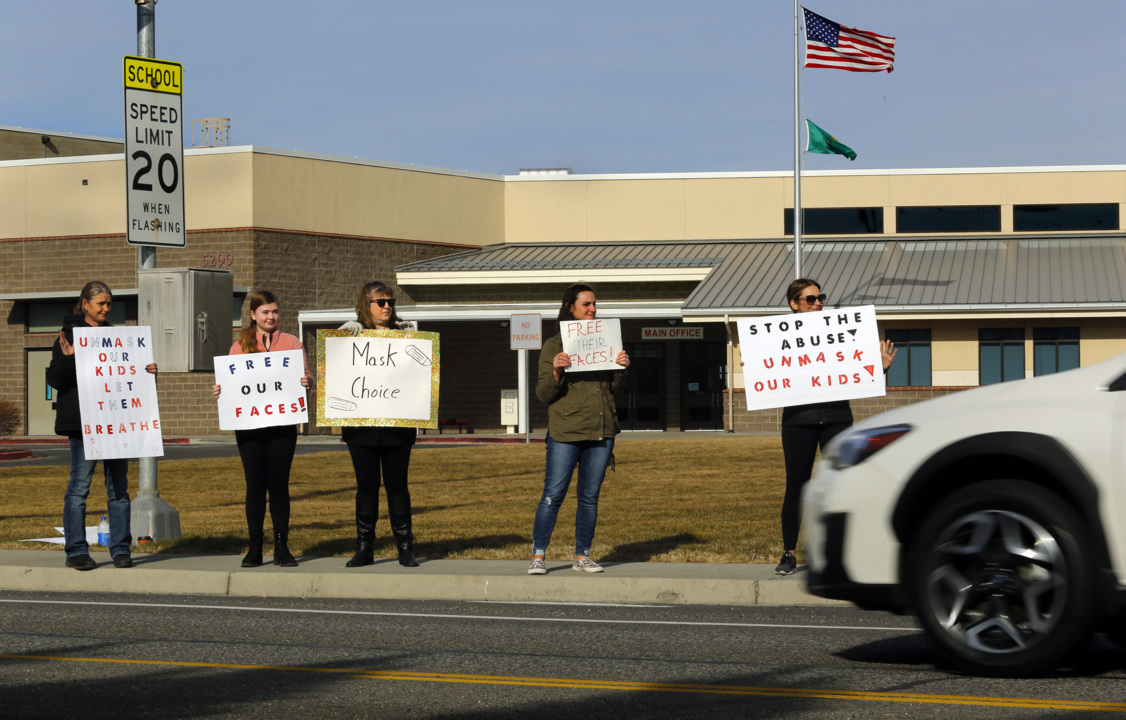
Following a controversial vote by the Richland School Board on Feb. 15 to go mask-optional, the Herald requested any and all communication between board members to better understand their decision making.
Part of the Herald’s request included text messages sent between the board members. Byrd handed over only five screenshots of her text messages, while Williams submitted 38 pages of text messages, including dozens between her and Byrd that weren’t previously disclosed.
“If it comes down to it, I would rather fire (Superintendent Shelley Redinger) and stand up for what is right and deal with the chaos of the teachers union rather than send our kids back to school in masks and giving that power to evil that we would never be able to recover from,” Byrd told Williams.
“And I think a lot of teachers would still show up to school, despite the union ... And I am deleting all of this now [smiley face emoji],” her texts continued.
Byrd later told the Herald that she needs to delete text messages on a regular basis because her phone has little storage space.
She said she planned to continue deleting texts until the district got her a new phone, but she intended to contact her cellphone provider to try to obtain her deleted texts.
Document request
WashCOG requested any and all text messages, emails and communications between Richland School Board members, as well as between the board and district staff.
The nonprofit also requested all training materials and instruction given to Richland School Board members on the PRA and Open Public Meetings Act (OPMA) since 2018.
School board directors are required to undergo training on the state’s PRA, OPMA and records retention within 90 days of taking office.
WashCOG’s request also includes any communications pertaining to board business that were created on personal emails and computers, based on precedent established under 2015’s Nissen v. Pierce County decision.
If the district identifies any records that no longer exist, WashCOG has requested staff explain why they no longer exist.
The organization has requested the date of any destroyed materials, the authority for destruction, names of who destroyed them and any efforts that may be made to recover the records.
Earl-Hubbard said Byrd’s voice message detailing how she deletes text messages due to low storage space brings into question the training Richland board members may have received.
“We just want to make sure this agency understands, ‘Oops, this is off my phone,’ isn’t just the end of the obligation, that they have to go and try and resurrect those records and try to provide them to anyone who has requested them,” she said.
Whose records are requested
WashCOG’s request covers a wide gamut of board members and employees — both current and former.
“It’s time limited. I put a particular time period, but I didn’t limit it to certain individuals,” Earl-Hubbard said.
Communications between board members Jill Oldson, Rick Jansons, Kari Williams, Audra Byrd and Semi Bird were requested. WashCOG also requested communications between the board, staff, and Superintendent Shelley Redinger.
WashCOG has also requested documents — “all communications” — about PRA requests made since November of last year.
Earl-Hubbard said this should peel back the curtain on how district staff and board members view public records, as well as identify any loopholes they may be taking to those from the public.
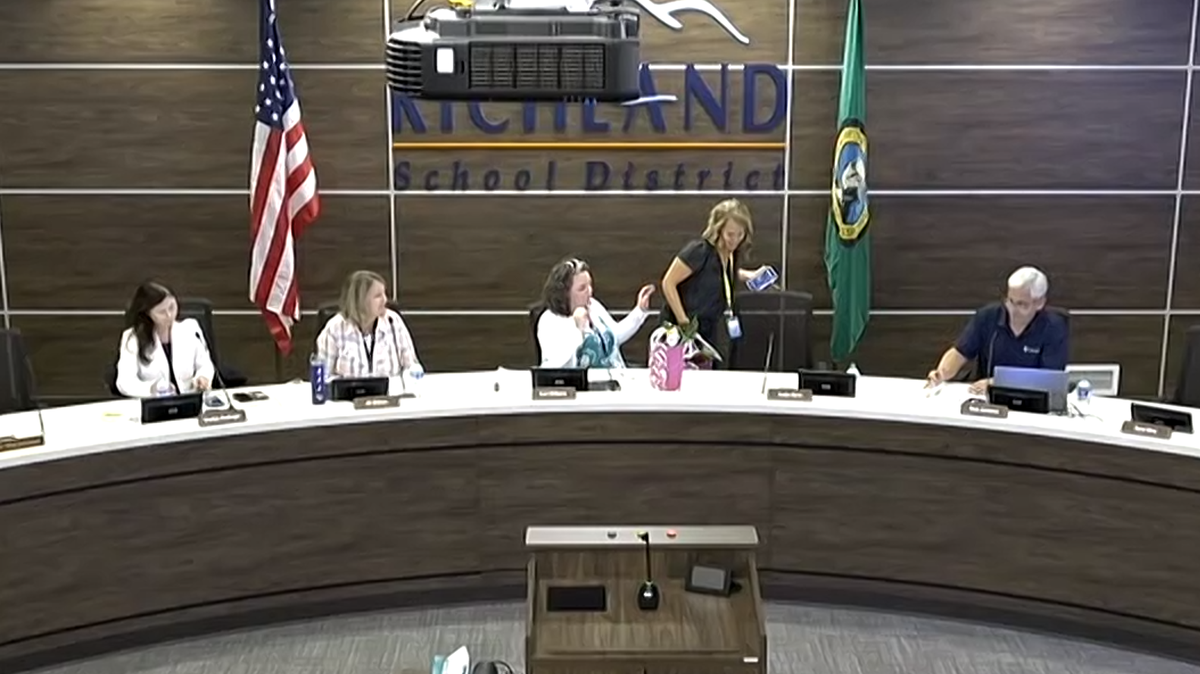
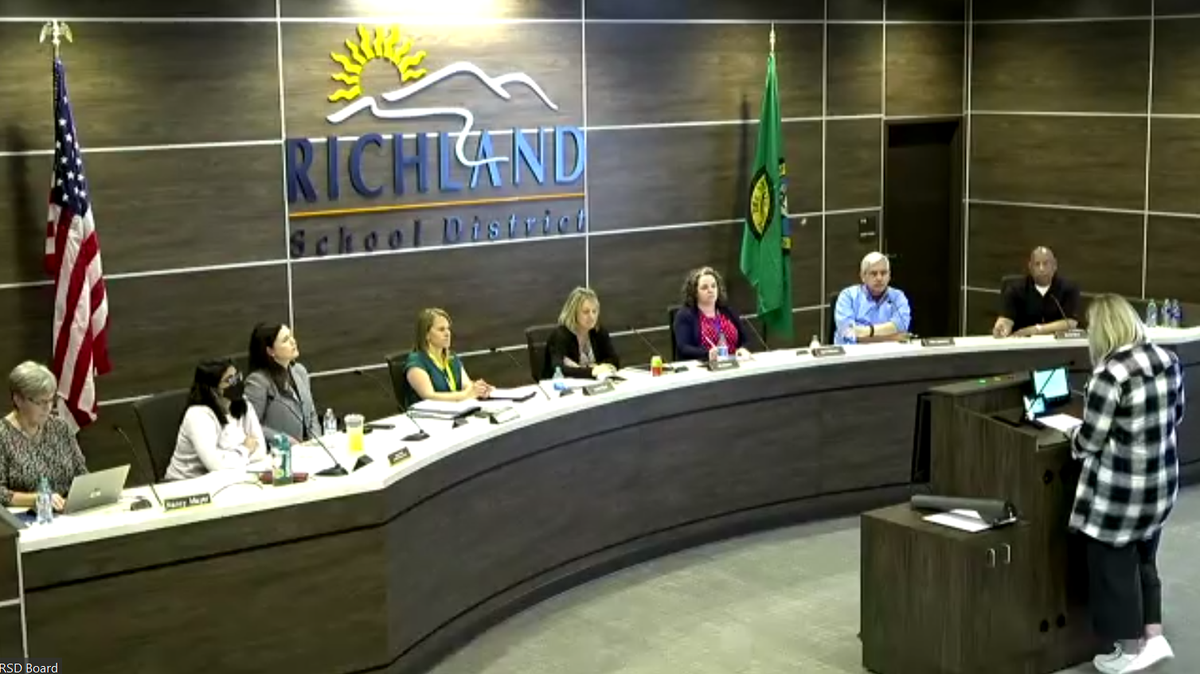
Richland board
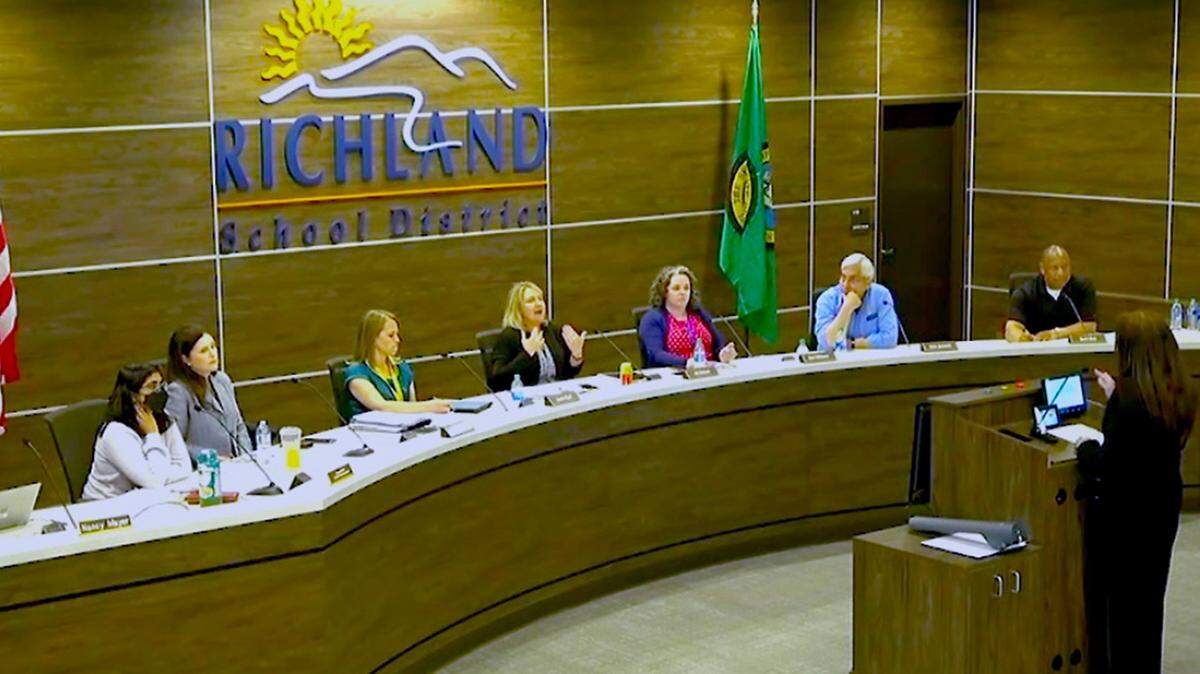
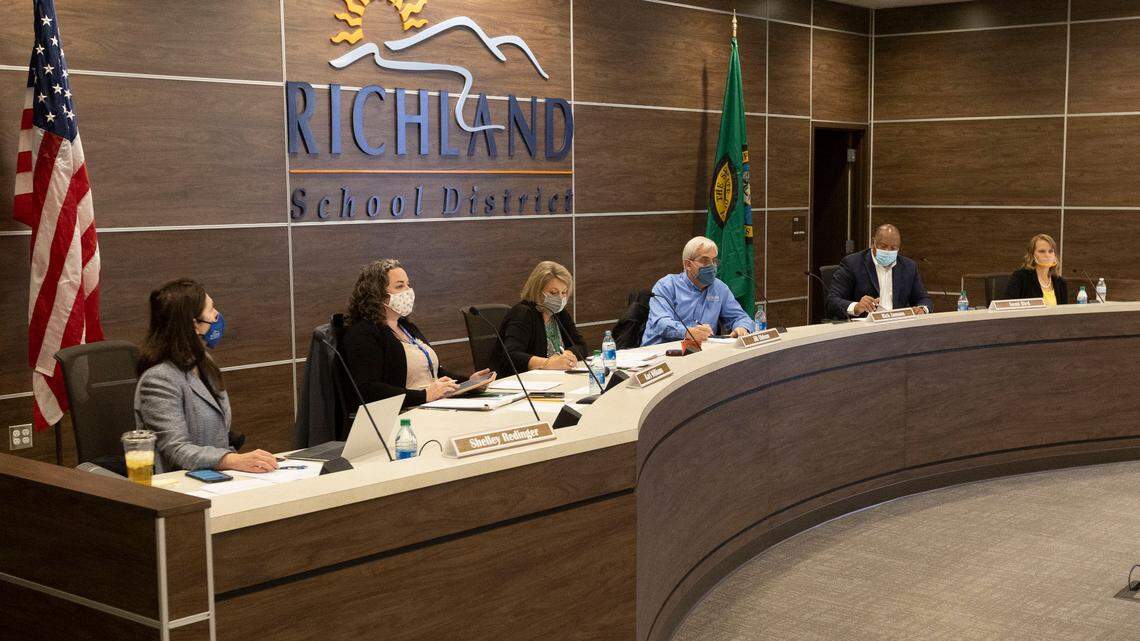
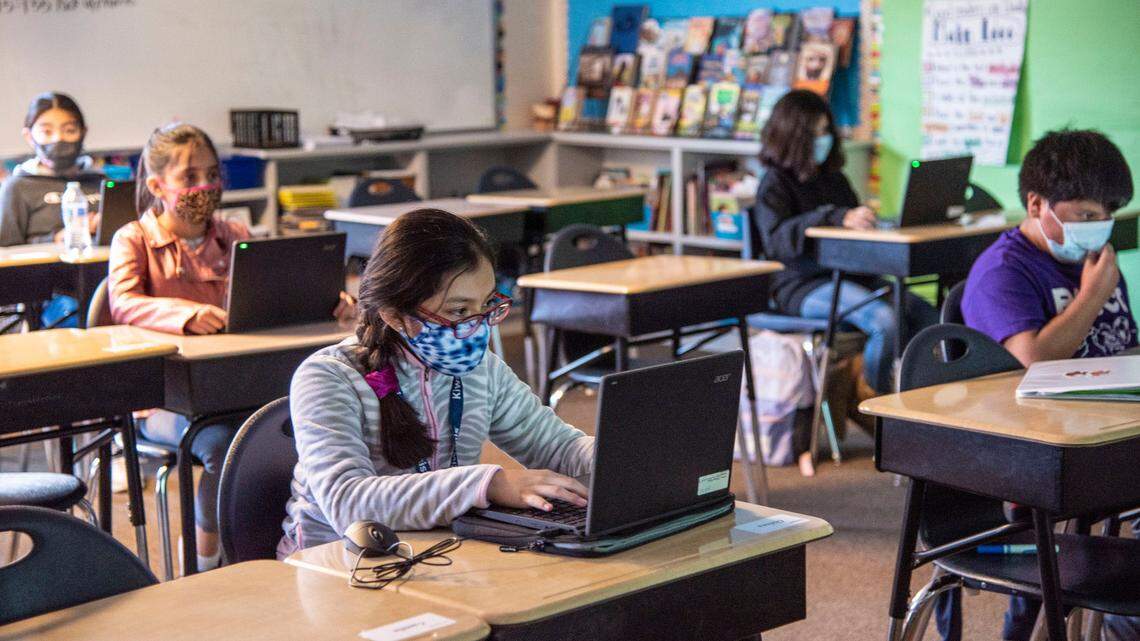
The use of masks in public schools has been a controversial topic since the onset of the COVID-19 pandemic. Board members Audra Byrd and Semi Bird were elected, in part, for their calls to end state mandates at the local level.
The title-only Resolution 940, “Local Control,” started out at a Jan. 25 board meeting as a discussion about COVID vaccines, but at a special meeting on Feb. 15 it became a motion to defy the state and make mask optional immediately.
The vote left the board’s two senior members blindsided. The board’s packet for that meeting didn’t include any information on what they were voting on.
One lawsuit against the district and three board members claims the vote was illegal. Fearing litigation or a reduction in state allocation dollars, the superintendent ordered school closed for two days for the district’s 14,000 students.
Two days after the vote, board members stepped back their decision to go masks optional and delayed Resolution 940’s implementation until March 21, the same date Washington’s mask mandate was due to expire.
Amid the fallout, Bird and Byrd failed at an attempt to oust Oldson from her role as board president.
Records requests for board communications jumped following the board’s out-of-the-blue decision to go mask optional.
The district is currently working through 37 requests, many of which are “very complicated” in nature, according to the district’s public records department.
This story was originally published April 8, 2022 at 5:00 AM.