
Animal abuse charges dropped in case that left WA town ‘heartbroken, outraged and disgusted’
AI-generated summary reviewed by our newsroom.
- They pleaded guilty to felony first-degree trafficking of wildlife.
- They were already under investigation when a welfare check found filth, dead animals.
- A first-degree animal cruelty case against them was dismissed in November 2025.
Two men investigated for animal cruelty at an apartment found in a “horrendous state of filth and decay” have been sentenced to community service hours.
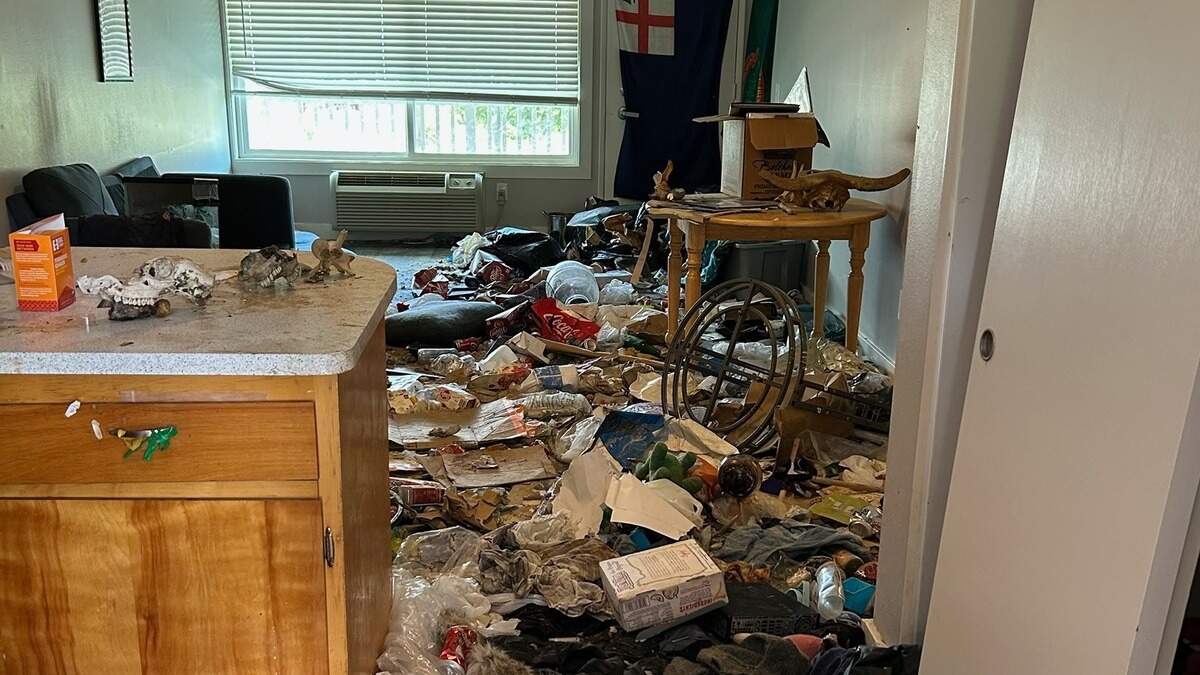
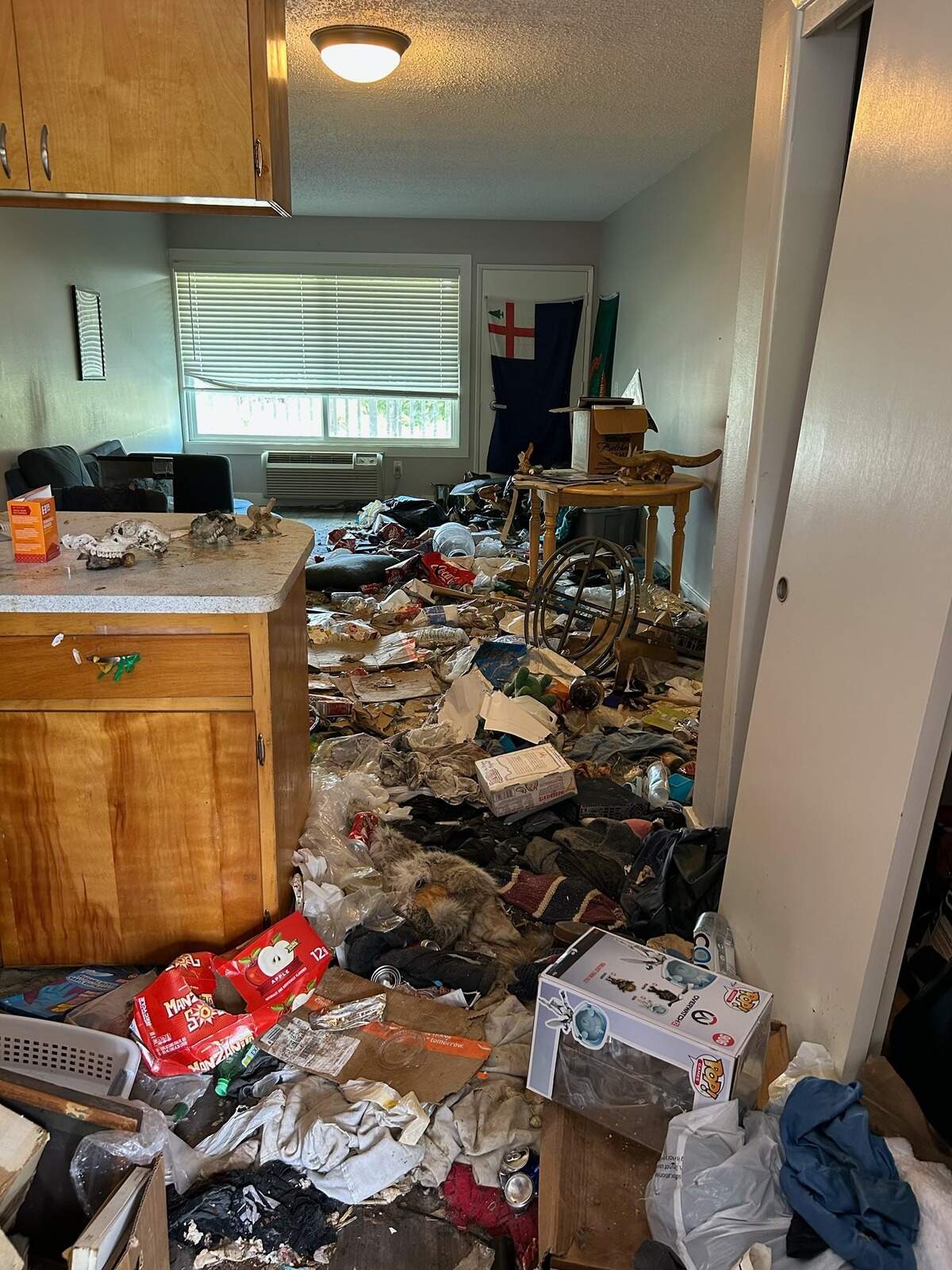
Their sentences came a year after police discovered the carcasses of birds and cats, piles of feces and trash and two live dogs trapped inside a College Place apartment.
However, this week’s sentences in Walla Walla were not directly related to what officers found when a neighbor called about the foul odor at the apartment leased by Austen Dean Devaney, 20, and Benjamin William Tucker Read, 22.
Instead, they pleaded guilty and were sentenced for illegally wildlife trafficking and rehabilitating wild animals without a permit, following an investigation by the Washington state Department of Fish and Wildlife.
The agency already had been investigating Read and Devaney, who also has used the name Tavi Dean, when the troubles at the apartment were discovered on May 18, 2025.
Attempted sale to WA officer
Earlier in May 2025, Devaney and Read tried to sell the hide of a mountain goat, a protected species, to an off-duty state Fish and Wildlife officer, according to court documents.
At a booth at the Walla Walla Spring Fling they told the officer that they could not legally sell the hide, but that if they sold him a rabbit pelt for $900 he would also receive the mountain goat hide as a gift. They said the hide was worth $1,500.
Other officers already had received a tip in April 2025 that they were unlawfully rehabilitating wildlife in Walla Walla County through a business called Feathers and Scales Sanctuary. They had neither a state nor federal wildlife rehabilitation license, according to court documents.
The person who gave officials the tip was concerned about the welfare of wild and domestic animals Devaney and Read were caring for.
Officers also found social media posts about an unlicensed taxidermy business the two owned, and online photos that showed they possessed dead wildlife. Possessing dead wildlife requires permits or licenses they did not have.
Read told officers they collected wildlife bones from a government road-kill pit near Touchet, which is not open to the public, according to court documents. Social media posts also indicated the two had picked up roadkill.
They offered an African lion skull for sale but apparently did not possess the federal permit required to sell it, according to court documents.
Law Enforcement also seized multiple dead animals and animal parts from the College Place apartment.
Read told officers that some of the animals or animal parts seized from the Yakama Nation, but neither of the two were enrolled members of the tribe, according to court documents.
Read also told law enforcement that some of the items seized had been given to them, some of which law enforcement was able to verify, rather than animals they had killed.
Some also were associated with Devaney and Read’s unlicensed taxidermy business Osteo-Artistry, according to court documents
Dead animals in apartment
Fish and Wildlife officers were preparing to conduct more undercover work with a goal of serving search warrants at homes linked to Read and Devaney when police were called to the apartment problem in College Place.
Court documents said College Place police officers found two dogs alive but in poor condition inside, along with a few “barely alive” birds. The birds died soon after.
The German shepherds reportedly came from a program at the Washington State Penitentiary in Walla Walla.
“There were deceased animals all over the apartment floor, some of which were identified as possibly being wildlife,” according to court documents.
The smell was “unbearable,” said one officer in a court document.
In a freezer, investigators found pelts of otters, coyotes and a cougar and the carcasses of a badger and squirrel, along with the carcasses of a great horned owl, a norther flicker woodpecker and a red tail hawk, which are protected species.
They were initially charged with first degree animal cruelty in May 2025, but they were dismissed because prosecutors did not believe the case could be proven beyond a reasonable doubt.
Read initially told investigators he and Devaney had been traveling for more than a month and that a friend, whose last name he said he did not know, had been staying at the apartment and was supposed to care for the animals.
The neighbor who asked for a welfare check told police she had not seen anyone at the apartment for months.
At the time, College Place Mayor Norma Hernandez posted on social media that she was “heartbroken, outraged and disgusted by what was discovered. The suffering inflicted upon these innocent animals is beyond comprehension and has shaken our entire community.”
Unlicensed wildlife sanctuary
A Facebook page that has since been taken down said Feathers and Scales Sanctuary rehomed and rehabilitated pet birds and reptiles and showed photos of exotic birds and reptiles they claimed to have in their possession, said court documents. The page falsely said the sanctuary was licensed through Washington state to possess and train falcons.
One witness interviewed in the case said that Read and Devaney told him they were charging large fees for rehabilitating wildlife.
Read told law enforcement when he was arrested in May that the sanctuary business was not active and that it had taken in only a few animals.
A squirrel died the same day they took possession of it. They left it in a ditch because it was foaming at the mouth, he said, said court documents.
A falcon that had been shot was turned over to the Pioneer Park Aviary in Walla Walla, but died, and a starling was released after one day, he told investigators.
Wildlife licenses and permits
Court documents said Read and Devaney did not have valid licenses or permits, such as a trapping or hunting license or a roadkill salvage permit, for the wildlife and wildlife parts they possessed, according to court documents.
In order to possess wildlife found dead, Read and Devaney would have needed to possess a special permit from the state Department of Fish and Wildlife, which there was no record of them obtaining, according to a court document.
They would have needed possession statements from the people who killed the wildlife for most of the carcasses and pelts they had been given, it said.
The animals they had for taxidermy were required to be listed in a logbook for each specimen, which would serves as a possession statement, but no logbook was not found, the court document said.
Washington state Department of Fish and Wildlife records show that neither Read nor Devaney had ever been issued a falconry license, a scientific permit or a wildlife rehabilitation permit that would have allowed them to possess living wildlife, according to the court document.
During the Fish and Wildlife Department investigation 30 items were seized, with the agency unable to confirm where many were obtained.
Complaints had been made by customers of the taxidermy business that work had not been done on their specimens, despite their down payments.
They ended up pleading guilty to felony first-degree trafficking of wildlife and misdemeanor wildlife rehabilitation without a permit. They were sentenced Monday, June 15, to 120 hours of community service and a year of probation.
They also must pay restitution to two customers.
As part of an agreement in the case, six charges in Walla Walla County were dropped, including two charges of third-degree theft; second-degree theft; commercial wildlife activity without a license and two charges of wildlife rehabilitation without a permit.