
11 rattlesnake bites in WA already. Tri-Cities area among most at risk
AI-generated summary reviewed by our newsroom.
- The Washington Poison Center has received 11 rattlesnake bite calls this year.
- Benton County is one of the most likely areas of the state for rattlesnake bites.
- Call the Washington Poison Center and get medical care immediately after a bite.
The Washington Poison Center has received calls for help for 11 rattlesnake bites already this year, about half as many as reported in all last year.
The count likely is low because health care providers are not required to report snake bites to them, the center said.
Last year it received 21 calls, most of them from dry and rocky areas in Eastern Washington. The highest numbers of bites were in Benton, Grant, Spokane, Whitman and Chelan counties.
Most were between April and August.
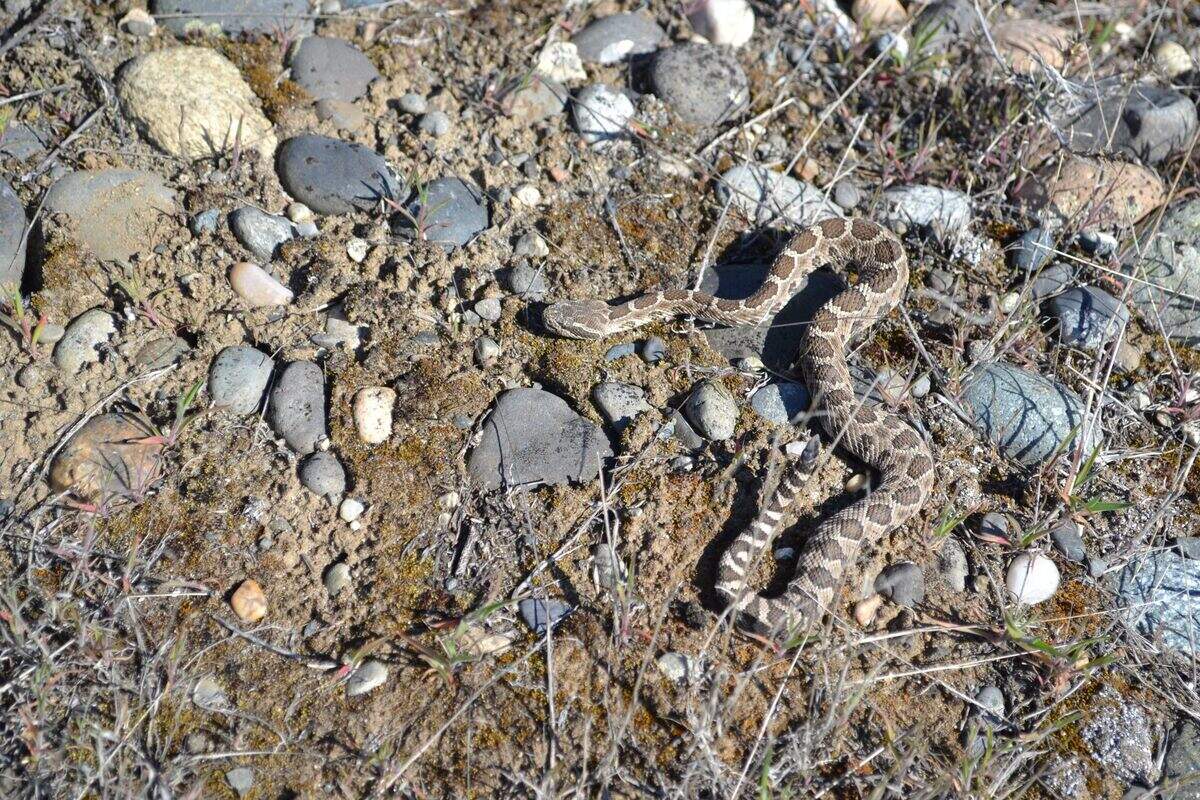
Western rattlesnakes, the type living in the Tri-Cities area, emerge in April from dens where they overwinter.
This year, Tri-Cities residents began reporting seeing them in early to mid-April in places such as Badger Mountain hiking trails and McBee grade trails near Benton City.
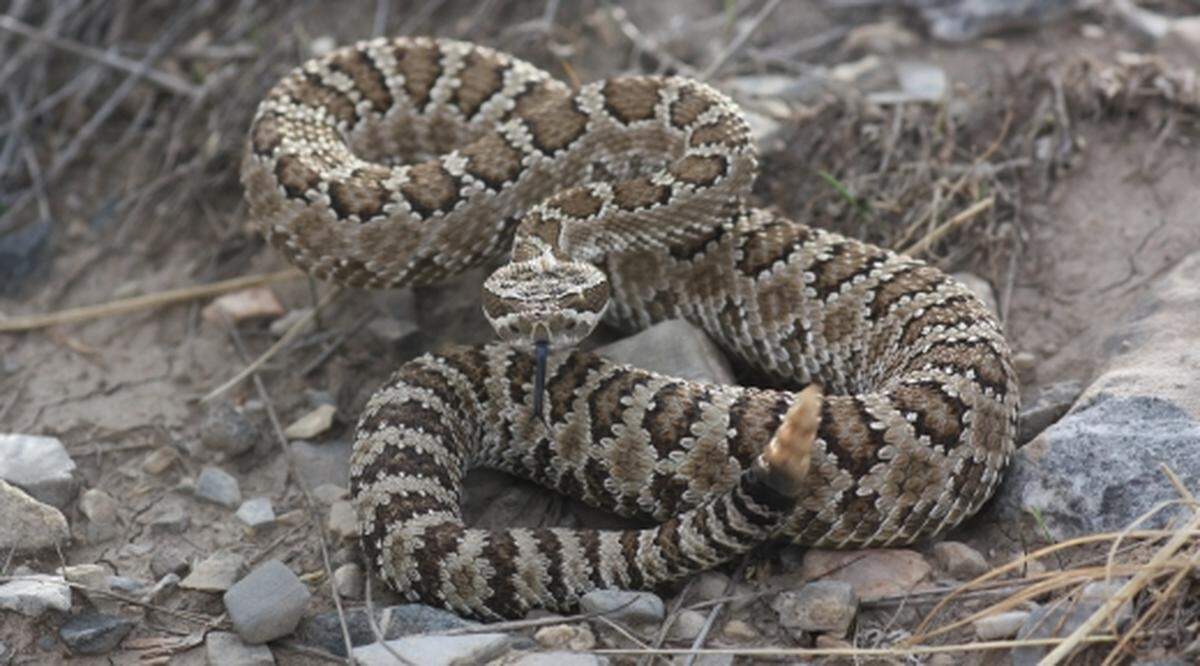
Although there was speculation on social media that the unusually warm winter contributed to more rattlesnakes than usual this spring in the Tri-Cities area, the Washington state Fish and Wildlife said it did not think that contributed much to the current population. Rattlesnakes are well protected from cold winters in their dens.
But their behavior does change with the heat.
Hikers may be less likely to be surprised by rattlesnakes during mid-summer, according to state Fish and Wildlife. Rattlesnakes shelter from the heat under shrubs and rocks and come out at night, according to state Fish and Wildlife.
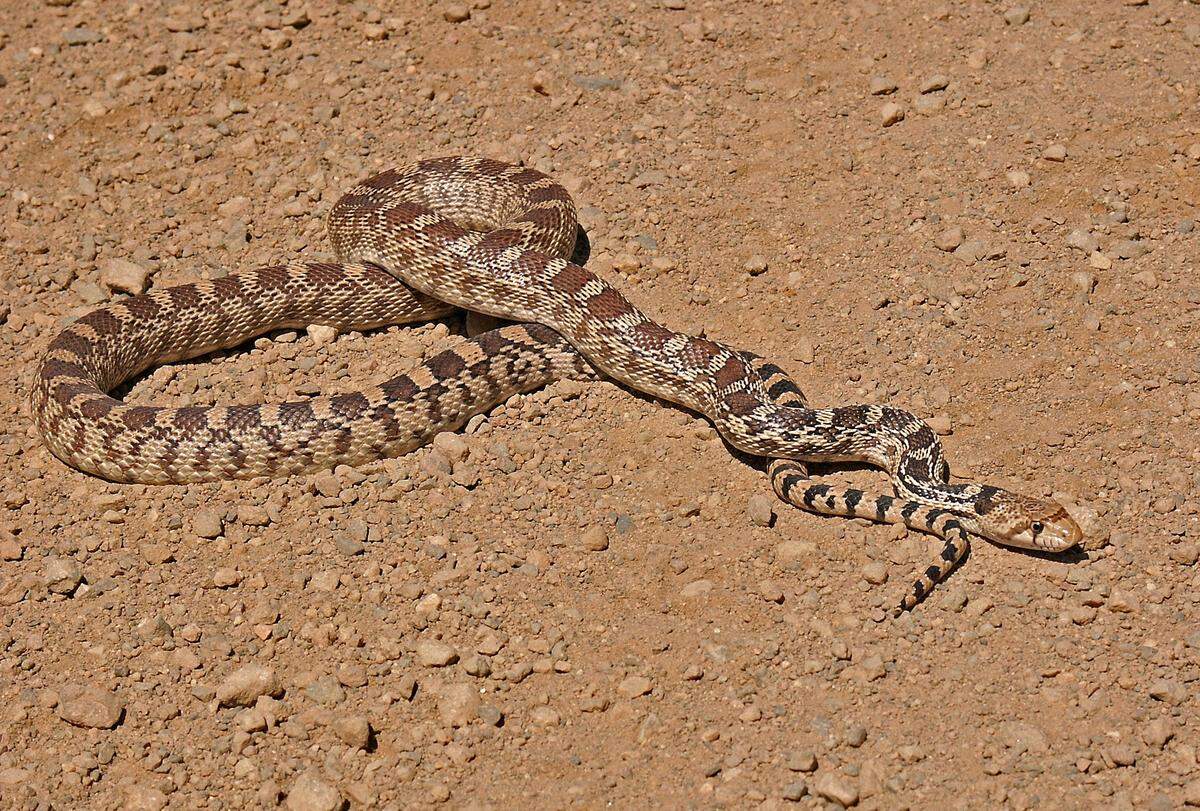
The western rattlesnake is the only snake of medical concern in Washington state. They are sometimes confused with bullsnakes or gopher snakes, which are more common in the Tri-Cities area. They resemble rattlesnakes, but instead of rattles have a pointed tail.
About 20% to 25% of rattlesnake bites inject no venom. For those bites that do have venom, symptoms can start within minutes or hours.
“Unlike what you see in the movies, you do not only have minutes to live,” according to Washington Poison Control. “Bites from western rattlesnakes often cause bleeding and muscle damage, but rarely lead to serious nerve or brain problems like bites from species found in other parts of the U.S.”
Most people who get medical help within a few hours recover well, according to Washington Poison Control, but it urges getting medical help as soon as possible.
The bites, while rarely deadly, can lead to serious health problems and high medical costs, it said.
What not to do if bitten
Some methods of treating a rattlesnake bite may do more harm than good. The poison center advises:
▪ Don’t try to suck out the venom or cut the site of the bite.
▪ Don’t use snakebite kits.
▪ Don’t apply ice.
▪ Don’t use a tourniquet.
▪ Don’t try to capture or kill the snake.
The best tools to use if you get bitten are your car keys and phone, according to Washington Poison Center. Call the center, which is staffed around the clock, and go to a hospital immediately.
What to do if bitten
If someone is bitten, here’s what Washington Poison Center recommends:
▪ Call 911 if the person is having difficulty breathing, swelling starts around the face or the person had been bitten in the face, or the person loses consciousness.
▪ Call Washington Poison Center to locate an emergency room and to have the hospital notified you are on the way. It can also help healthcare providers with treatment.
▪ Keep the bite area still and lower than the heart until reaching the hospital.
▪ Remove rings, watches or tight clothing near the bite in case of swelling.
Prevent rattlesnake bites
To stay safe around rattlesnakes, Washington Poison Center recommends:
▪ Wear boots and long, loose hiking pants.
▪ Don’t step or reach into thick brush, tall grass or rock piles.
▪ If you see or hear a rattlesnake, slowly move away.
▪ Save the number of Washington Poison Center, 800-222-1222, in your cell phone and know the name and location of the hiking trail in case you need to call for help.