
River rescues are on the rise. Tri-Cities officials urge water safety
AI-generated summary reviewed by our newsroom.
- Tri-Cities officials report 13 water rescues in 2025, up from 19 in all of 2024.
- Firefighters cite life jackets as the key factor in survival during river accidents.
- Loaner programs from parks and fire departments offer life jackets at no cost.
The seemingly calm waters of Tri-Cities rivers often hide danger just below the surface.
Slick rocks, unexpected depths and fast currents can make for risky conditions for people who end up in the water, said Ben Shearer, Benton County Fire District 4 public information officer.
The Yakima River has already claimed one life in 2025, and the fire district has responded to 13 water rescues throughout the region this year, compared to 19 for all of 2024.
With the height of summer still ahead, the West Richland-based fire district is sharing the message that people should have their life jackets on and practice water safety if they’re going to be floating on the river.
“(People) go, ‘It’s low. It’s not going to be dangerous out there,’” he said. “They’re not prepared for how cold it actually is after you’re in the water for a while. How slippery a lot of the surfaces are.”
While it may be possible to walk into the Yakima River in some places, the low water level means the river runs faster. Once someone slips and falls into the river, they can be swept along into exposed rocks and trees.
The Yakima river also has low dams, such as the Wanawish Dam near Horn Rapids, which can create hazards if someone is not prepared. The diversion dam has a short drop and creates deadly undercurrents that can trap boats and swimmers. The air trapped in the water also makes a person less buoyant.
Two rafters needed to be saved in May when they tumbled into the water near the dam.
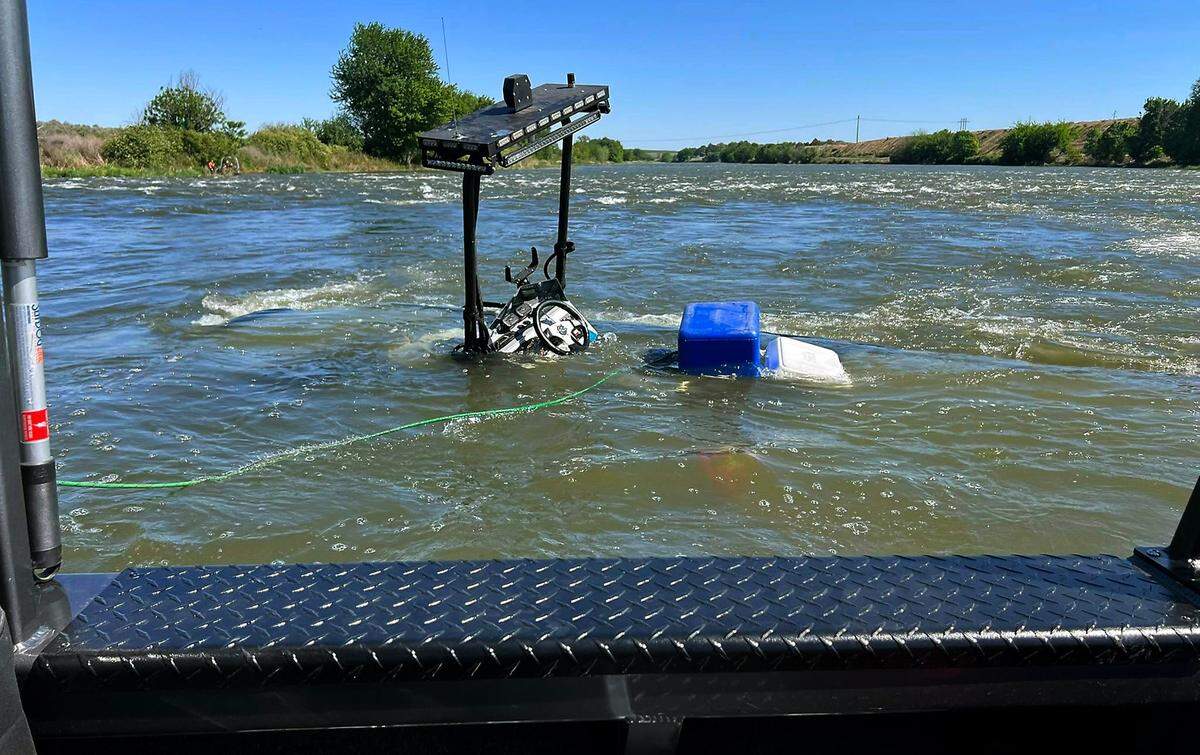
A fire boat sent to help with the rescue ended up sinking as well, sending rescuers and rafters into the water. They ended up floating downstream to where they were rescued.
The shallow Yakima River is popular with thousands of rafters, bass fisherman and people in canoes.
“I think people are looking for inexpensive ways to be cool and entertainment. If it’s not something that you’re used to doing out here, it’s going to catch you off guard,” Shearer said.
Life jackets
A life jacket can make the difference between life and death. A 2019 Coast Guard study found 86% of the people who died from drowning in boating accidents weren’t wearing life jackets.
Drowning is also one of the leading causes of accidental death in Washington, fire officials said in a news release.
“Most of the people we pull out of the water in rescue situations do not have life jackets or personal flotation devices,” Shearer said.
When someone is wearing a life jacket, they are often able to rescue themselves if they end up in the river.
In an emergency it can take minutes for rescue crews to reach the water and to find the person. Firefighters told the Tri-City Herald one of the hardest parts is finding the person who needs rescuing because they’re also moving down the river.
Shearer said it’s important to be wearing the life jacket before going into the water. Otherwise, they’ll find themselves struggling with both the jacket and the water.
“When you’re out there on the water, everybody is like, ‘Oh we’re prepared, we have a life jacket with us,’ but when you accidentally get dumped into the river, it’s too late to try to reach for that jacket,” he said. “Something can happen, the shock of cold water or you hit your head on a rock or a submerged log.”
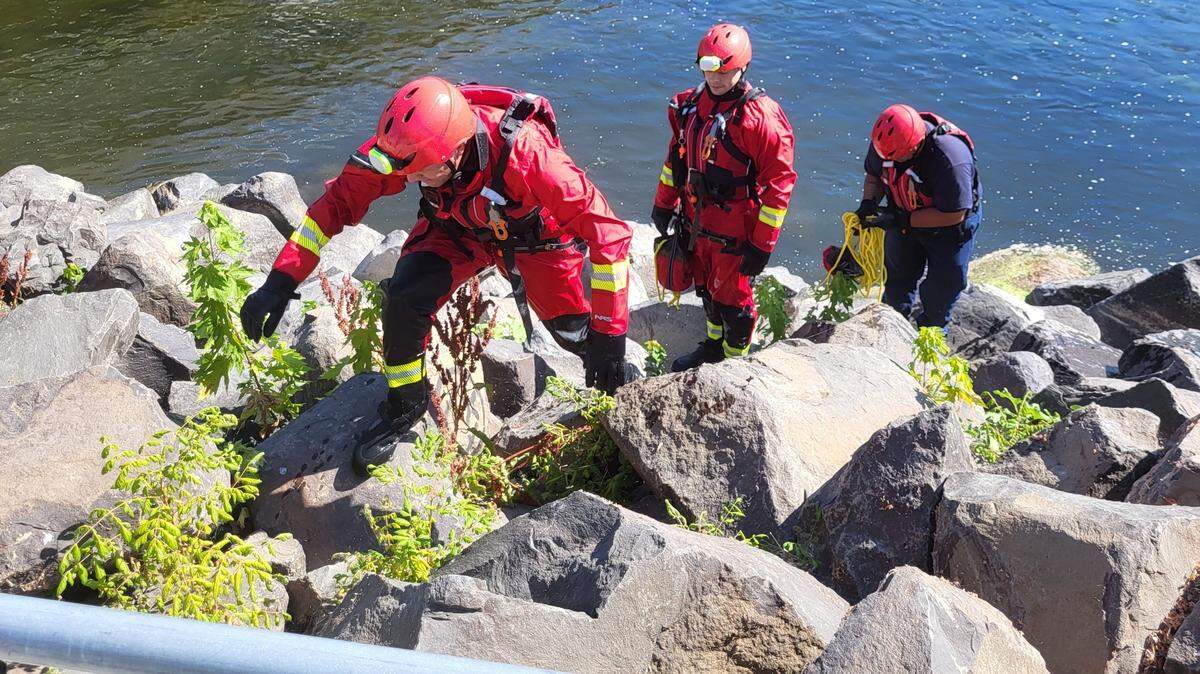
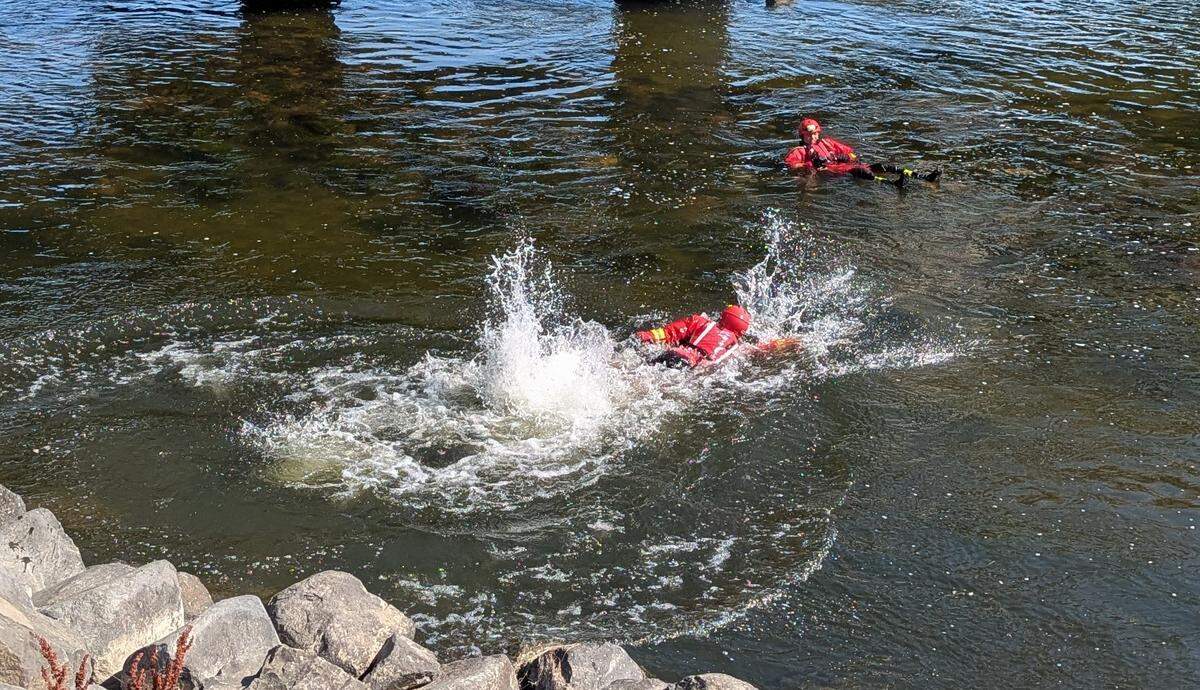
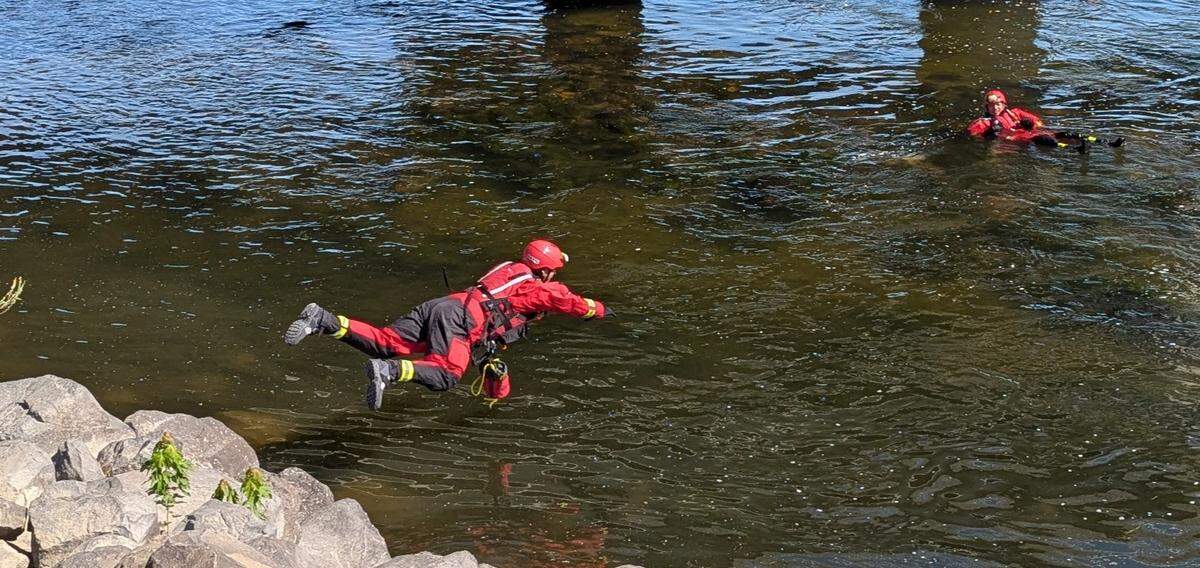
Even the strong swimmers at the West Richland-based fire district go into the water prepared. They wear suits to protect themselves from the cold water, along with flotation devices.
“It doesn’t matter how great of a swimmer you are. It doesn’t matter what kind of athletic condition you are in,” he said. “We’ve had rescues out here for all age groups, all athletic conditions, and if they’re intoxicated it doesn’t help.”
State law requires life jackets for children 12 and younger if they’re going onto the water.
While people have an image of bulky orange vests, modern life jackets come in different shapes and sizes and can be much easier to manage.
Shearer said there are several loaner programs available for anyone who needs life jackets. Usually swimmers and boaters are just asked to return the life jackets after they get out of the water.
The Washington State Parks department maintains a loaner program with several locations through the Tri-Cities. Benton County Fire District 4 offers access to life jackets as well at its Bombing Range Road fire station. Call 509-967-2945 to schedule a time to pick one up.