New housing village to help Tri-City parents rebuild lives, families
AI-generated summary reviewed by our newsroom.
- They’re about $1 million toward the $1.5 million goal
- Sunrise Village includes six cottages plus the original home.
- The Transition to Success program reports a 96% success rate over its 20-year history.
A new cottage community will give Tri-Cities parents a chance to rebuild their lives and keep their families together.
Elijah Family Homes’ Sunrise Village is making progress on a six cottage neighborhood in Kennewick. They’re about $1 million into the $1.5 million goal to pay for the community, but construction is on track to wrap up this summer.
Once fundraising is complete, the nonprofit can start planning its next project. They hope Sunrise Village can become a model for affordably built transition homes.
The cottages will be rented to parents participating in their addiction recovery programs, typically for a stay of up to three years. It’s on Jean Street, near Yoke’s Fresh Market in Kennewick.
Rent will be based on 30% of their income. That’s similar to many low-income housing programs that the parents might not qualify for due to criminal records or evictions related to their addiction history.
Stable housing is a key component of their Transition to Success program, which works with low-income families who don’t qualify for public housing due to criminal history or drug abuse. While in the program participants focus on life skills, goal setting, building personal finance knowledge, developing job skills and beginning to prepare for self-sufficiency.
Executive Director Lisa Godwin said the program has a 96% success rate over their 20-year history.
Many parents don’t have custody of their children when they enter the program, but the stability it helps them build enables the families to stay together.
“Success looks like making it through the 3-year period with all their children with them ....,” Godwin said. “So it would look like being self-sufficient, having a job, understanding their goals, (making) long-term goals in life, not just short-term.”
More than 100 Tri-City families have rebuilt their lives thanks to the program.
About Sunrise Village
Sunrise Village started as a single modest home on a large lot.
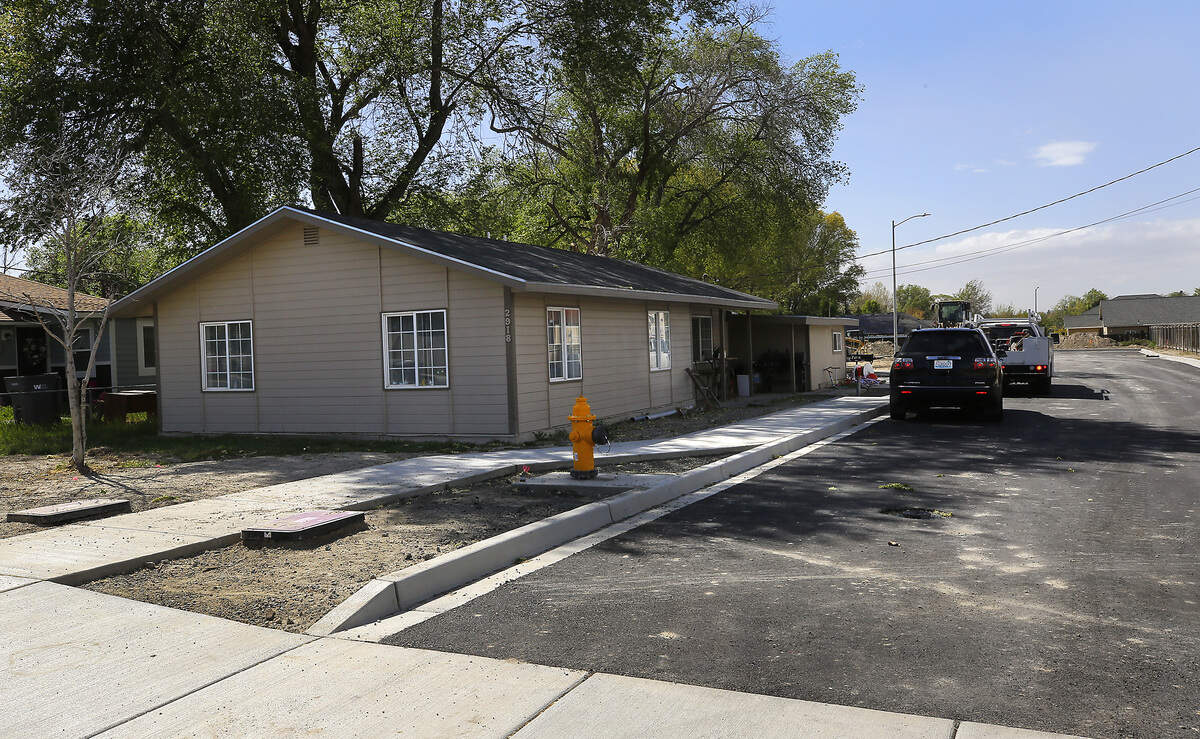
A family in the program is already living in the original home, while a construction crew works to lay foundations for six 2-bedroom, 1-bath cottages that will be about 700-square feet each. They’ve already laid a long driveway and parking lot.
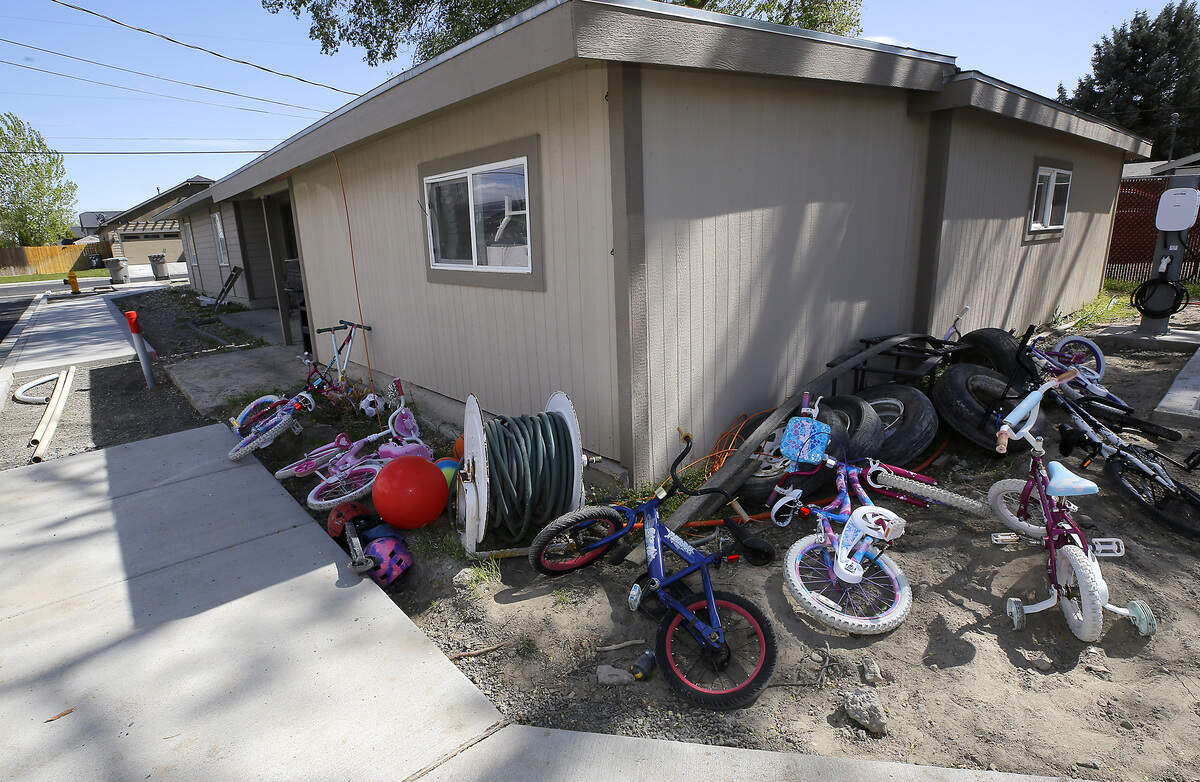
An attached room of the existing home will eventually be turned into a community room for birthday parties and Alcoholics Anonymous meetings.
Godwin said changes to state zoning laws for “missing middle housing” really allowed them to bring the concept to life.
“This is an affordable way for nonprofits who have housing in their mission to meet that mission. $1.5 million for seven housing units is amazing,” Godwin said.
The changes to how lots can be subdivided mean the city and nonprofits can get creative in how spaces are used, ultimately driving costs much lower than previously possible.
“We just want to get the word out so that other nonprofits know that it’s feasible to do, and help them if they want it.”
She credits the Tri-Cities Sunrise Rotary Club with helping kick off the project.
The Sunrise Rotary made the first donation to start the fundraiser with $125,000, and then a member gave another $100,000, Godwin said.
“They really got the ball rolling, and we want to honor them,” she said.
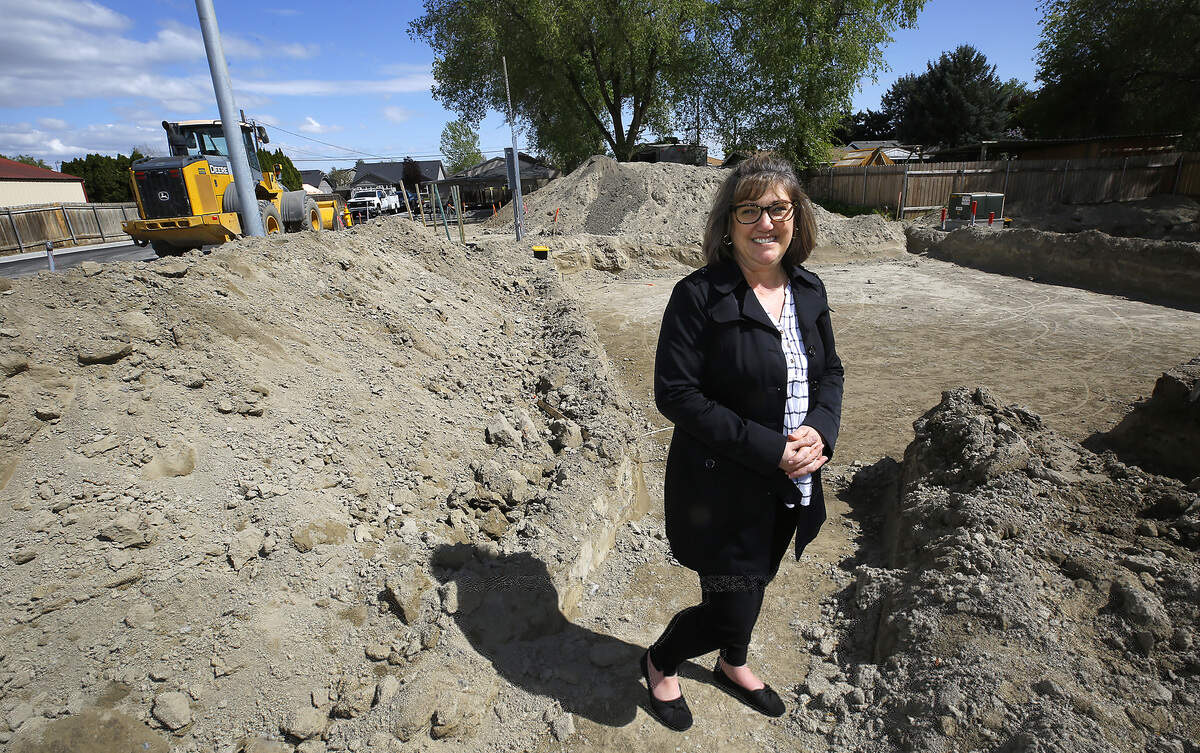
Godwin said they hope to raise the remaining half million dollars to pay off the cost of construction at the village, then start working toward replicating its success without any debt.
“A big part of what we do, and what we’re doing right now, is making sure that we are continuing to be sustainable in our operations,” Godwin said.
The first three cottages should be ready for families to move into around July, with the remaining three completed by the end of August.
“We celebrated our 20th year in 2025 and this is just a great way to start a new chapter for Elijah Family Homes,” she said. “We’re excited about multiplying our efforts in the other cities as well, and even looking statewide at what opportunities are there for us to help those who are seeking addiction treatment.”
To learn more or donate, visit ElijahFamilyHomes.org.