
Warning: Columbia River at Richland park has dangerous toxic algae
AI-generated summary reviewed by our newsroom.
- Anatoxin-a detected at unsafe levels at Columbia River park in Richland.
- Dogs and children face elevated health risks from exposure to toxic algae.
- Information mixed for other water recreation sites in greater Tri-Cities area.
Just in time for the Labor Day Weekend, toxic algae has been detected by the Benton Franklin Health District at Howard Amon Park in Richland.
Signs are posted warning that playing in the water there could make people and pets sick. Six dogs are known to have died since 2021 after wading in contaminated water along the shore of the Columbia River in the Tri-Cities area when toxic algae was present.
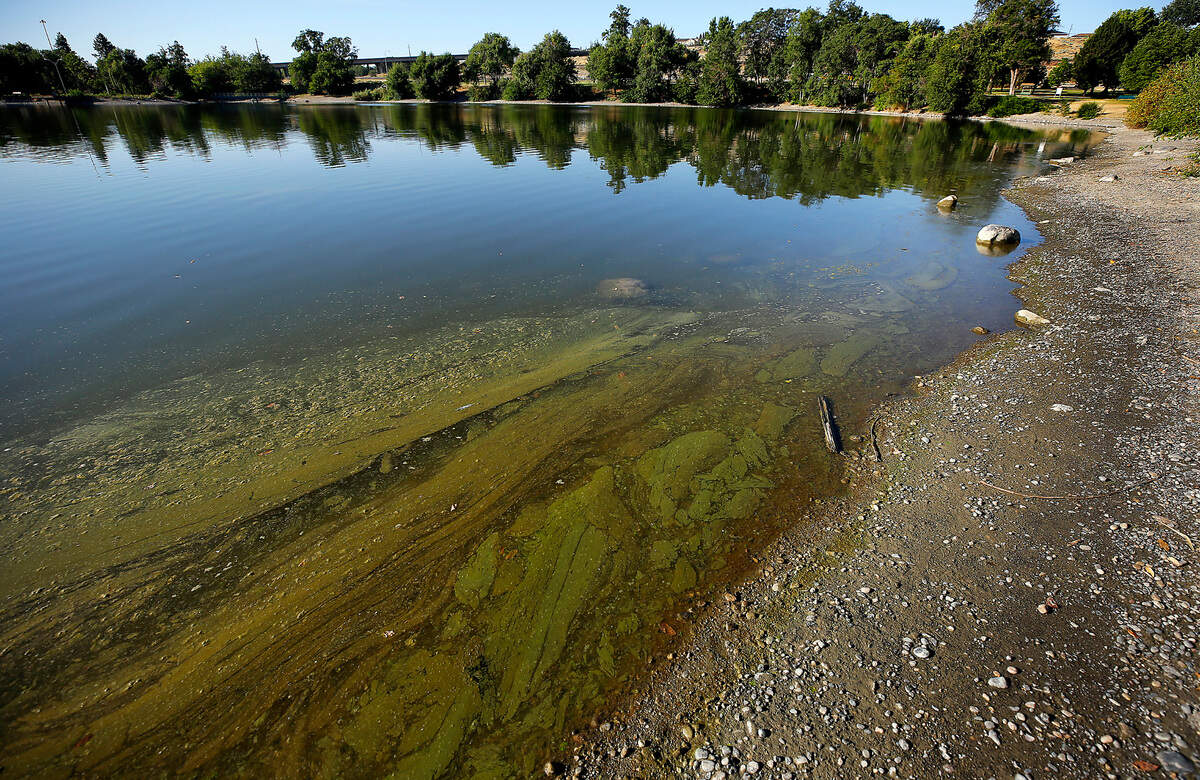
Water samples were collected at Howard Amon Park Monday, Aug. 25, for testing when brown mats of algae were floating near the shoreline.
In the Columbia River, toxic algae typically grows on rocks and other surfaces along the shoreline in green, brown or reddish clumps. It can also look like foam, scum, paint or mats on the surface of still or slow-moving water, according to the health district.
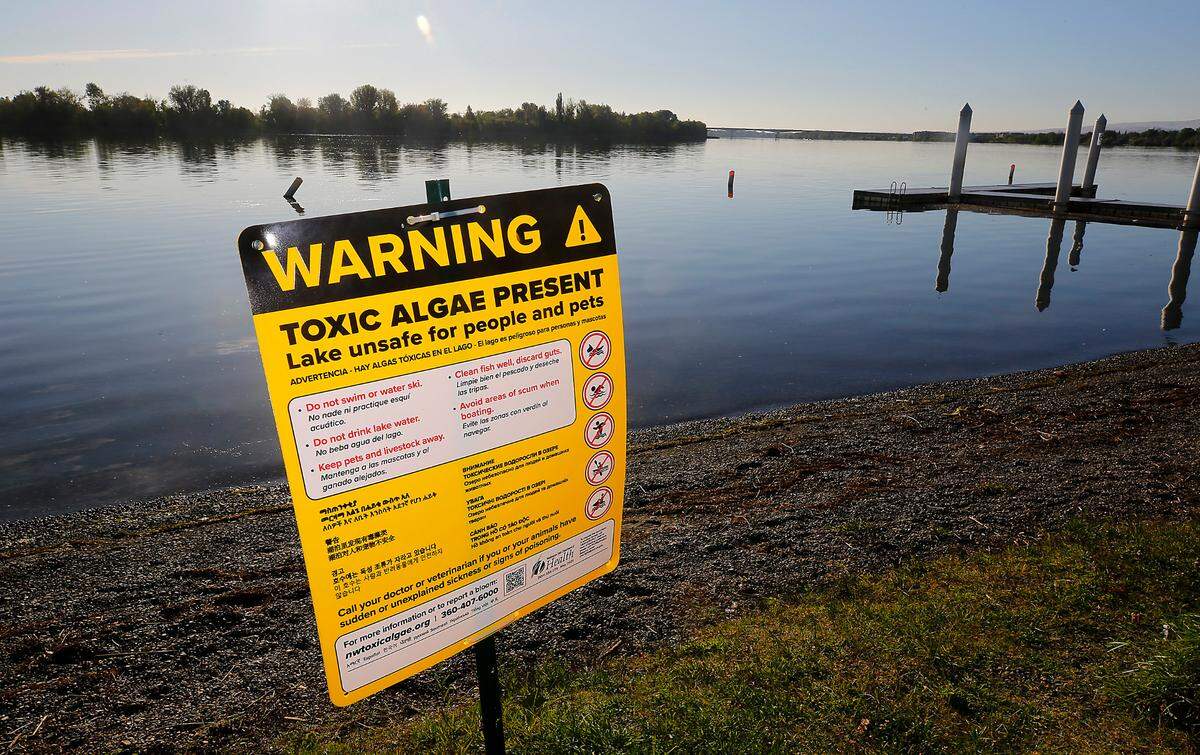
While not all blooms of algae, or cyanobacteria, are toxic, there is no easy or quick way to know if a bloom contains harmful toxins, according to the health district.
Laboratory tests of samples collected at Howard Amon Park showed the water was contaminated with anatoxin-a, a neurological toxin, at levels not safe for people and animals, according to the health district.
Dogs may be sickened if they drink the water, eat the floating muck or lick water off their wet fur.
They may show symptoms as soon as 15 minutes. They need veterinary care immediately.
Symptoms include weakness, staggering, having trouble breathing and seizures.
People may be exposed by swallowing water or inhaling water spray containing the toxins. Young children are particularly at risk.
Symptoms in people include numbness around the mouth, tingling in fingers and toes, and dizziness. They should get medical help immediately.
People who go into water that might contain the toxin should rinse themselves or their dogs off afterward.
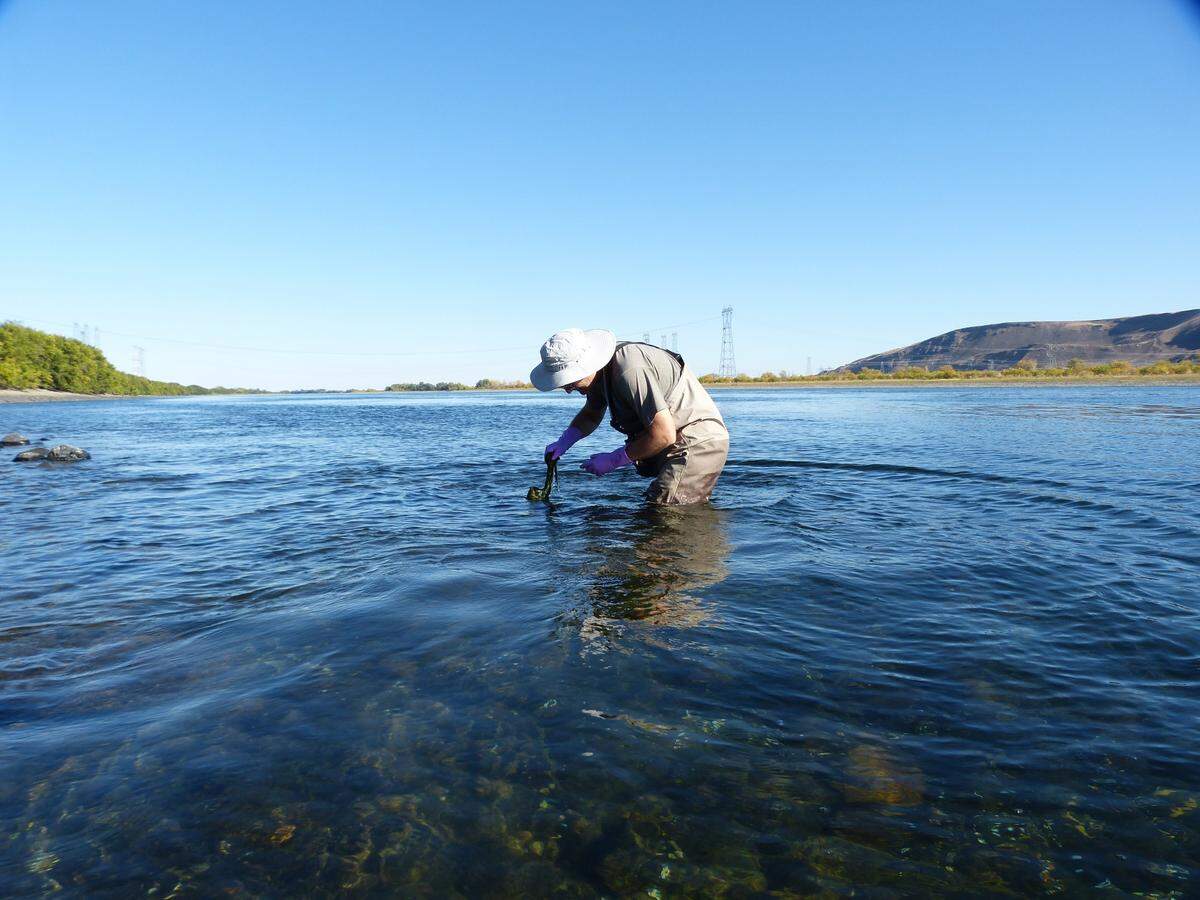
Toxic algae blooms are most common in the Tri-Cities area from the second week of August, usually peaking in September and continuing into October. In 2021 toxic algae was still detectable in the Columbia River in November.
No other water samples collected this week by the health district from the Columbia River in Benton and Franklin counties have tested positive for anatoxin-a at levels of concern.
Status of other water recreation areas
However, water in the Burbank Slough at the McNary National Wildlife Refuge in Walla Walla County near the mouth of the Snake River also is contaminated with toxic algae.
The Walla Walla County Department of Health says that it has detected elevated levels of microcystin, a liver toxin, that also is harmful to people and can kill dogs.
Symptoms of exposure to microcystin can include weakness or lack of coordination, vomiting, diarrhea, rash or headache.
The contaminated samples were collected Aug. 25 near the wildlife refuge’s visitor center on the west side of Lake Road.
The Department of Health advises people not to swim or water ski in the Burbank Slough while the water is contamianted and to clean fish well and discard guts.
Here’s information from the Benton Franklin Health District about other water recreation areas in the greater Tri-Cities area:
- Scooteney Reservoir in North Franklin County had toxic algae in samples collected Monday at detectable levels, but below the level considered hazardous. However, concentrations could increase over the holiday weekend, the health district warned. The toxic algae detected there is the liver toxin microcystin.
- Lyons Ferry State Park on the Snake River has some blooms of algae, but no toxins were detected.
- Sacajawea State Park in Pasco has no blooms visible and has not been tested recently for toxins.
- The Yakima River historically has not had detectable levels of algae toxins and is not monitored on a regular basis.
- The Snake River has had massive algae blooms downstream of Clarkston, Wash., but they have not impacted the Snake River closer to the Tri-Cities at this time.
.jpg "Toxic Algae Flyer 11X15 BFHD QR CODE FINAL (1).jpg")
This story was originally published August 29, 2025 at 1:40 PM.