Tri-Cities transit budget bolstered by climate change funds. What it means for fares
Ben Franklin Transit has been in a tight spot facing a ballot initiative that threatened to strip the agency of more than $75 million over the next decade.
Now that the ballot initiative to repeal the Climate Commitment Act was rejected by Washington voters, the transit agency has approved a new $65.3 million operating budget for 2025.
The capital budget is an additional $21.5 million for a total of $86.8 million.
Thomas Drozt, BFT’s new CEO, noted that the transit agency’s budget has a lot of costs that private services such as Uber of Lyft do not.

“The agency itself, Ben Franklin Transit, still provides a lot of its overhead, infrastructure and buses, so (comparing) those numbers would be a little bit skewed of course, (ride share services) are only doing actual operations,” he said.
Data from other transit agencies across Washington state shows that BFT operates more efficiently than most of its peers.
Drozt said a new long-range plan is in the works, which should go into more detail about cost comparisons.
With a strong new budget in place, the transit agency will have a chance in 2025 to address potential lower fare prices put on hold last summer as they tried to plan for what the loss of Climate Commitment Act funding would have looked like had Initiative 2117 passed.
Ridership in 2024 is on track to be one of BFT’s biggest years ever across its fixed route service, up 14.7%, according to a recent social media yearly wrap up. In all the agency saw 3.2 million boardings across all services.
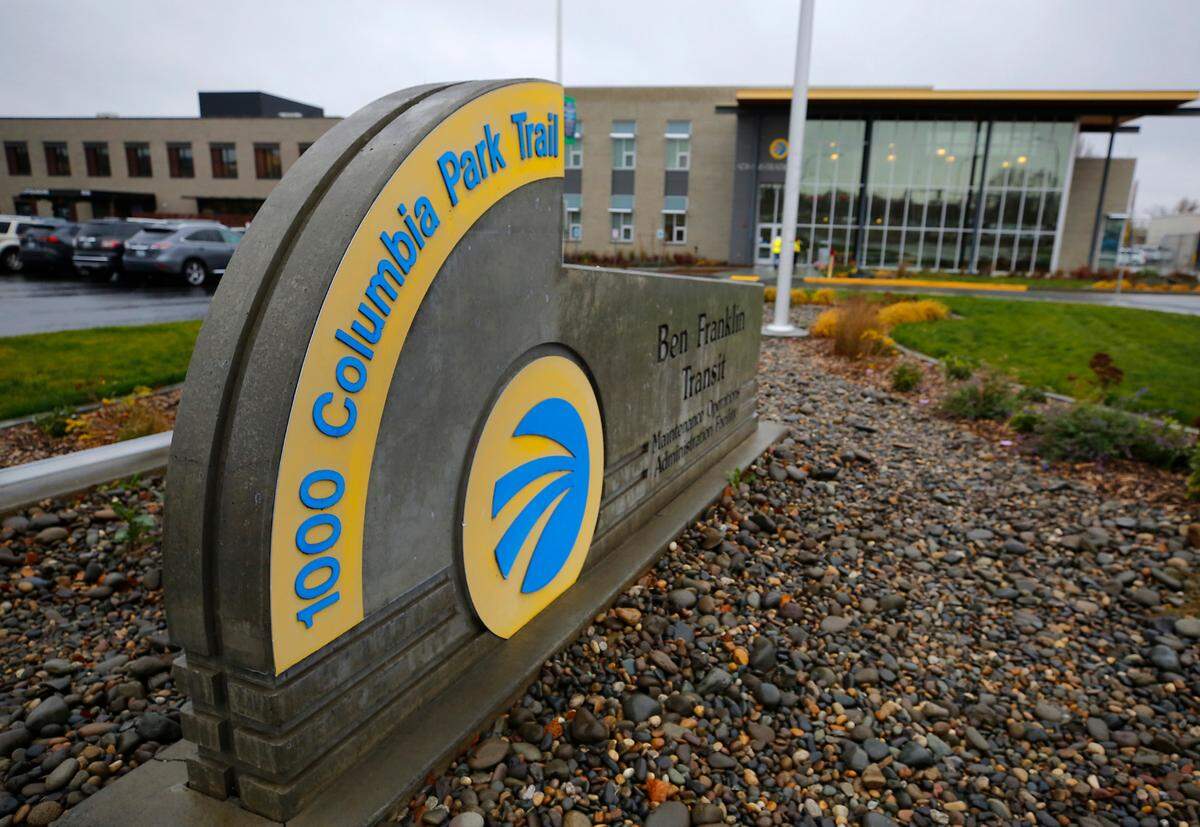
Fare reduction changes
Some major fare reductions could be coming in 2025. They’re designed to encourage repeat ridership by making it cheaper.
To do that, the transit agency is looking to discontinue transfer tickets but reduce the price of single boardings and day passes. A day pass would cost $3, the same as a ride with a transfer and then a return. A single ticket would go from $1.50 to $1.
They’ll also consider reducing the cost of monthly passes from $25 to $10, which is cheaper than a current 10-ride ticket.
A new proposed annual pass would come out to $120, less than half the price of currently buying a year’s worth of monthly passes.
They’ll also look at adding free veterans passes alongside the currently offered free passes for youth and people over 65.
The free rides for youth program is paid for through the Climate Commitment Act funding, and has proven incredibly popular with nearly a million youth boardings in 2023.
The board is expected to take the changes back up sometime after the beginning of the year.
The transit agency also recently approved a new program that would help public agencies and nonprofits provide free passes to the “poor and infirm.” That program will start by working with up to 15 public agencies or nonprofits, providing up to $750 in passes for each organization on a monthly basis.
Those types of passes could be particularly helpful for individuals who have found themselves in a housing or vehicle crisis or are first starting to navigate living with a disability, and may not yet have everything they need to qualify for other programs.
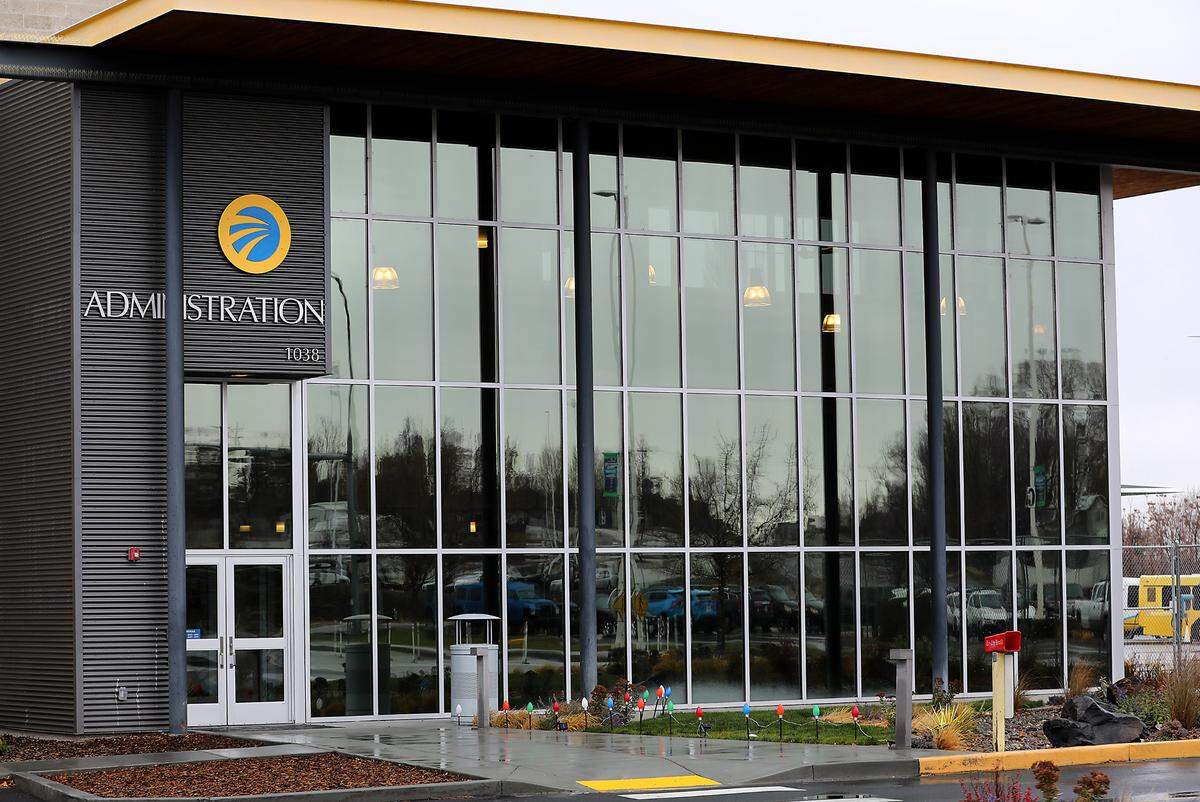
Budget changes
As far as the annual budget goes, BFT is looking at a $1.7 million operating budget increase over 2024. Most of that comes from the cost of labor, rising $1.75 million, and services at an $800,000 increase.
While the agency has managed to keep headcounts consistent, at 418 employees, over the past three years, the cost of wages and benefits continues to rise in all industries.
Those rising labor costs were particularly hard to manage for municipal governments this budget cycle because federal pandemic aid has all but dissipated.
The agency’s increased costs were offset in part by a significant fuel price cost savings of $1.5 million. They also cut about $715,000 in administration costs.
The capital projects in the works include fleet replacement costs, new vehicles for their expanded rideshare program, a major land purchase in West Pasco to connect the transit agency to the new Broadmoor Development and long-range planning initiatives.
They have about $34 million in operating and emergency reserves, and about $26 million in obligated funds for ongoing projects.
That leaves about $32 million in net funds available. The agency traditionally has kept cash on hand in order to avoid taking out loans for projects or replacements. They earn just under 5% interest on the money put into the Washington state investment pool.
That type of long-term financial planning is crucial given the volatility of their revenue sources, with the bulk coming from sales tax, at a rate of 0.6 cents on the dollar or 6 cents on a $10 purchase, followed by state and federal grants.
Had the Climate Change Act been repealed, with funds ending almost immediately, the agency would have seen an immediate annual expected cut of $5.4 million.
Stronger than predicted sales tax revenue has helped buoy the agency, along with other local governments as federal pandemic-related funding expired this year.
That sales tax revenue has long been a point of contention with some members of the board, who have argued that BFT should cut its tax rate, often in favor of buoying other sales tax-based proposals.
In April, the board voted to table the discussion to cut their tax rate until at least 2026. Had they cut the tax rate by 0.1 cent and lost the Climate Commitment Act funding, BFT’s budget would have seen an estimated $200 million hit over the next 13 years.