
Free old tire collection in Tri-Cities on April 22. Help stop mosquitoes from nesting
The summer season is approaching, along with the low hum of mosquito swarms. In fact, mosquito season starts in late spring and the pesky insects stay active until winter.
But worse than their bite and the itching that comes with them is a mosquito’s ability to spread disease.
There are over 40 mosquito species in Washington state, according to the Washington State Department of Health.
Many of them can be carriers of diseases, which has caused several outbreaks in the state, like West Nile Virus.
In 2021 two people infected with West Nile in the Tri-Cities area were hospitalized and some animals were also infected.
A Benton County woman in her 70s died from the virus in 2016.
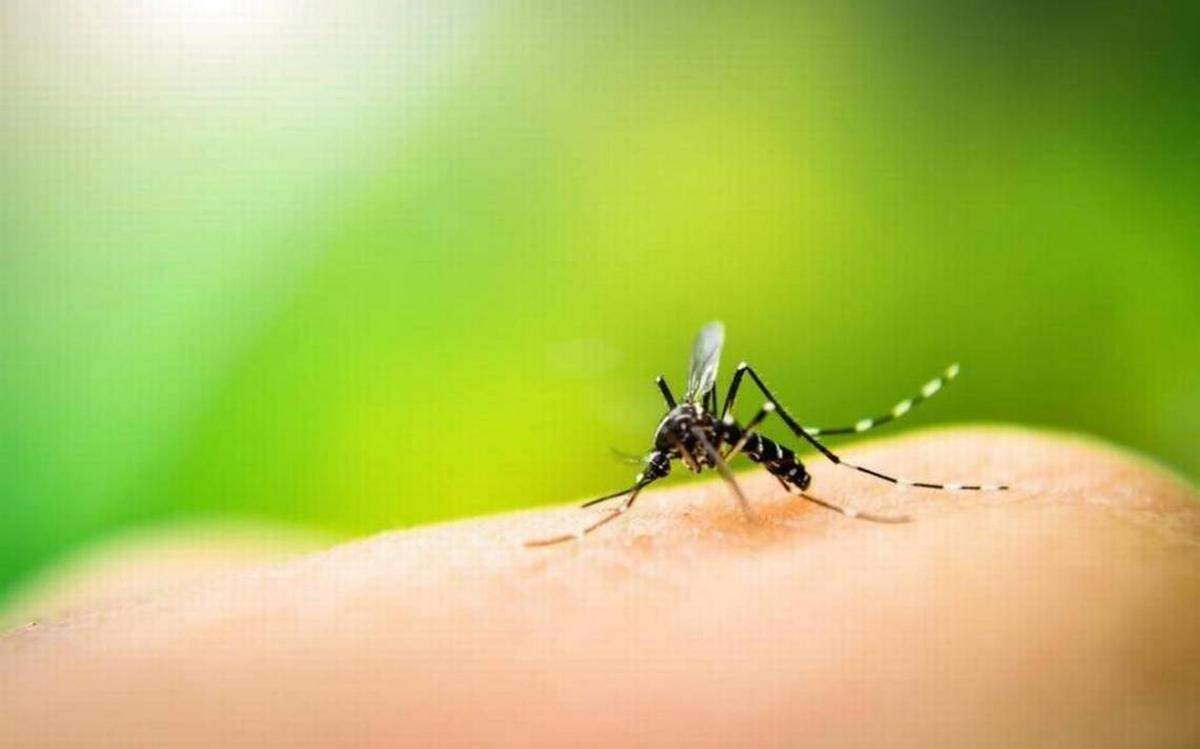
Free tire recycling for mosquito prevention
Issues with mosquito-borne diseases led to the formation of mosquito control districts, including the Benton County Mosquito Control District (BCMC).
This year, mosquito district has partnered with the Washington Department of Ecology to offer free tire recycling on April 22 to help in the mosquito prevention fight.
Anyone who lives in the the mosquito district’s region, and can prove their residency, can bring up to 20 tires per houshold to the West Van Giesen Street building.
Free tire recycling will be available 7 a.m. to 3 p.m. No rims, partial tires, tractor tires or semi tires will be accepted.
Why tires? Mosquitoes love them
Old tires can attract cesspools of mosquitoes, since it meets all of their needs, according to research.
After drinking blood, mosquitoes are drawn to still water. Water builds up in old tires, providing the still water needed to lay eggs.
Female mosquitoes bite people for their blood. Male and female mosquitoes both eat plants for nutrition. Leaves tend to pile up in or around old tires, giving mosquitoes a source of sustenance.
One female mosquito can lay thousands of eggs in one tire, according to the district.
The insulation and protection provided by the tire makes it an ideal nest for a mama mosquito to lay her eggs.