
Rainy spring means lots of mosquitoes. What’s being done in Tri-Cities to stop them
A rainy late spring likely will mean plenty of mosquitoes in the Tri-Cities in the coming weeks.
The Benton County Mosquito Control District is seeing water levels — at rivers, ponds, lakes and swampy areas where mosquitoes breed _ rise and fall repeatedly this spring.
That’s created a challenge for the district, it said.
The most efficient and least toxic method to kill mosquitoes is at the larval growth stage, which prevents them from hatching into adults.
But rising and receding water requires repeated applications of larvicide, as the weather permits, said the mosquito control district.
Spraying from planes for adult mosquitoes is expected in the next couple of weeks. The planes fly at a 300 foot elevation at dusk after bees and other pollinators have taken shelter for the night.
Tri-Cities, Wash., area residents need to do their part by eliminating or treating mosquito habitats around their homes, the district said.
That means checking for water in discarded tires, unwashed bird baths, clogged rain gutters and unused plastic wading pools.
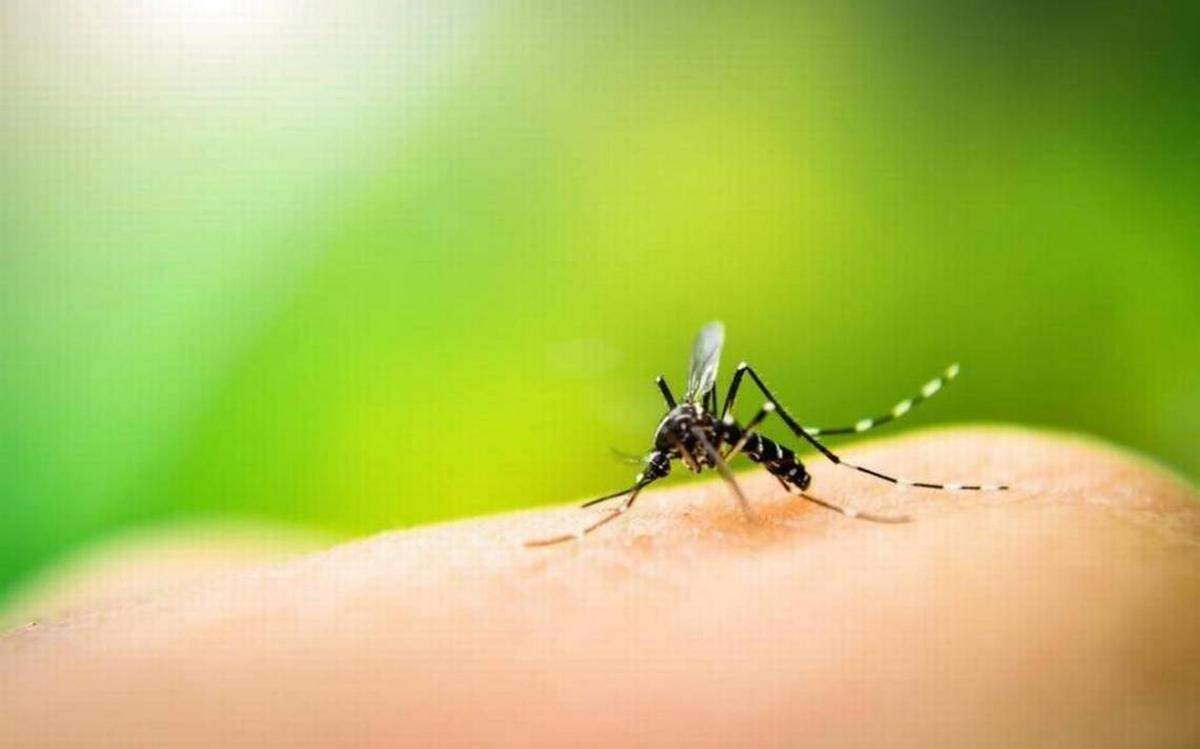
People can prevent many bites by wearing long sleeves and applying mosquito repellents registered with the Environmental Protection Agency, such as DEET, picaridin, IR3535, and oil of lemon eucalyptus.
Last year there were 17 mosquito samples collected in Benton and Franklin counties that tested positive for West Nile Virus.
Two residents and a visitor were diagnosed with West Nile virus, along with two horses.
For information on aerial and truck spraying routes and schedules, visit mosquitocontrol.org.