Tri-Cities tiny house village helps low income, disabled residents build community
READ MORE
Hunger, homelessness and mental health
The Tri-City Herald is putting a renewed focus on covering issues related to hunger, homelessness and mental health. Here are some of the stories, and how you can help.
Expand All
From veterans to disabled elderly folks and even single mothers with children, Kennewick’s tiny home village has had an outsized impact on the lives of its new residents.
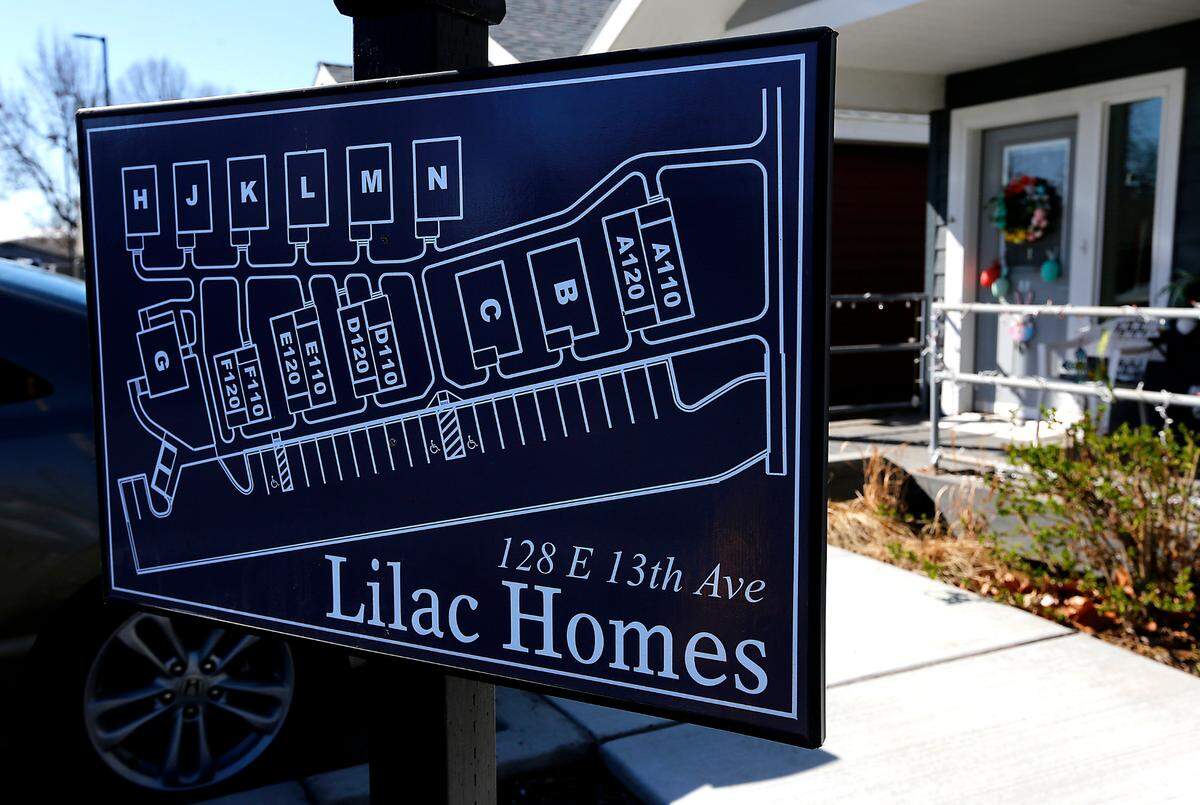
A year after opening, people from all walks of life now call the Kennewick Housing Authority’s 16-unit tiny house village their home, and already it’s giving them a sense of peace and belonging.
That’s because for the residents of Lilac Homes, the endeavor is more is than just a housing project. It’s been an opportunity for them to create a community of their own.
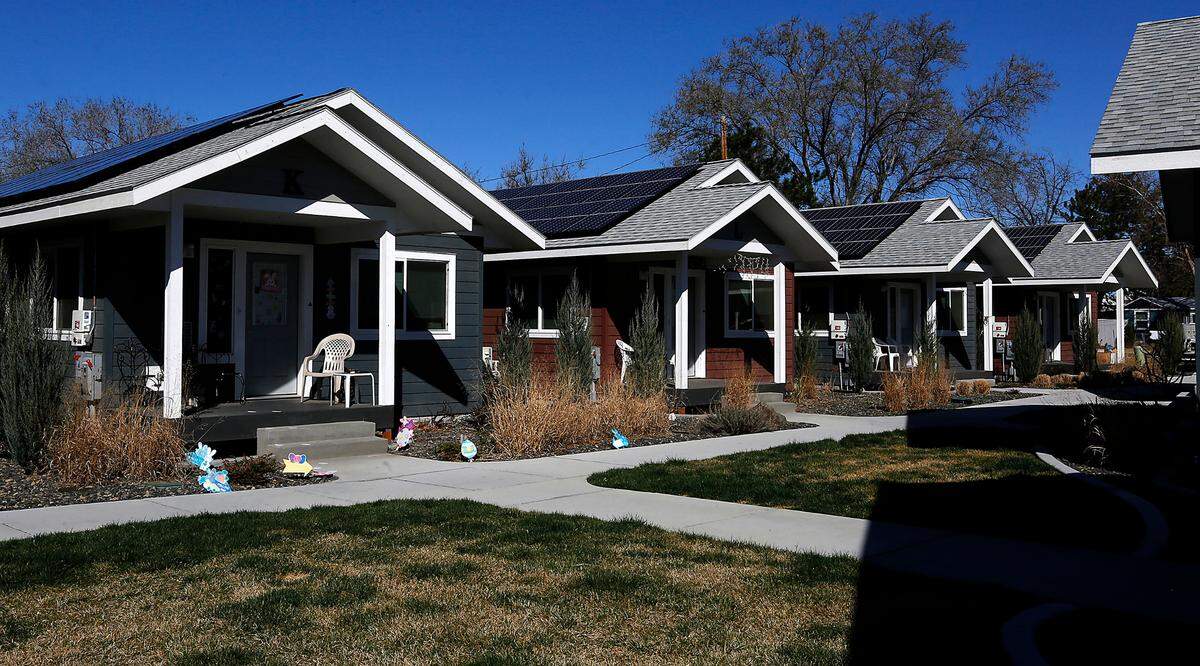
Little touches like vibrant colors, tidy walkways and porches decorated for Easter make the village feel homey.
There are also about a dozen raised garden beds along the back edge of the property.
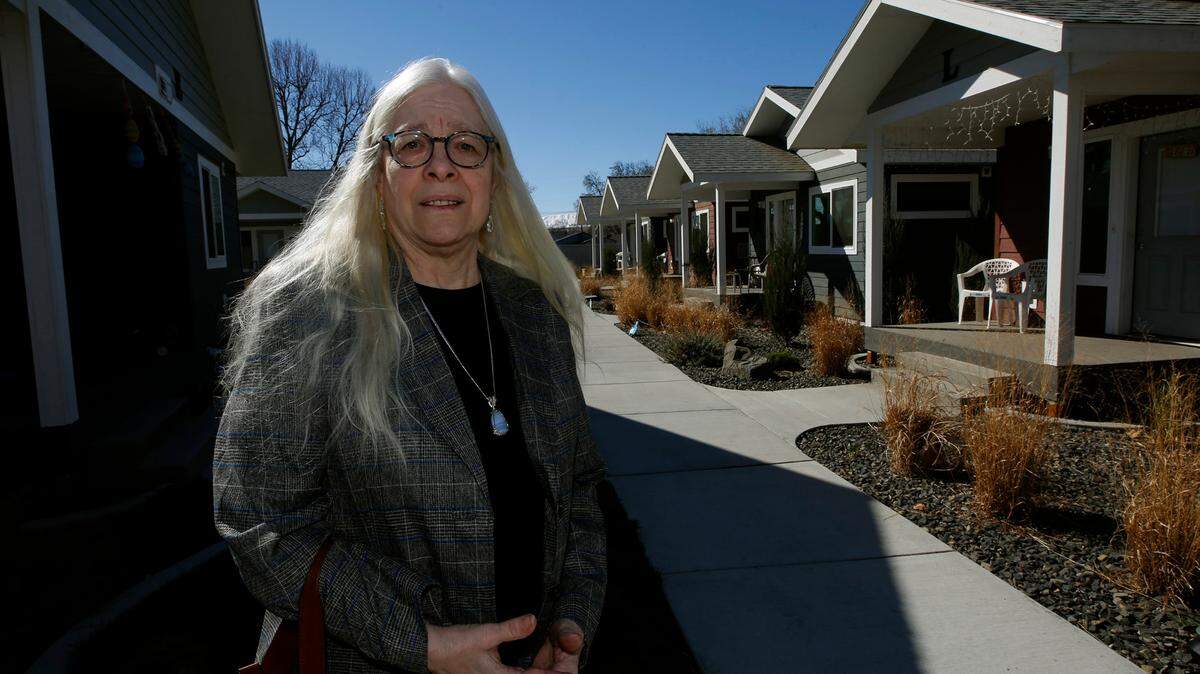
Kennewick Housing Authority Executive Director Lona Hammer said the local Master Gardeners association helped build the beds and come out to teach residents to grow some of their own food. Some are even set up for folks in wheelchairs or using mobility aids.
Hammer said the community is permanent housing, but they work with residents who have children to eventually move on to larger spaces.
It’s situated on about an acre just off of East 13th Avenue in East Kennewick near downtown, and opened officially in fall 2021.
“They’re for folks coming out of homelessness, and we have a partnership with DSHS, which also provides case management,” she said. “We have had a couple of graduates who have moved on to traditional-sized housing with continued rental assistance, which is kind of our goal for those two bedroom units when folks have families.”
“We want to get them moved in, stabilized for a year and then we hope, if they feel comfortable, they can move on to another more traditional-sized housing that has a little more room.”
Hammer said there are a lot of misconceptions about people who live in public housing or are receiving assistance, but their community shows that neighbors shouldn’t be so quick to jump to conclusions.
While landlords can’t legally discriminate against low-income people, they can use rental history and credit scores to decide who to rent to, leaving people already struggling in an even tougher position.
The average rent in the Tri-Cities is now $1,146 per month for a 1one-bedroom apartment, according to the most recent Spring 2023 data from the University of Washington’s Center for Economic Research.
Combined with a vacancy rate that has only recently eased toward 5%, that means people already struggling to afford rent, are facing stiff competition to get into a unit.
Tiny homes, big changes
Tom McGowan is a disabled combat veteran, and was the first person to move into the village. A year later, he feels like the community has really come together.
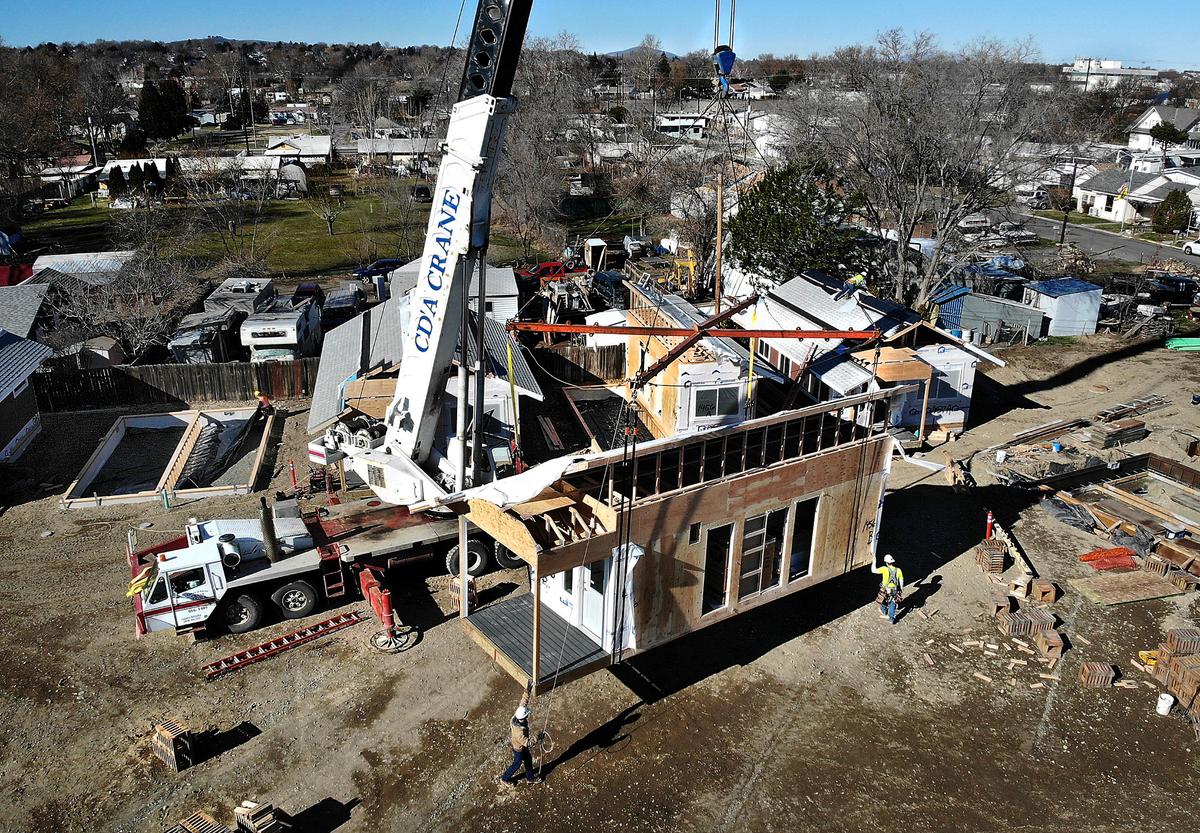
“For the most part we’re a little community, we all watch out for each other. We’re kind of like a little family,” he said. “Being a war vet, it’s nice having people around. We look out for each other.”
McGowan said he found himself with nowhere to go during the early days of the pandemic when the property he was renting was suddenly sold. Luckily, the tiny house community has turned out to be a blessing of its own.
“I lived on a piece of property renting a house for nine years and I had nowhere to go because they sold the property. The houses were being moved off of the property and this was the only place I could get,” he said. “They’re new, the cost is right, they do a great job. For me being a single guy with a moderate income, it’s the perfect place for me to be.”
McGowan said that he hopes Lilac Homes can be a testament to the fact that people getting housing assistance aren’t all bad.
Push back in the Tri-Cities has at times been fierce when residents believe low-income housing is coming in near them.
While not aimed at low-income housing or people using housing vouchers, last year Fortify Holdings, which recently began renting micro-apartments, faced such significant push back that they had no choice but to back out of two riverside property purchases. The opposition did not wane despite the company stating neither hotel they planned to convert to apartments would have qualified for housing assistance.
“The stigma of being low income is a terrible stigma. I don’t consider myself low income. When they put these places out and are worried about the type of people that live here, I’m the type of people that live here,” McGowan said.
“I just wish that stigma would go away, and people would be more open about having these places come. I think if the public really dug into them, there is a lot of accountability here. It’s actually a nice little place.”
Building success
Success looks like many different things when trying to measure a program, but everywhere Hammer looks at Lilac Village, she sees it.
“I think this looks like success to me, even though not every participant is going to be successful,” Hammer said. “I think some folks have challenges in learning how to be a good tenant, we did see some of that in the beginning when the neighborhood was gelling. It was a learning process, but when you see people move on and into more stable housing with assistance and staying current with their program obligations, I think that’s success.”
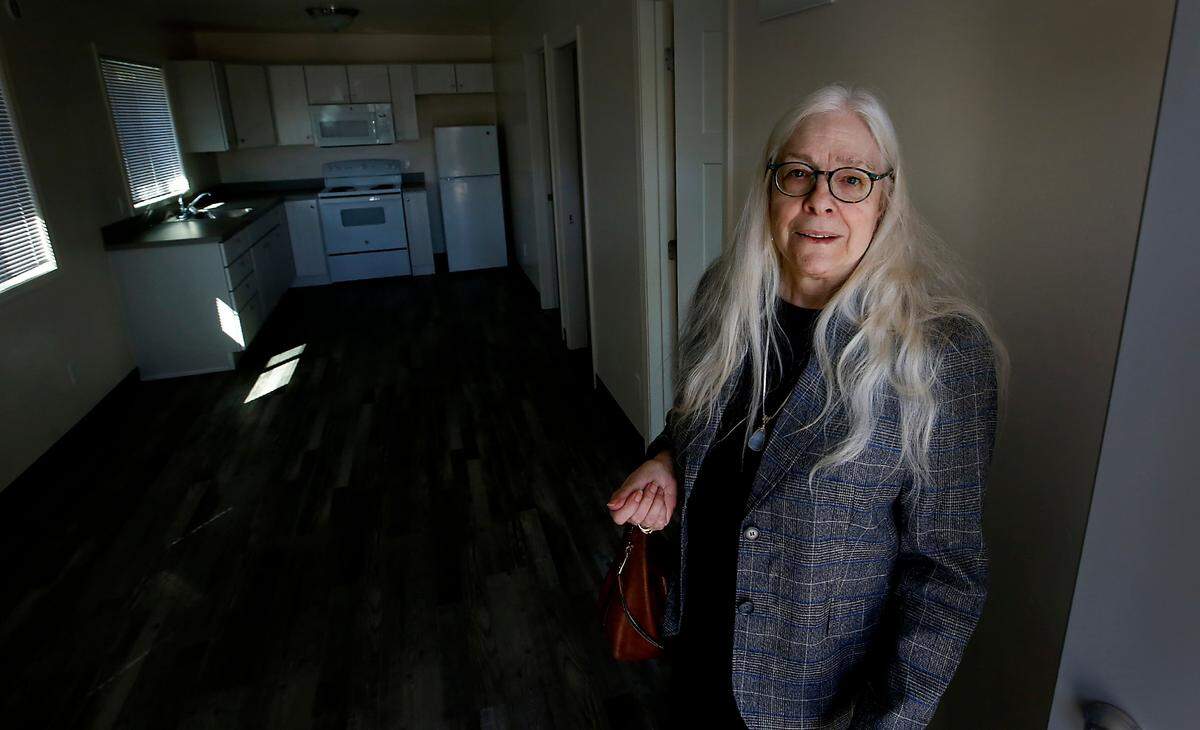
Hammer also said that they’re seeing success in showing the community the good a project like this accomplishes.
“I think it’s been a good project, and I think it really speaks to what Tom said, ‘just because I am someone who has a modest income or has been formally homeless, doesn’t mean I can’t be a good neighbor and a good tenant.’”
“I think that’s really important, (countering) that stigma of being low income, or being homeless,” she said.
And while the tiny house village isn’t a solution that’s going to revolutionize affordable housing on its own, she believes it’s an important piece of that larger puzzle.
The housing authority also has traditional apartments, but creating a peaceful space for residents with different needs can go a long way to ensuring they stay housed.
She said it’s a project she’d like to expand or see replicated in the area, especially since the Tri-Cities area has nowhere near enough affordable housing units.
“I think the need is much, much larger. I think you could probably have 4,000 units and you wouldn’t meet the needs for affordable housing,” she said.
“You see folks working at Walmart or working in restaurants and not really able to afford the high rents we’ve got, so I think it’s really important to build affordable housing at all levels.”
This story was originally published April 9, 2023 at 5:00 AM.