Exclusive: What’s driving record high fentanyl deaths in the Tri-Cities area?
READ MORE
Hunger, homelessness and mental health
The Tri-City Herald is putting a renewed focus on covering issues related to hunger, homelessness and mental health. Here are some of the stories, and how you can help.
Expand All
In just five years fentanyl has gone from being the cause of only a fraction of overdose deaths in the Tri-Cities to the top substance driving nearly all overdose fatalities in the area.
New reports show that despite overall overdose deaths trending downward last year, fentanyl-related deaths hit a new record high in both Benton and Franklin counties.
And, in another troubling trend, the deaths are climbing as overdose hospitalizations are dropping, indicating cases are fewer but deadlier.
Tri-Cities health district officials are concerned some people may not know they’re taking the drug because it’s being passed off as another drug or illegally mixed in to increase addictive qualities and potency while cutting the price.
At the same time, people are more willing to try other drugs because prescription opioids are becoming harder to obtain.
In Tri-Cities, like other parts of the country, those changes have quickly turned deadly.
In Benton County, fentanyl overdoses accounted for 86% of all overdose deaths, according to recently completed reports from the coroner’s office.
That meant 37 of 43 deadly overdoses were caused by fentanyl or a mixture of fentanyl and other substances.
And in Franklin County, 14 of 22 of the overdose deaths were ruled fentanyl related, or 64%, with one pending that Coroner Curtis McGary expects to be linked to fentanyl.
The bi-county area has lost more than 300 people to overdose deaths since 2016, but fentanyl-related deaths have only recently began to be broken out into their own category.
Fentanyl in Tri-Cities
Since 2020, fentanyl deaths have been the leading cause of deadly overdoses in the Tri-Cities region.
That compares to just 25% two years earlier, according to the Benton Franklin Health District.
And then by last year, the number of Benton County overdoses had doubled from 19 the year before to 37.
The previous high for opioid overdoses deaths, including fentanyl, in the two counties combined was 46 deaths in 2020.
Last year, fentanyl-related overdoses alone accounted for at least 51 deaths in the bi-county area.
While total overdose fatalities dropped last year, data from the health district shows that overdose deaths have increased dramatically over the past five years here, as well as statewide.
The health district says fentanyl is a synthetic opioid that is up to 50 times stronger than heroin and 100 times stronger than morphine. It depresses your central nervous system and your ability to breathe.
It is both pharmaceutically and illicitly manufactured.
The district said that current trends in overdose deaths are believed to be caused by illicitly-made versions of the drug being sold as fentanyl or mixed with other drugs.
“It is common for individuals to not know they are consuming fentanyl with a different drug product,” said a Benton Franklin Health District spokesperson. “The increase in overall drug mortality and fentanyl associated deaths may be due to not adjusting amount consumed with the increased potency due to fentanyl presence.”
“Additionally, the increased potency may decrease the window of opportunity to receive medical attention. This is supported by a decrease in hospitalizations and increase in mortality.”
Rising fentanyl deaths
The health district typically releases its data on mortality rates later in the year, because they involve a closer look into contributing factors.
Healthy Living Manager Kelly Harnish said that their work involves collecting data and working with the coroner’s office and law enforcement to better understand what is happening, potential causes of changes in trends and what information could be useful for future preventative measures.
According to health district data through 2021, the most at risk groups are older men, especially those involved in physically demanding jobs.
Other groups at risk are those with lower socioeconomic status and people who start taking the drug again after quitting, such as someone recently released from prison who relapses after treatment.
Harnish said one of the biggest risk factors is using drugs when no one else is around to call for help. And a lack of access to primary care and insurance can lead to someone self medicating for a medical problem.
The American Medical Association found that even as access to opioids dwindle with changes in laws and prescription guidelines, overdose deaths due to illicit fentanyl continue to increase.
A September 2022 report from the Congressional Budget Office found that increased fentanyl use is partially a result of prescription opioids becoming harder to obtain.
“Changes in illegal opioid markets have affected the crisis. At first, the excess supply of prescription opioids facilitated their nonmedical use and illegal distribution. More recently, demand for heroin and fentanyl has increased as their prices have fallen and as the availability of prescription opioids has declined.”
Abuse of prescription opioids included medication such as oxycodone, vicodin, percocet, morphine, fentanyl and other drugs.
Fentanyl is much stronger than most of those medications, making users far more at risk of accidental overdose, especially when users had doctors monitoring their medication intake.
“When we have a primary care provider monitoring any use of our medication, we’re more likely to use the proper dose at the proper times,” Harnish said.
Troubling trends
In recent years troubling changes to the way fentanyl is distributed have emerged. Many people may not even know they’re taking a substance that contains fentanyl.
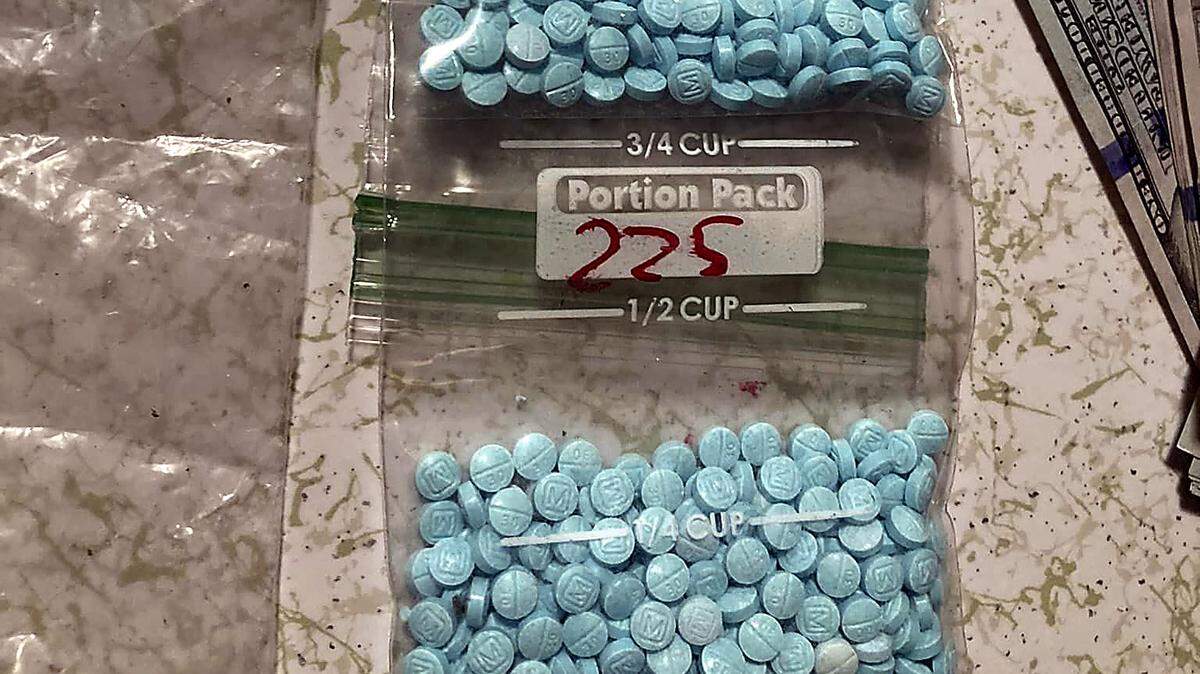
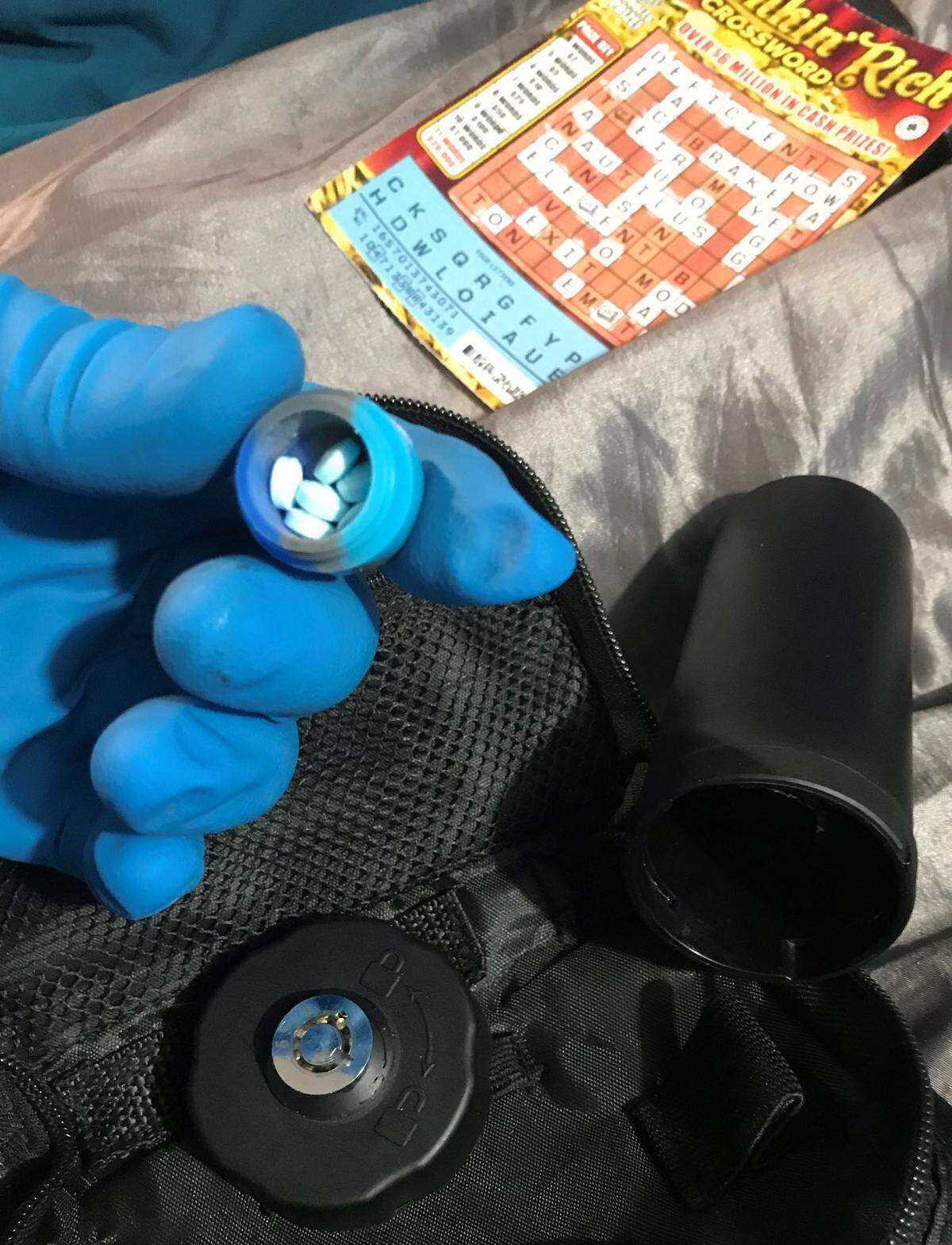
In September 2021 the Drug Enforcement Agency issued an alert, having seized more than 9.5 million counterfeit pills that year containing either fentanyl or methamphetamine. Some pills contained as much as 2 mg of fentanyl, which could be enough to cause an overdose, according to the agency.
The agency said counterfeit pills were passed off as vicodin, oxycodone, percocet, xanax and ritalin.
The Tri-Cities Metro Drug Task Force told the Herald that more than 93,000 fentanyl-laced pills were seized in the area in 2020 and more than 77,000 in 2021.
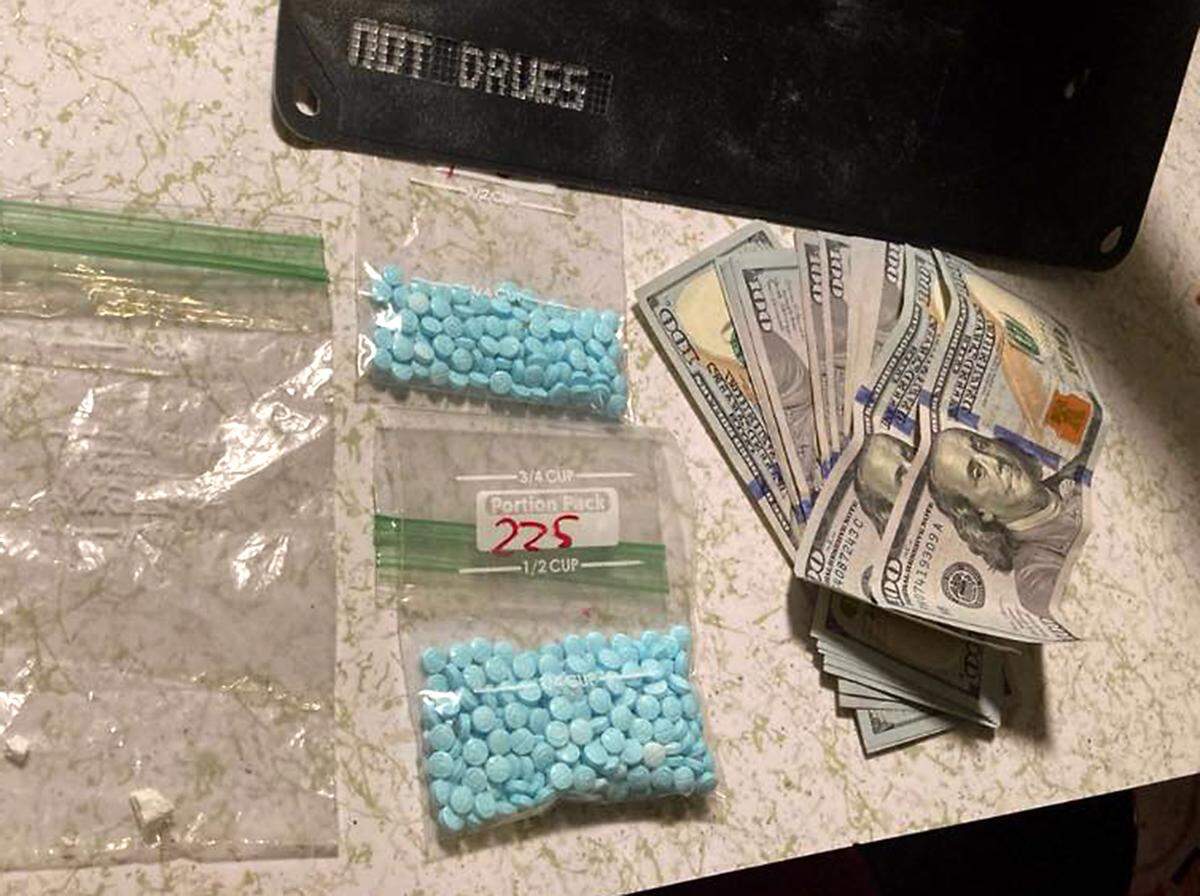
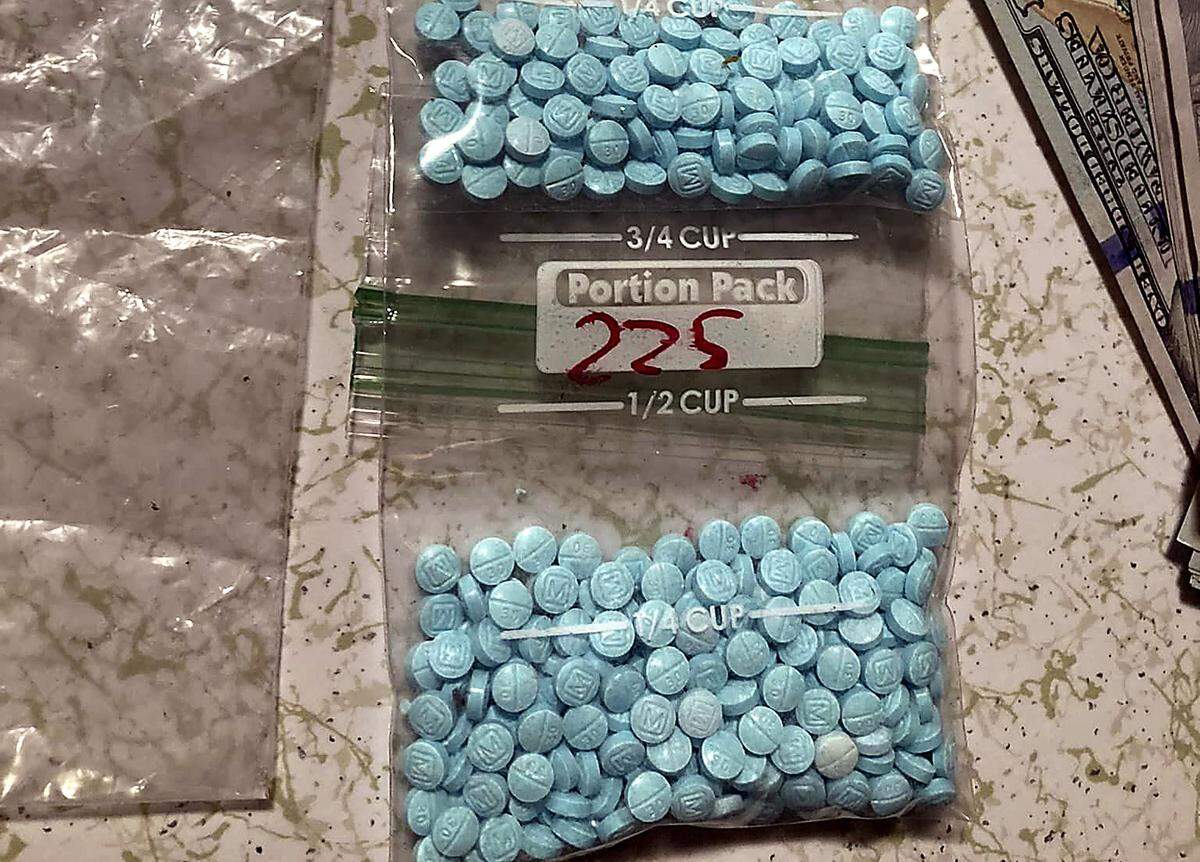
Photos of many of the pills show the drugs disguised as 30mg oxycodone hydrochloride, also known as oxycontin.
Numbers for 2022 seizures are expected to be released next month.
Americans trying to save money have long relied on pharmacies in Mexico for safe, cheaper access to their prescriptions, but even legitimate pharmacies may not be safe.
Recently, the Los Angeles Times newspaper investigated claims of pills coming from pharmacies in Mexico containing fentanyl and methamphetamine.
Of the 17 pills tested, they found that 71% tested positive for stronger drugs. Adderal pills tested positive for methamphetamine and Oxycodone and even hydrocodone (vicodin) tested positive for fentanyl.
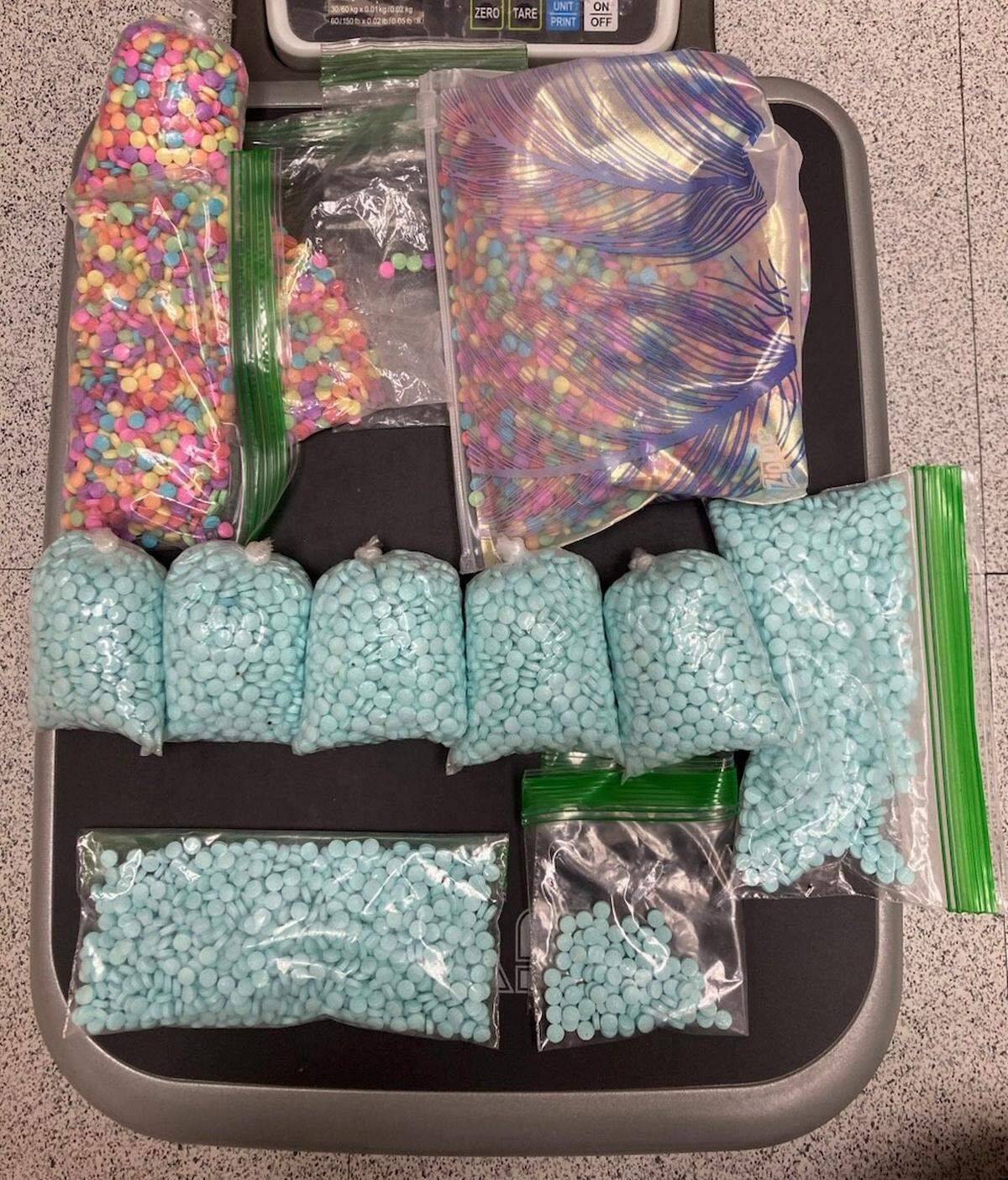
The DEA has also sounded the alarm on so-called “Rainbow Fentanyl” which comes in many colors, and the agency says is being targeted directly at children.
However, experts told NPR that they were skeptical of the claim, noting that brightly colored pills and substances had long been commonly used by drug makers to distinguish products.
The Benton Franklin Health District said fentanyl overdoses are rising in all age groups, but at the fastest rates for men between 50 and 59, followed by ages 30 to 39 in both 2020 and 2021.
How to help
The Benton Franklin Health District said prevention and education is the most effective way to cut overdose deaths.
They have programs such as their youth symposium and outreach initiatives to help educate young people on the risks of drug use.
They are also championing an initiative to get Naloxone, also known as Narcan, into first aid kits everywhere.
Naloxone can block the effects of an opioid overdose, including fentanyl, and return the person to normal breathing within minutes without negative side effects.
Naloxone comes in an injectable syringe or nasal spray, but the nasal spray is more accessible to bystanders.
Here are some tips from the Benton Franklin Health Department to help recognize signs of an overdose:
- Not responding, not waking up or nodding off
- Blue or gray lips and fingernails
- Pale, ashy or cold skin
- Slow, shallow or no breathing
- Small pupils
- Making gurgling, gasping or snoring sounds
Good Samaritans should first call 911, then administer the nalaxone. After doing so, help roll the person over on their side and try to keep them awake and breathing until paramedics arrive.
The health department is also participating in the “Carry A Second Chance” campaign, which helps individuals, schools and businesses wanting to learn more about access to naloxone.
In Washington state Narcan is available at all pharmacies without a prescription.
This story was originally published March 5, 2023 at 5:00 AM.