Exclusive | Deal close in ‘ghost cattle’ scam that toppled one of NW’s largest ranch families
READ MORE
Easterday Farms and Ranch legal issues
The Easterday Family’s businesses have been embroiled in a bankruptcy case with debtors trying to recover more than $250 million after Cody Easterday was charged with wire fraud in a “ghost cattle” scheme.
Expand All
The Easterday farming and cattle ranching bankruptcy saga could be coming to a close.
A Tuesday court hearing appears to have paved the way for a final settlement for most of the parties owed money.
It could also begins to clear hurdles for Cody Easterday to be sentenced for his role in a wire fraud case in which Tyson Foods was falsely charged for caring for about 200,000 cows that never existed.
He’s pleaded guilty in connection to defrauding Tyson Foods out of more than $200 million.
Easterday faces up to 20 years in prison and must repay $244 million for what federal prosecutors dubbed a “ghost cattle” scheme.
Separately, in the bankruptcy, a tentative settlement agreement was filed last week in U.S. Federal Bankruptcy Court in Yakima for a consolidated lawsuit covering most of the debt claims against the Easterday family’s businesses.
On Friday, Judge Whitman Holt said there “appears to be peace in the valley” and was optimistic both parties would soon reach an agreeable outcome.
During Tuesday’s hearing, the road to the proposed settlement was discussed and debtors were given the chance to weigh in.
The settlement would pay off the money owed to all of the debtors except Segale Properties and Tyson, leaving those companies the option to pursue further relief.
Segale Properties is a commercial real estate company in Tukwila that was owed millions for a loan. It was initially an unnamed secondary party in Tyson’s lawsuit.
Segale says it’s still owed $7.8 million and Tyson contends it’s owed $261 million.
The settlement also means that other Easterday family members would not be prosecuted for not acting to stop Cody Easterday’s “ghost cattle” scam if they were aware of it.
“I’m not really approving the settlement that has been reached between the parties today …” Holt said. “I’m really considering today if there’s anything so problematic about this (proposal) that I need to stop it now.”
Richard Pachulski, who is representing the debtors, said that he is optimistic they are close to agreeing to a plan.
“We have been in negotiations for months, probably since early January, and we’ve had some bumps in the road during that time,” Pachulski said. “Part of the problem is that this was a fairly complicated piece of a puzzle in which a lot of people had to be accommodated.”
He detailed some of the points within the proposed plan, largely centering on how Karen Easterday’s estate played into the settlement and resolution — including her desire to rectify a possible fraudulent payment made from Easterday Dairy to one of the family’s other companies.
Cody Easterday’s mother Karen represents the family estate following the death of her husband, Gale, in a car accident in December 2020.
Pachulski said he hopes to see a final plan in place within two months.
The family also included a memo in the filing detailing the process of winding down company operations and their cooperation with the court and debtors.
Judge Holt agreed to the document, which will allow those owned money to work with the Easterday family’s lawyers to begin work on a settlement.
He said the potential settlement would be a great result for the case, and applauded all of the parties involved.
The terms
According to the filing, the “debtors are exceptionally pleased to present ... a global settlement which resolves the disputes of every major constituent in these Chapter 11 cases.”
It goes on to say that the settlement “paves the way for 100% recovery” for creditors of Easterday Farms and for a material recovery for creditors of Easterday Ranches, “while avoiding costly and protracted litigation.”
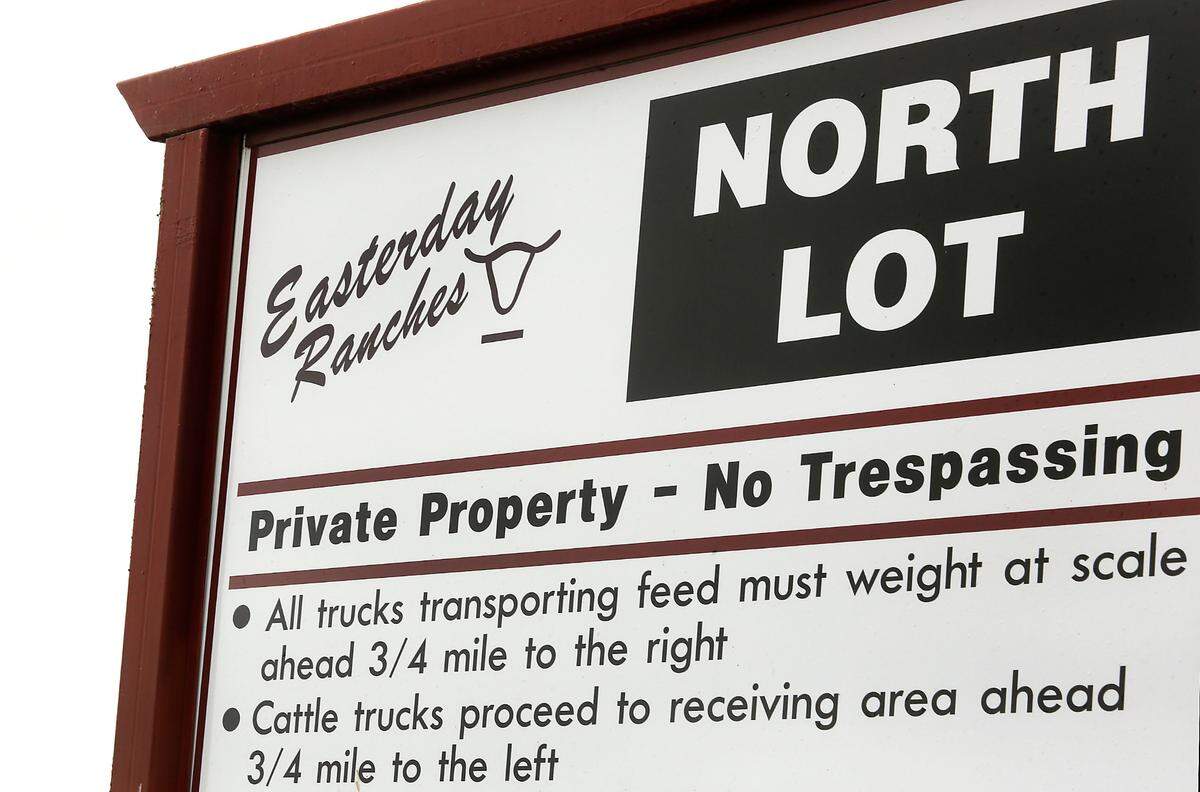
The settlement proposal follows a March back and forth in which the Easterday family attempted to remove members of the board of directors, stating that the disclosure plan for liquidation would have caused “irresolvable conflicts of interest.” They were ordered to maintain the status quo.
On April 8, the debtors and Karen Easterday told the court they believed they were close to a settlement.
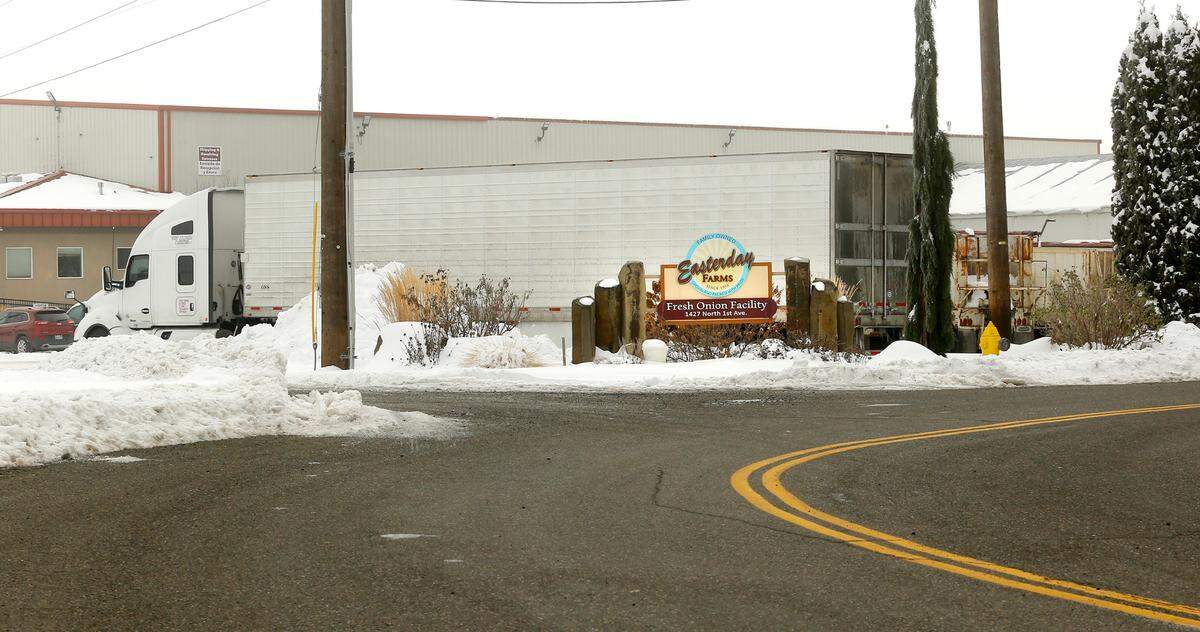
The settlement will allow Karen Easterday to continue owning property in Idaho worth more than $9 million, as well as a warehouse used for storing onions in Pasco.
The rights to the Steer Head cattle brand also will be transferred to Karen Easterday
The agreement also would see debtors agree to not file paperwork, submit statements or appear in court in connection with Cody Easterday’s sentencing, pending Department of Justice approval of the stipulation.
Tyson and Segale are not required to release their direct claims against Cody Easterday, but all other members of the family will be released from liability contingent on making good on their end of the agreement
According to the filings, employees were asked to stay on to wind down operations, including care of 70,000 head of cattle valued at $100 million until they were shipped to Tyson as scheduled.
Sale of equipment, crop inventories and real estate assets generated $250 million in gross sales for debtors.
Ghost cattle
Cody Easterday is scheduled to be sentenced June 13.
He has been out of custody since pleading guilty to the single felony count in March 2021. Easterday’s sentencing was delayed so he could cooperate in the bankruptcy suit.
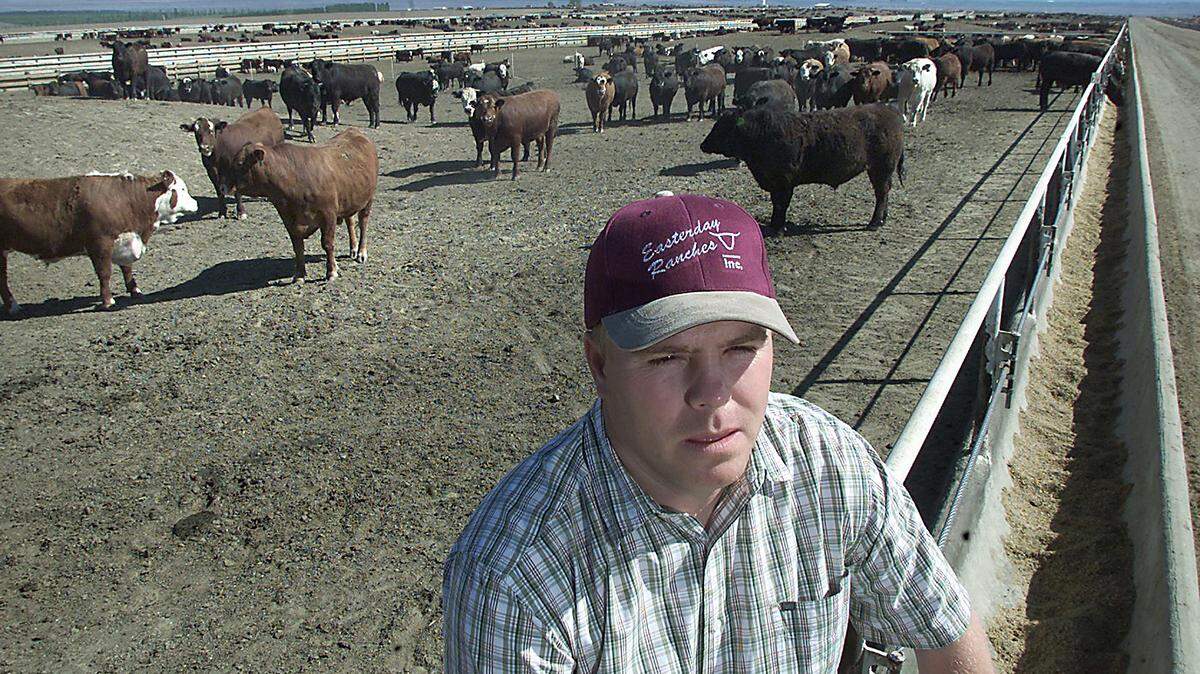
Easterday was charged with the white-collar crime after federal officials looked into business dealings between his family’s Franklin County-based cattle-feeding operation and Tyson Foods.
He was president and chief executive officer of Easterday Ranches when he concocted a scheme to defraud Tyson and another company, believed to be Segale, out of more than $244 million to offset his losses in the commodities trading markets, said investigators. He charged the companies for buying and feeding 200,000 cattle that never existed.
The fraud happened over at least four years, though court documents show Easterday’s losses on the commodity market started 10 years ago.
Soon after the criminal filings, the Easterday family businesses filed for bankruptcy and began selling off assets to raise money to pay debtors.
Last year, Farmland Reserve Inc. — parent company of Kennewick-based AgriNorthwest, and the investment arm of the Church of Jesus Christ of Latter Day Saints — bought 18,000 acres of agricultural land in the southeast corner of Benton County with a winning bid of $209 million.
The sale included prime Columbia River water rights for 12,000 irrigated acres.
Agri Beef-affiliate Blue Tag Farms was the top bidder at $14 million for more than 600 pieces of equipment at Easterday farms and ranches, the Capital Press reported in September.
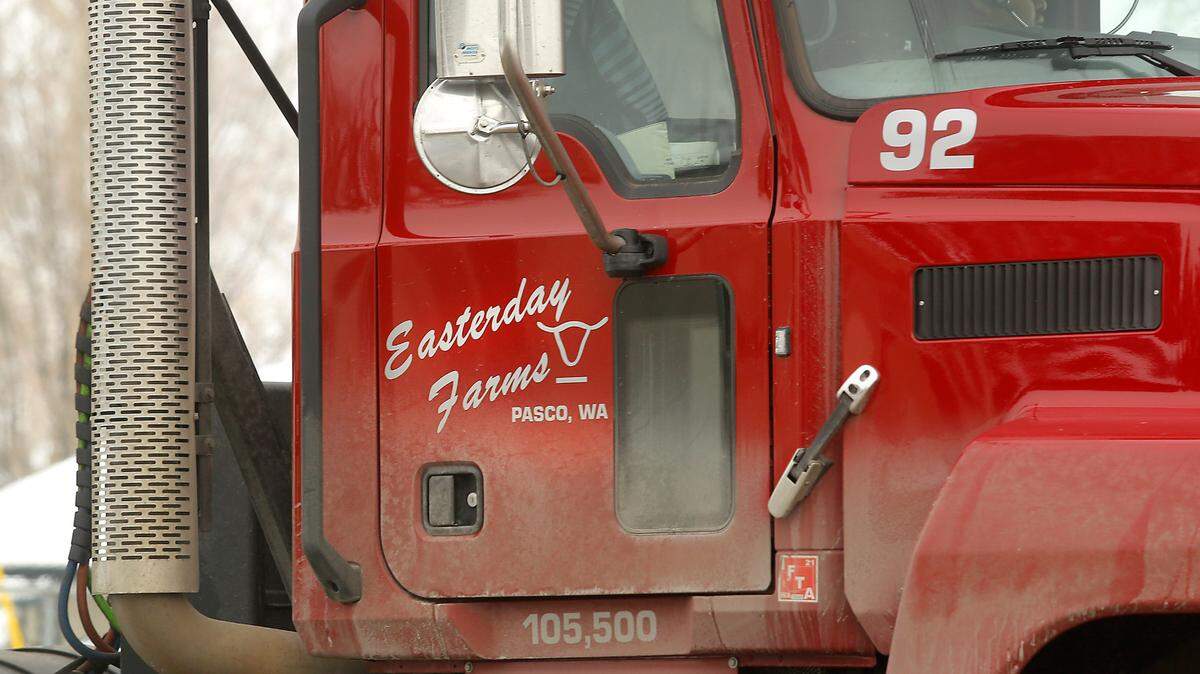
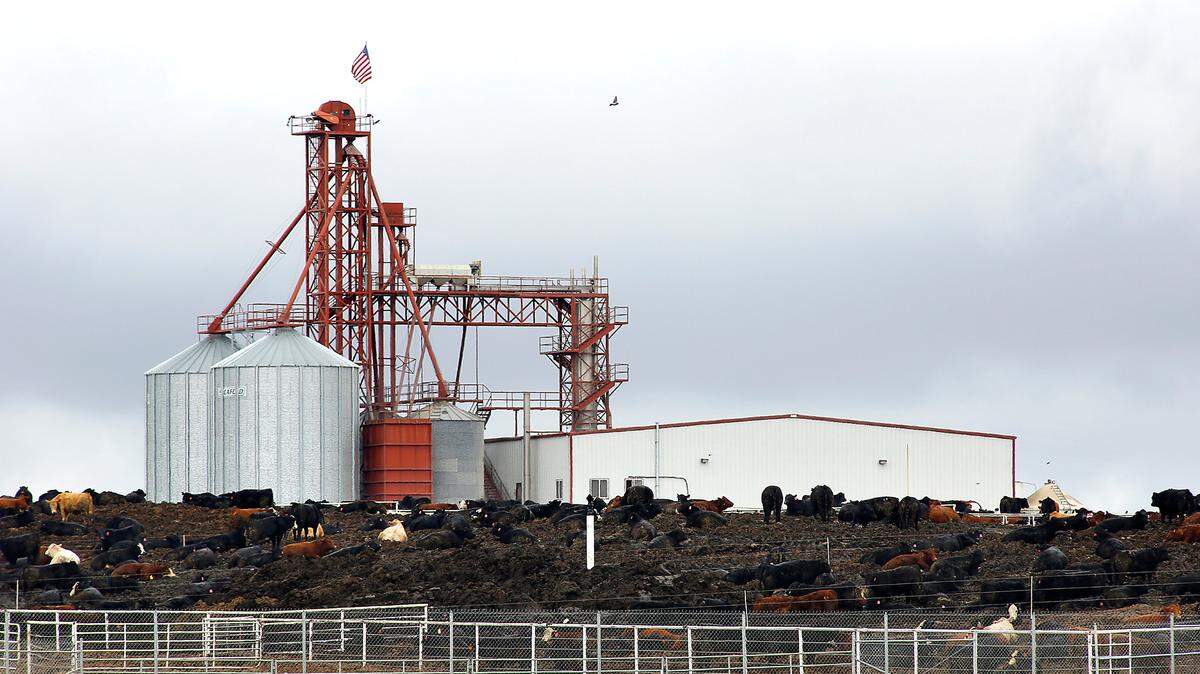
And Agri Beef paid $16 million for Easterday’s feedlot in Pasco, according to another Capital Press story.
This story was originally published April 20, 2022 at 5:00 AM.