
More West Nile virus found in mosquitoes in popular Tri-Cities areas for walking, biking
The number of mosquitoes infected with West Nile virus that have been trapped in areas of the Tri-Cities popular for walking and biking has increased in recent weeks, says the Benton Franklin Health District.
It also reported an apparent first for Benton and Franklin counties — an alpaca discovered to be infected with the mosquito-borne virus.
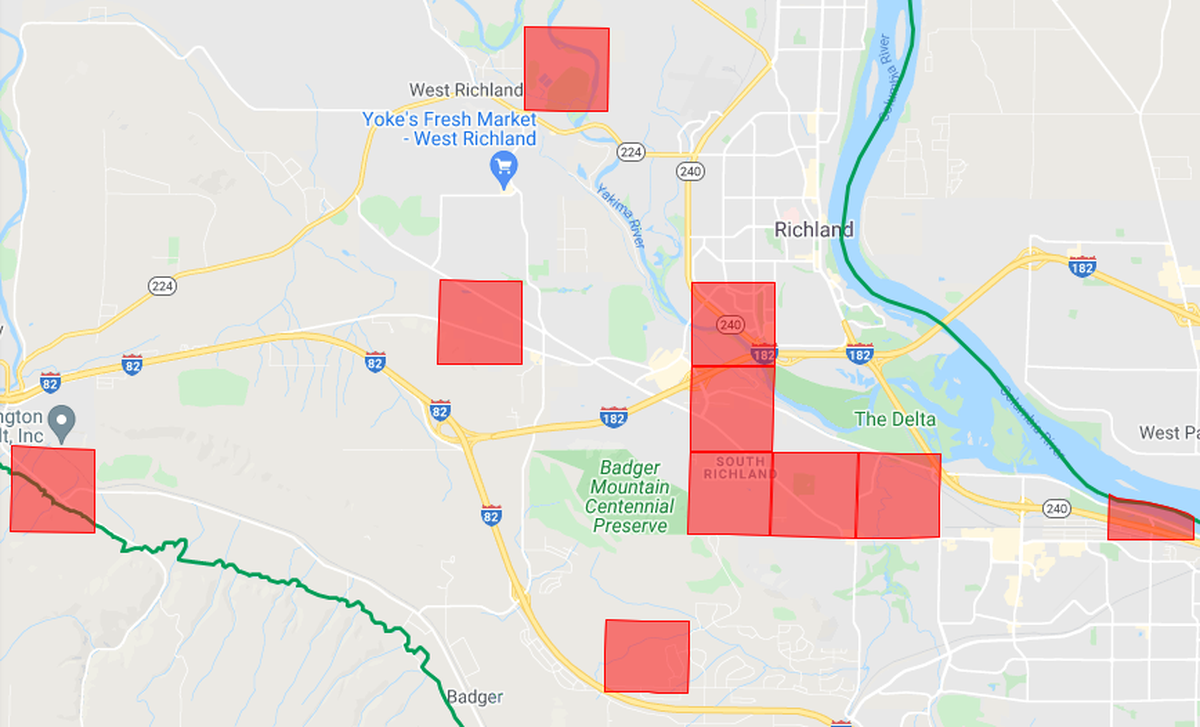
Infected mosquitoes have been found this summer at Columbia Park in Kennewick, Sacajawea Park in Pasco, Leslie Canyon in Richland, off Keene Road in West Richland and near the Yakima River in West Richland, according to information from the health district and the Benton County Mosquito Control District.
Infected mosquitoes also have been found near Burbank, south of Benton City, north of Prosser and in the Sunnyside Wildlife Recreation area.
The alpaca infected with West Nile virus was in Benton County.
Local public health officials did not recall any previous reports of infected alpaca in the area.
Many summers a few horses in central and Eastern Washington are infected with the virus. But veterinarians have known that alpacas and llamas also may be at risk after an infected alpaca was reported in the Midwest in 2002.
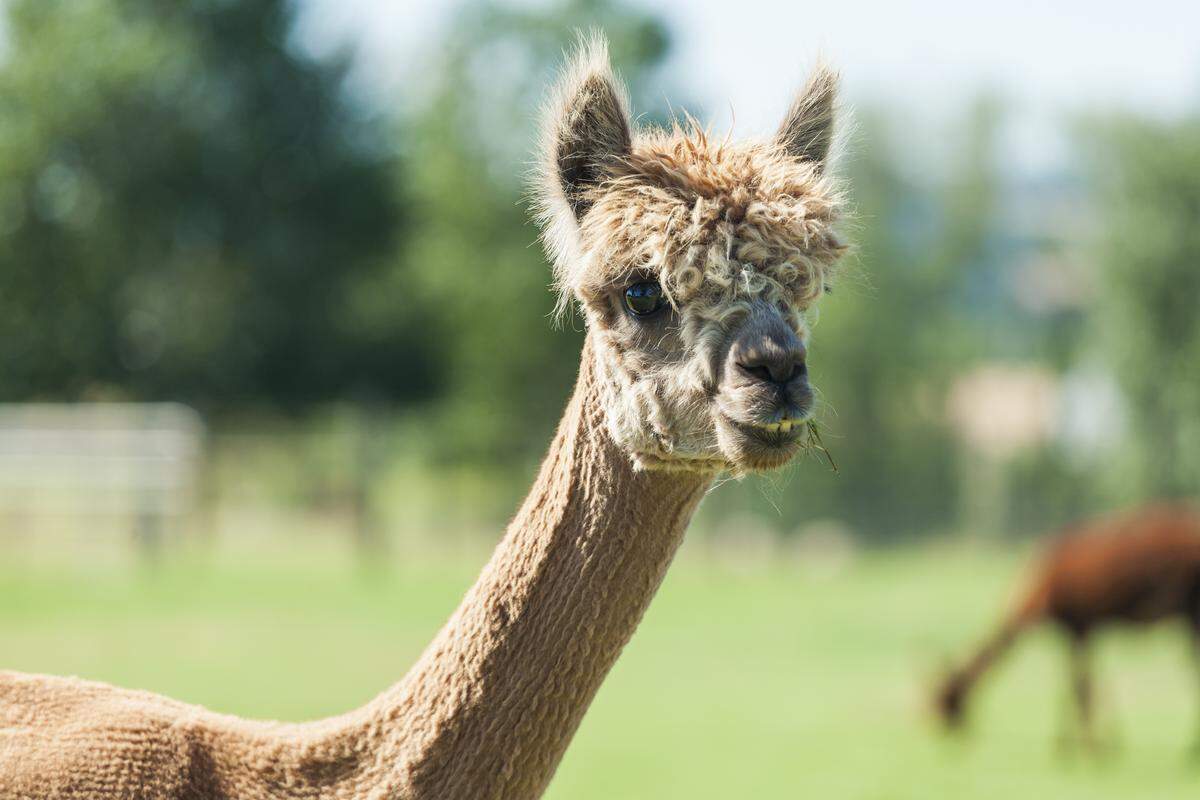
The alpaca is one of five horses or other animals that have been infected this summer in Washington state.
In addition, a Franklin County woman who worked in Benton County was found to have been infected with the West Nile virus in August.
Her infection was detected when she donated blood and routine screening was done to remove any infected blood product from the supply. She had no symptoms.
About one in five people who are infected with the virus will develop a fever and other symptoms such as a headache or body aches.
But in about one in 150 cases, encephalitis, meningitis or other serious complications can result.
People over 60 and those with cancer, diabetes, high blood pressure or kidney disease are at greater risk for serious illness.
Avoiding mosquitoes
West Nile virus is spread to people through mosquito bites.
There is a vaccine for horses, but not for people. The best way for people to prevent infection with the West Nile virus is to avoid mosquito bites.
The Washington state Department of Health recommends:
▪ Using an insect repellent registered with the Environmental Protection Agency, such as DEET, picardin or oil of lemon eucalyptus.
▪ Limiting time outside from dusk to dawn when mosquitoes are most active and wearing long sleeves, long pants, socks and hats.
▪ Eliminating mosquito-breeding areas by disposing of standing water from flowerpots, gutters, buckets, pool covers, pet water dishes, discarded tires and birdbaths.
▪ Installing or repairing screens on windows and doors.
This story was originally published August 21, 2021 at 12:01 PM.