
Is a Tri-Cities port being ‘sneaky’ about waterfront housing options near Clover Island?

Public backlash was swift after the Port of Kennewick began exploring a partnership with the Kennewick Housing Authority on part of its waterfront development.
But the perception that a low-income housing complex could be built in the area near Clover Island is far from reality, said Commissioner Tom Moak.
The port is wrapping up a yearlong process of revamping the Kennewick Historic Waterfront District Master Plan that was preceded by decades of studies and efforts to revitalize the waterfront using a combination of commercial and residential investments
A key piece of the project is to develop 6.5 acres of a one-time mobile home park into “urban mixed use” that will feature a variety of housing types and income levels.
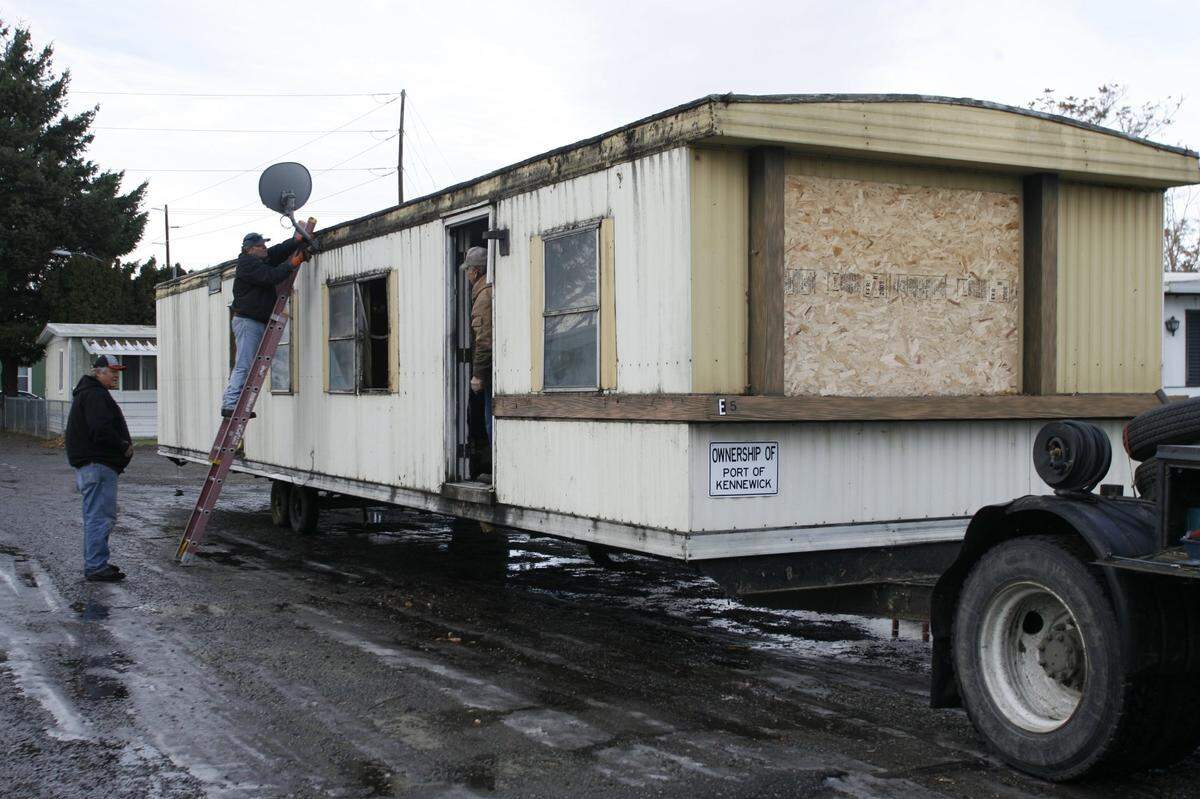
The port bought the land for $1.5 million in 2007 from the Willows Trailer Court owner. The port then purchased 33 mobile homes in the park and helped tenants find new places to live before clearing the area for future development.
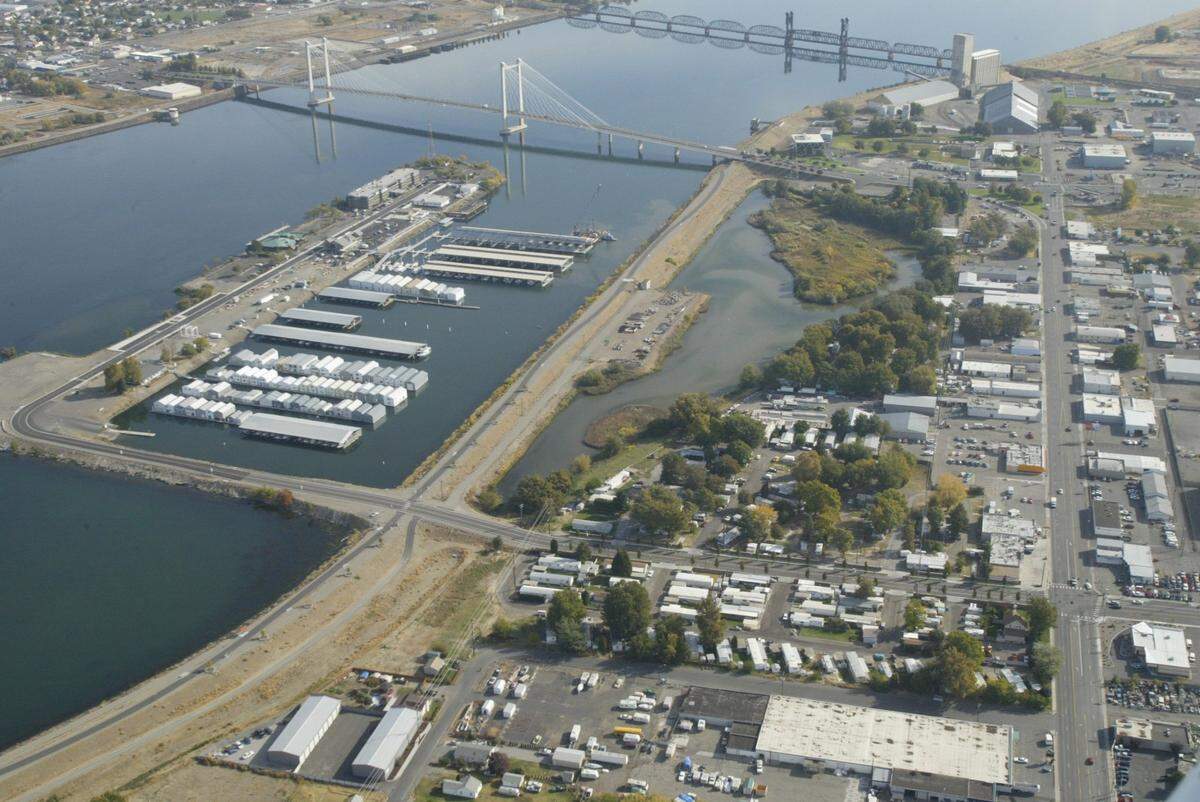
Many homeowners in the park were elderly, disabled or on a fixed income and some had lived there for more than 30 years.
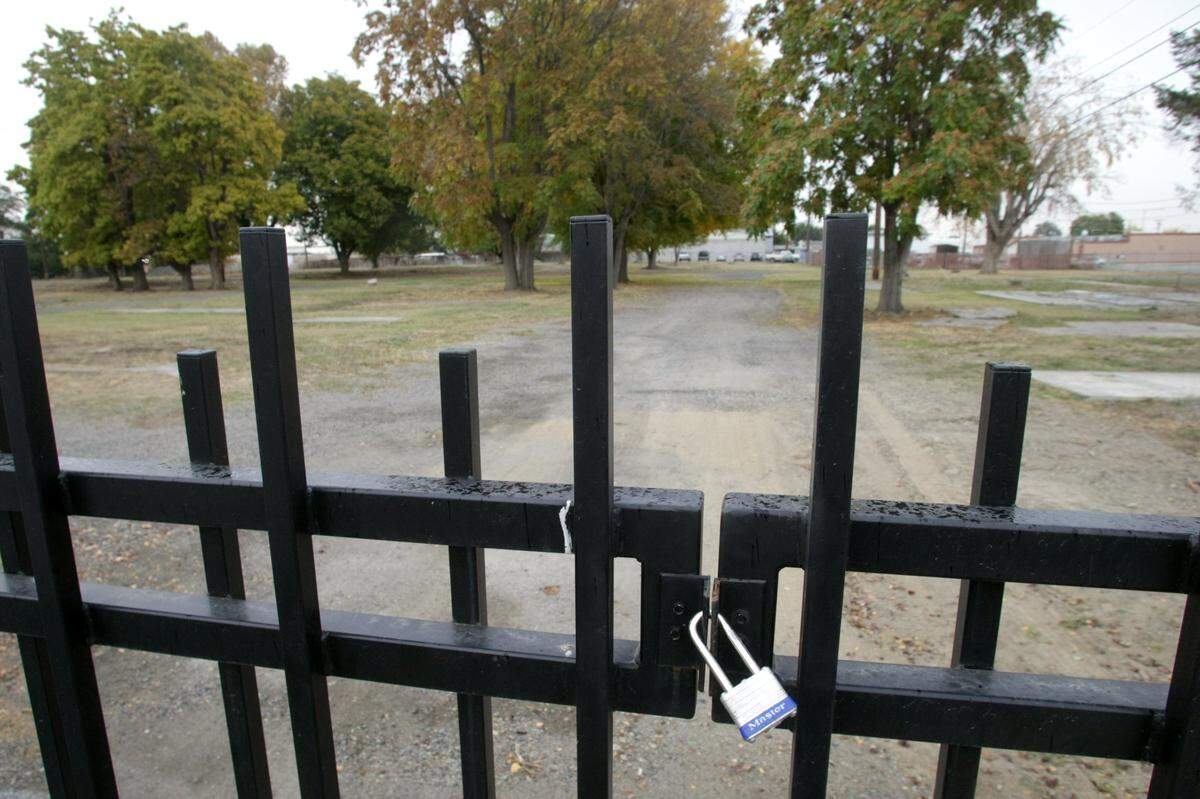
The land has since been sitting for a decade, ripe for growth.
But to attract investors the port needs to get the infrastructure in place, including water, roads, parking, lights and landscaping.
That’s money the port doesn’t have.
However, Willows area is a federal opportunity zone — an economically distressed community where new investments could be eligible for preferential tax treatment.
As a result, the port applied for a a $2.4 million grant from the pending federal Build Back Better bill and followed the suggestion of Sen. Patty Murray’s office to partner with the housing authority to improve the port’s chance of being awarded they money.
The Kennewick Housing Authority — that provides rental assistance for low-income, homeless and disabled individuals — penned a letter in support that was included with the grant application.
But some neighboring businesses and residents thought that meant a complex of low-income housing units is destined for the former Willows mobile home park site. And some told the Herald they feel the port has been “sneaky” about it.
“While I am a firm believer in the work that is completed in our community to provide safe and affordable housing to those of modest means, their proposal for the Willows is not the right fit for an area of our community that is rapidly developing into a prime retail and residential jewel in the Tri-Cities,” wrote Andrew S. Klein of Klein Griffith Properties Group.
Cal Coie of Kennewick told the port commission on May 25, “The idea to have a family-oriented area where families can walk and kids can play is just not conceivable to have that kind of operation in the Willows.”
”Why would we spend thousands of dollars to clear out low income, less desirable housing and replace it with same thing,” wrote Dale and Dorothy Hansen of Kennewick in a letter to the Herald.
But Moak told the Herald that designating the area only for affordable housing is not accurate and simply isn’t on the radar.
“There are other ways of partnering with the housing authority than what people are talking about,” he said. “The port is trying to figure out ways to demonstrate that downtown is for folks of all income areas.”
Plus, the port is looking for ways to fund future development on Clover Island by selling land at the Willows area now.
However, the housing authority likely can’t afford to buy the land, said Executive Director Lona Hammer recently told the commission.
“Even if (the housing authority) does anything at Willows at all, it would be a minor part,” Moak said.
The relationship with the housing authority is to be cooperative and informative on community needs as the masterplan is implemented rather than a condition of the grant.
Hammer proposed that 5% of all units that are built in the Willows be set aside for those who qualify for rental assistance with each developer’s contract. She added that she doesn’t believe that is a big ask and said it would calculate to only 7 units out of 138 built.
“Affordable housing should blend in to the rest of the neighborhood,” said Moak, who also is the chairman of the Kennewick Housing Authority.
The intent is not to segregate by income levels or perception of what affordable housing looks like. That is the old way of thinking, he said.
Moak said that the housing authority has been conscious of design in construction, and that perception and what low-income housing looks like also may be part of the problem.
Moak said that he believes that ideas are circulating through the community and people may not have the complete picture.
He pointed to examples across the U.S. where units are built for lower income families alongside those that are being rented or sold at market rate — no one can tell it is “affordable housing.”
However, Larry Peterson director of planning and development for the port, told the commission that the plan does not get into age, ethnicity or income — it merely covers housing density and approved uses.
A virtual public hearing on plan is at 2 p.m. Tuesday, June 8, via portofkennewick.org.
This story was originally published June 7, 2021 at 5:00 AM.