
Deadly year. Nearly 1 in 1,000 Tri-Cities area residents has died of COVID
A year ago Tri-Citians were just starting to worry about the coronavirus as reports of COVID-19 cases and deaths across the mountains in Western Washington were mounting.
Tri-Cities nursing homes were restricting visitors, events were being canceled and anxious shoppers were hauling out loads of bottled water and toilet paper from Costco.
But there had been no cases confirmed in Benton or Franklin counties, let alone any deaths from the new virus.
A year later nearly one of every 1,000 Tri-Cities area residents has died of complications of COVID-19, according to data from the Benton Franklin Health District.
In all, friends and families are mourning the loss of 292 victims.
They’re part of the grim milestones reached in recent weeks — 5,000 deaths from COVID complications in Washington state and 500,000 deaths nationwide.
“All these people are dying alone, all these people are grieving alone,” said Nancy Olivera of Kennewick.
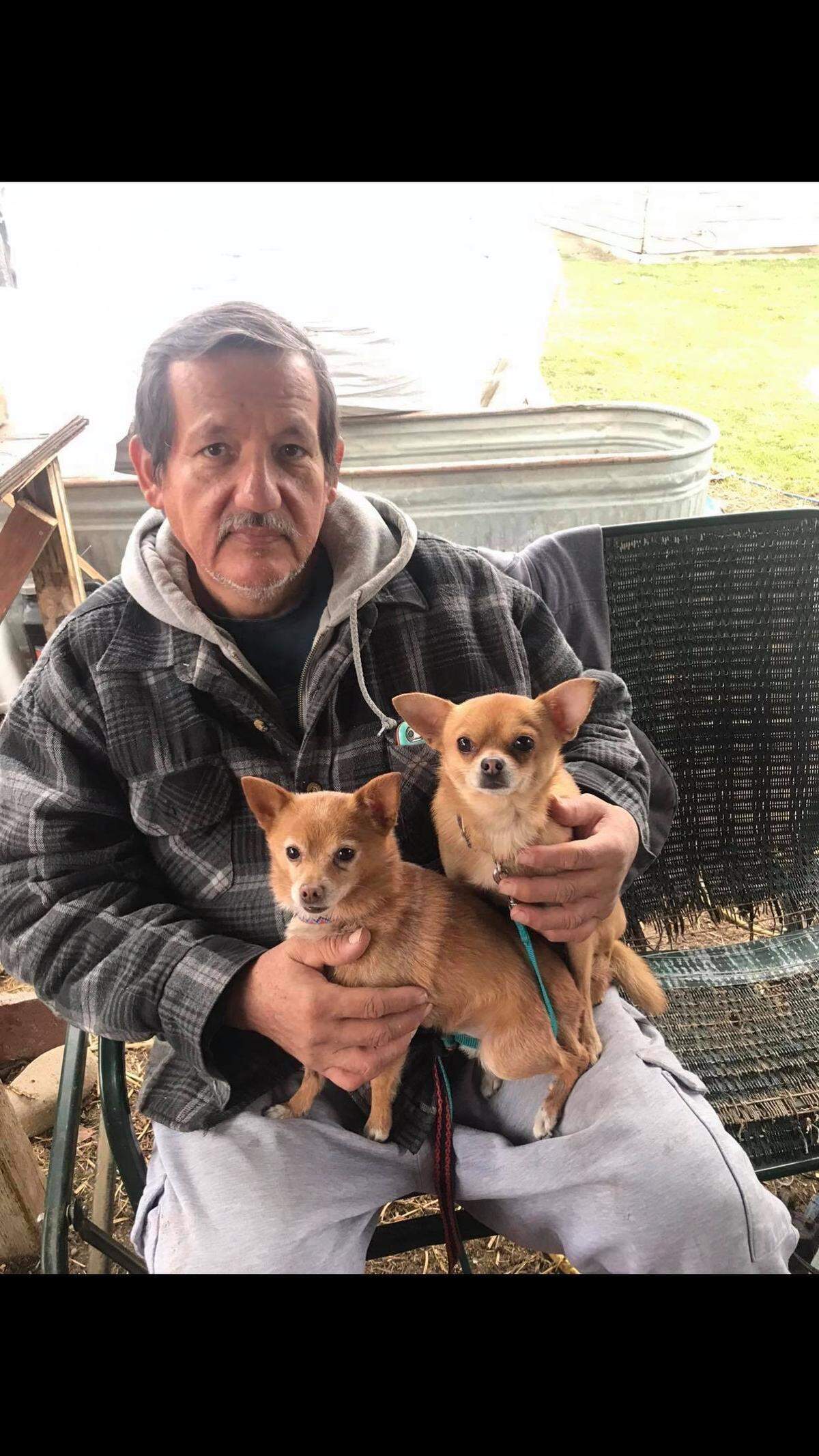
Her father, Guadalupe “Lupe” Olivera, a 60-year-old Tri-Cities meat plant worker, died of complications of COVID-19 in April.
He spent 10 days in a hospital intensive care unit, with a few family members allowed to visit briefly just before he died. Restrictions on gatherings to prevent the spread of the virus meant that most of his extended family and friends could not attend his viewing before he was buried.
At the time of his death, nearly 40 Tri-Cities area residents were known to have died from COVID-19.
1st Tri-Cities death
The tally of COVID deaths rose quickly after the first known Tri-Cities death tied to the disease five weeks earlier.
Now, Benton and Franklin counties combined rank sixth in the state for the number of COVID deaths.
And based on population, our counties, as well as Spokane and Yakima counties, had higher COVID death rates per capita than more populated counties on the West side of the state.
The disease’s first known Tri-Cities casualty was a woman in her 80s who lived in an apartment in a Richland complex for seniors, Bonaventure of Tri-Cities.
She died on the second weekend in March 2020.
She and her husband had traveled earlier in the month to Redmond, Wash., in King County, where the coronavirus was spreading through communities in February.
Both self-quarantined in their apartment until she became so ill that she was taken to Kadlec Regional Medical Center in Richland.
While she was there, her husband had a heart attack and died.
Deaths: Teens to 100+
Early in the pandemic in the Tri-Cities area, retirement and nursing homes were particularly hard hit.
A combination of elderly and medically fragile residents and communal living, including resident dining rooms, hastened the spread of the virus.
Five weeks after the first known local death, Life Care Center in Richland reported 100 cases of the disease in residents and staff. Cases in all senior living and care centers for the elderly in the Tri-Cities area had reached 218.
About 75% of Tri-Citians who died in the early months of the pandemic were residents of nursing homes or other senior living facilities.
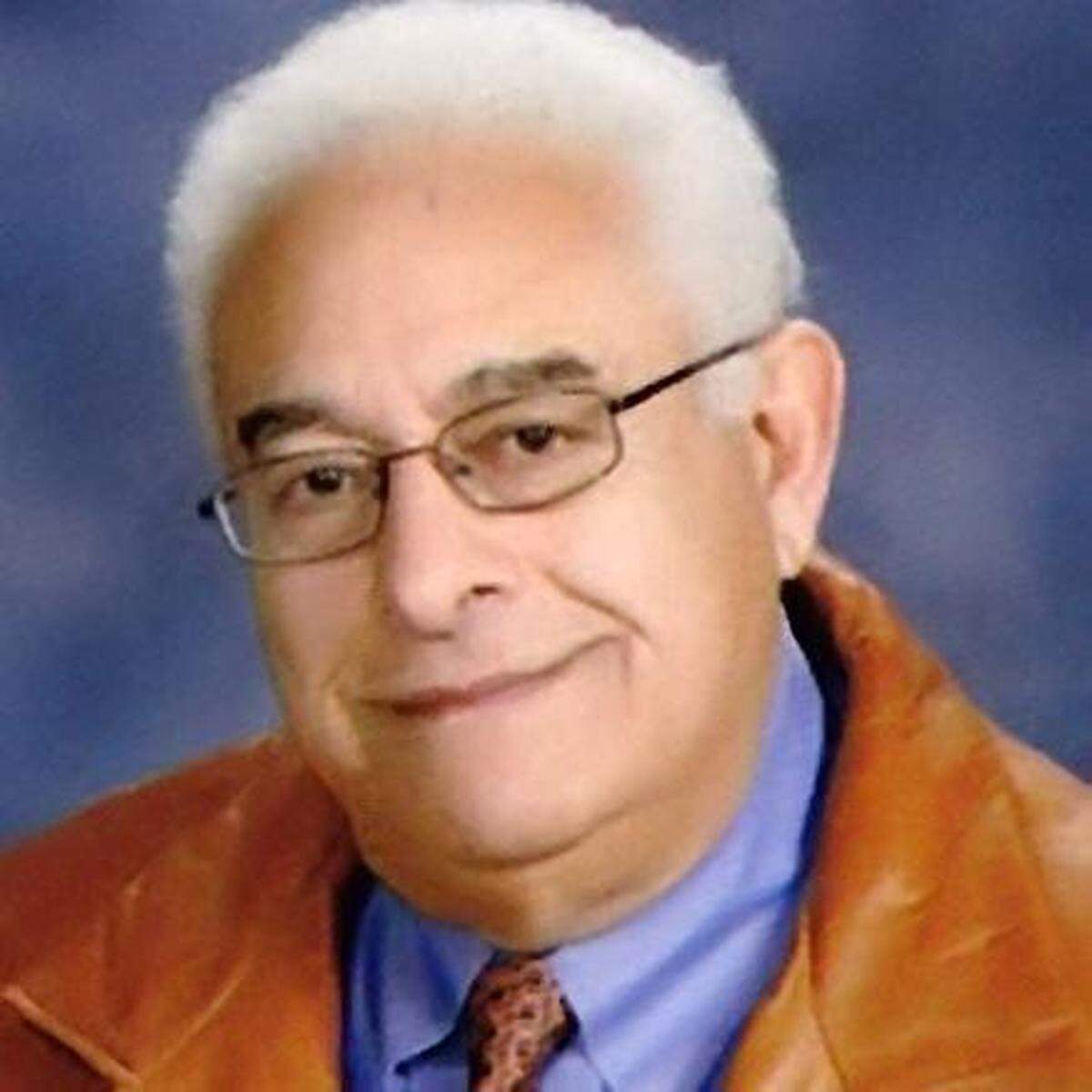
One was Fadel Fouad Erian, a retired fluid dynamicist at Pacific Northwest National Laboratory.
He was temporarily living in a Tri-Cities rehabilitation center in March 2020 because of a broken leg when several residents and staff contracted the deadly virus.
“If he wouldn’t have fallen and broken his leg, he wouldn’t have gotten it,” said his son, Neil Erian.
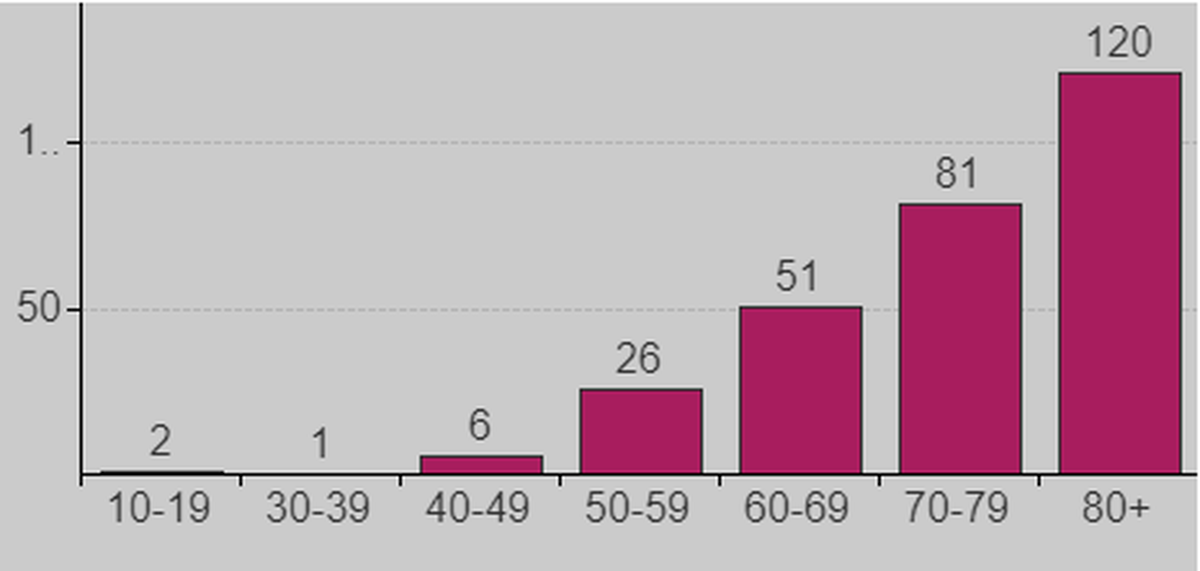
In the Tri-Cities area 42% of all people who have died due to COVID-19 were in their 80s, 90s or older than 100.
About 70% were age 70 or older, even though just 6% of the confirmed Tri-Cities area cases have been in that age group.
But the young have not been entirely spared.
In January, a baby born prematurely in Pendleton, Ore., after being infected with the coronavirus in the womb, was flown to Kadlec in Richland and lived for only two days.
The youngest Tri-Cities area residents to die have been a 15-year-old girl and a second girl whose age has only been made public as between 10 and 19.
Both had medical conditions that put them at higher risk of a severe case if infected.
Hispanics in the Tri-Cities suffered a disproportionately high number of cases of COVID-19.
Of the cases in which race was reported to public health officials, infected Hispanic people outnumbered non-Hispanic whites. However, the ethnicity of Tri-Citians who have died of COVID-19 is not available.
‘Incredibly unkind’
As people died it was often nurses who offered physical comfort and held up electronic tablets or cell phones so families could say their goodbyes.
Family visits to highly contagious sick relatives in the intensive care unit were strictly limited, if allowed at all.
“We’re the ones holding their hands,” Brad Prior, an ICU nurse at Kadlec, said in November.
“We’re exhausted. We’re emotionally tired,” he said. “It’s like nothing I have ever had to deal with before.”
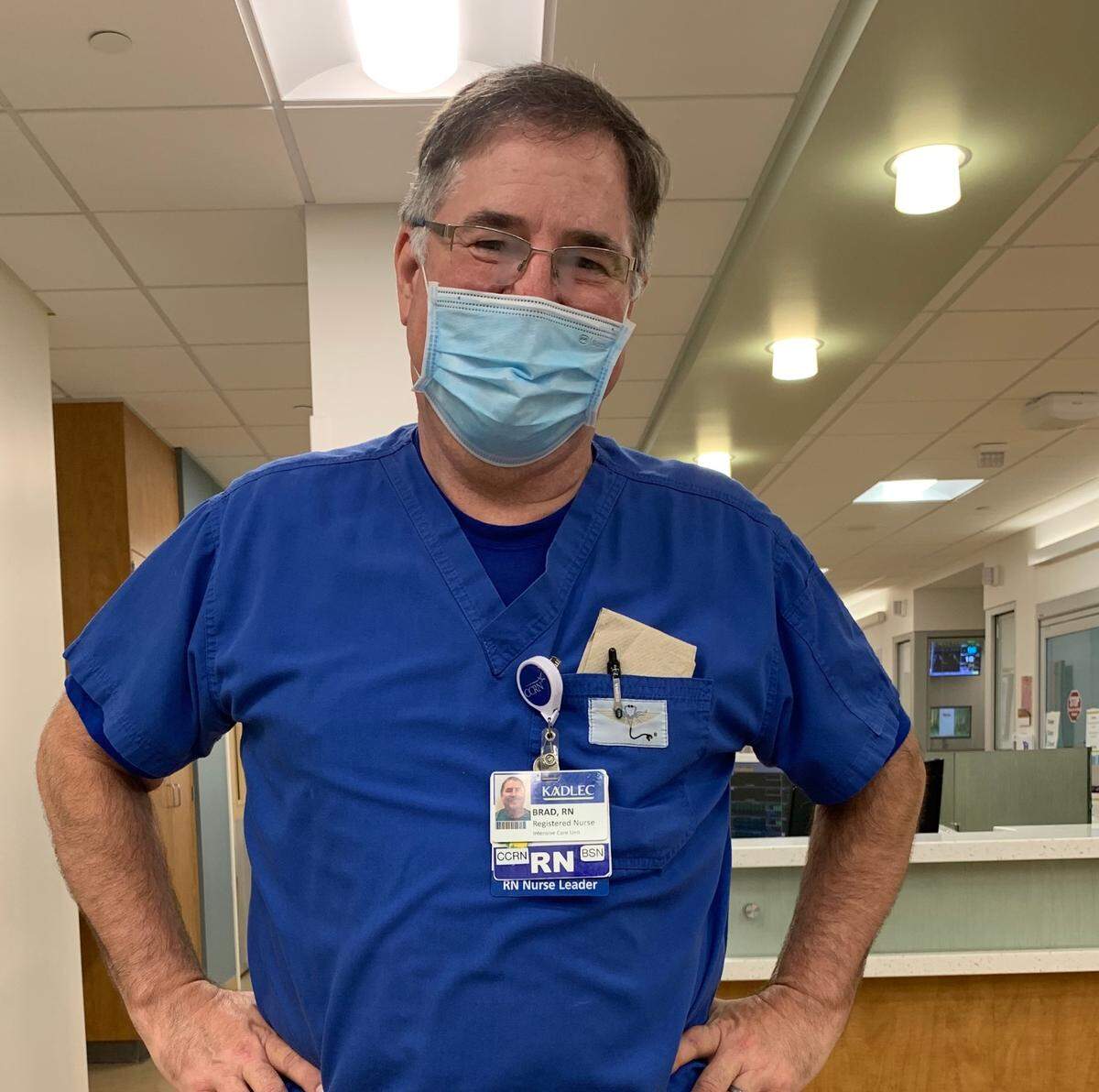
In more than two decades as an ICU nurse he had seen one or two patients die in a single day. But during the first peak of COVID-19 in the Tri-Cities in the summer, he often saw three people die each day.
As medical professionals lived the reality of patients who could not be saved and families mourned loved ones, some in the Tri-Cities took to social media to claim that the number of deaths were exaggerated.
These were people who would have died anyway because of old age or conditions like diabetes, they said.
“I really chafe at that comment when I see it,” Reza Kaleel, the chief executive of Kadlec, said in November.
“Incredibly unkind,” was his description.
Conditions like heart disease and diabetes can be managed, he said.
“They’ve got prospects of a full life or many years of life ahead of them. And COVID comes along as an accelerant and takes their life,” he said.
292 deaths
Today the Tri-City Herald remembers the residents of Benton and Franklin counties whose deaths were caused by complications of COVID-19 over the past year.
The deaths listed on Page 1A have been confirmed by the Benton Franklin Health District. All of those listed had a positive test result for COVID-19 and their death certificate lists the disease as a primary cause of their death.
Information on those who died was provided to the Herald by the local health district, and most are listed by the date that health officials were notified of their positive test result.
Dates listed after Jan. 18 were when a death was publicly announced in weekly updates.
Deaths reported Friday in Benton and Franklin counties added five more people to the tally, including a Benton County woman in her 70s, a Benton County man in his 60s, a Benton County man in his 70s, a Franklin County woman in her 60s and a Franklin County woman in her 90s.