Here’s how many already have been helped at new Tri-Cities recovery center
The Tri-Cities’ first public recovery center has been open for about a month, but already it is changing lives.
After state licensing delays the Columbia Valley Center for Recovery opened its doors and started treating patients on June 20.
And by July 9, the center’s 132 full-time staff had treated about 100 patients for addiction and mental health issues while still operating at partial capacity, according to Comprehensive Healthcare.
About two dozen of those patients transferred to other services at the center.
The Crisis Relief Center has been operating at 50% capacity and will move to 100% on July 20. The crisis stabilization and co-occurring residential treatment units have been fully opened.
They’re set to start the fourth treatment option, secure withdrawal management, next week.
Benton County, with help from Franklin County and community partners, has invested about $50 million into the center and related facilities and services.
Comprehensive Healthcare gave the Tri-City Herald a breakdown of how patients have been helped in the center’s first three weeks.
By the numbers
Crisis Relief
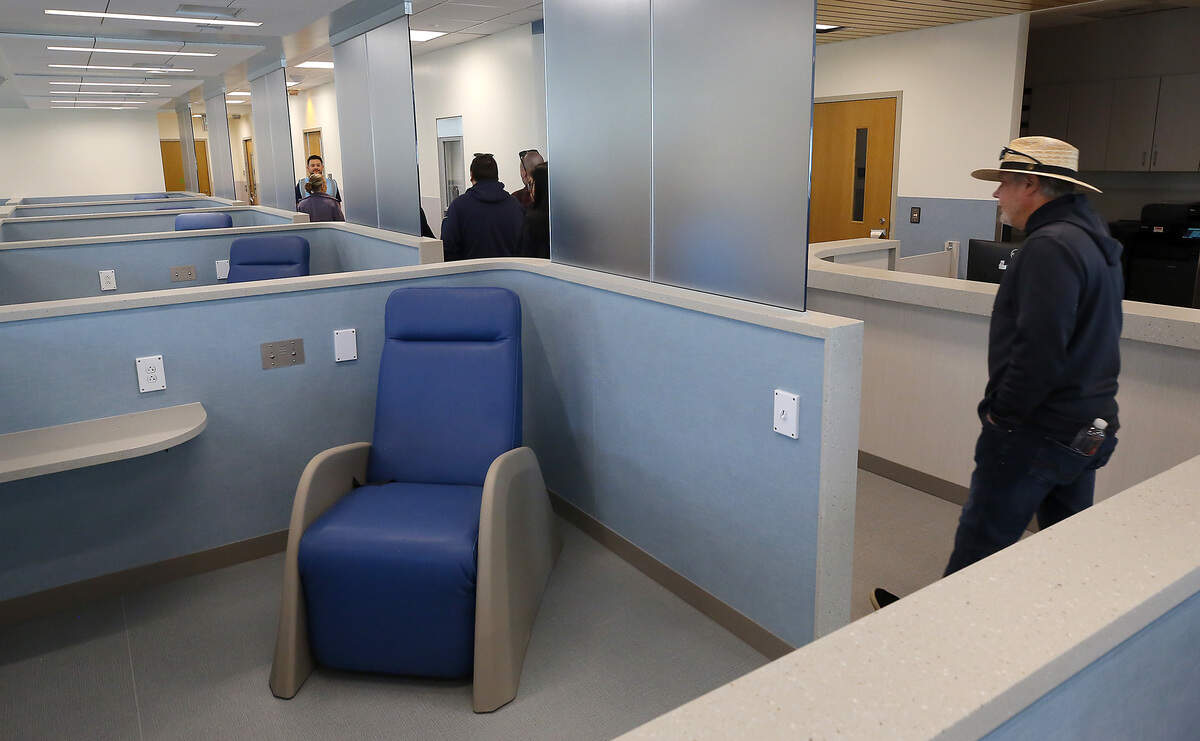
Crisis relief is what has been referred to as the 23-hour sobering wing. In this unit patients are stabilized in a supportive setting with recliners. They are assessed by healthcare staff and connected to the right level of care.
47 total enrollments between June 20 and July 9.
• 3 law enforcement drop-offs (2 Kennewick, 1 Pasco)
• 2 fire department/first responder drop-offs
• 23 were transferred to the Crisis Stabilization Unit
• 3 transferred straight into the Co-Occurring Residential Treatment Unit
Crisis Stabilization
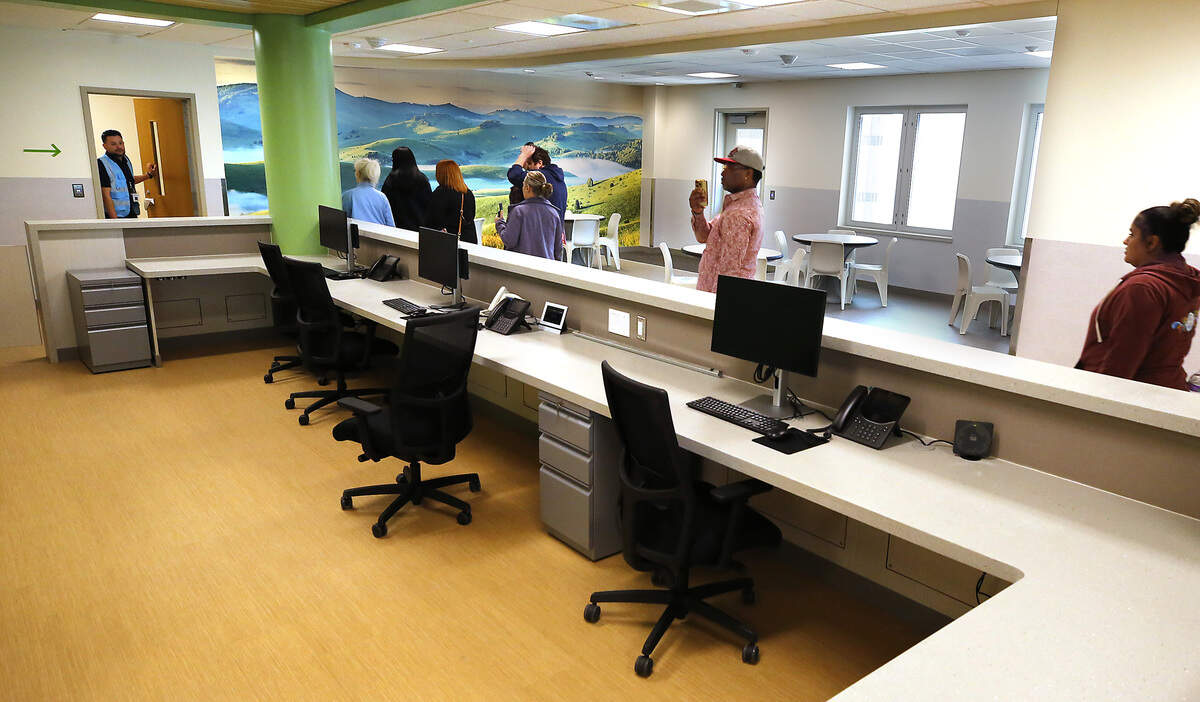
Crisis stabilization is a short-term voluntary stay, typically five days or fewer, for adults experiencing a behavioral health crisis. It is a safe and supportive environment that helps them stabilize.
In that same three-week timeframe, the crisis stabilization unit has had 59 enrollments.
Co-Occurring Residential Treatment
The co-occurring residential treatment center helps patients with substance use disorders who have need mental healthcare. The length of the stay will depend on ongoing assessments and progress toward treatment goals.
Co-occurring residential treatment center has had 25 total enrollments.
• 23 transferred in from Crisis Stabilization Unit, 1 from Bridges, an outpatient facility in Yakima.
Secure Withdrawal Management
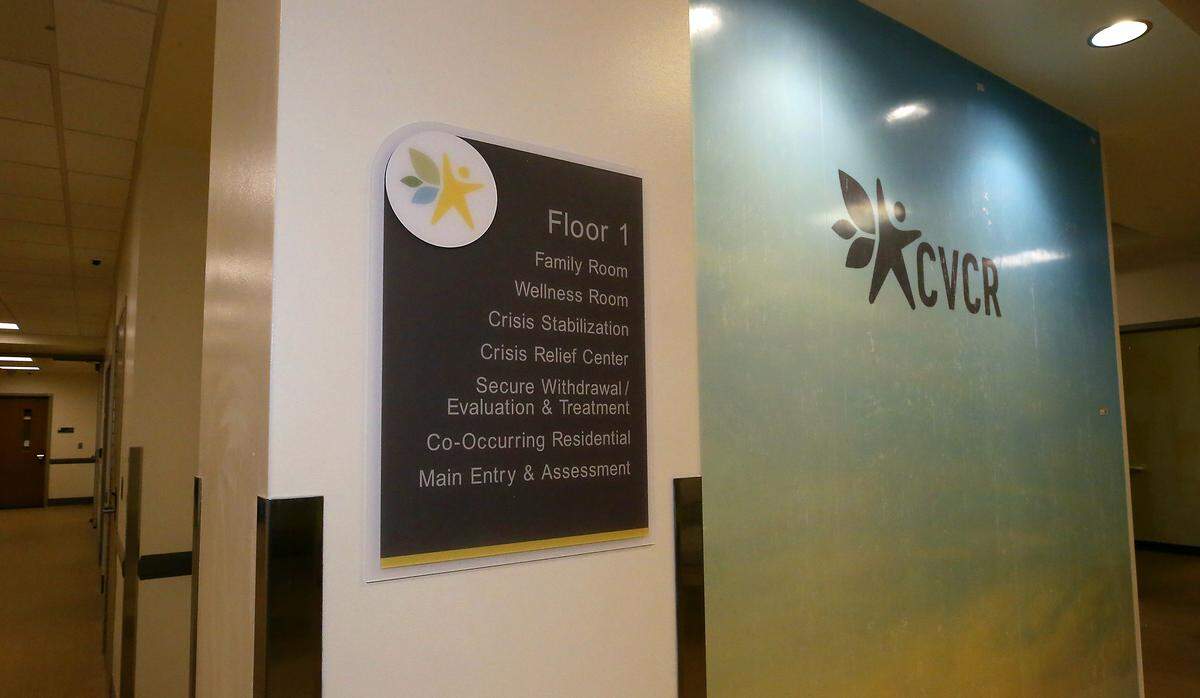
The secure withdrawal management unit will provide withdrawal management and stabilization services. Patients will be assessed, stabilized and cared for while detoxing. There will be two levels of detox, one with monitoring and patient administered medication and the other with 24-hour medical care by nurses and doctors.
Recovery Housing
A $9 million recovery housing project is still a few years out, but Benton County already has started applying for permits.
The facility will be a standalone building on the corner of the old Kennewick General Hospital lot near the city’s baseball fields. It will have 18 apartment-style units that will house two patients each. There will be a common area with a kitchen, laundry and more.
Residents will stay up to two years while they continue receiving support for addiction and mental health issues.