
Community-based mental health care strengthens Tri-Cities economy | Opinion
With demand for behavioral health care the highest it’s ever been, the Tri-Cities recently gained something it has needed for years: an inpatient treatment and recovery facility. The Columbia Valley Center for Recovery brings behavioral health care closer to home, providing greater access, stronger support for recovery and renewed hope for families.
That matters for individuals and families, and it matters for the stability of our entire community. Behavioral health care is too often framed only as a social issue. In reality, it’s part of our economic infrastructure, just like our roads, schools and utilities.
The new facility will provide a critical level of care for people facing substance use and mental health challenges, including crisis relief and stabilization, as well as withdrawal management and long-term residential treatment for co-occurring disorders. Best of all, residents will be able to receive treatment while staying near their families, jobs and support systems, rather than leaving the region during one of the hardest moments of their lives.
And while the Columbia Valley Center for Recovery expands access to care, it also stabilizes the economic foundation of the Tri-Cities. When people can access timely mental health and substance use services, they’re more likely to stay employed, remain housed and support their families. When care is out of reach, the cost doesn’t just disappear, it shows up in emergency rooms, workplaces and public systems that are forced to respond to crises that earlier intervention could have prevented.
Community-based behavioral health care also anchors the region in another way: it creates jobs.
The nonprofit sector, including community-based behavioral health care, is a powerful, under-recognized provider to the U.S. economy, contributing over $1.5 trillion, or more than 5% of U.S. GDP.
The Columbia Valley Center for Recovery adds nearly 150 new full-time positions in the Tri-Cities, jobs our region urgently needs. At one job fair for the facility this spring, we met more than 200 people seeking professional opportunities. These are stable jobs that keep paychecks and spending in our community, while building expertise that strengthens the region.
Behavioral health care isn’t just a service; it’s an economic engine. The Columbia Valley Center for Recovery reflects a shift away from viewing behavioral health care as an optional add-on to a central component of our regional growth. Local leaders and policymakers can ensure this shift remains permanent.
This new facility is the result of years of partnership among Comprehensive Healthcare, Benton County and key partners like the Benton Franklin Recovery Coalition. Together, we’re making a statement about the kind of community we want to be — one that invests in people, believes in recovery and plans for the future.
Our region has an opportunity to expand treatment capacity locally and lead nationally in how we integrate mental health into economic development frameworks. That means continuing to invest in workforce development, advocating for sustainable funding and supporting the providers who make this type of care possible.
Most importantly, the opening of the Columbia Valley Center for Recovery proves what’s possible: a stronger safety net, a healthier workforce and a more stable, vibrant Tri-Cities.
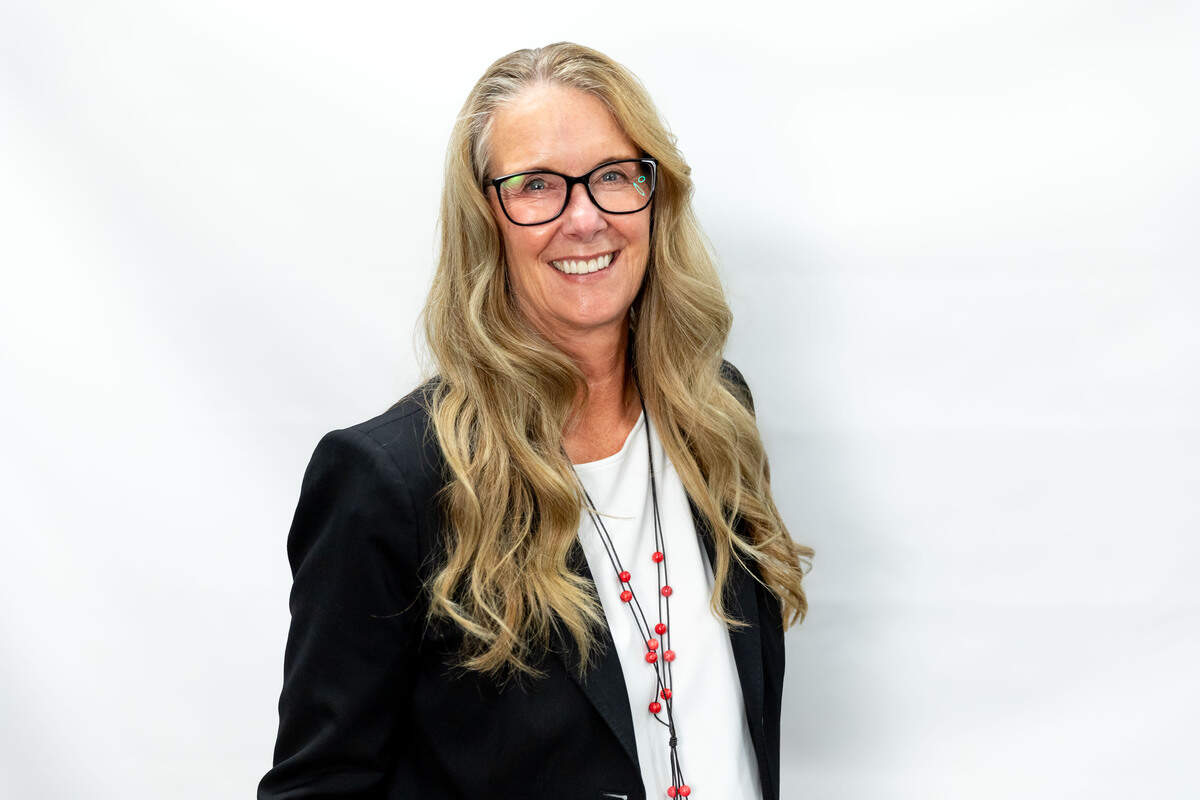
Jodi Daly, Ph.D. is president and CEO of Comprehensive Healthcare