
These are the biggest Tri-Cities driving complaints, according to your reader votes
Residents of Tri-Cities have self-identified as an area with notably bad drivers on social media, and now in a recent Herald poll. It’s become increasingly common to see community Facebook groups where area residents can post bad driving examples they encounter. Spokane and Seattle label themselves similarly.
In fact, one of the most popular Tri-Cities-wide Facebook pages is “Tri-Cities Bad Driver Shaming.” It currently has more than 51,000 members.
We asked readers which driving fails are seen in Tri-Cities most often in order to determine what local drivers most need explained. Out of more than 200 responses, the top response by far was roundabouts.
The roundabouts in Tri-Cities have already garnered some local infamy, with the same reaction to new roundabout projects, full of jokes and nicknames. The area has an abnormally-high number of roundabouts, including several sets of roundabouts where one leads into another. Yet many drivers still approach the circular traffic regulator with unfamiliarity.
So, what are the state guidelines for driving in a roundabout?
Basics for driving in a roundabout
There are two main kinds of roundabouts, single-lane and multiple lane. Both are common in Tri-Cities.
▪ Basics for all roundabouts
- When approaching a roundabout, yield to all traffic in the circle
- Yield to bicyclists and pedestrians crossing
- You do not have to stop before entering the roundabout if there is no traffic in the circle
- Always drive around the circle, to the right
- Do not stop in a roundabout, unless yielding to pedestrians or bicyclists
- Drive 15 to 20 mph in the circle unless otherwise posted
- If you miss your exit, just continue carefully around the circle
▪ Basics for multi-lane roundabouts
In addition to the above guidelines, also:
- Do not change lanes while in the circle
- Avoid driving next to oversized vehicles
- Follow pavement markings and posted signs to use the correct lane for your desired exit
- In general, if you’re turning right, use the right lane. Use either lane to go straight, and the left lane to turn left or make a U-turn
If an emergency vehicle approaches while you’re in the circle, continue through the roundabout as planned, then pull over like normal.
Other tips for Tri-Cities drivers
The second-most popular response to our reader poll was freeway/highway etiquette. Other responses about bad Tri-City driving included:
- Merging
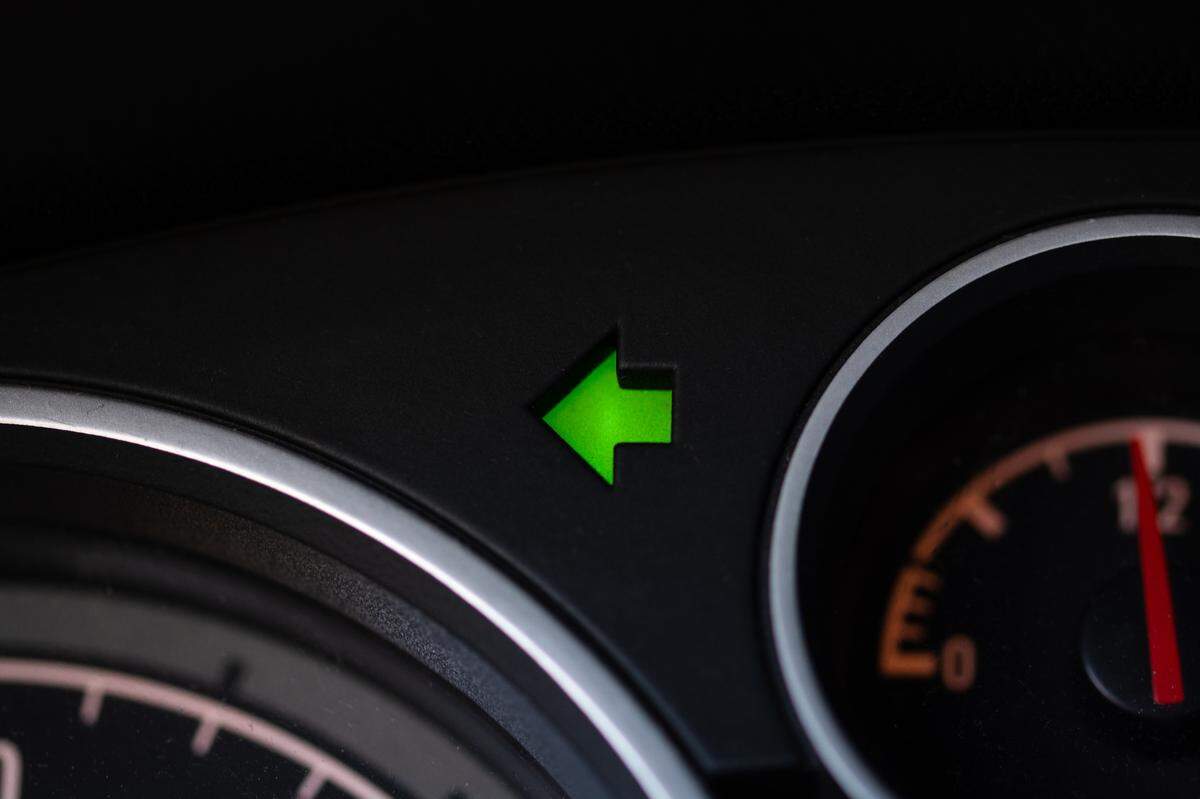
- Lack of turn signal use
- Tailgating/following too closely
Let’s discuss merging, changing lanes and using turn signals per guidelines in the Washington State Driver Guide.
▪ Freeway etiquette
- If you’re on a road with two lanes going in the same direction, you should stay in the right lane, except when legally passing. In other words, remain right except to pass.
- If there are more than two lanes and a lot of entering or exiting traffic, use the center lane.
▪ Turning, signaling
- Use your turn signal when changing lanes.
- Check your mirrors and your blind spot to ensure you have room, then move one lane at a time.
- In all instances, the state drivers guide recommends signaling at a minimum of 100 feet before you move.
- When turning, you want to turn from the lane that is closest to where you want to go.
- Use your signal and turn into the closest lane from where you came.
- You should not cross lane lines while turning.
▪ Tailgating
- Drivers should maintain a two- or three-second follow time behind others at speeds up to 30 mph.
- The faster the speed, the greater the following distance.
This story was originally published August 15, 2023 at 12:06 PM.