
Rattlesnake season heats up in Eastern WA. Don’t do this if you get bit
Snake season has started for the dry side of Washington, with the nonprofit Washington Poison Center reporting that it has received its first two rattlesnake bite calls of the year.
Last year it received 24 calls from medical providers treating patients with rattlesnake bites, but the number of bites was likely higher since there is not a requirement to report bites to the center, it said. Most of the bites were between April and August.
Rattlesnakes are largely a Columbia Basin issue in Washington, with the snakes occasionally startling visitors to Tri-Cities area parks.
Benton County has parks that function as nature reserves and has noted rattlesnake sightings at Badger Mountain, Horn Rapids Park downstream of the boat launch, Wallula Gap Preserve and the Rattlesnake Mountain Shooting Facility. They likely are also at Candy Mountain, Horse Heaven Vista and Hover Park, it said in a social media post a few years ago in response to questions.
Sightings are most common at Badger Mountain, with its popular trail system drawing 100,000 visits a year, but rattlesnake bites have been rare.
The county heard that a child was bitten there in July 2018, but it had no first-hand information about the incident, according to social media reports.
In September 2016, a hiker was bitten on Sagebrush Trail on Badger Mountain. They were treated by paramedics and were fine, the county reported.
In 2019 a border collie was bitten on the mountain when it jumped into the bushes along the trail. The owner immediately noticed the dog’s cheek was swelling and took it to a veterinary clinic for antivenom.
Last week workers at the Hanford nuclear site were reminded that rattlesnakes have come out of their dens with the warmer weather at the sprawling 580-square-mile site just north of the Tri-Cities.
Out of all of the snake species in Washington, the western rattlesnake is the only one of real concern, according to the nonprofit Washington Poison Center.
“It’s bite is rarely deadly, but it can still lead to serious health problems and high medical costs,” it said in a recent newsletter.
Up to a quarter of rattlesnake bites are “dry” bites that do not inject venom, according to the center.
But if the bite is venomous, symptoms can appear within minutes or take hours to appear.
Fortunately for Tri-Cities area residents, the bite of the western rattlesnakes found here rarely lead to the serious nerve or brain problems like some other species of rattlesnakes, according to the center.
What not to do if bitten
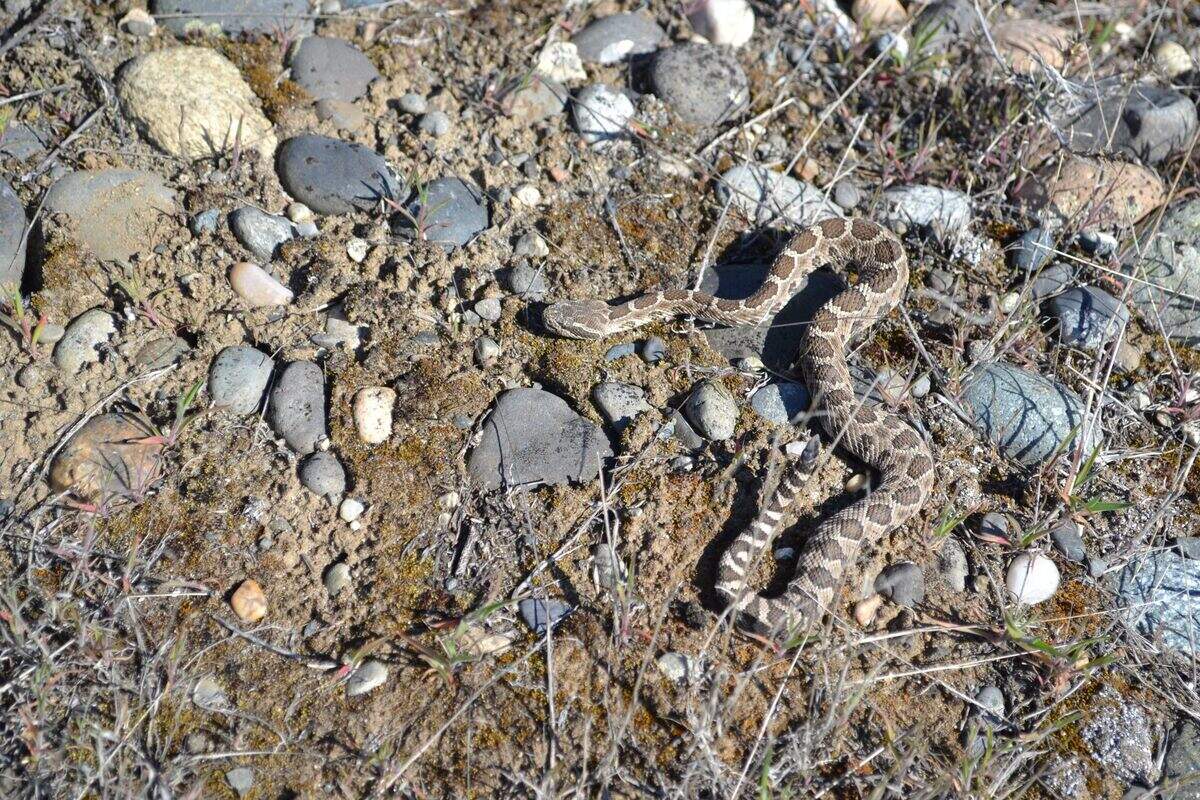
Some methods of treating a rattlesnake bite may do more harm than good. The poison center advises:
▪ Don’t try to suck out the venom or cut the site of the bite.
▪ Don’t use snakebite kits.
▪ Don’t apply ice.
▪ Don’t use a tourniquet.
▪ Don’t try to capture or kill the snake.
The best tools to use if you get bitten are your car keys and phone, according to Washington Poison Center. Call the center, which is staffed around the clock, and go to a hospital immediately.
What to do if bitten
If someone is bitten, here’s what Washington Poison Center recommends:
▪ Call 911 if the person is having difficulty breathing, swelling starts around the face or the person had been bitten in the face, or the person loses consciousness.
▪ Call Washington Poison Center to locate an emergency room and to have the hospital notified you are on the way. It can also help healthcare providers with treatment.
▪ Keep the bitten area still and lower than the heart until reaching the hospital.
▪ Remove rings, watches or tight clothing near the bite site in case of swelling.
Prevent rattlesnake bites
To stay safe around rattlesnakes, Washington Poison Center recommends:
▪ Wear boots and long, loose hiking pants.
▪ Don’t step or reach into thick brush, tall grass or rock piles.
▪ If you see or hear a rattlesnake, slowly move away.
▪ Save the number of Washington Poison Center, 800-222-1222, in your cell phone and know the name and location of the hiking trail in case you need to call for help.