
Skaters in Tri-Cities call for a Pasco skate park. Why isn’t there one, how would it help?
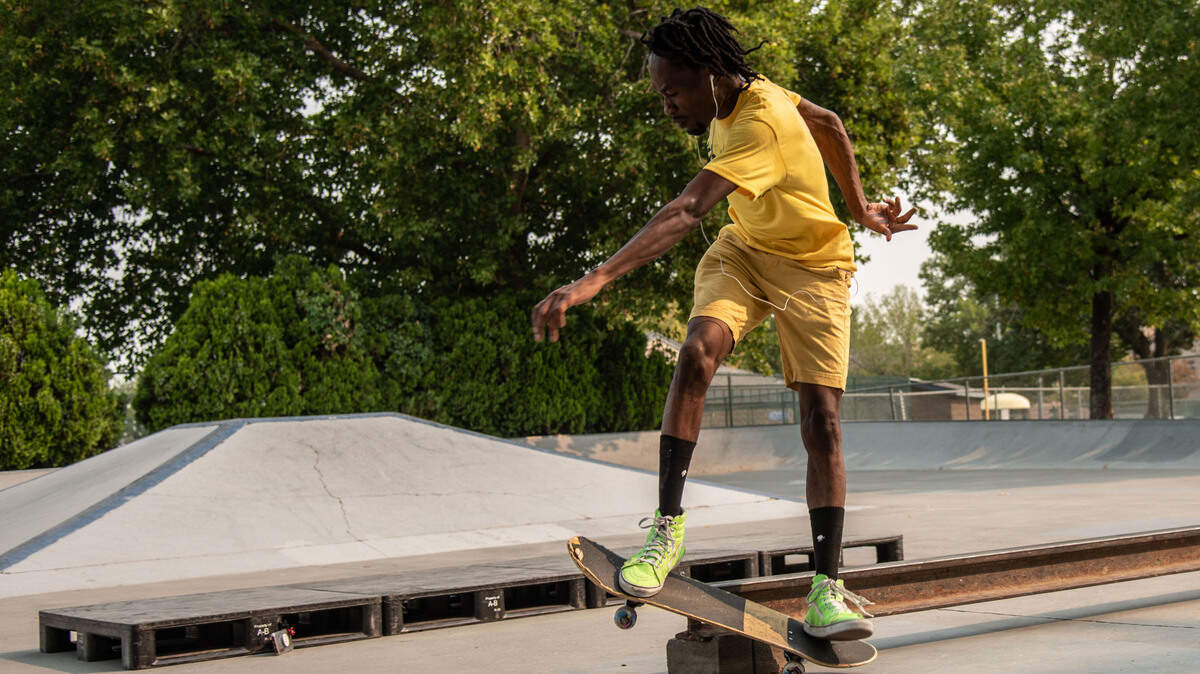
If you’ve been in eastern Washington for any decent length of time, you’ve probably heard someone say, “There’s not much for kids to do around here.”
It’s a common saying on this side of the Evergreen State, where less-populous regions offer fewer recreational opportunities for children compared to cities on the west side of the state.
And it’s not just a recreational issue — studies show that children who enjoy more interaction with their community are more aware of the world around them and develop vital parts of their brain such as emotions, mood and empathy.
However, access to recreational areas in eastern Washington can be challenging. One outlet in which Tri-Cities resident Johnathan Thomas wishes to see more development is skate parks. Thomas helps run a summer skate camp through the Tri-Cities YMCA.
Skate parks are abundant on the west side of the state. The skateboarding lesson provider GoSkate counts 97 skate parks on the west side of the Cascades, while only 24 exist east of the mountain range.
Almost half of those 24 skate parks are in Spokane, and only three are in the Tri-Cities region: two in Kennewick, one in Richland and zero in Pasco.
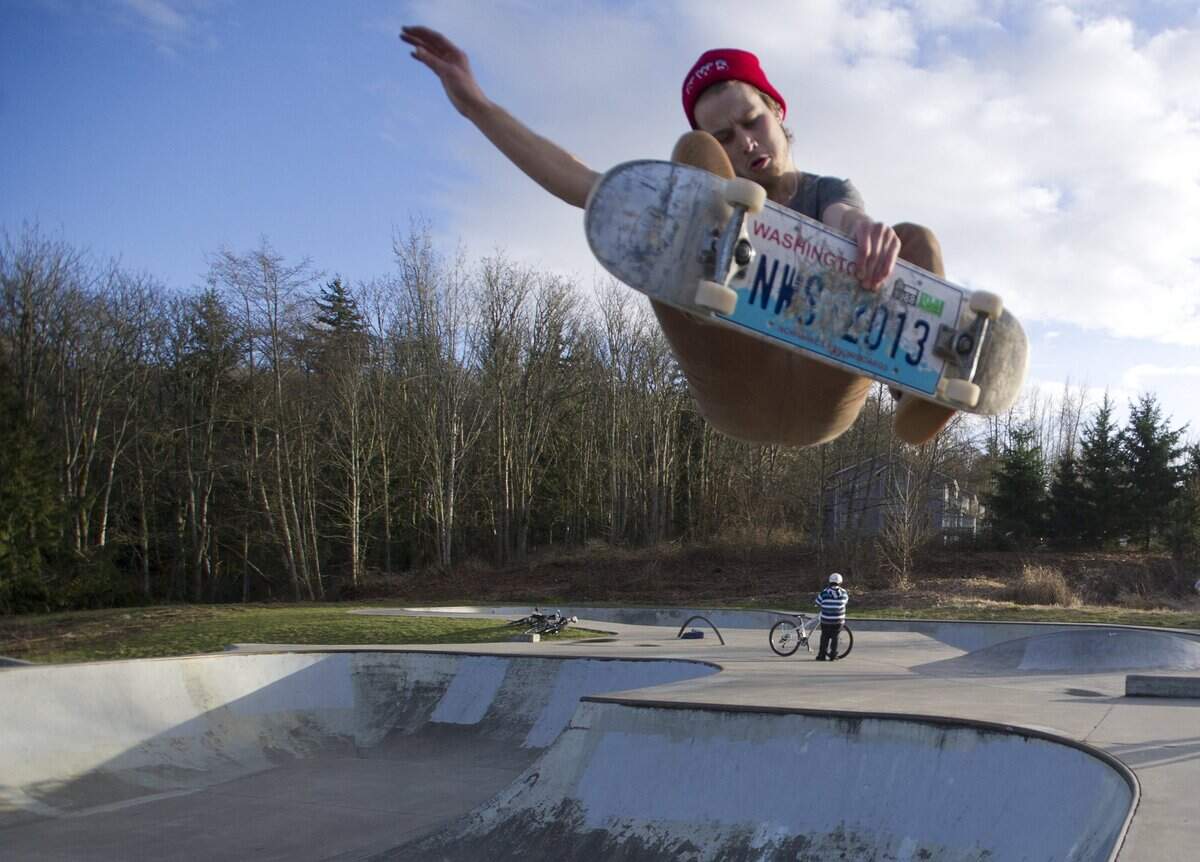
Lack of skate parks in Tri-Cities
Of the three full skate parks in Tri-Cities, there’s the Civic Center Skate Park and Columbia Park Skate Park in Kennewick and the Jeanette Taylor Skate Park in Richland.
Skaters in Pasco have to take a highway to any Tri-Cities skate park, which might not be an option for those without car access.
The Skatepark Project, a non-profit organization working to construct skate parks in more communities, says lack of access to transportation is one reason all neighborhoods should have at least one skate park.
While the possibility of a skate park in Pasco has been considered, the idea hasn’t been prioritized. Instead, the city has focused on a $47 million aquatic center in West Pasco as it plans for exponential growth over the next two decades.
Hesitations toward skate parks
So why is there such a hesitation toward building more skate parks in eastern Washington?
Thomas told the Tri-City Herald that he believes many people may still see skateboarding in a negative light. Just a couple of decades ago, when Tony Hawk was an American star, Thomas said that skateboarding was often paired with tagging and drinking, and these matters were compounded by skateboarding being banned in many public places.
“Back in the day, if you wanted to skate, you had to break the law to do it sometimes,” Thomas told the Herald.
It’s easy to follow that stereotypical “delinquent” type when you’ve already crossed that line, he added.
“When you’re told you’re not part of your community, you think, ‘well, I don’t care what these people think at all,’” Thomas said.
The Skatepark Project, formerly known as the Tony Hawk Foundation and founded by Hawk, also discusses this characterization of skaters. The non-profit is working to combat those misconceptions and increase the presence of skate parks across the country.
“Skateparks are a valuable community resource that provide the local and visiting action sports community with a safe place to ride,” The Skatepark Project states on its website. “Skate parks can be seen as a playground, a gym, a creative laboratory, a community center and much more.
“We believe skate park users encounter a physical and social environment that improves mental health, fosters community, and encourages diversity and resilience,” the organization continued.
Accepting the positives of skating in Washington
Thanks to the efforts of organizations like The Skateboard Project and people like Thomas, progress is being made toward the perception of skating.
There tends to be a more serious tone toward skateboarding — so much so that skateboarding was an Olympic sport at the 2020 Summer Olympics held in Japan in 2021.
Thomas believes access and acceptance significantly contribute to skating being taken more seriously. The Skatepark Project has funded studies finding that skate parks benefit communities as a whole, such as bringing children and young adults from various backgrounds together and fostering a sense of community.
“The benefits of skateboarding are well documented,” states the non-profit Public Skatepark Guide. “Skateboarding encourages regular physical activity, gives young people a basis for establishing friendships, and develops confidence. Any healthy activity that a young person is passionate about should be encouraged and supported.”
In areas without skate parks, the Skatepark Project says the whole city becomes a skate park. Skaters have no choice but to utilize street skating without a designated space, which can lead to tension between the skating community, local businesses, and law enforcement.
Not only does a skate park eliminate those tensions, but in some cases, the youth crime rate went down across the city after a skate park was constructed.
A study by The Skatepark Project that studied youth crime rates before and after a skate park was constructed in 37 states found that 47% of police officers reported a decrease in youth crime, and 49% reported no overall increase in crime. Only 4% of officers reported an increase in youth crime following the opening of a skate park.
Summer skate camps in Tri-Cities
Even though there are limited options in Tri-Cities, some skaters like Thomas are working to provide learning opportunities. Skateboarding can be a risky sport, Thomas said, which is why offering a safe, structured way to learn is so important.
Thomas is part of a summer skate camp sponsored by the Tri-Cities YMCA. The camp offers skill-based learning for skaters at different levels. You can start with no knowledge at all or come in with some skills and learn new tricks.
Helmets and pads are required. Skaters should bring their own boards, but there are sponsorship options for kids who can’t afford them.
The co-ed camp is for kids 6 to 12 and costs $20 for YMCA members and $25 for other community members. Classes are held on Saturdays for several weeks during the summer, and registration is available online.