
Outdoors | Of trout fishing and mushrooms. Day trippin’ to the Tucannon River
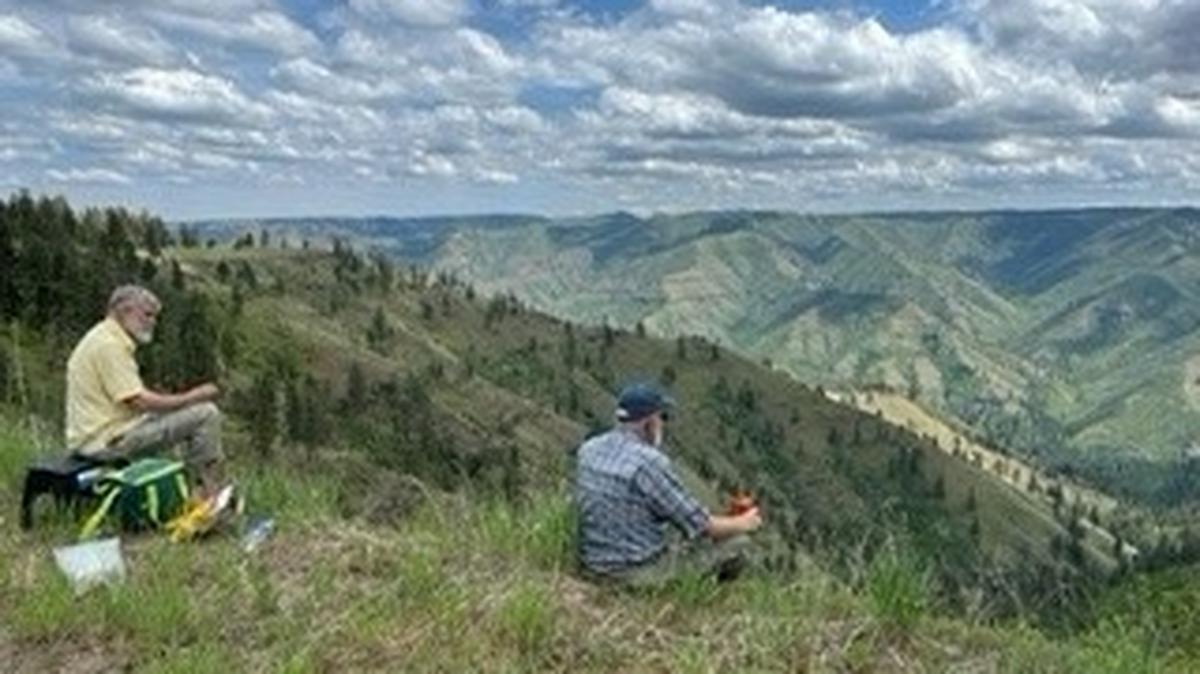
We motor due south on a one-track dirt road that crests an open ridgetop above the upper Tucannon River.
Field grass waves in the morning breeze, bluebirds peek out from a row of nesting boxes, cumulus clouds float above the horizon, the bloom of balsamroot greets.
We roll the truck windows down, savor cool mountain air and leave a trail of dust for the next guy to eat.
It feels good to exit sagebrush country and forage for mushrooms under the spread of old-growth grand fir and Ponderosa pine.
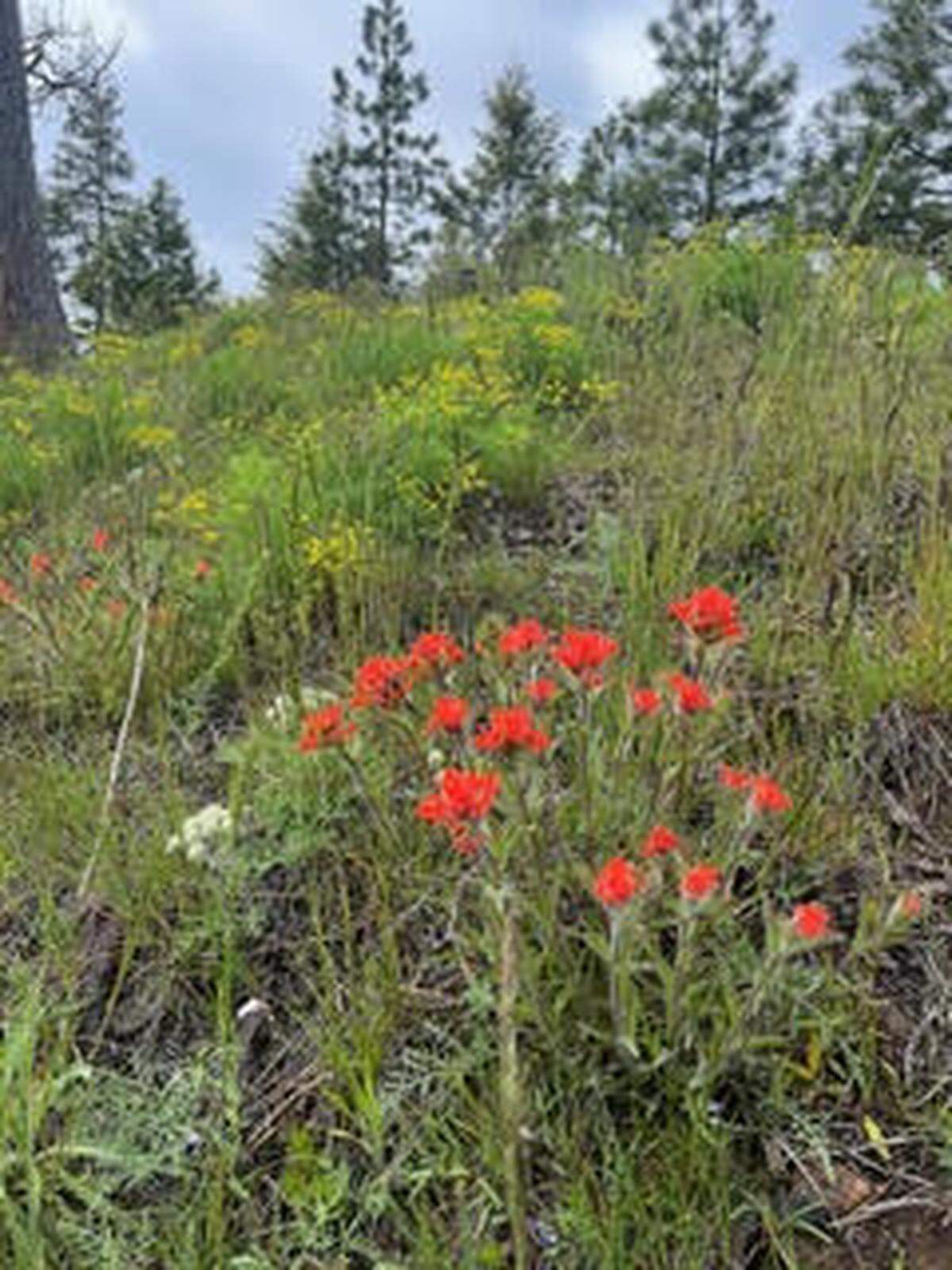
To eat a picnic lunch on an overlook, ponder the geology of ancient lava flows, and find pleasure in the spring bloom of wildflowers.
Last year was a banner season for morel hunters across Eastern Washington and Oregon. Facebook pages populated all summer long with photographs of pickers standing beside bushel baskets of morels the size of hen’s eggs.
Ted, Ken, and I also had success tromping forested slopes in the Blues, albeit not bushel baskets.
A decade of mushroom hunting has taught me that morels are flighty. Some patches reward year after year. Others come and go.
For me, a few dozen morels and a brace of fresh corals in my canvas sack makes for a good day in the woods. The sighting of a pileated woodpecker, newborn fawn, or rare wood orchid puts frosting on the cake.
Some not-so-good things about long-distance outdoor treks are forgotten over a year’s time: axle-busting spur roads, “No Trespassing“ signs, and wood ticks.
There’s also the possibility of familiar landscapes altered from road construction, logging, or homesite development. Although optimistic about our chances, Ted texted prior to departure, “Might want to take our fly rods along in case mushroom hunting sucks.”
Ted’s text appeared prophetic. Four hours of cruising forested slopes where we collectively bagged over 100 morels and six pounds of corals led to the harvest of one lonely morel.
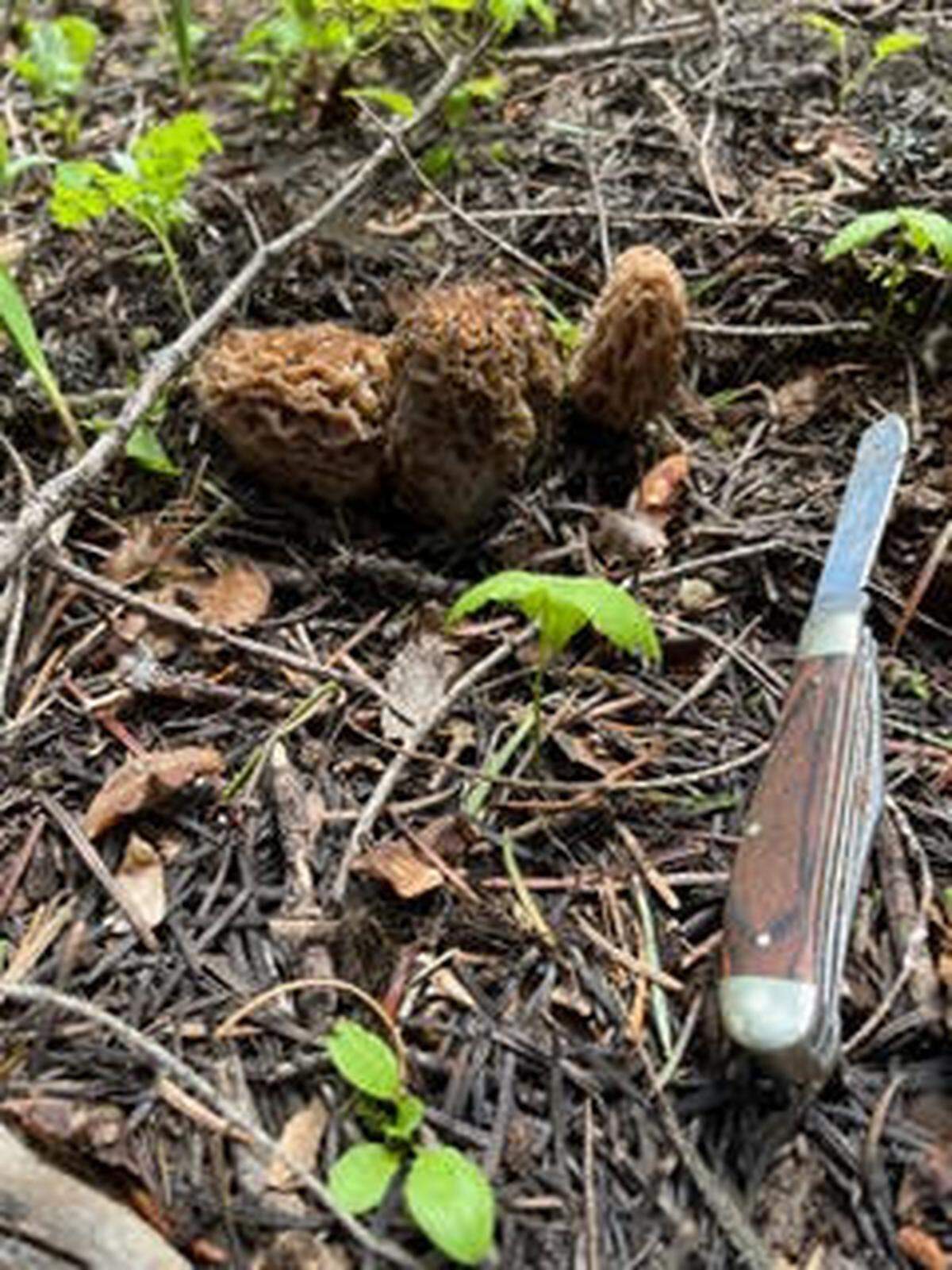
Open areas crowded with huckleberry bushes, the edge of slash piles, and exposed loam under the canopy of old growth conifers failed to produce a find.
“I hope we can salvage the trip by going trout fishing,” Ken said. Eastern Washington stream fishing was not open until the end of the week, which left stocked lakes in the Tucannon River watershed as our closest option.
Returning back the way we came, mourning doves flush from fence rows and a large lineup of wind turbine blades turn slowly if at all. Cottonwood bloom floats in the air like gentle snowfall as we motor down Hartsock Grade and continue upstream along the Tucannon River.
The eight small man-made lakes that comprise the Tucannon Lakes are stocked with several thousand catchable-size rainbows beginning in March.
Many are visible along Tucannon River Road, as are adjoining campsites. We chose to stop at 8-acre Rainbow Lake where about 5,000 trout were released during the first three weeks of May.
A dozen anglers spread out along a graveled shoreline in lawn chairs. Most have a lazy eye on a bobber.
A large American flag hangs from the front door of an RV backed into a shady spot. Swallowtail butterflies gather in muddy seeps. A bald eagle launches from a hillside snag and circles over the lake.
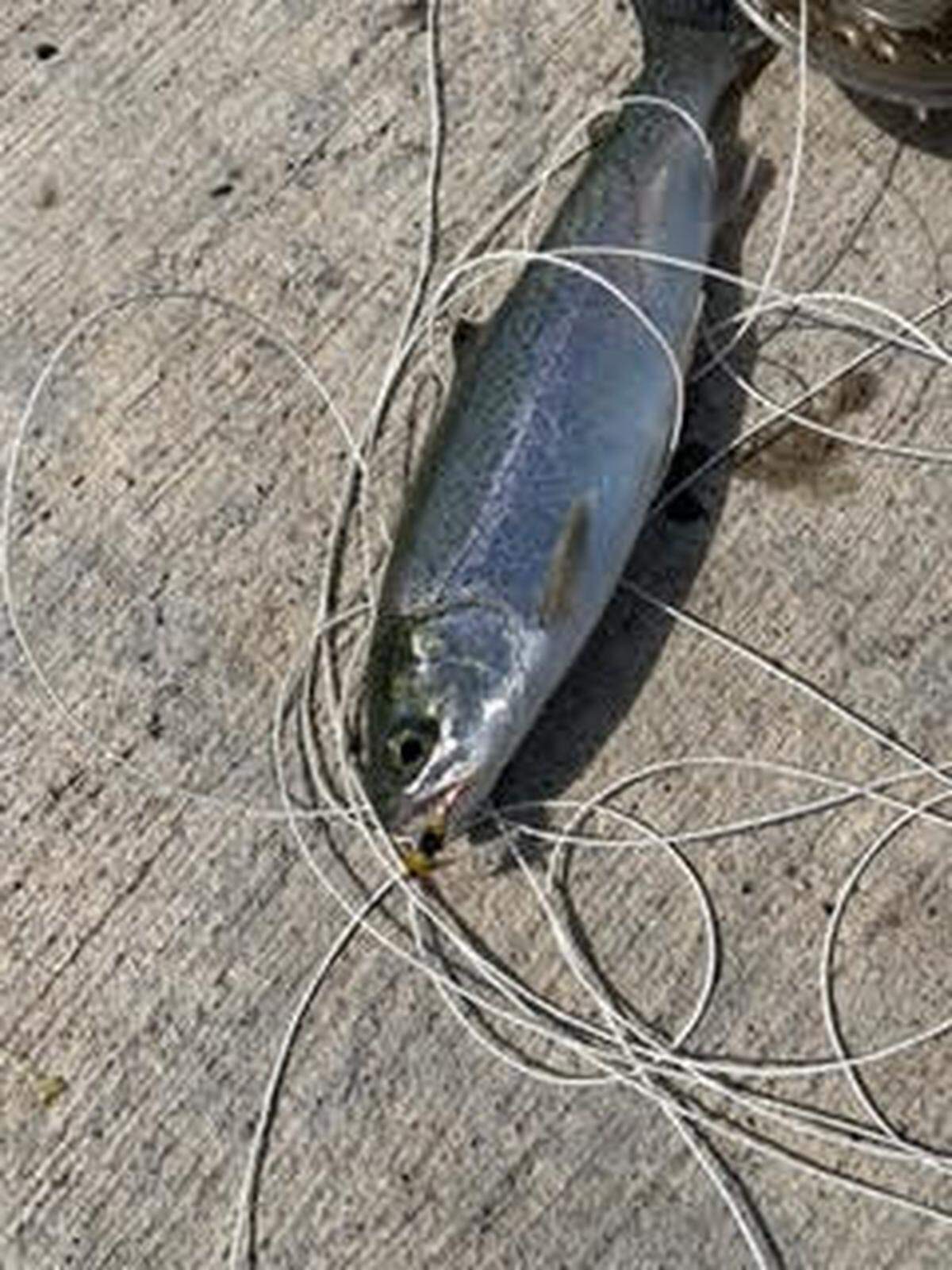
Few trout are rising. However, once we find an open shoreline where we can cast without tangling in a bush, a dozen are landed in an hour or so (Who keeps track of time while fishing?)
Trout are small, in the 9 to 11-inch range, but active. Some jumped two-feet in the air when hooked.
Ken and Ted stuck with gold beadhead nymphs. I tested my luck with a McGinty Special that Ted tied (some folks call it a Bucktail Bee) and found trout were attracted to its bright color. One found its way into my cooler to ensure I didn’t go home empty.
A setting sun leads us homeward to the Tri-Cities while a steady stream of “weekender” RVs head in the opposite direction.
The Tucannon and Touchet Rivers run high and turbid but should drop and clear after which trout will rise to the fly coincident with warm weather and seasonal insect hatches.
Mushrooming continues at higher elevations in the Blues through mid-June. A fly rod will accompany me on my next trip in case mushroom hunting sucks.