
Outdoors | Moonlight shines the way for night-time walleye anglers near Tri-Cities
It’s early February and a cascade of stars twinkle in the night sky. The howl of a far-off siren clashes with the purr of my kicker motor.
Exhaled breath shows against the backlight of a crescent moon. I’ve been on the water since an hour before sunset. My goal is to catch a decent-size walleye before patience runs thin.
After that, I’d like to catch another — if only to validate the experience.
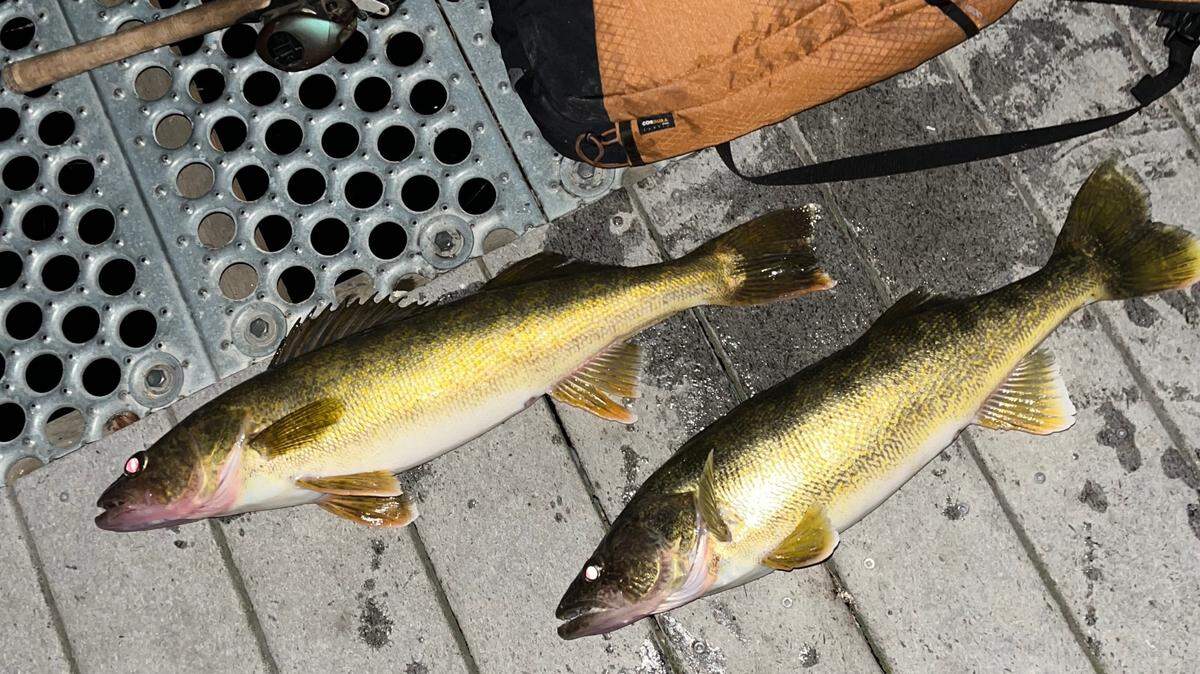
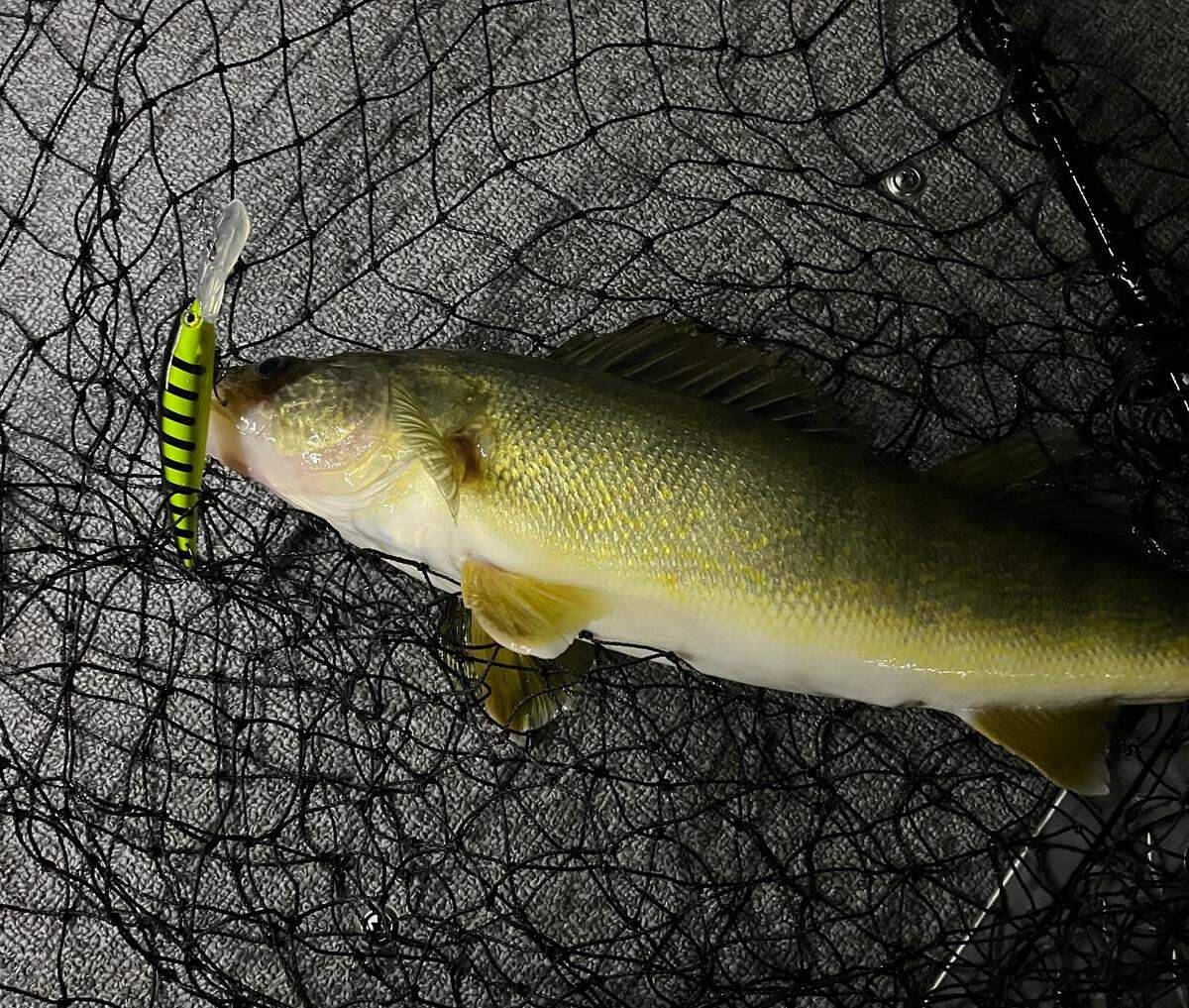
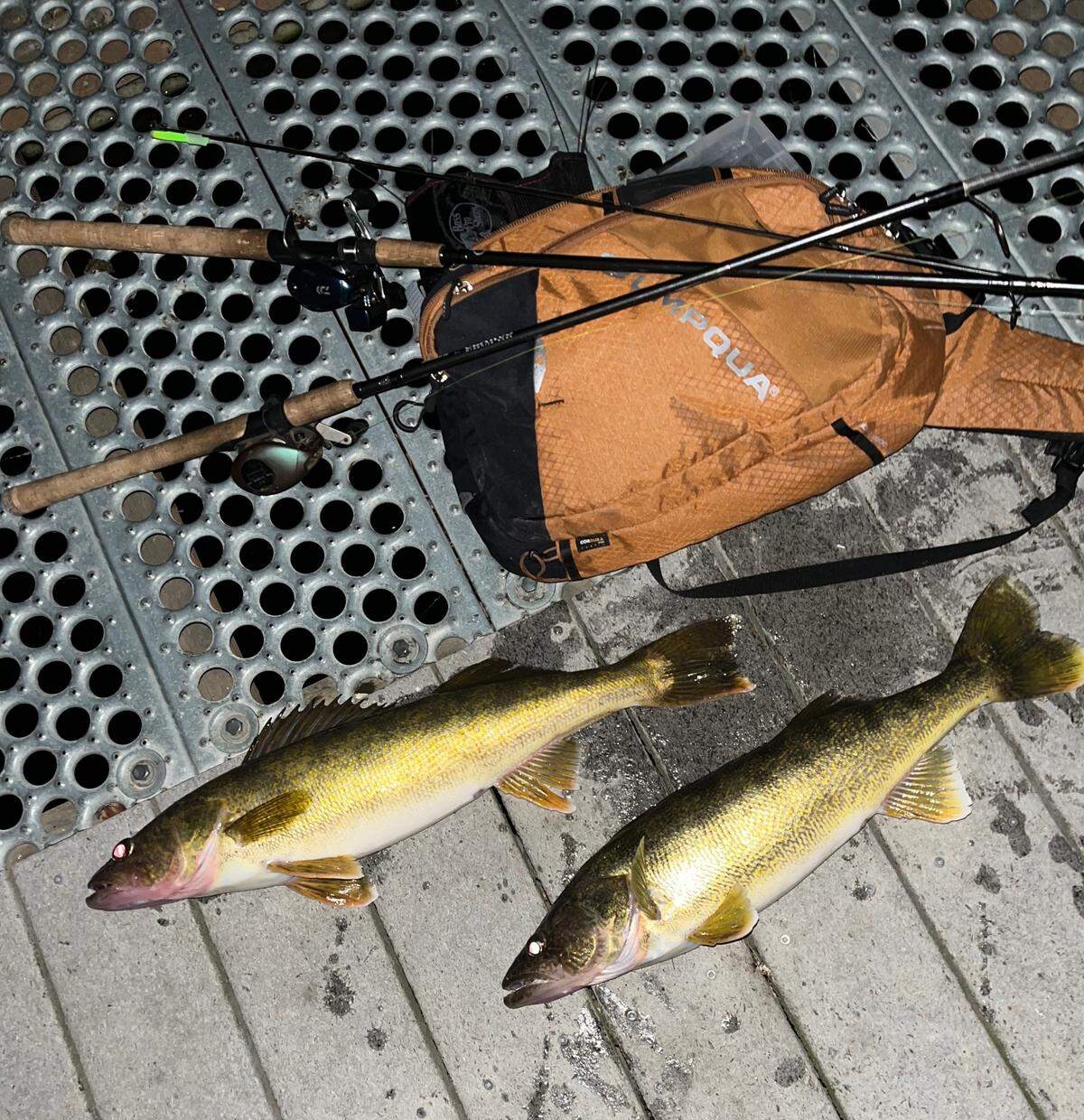
The glow stick on my rod tip twitches then plunges downward after the sliver of a moon sinks low behind Rattlesnake Mountain. I grab the rod and feel a headshake followed by the pull of a heavy fish.
A large fish that comes off the bottom when you put your hand on the reel signals walleye.
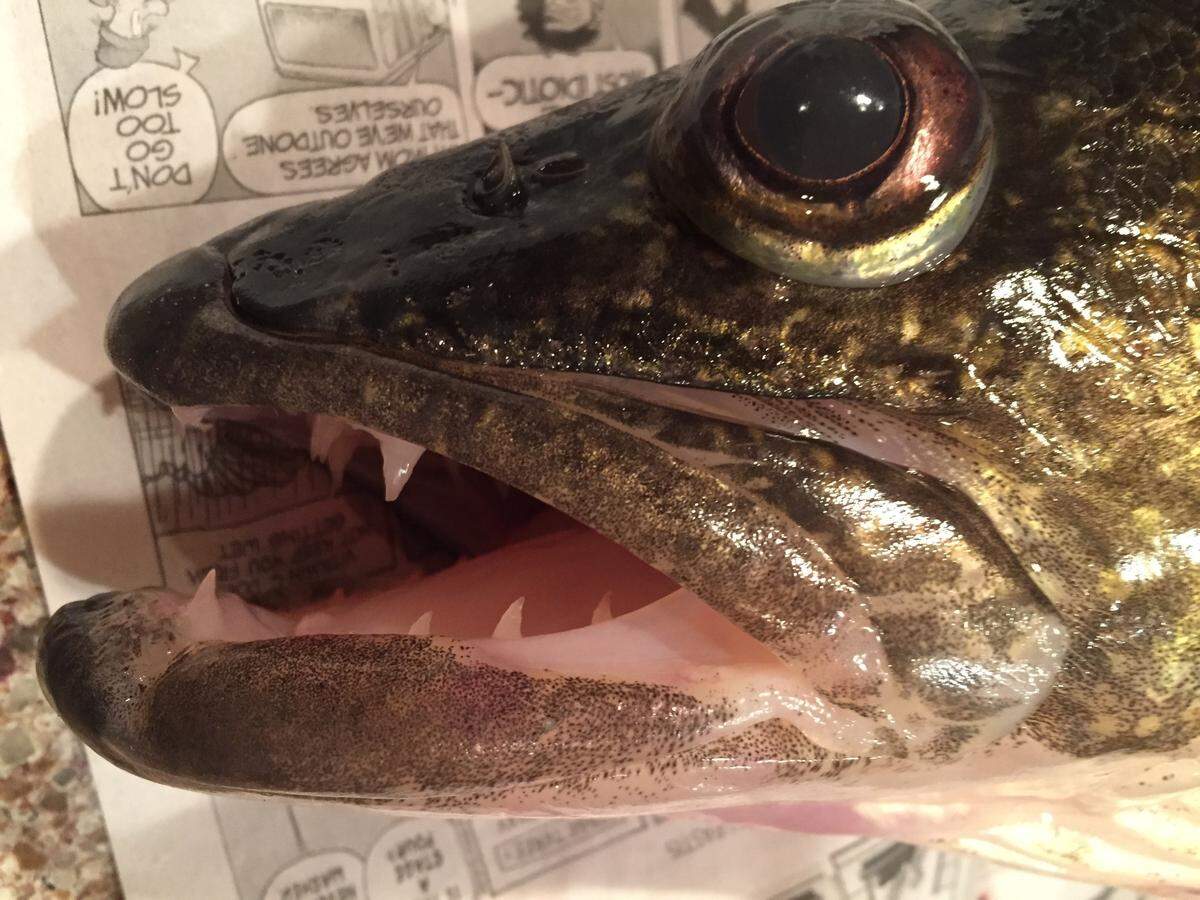
Walleye are visually-oriented predators that, similar to white sturgeon and channel catfish, benefit from modified structures in their eyes that reflect ambient light.
It is not coincidental that favorite prey of walleye, such as sandroller, juvenile lamprey, and crayfish, are nocturnal species who exhibit greatest activity during hours of darkness.
Adding to the walleye dinner plate are juvenile suckers and minnows that move from the safety of shallow water and structure to forage under conditions of low light.
A recent lull in the winter weather brought out a slew of night-time anglers hoping to take advantage of the walleye bite under a waxing moon. Moonlight extends the twilight period, a favorable time for anglers when rivers and lakes come alive with fish activity.
A bright moon also allows anglers to launch their boat after a hard day’s work and get in a few hours of fishing at a time of year when daylight is limited.
The moon is a reliable celestial object. It orbits around the earth every 27 days, 7 hours, and 43 minutes. Moonrise occurs from the east about 50 minutes later each day. The effect of its gravitational pull on ocean tides is well known.
Tracking the moon across the sky is easy compared to searching for the North Star when you are clueless about the Big Dipper. If only walleye fishing was as predictable.
Time passes oh so slowly on the river at night. I remember once trolling lighted plugs behind McNary Dam for steelhead on a bitter cold winter evening. Two hours on the water felt like eight hours of hard labor at the lumber mill.
Not to mention the wrath of my wife when rolled in at midnight to disturb her beauty sleep.
Nighttime trolling is not for the faint at heart. Familiar landmarks change shape.
Shoreline lights blink on and off. The downstream end of gravel bar islands sneak up on your prop. Even with modern electronics, you must remain vigilant to location, depth, current, and the presence of other boats.
Barge wakes can be a challenge at night, as are cranky motors that conk out with nobody within eyesight or shouting distance to help.
A week later finds me out on the Hanford Reach again. This time on 40-degree day with sun shining between gathering cumulus clouds. The bottom is visible at 10-foot depth leading me to wonder if the shadow of my boat will spook light-sensitive walleye.
There’s no guarantee walleye will be where I caught them before, with river elevation jumping up five feet in 24 hours because of power-peaking operations at Priest Rapids Dam.
I toss jigs, cast blade-baits, troll deep-diving plugs, and drag a worm harness along the bottom. A 25-inch sucker fakes me out until it takes out line.
Walleye do not take line from the reel in 36-degree water. A nice-size mountain whitefish also fakes me out until it breaks the surface. Walleye do not shed water on a turn.
Suddenly all the bottom-targets on my sonar are no longer walleye. Remind me to take my underwater camera next time so I know what I am fishing for.
Fishing in the middle of the day is not so lonely as fishing at nighttime despite lack of company. Canada geese protest the presence of a coyote where they gather on an island. Rafts of American coots patter across the water’s surface before taking flight.
More species of ducks scatter along the shoreline than I can count on one hand. Some birds are already pairing up. Two bald eagles, an white-head adult and a dark headed juvenile, circle the river above my boat.
Perhaps looking for the sucker I tossed back?
Local anglers can set their moon clocks for March 18 when what Native American tribes call the Worm or Full Crow Moon, will rise at 8 p.m. This celestial event, along with the vernal equinox, signals the end of winter. Water temperature will be warmer and walleye spawning behavior will influence angler success along with the amount of moon glow.
This story was originally published February 20, 2022 at 1:05 PM.