
Climber warns of the deadly dangers of complacency and the ‘halo effect’
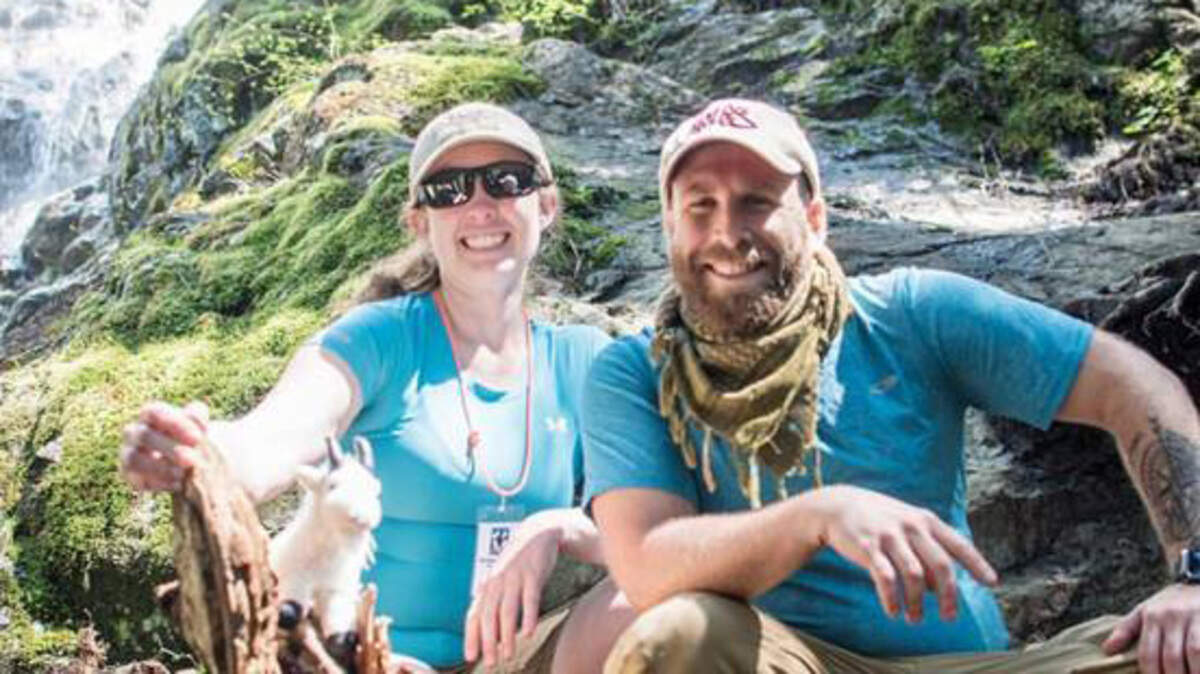
Make assumptions, become complacent and people can die.
Katja Hurt calls it “the halo effect.”
And the Olympia-based climber turned crisis responder knows the tragic cost it can have in mountaineering.
On Wednesday, Feb. 26, Hurt will share the lessons learned after a friend’s death on a trail in Mount Rainier National Park.
She will offer her insights and perspectives on outdoor education and risk management, and recount the experiences featured in her book, “Breaking the Halo.” It’s a special event sponsored by the Inter-Mountain Alpine Club.
The avid Cascade mountaineer is active in crisis intervention, training and support for wilderness first responders. It’s a passion sparked by her friendship with Stephen Kornbluth.
They met in a wilderness skills class that was a prerequisite to a basic climbing course.
They and several other students made plans to meet to get in shape for the climbing season. While climbing Mt. Si they realized they were a good match in pace, went on numerous other outings together and became close friends.
In mid-August 2018, one of the instructors offered to take some students out on some local scrambles and climbs to build their skills.
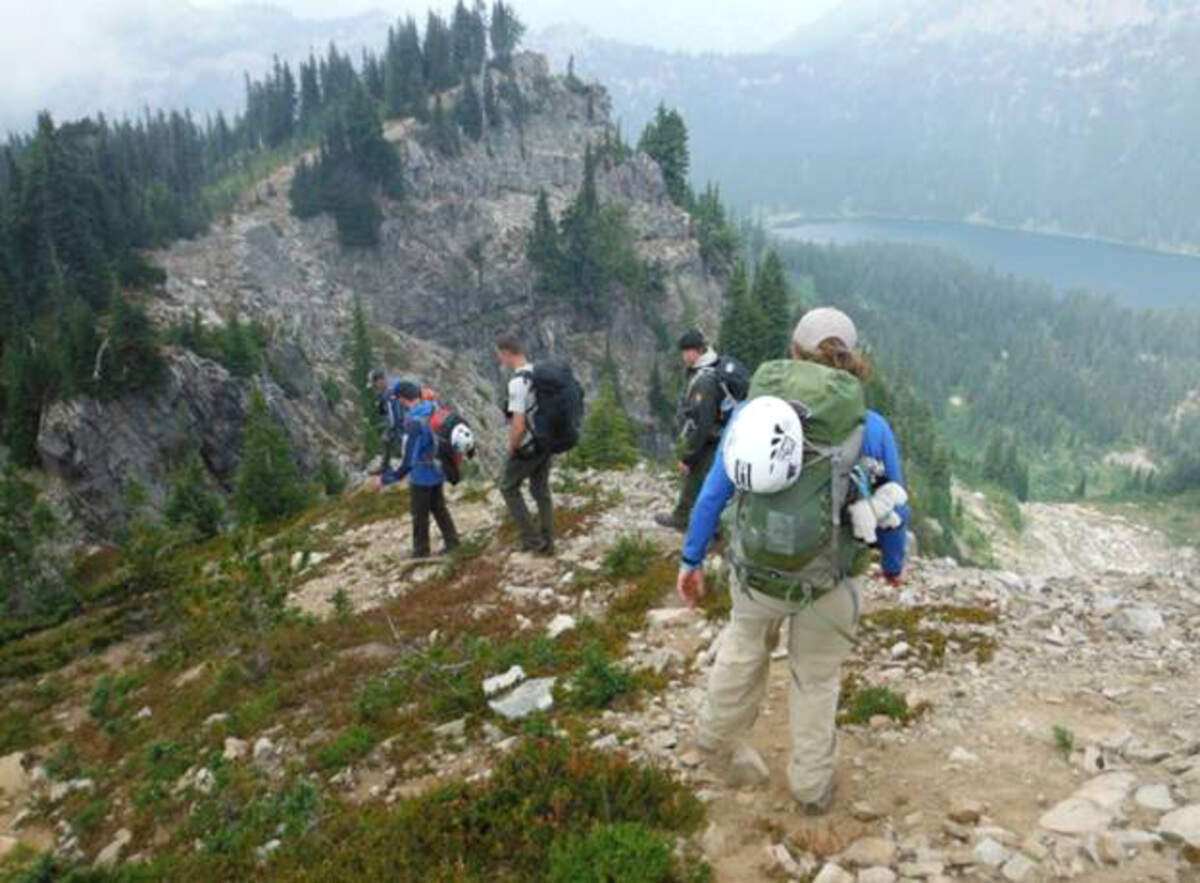
Hurt didn’t feel well and bailed the night before. Kornbluth and another classmate went with the instructor and climbed Dewey Peak near Mount Rainier.
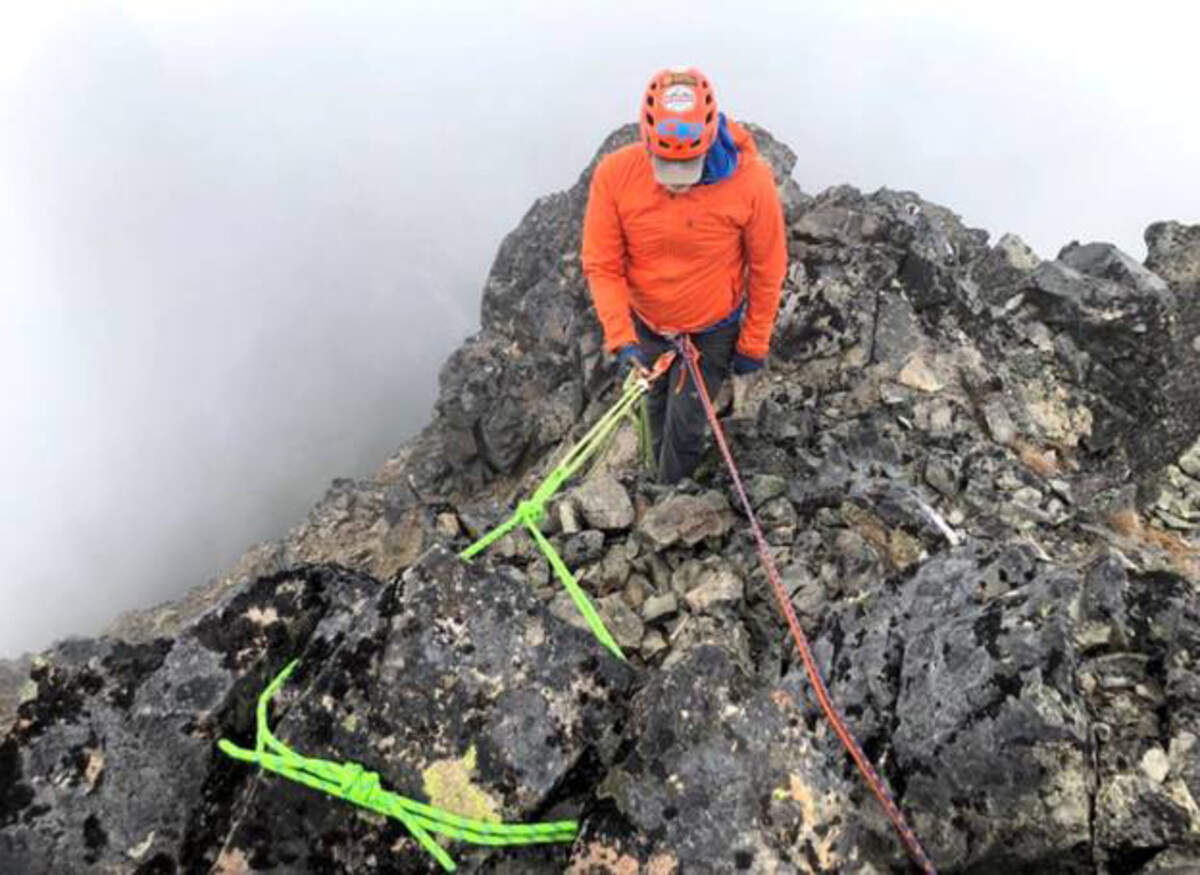
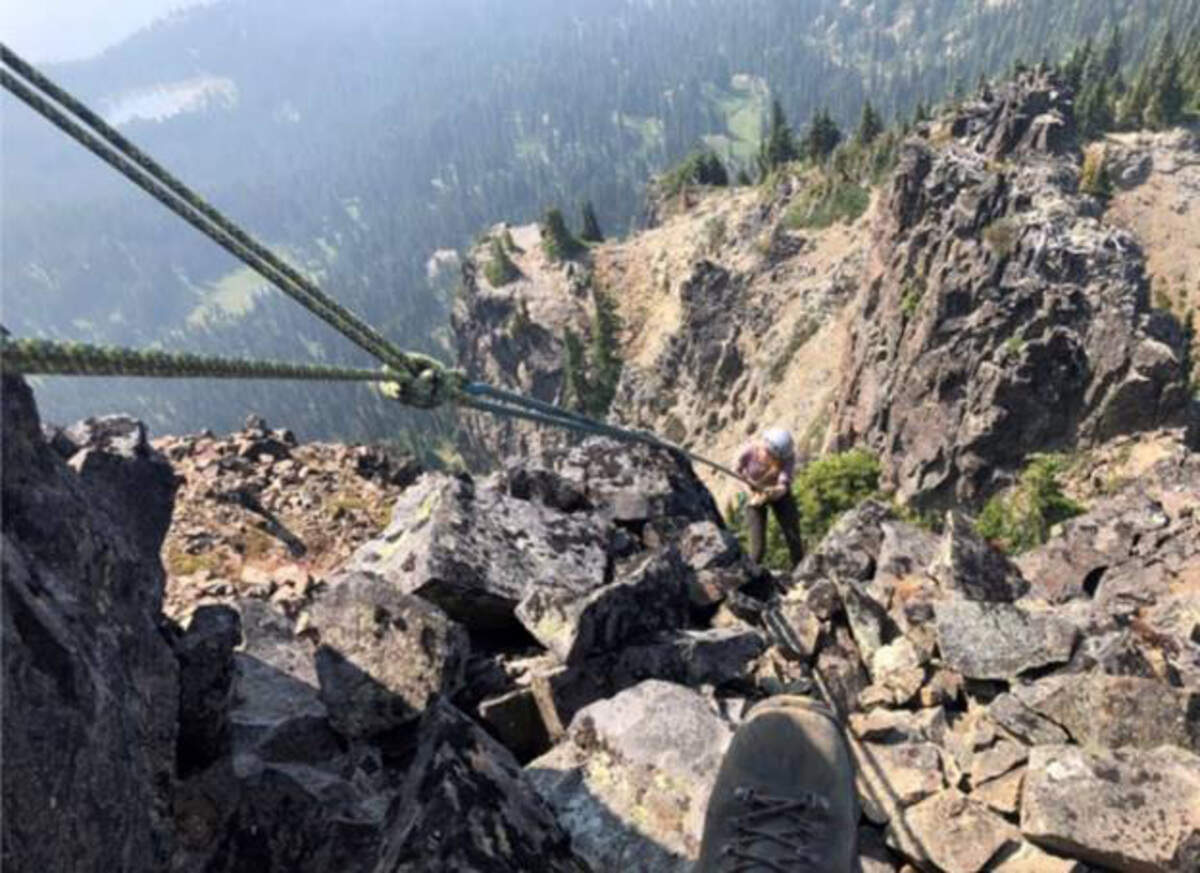
The three of them climbed to the summit, took some pictures and set up a rappel system to get down.
The instructor and other student came down successfully. Kornbluth descended last.
Although no one knows for sure what exactly happened, he fell to his death when an anchor apparently failed, popping off the rock, sending him tumbling down the cliff and scree.
The survivors activated their emergency beacon and had cell service to call 911.
The survivors attempted CPR but had to give up after 45 minutes.
Hurt received the call from one of the climbers and coordinated with officials and first responders to help get people to the trailhead to meet the survivors and drive them back, knowing they would be in no shape to do so themselves. Hurt notified Kornbluth’s partner, Joy.
Back on the mountain, the survivors had made the difficult decision to leave his body and hike out. They met with the rangers at the trailhead to tell what they knew.
His body was recovered the next day by helicopter with the help of three Rangers in coordination with Mount Rainier Air Operations.
Few clues about his fall
Afterward, Hurt and others struggled to try to find answers. What happened? Why did Stephen die?
At the time, they had few clues. One of his last photos showed the rappel anchor and the others descending ahead of him.
A team of local mountain rescue members, mountaineers, and park rangers went back to Dewey Peak two weeks later to retrieve some gear that was left behind and to use the photos from Kornbluth’s phone to recreate the anchor system and try to figure out what happened.
Technically, when the backup anchor was removed, the primary anchor popped off the rock as soon as some weight was applied.
“What haunts me is that in the report about the incident, Stephen is quoted as saying he did not like the look of the anchor,” Hurt said. “Yet he used it anyway.”
After weeks of anger and trying to find someone or something to blame, she realized how many dominoes lined up perfectly for the tragedy to occur.
“There seemed to be something bigger going on, and I spent quite a while thinking about it,” she said.
‘The halo effect’
The result was her researching what is recognized as the halo effect — a tendency for novices to view more experienced outdoor leaders as infallible, their impressive experience casting an angelic glow or producing a metaphorical halo over their heads.
In the aftermath, the halo came to stand for assumptions she and others had made and how complacent they had become in assuming everything would work out and they would all be safe.
“You can see the halos not only on leaders but also with ourselves in all sorts of human endeavors especially outdoor adventures,” she shares.
She identifies several types of halos — themes she now uses to teach people how to avoid accidents and manage risk in the backcountry.
Here are some of the lessons learned:
- Don’t be complacent. The human brain is wired to take shortcuts and fall into simple routines. To combat this, we need to give honest feedback to each other and be open to receiving feedback from others, even if it is critical.
- Put intention into your actions. Take refreshers and lessons seriously rather than believing you know it all and are always good to go.
- Don’t make assumptions. Challenge everything. Assumptions can be deadly, especially in mountaineering. Whether it is your idea about a person’s skills, their motivations, a trail or route or even a piece of gear — these assumptions can bypass our ability to see what is really happening around us.
“I encourage everyone to question themselves and their own knowledge and beliefs and to avoid black-and-white thinking as this can shut down critical thinking,” she said.
“We should not only encourage students to speak up if something looks or feels wrong, but teach them how to assert themselves and stand their ground,” she said. “Drop the ego and accept that communication can get messy, and it is essential that it is honest, especially in a high-risk environment.”
“Finally, I learned what it truly means to forgive,” she said. “In my grief, I blamed the survivors for Stephen’s death, and I had to learn to forgive them for whatever role either of them might have played. I also had to forgive myself for not being there or finding a way to predict and change the outcome.”
Hurt’s presentation addresses the importance of learning about the potential hazards, thinking through how to avoid accidents and having a plan if something does go wrong.
Knowing the risks, what to do about them, and when to say “it’s not worth it” are the most important elements of being safe in the mountains, she said.
The event is Feb. 26 at the Uptown Theatre in Richland.
Doors open at 5:30 p.m. for the IMAC Annual Banquet social, with dinner at 6:15 p.m. Dinner tickets cost $20. The talk starts at 7:15 p.m. Tickets for just the talk are $5 with doors open for the talk at 7 p.m.
For information and to make reservations send an email to imac.climbing@imacnw.org.
This story was originally published February 16, 2020 at 10:00 AM.