
Avalanche safety tips before you hit the snow. And more at this Richland talk
Backcountry trekkers beware! There’s plenty of snow in the mountains but the avalanche dangers are significant and increase with every new snow.
Three people died and several others were hurt in an avalanche at the 6,200-foot-level last week at the Silver Mountain resort in Idaho, east of Spokane.
With the many feet of snow that fell on mountain passes around Tri-Cities last week, recognizing the dangers posed by avalanches is an essential and potentially lifesaving skill.
Marty Lentsch, with the Yakima County Sheriff Search and Rescue, is giving a talk on Avalanche Awareness and Safety in Richland.
Her free public talk sponsored by the Northwest Avalanche Center is 6:30-8 p.m. on Wednesday, Jan. 22.
She will explain the primary factors that need to be recognized when heading into the backcountry for a winter adventure.
“The terrain, the weather, the snowpack and communicating with the right people before, during and after a trip, are extremely important,” she says.
Her talk covers where and why avalanches happen and gives a basic approach to managing the risks in the backcountry.
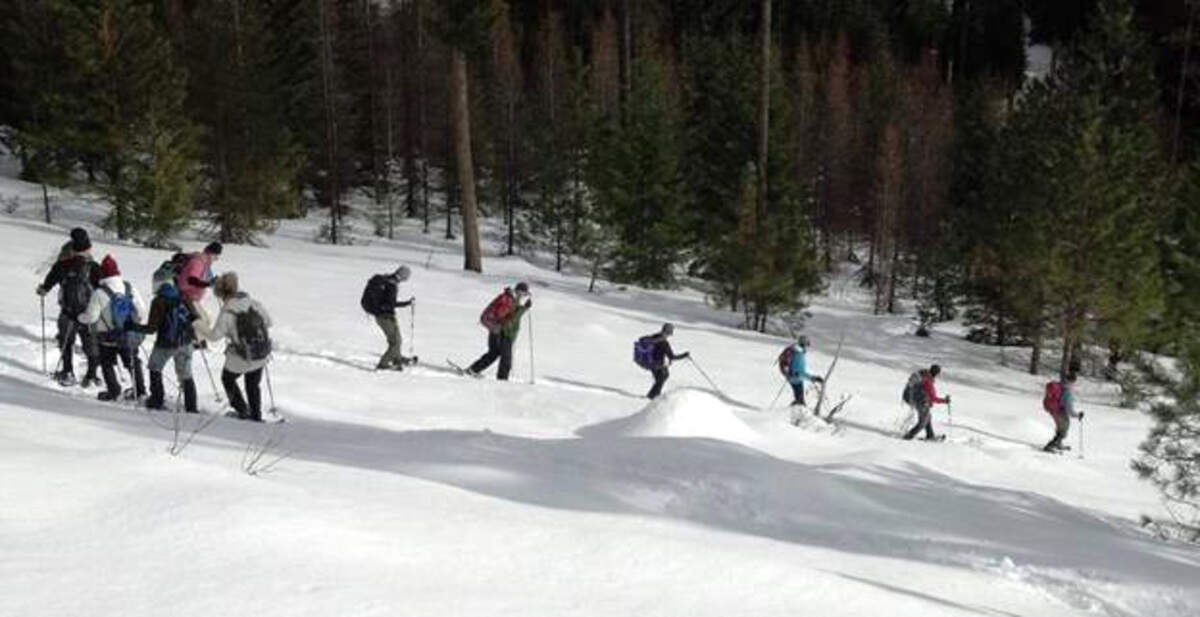
“The new snow from the continuing storms may not bond very well to the older snow base. Take extra caution especially at the mid to higher elevations near and above the tree line,” said Lentsch. “You have to be extremely concerned about what is called ‘persistent weak layers’ right now.”
“Get online and access the most current local avalanche bulletins and weather reports,” she says.
Prepare before you go
Check mountain forecast sites that offer the most current information.
And during the week, call the ranger station and ask what they know about the forecast and the conditions.
She recommends people make careful and well-thought-out plans.
“Know where you are heading, pay attention to the weather and forecast, notify people about where they are going and when, take all the essentials and exercise extra special care, and be sure to contact people once you are safe, so as not to cause a rescue when it is not needed,” she said.
She points to research conducted by avalanche safety researcher Ian McCammon who found that 92 percent of all avalanche accidents had three or more specific factors.
McCammon developed the ALPTRUTh checklist for people quickly use to determine the safety risks of the terrain and location:
- Avalanches in the last 48 hours
- Loading in the last 48 hours by wind or new snow
- Poorly chosen path
- Terrain trap
- Avalanche rating forecast of high or extreme
- Unstable snow present
- Thaw instability due to rapidly warming temperatures
Lentsch recommends people avoid steep terrain, narrow windblown ridgelines, and narrow steep-sided valley bottoms. The safest areas are the flat wide meadows.
10 ways to stay alive
She encourages people to follow the “Ten Commandments for Staying Alive in Avalanche Terrain,” written by Bruce Tremper, former director with the Utah Avalanche Safety Center and author of “Staying Alive in Avalanche Terrain.”
They include:
- Go one at a time and leave someone in a safe spot to perform the rescue.
- Never cross above others.
- Have an escape route planned.
- Cross high on an avalanche path.
- Never go first.
- Start small and work your way up.
- Be obsessed with the consequences.
- Communicate.
- Pause at critical decision points.
- Carry the right equipment and know how to use it.
Lentsch says that the biggest mistakes are made before they leave their house.
“Failing to prepare results in not being properly equipped to deal with the situation you find yourself in. You need to respect for the forces of nature, especially gravity,” she said.
Getting out of deep snow
Chuck Wierman, one of the winter activities trip leaders for the Inter-Mountain Alpine Club in Tri-Cities (www.imacnw.org), offers tips on what to do if you fall over in deep snow.
“First, don’t go out alone — always go with other people,” he said.
“If you fall over in deep powdery snow, get other people to help you. Take off your equipment, roll over, get stable, relax and take stock,” he said.
“Then carefully try to back out the way you came. It will be easier if you stay on the compacted snow path, rather than trying to go through deeper uncompacted snow.”
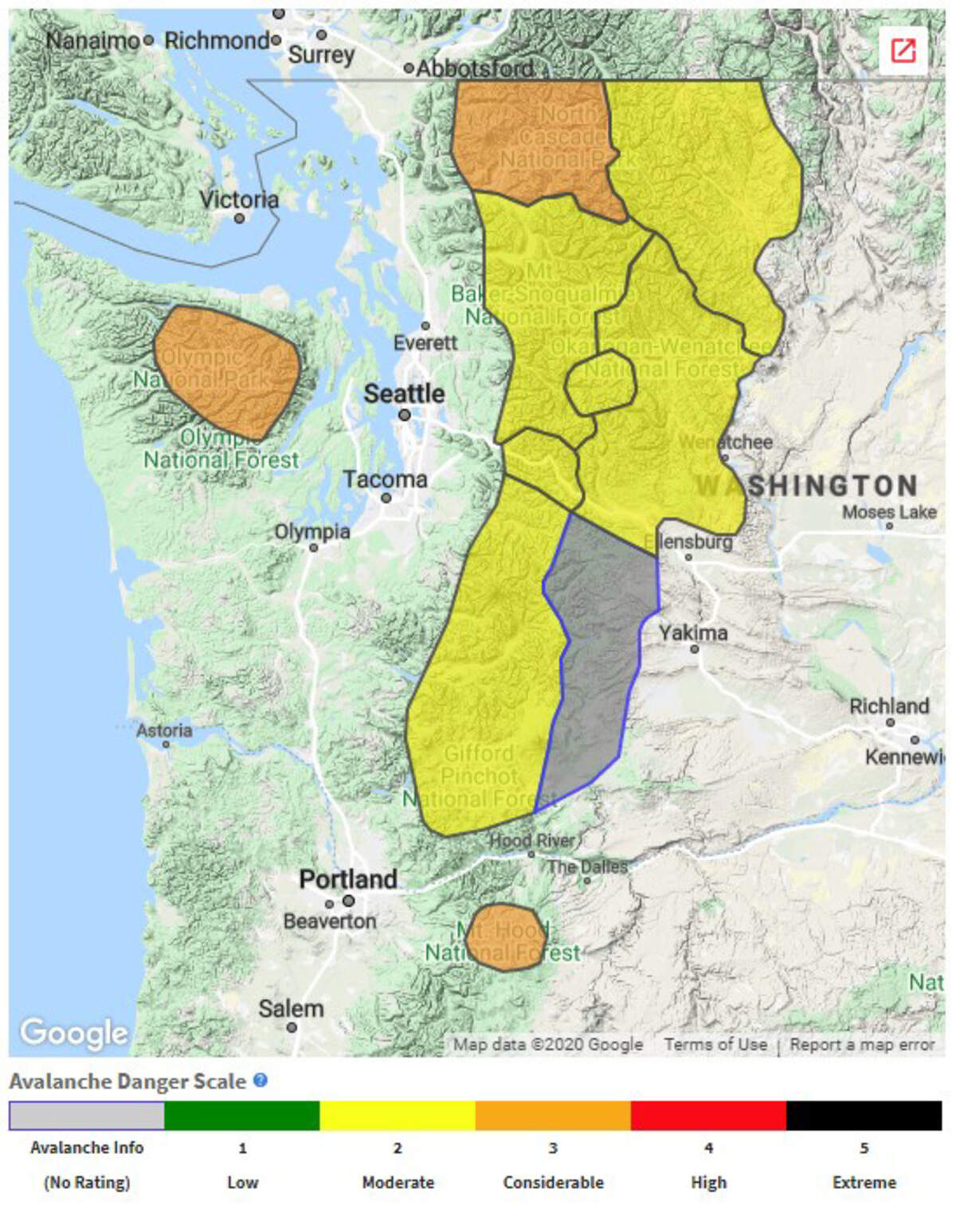
The avalanche danger in the Cascades west of the Tri-Cities as of Jan. 16 was rated moderate to considerable depending on the location.
Current avalanche risk and warnings are available at the Northwest Avalanche Center website.
If you want to participate in outdoor activities with other people the Winter Activities Schedule the Inter-Mountain Alpine Club events calendar is available at imacnw.org/event-calendar.
The avalanche awareness talk is at the Richland Public Library, 955 Northgate Way. For more information go to bit.ly/avalanche_talk.
This story was originally published January 19, 2020 at 10:15 AM.