
You could do drab holiday fish. Or you could do Columbia River caviar
Holidays are a special time when families come together to eat the bounty of their harvest.
I don’t share my precious Blue Mountain huckleberries because picking them is hard work. Come to think of it, I don’t share morel mushrooms either.
Things I readily share though include fish caught from the Columbia River. While my relatives prefer a fresh filet, not all fish bite on demand.
Sometimes you have to adapt your style to secure a place on the holiday hors d’ oeuvre table. What follows are a trio of fishy treats that compete well with venison sausage, goat cheese and artichoke dip.
Smoked Steelhead
Hopefully, you caught a hatchery steelhead in the Hanford Reach before the season closed, or your travels take you to where a one-fish limit is still in effect.
If so, try a dry brine method of curing, which begins by cutting filets into “swatches” three to four inches in diameter.
Line the bottom of a large plastic container with a single layer of meat and coat the meat’s surface with a 4-to-1 brown sugar to salt mixture.
Repeat adding dry mixture to additional layers.

Seal the container and place it in the refrigerator overnight.
While morning coffee is brewing, wipe the excess brine/slime from each swatch and lay them on a paper towel until they reach room temperature.
Place the fish in your smoker, skin side down, for four to 12 hours (depends on your smoker and the air temperature).
Switch racks to ensure even cooking.
I might speed up the process in cold weather by microwaving fish for two to three minutes before I put it in the smoker.
You probably shouldn’t finish your product off in the kitchen oven. I did that once and our house smelled like smoked fish for a week.
Salmon Sausage
I confess to being a connoisseur of sausage. (Don’t snicker.)
Alas, my hunting days are over and begging for freezer-burned venison from friends gets tiresome. Idea: what about that salmon roast in the back of the freezer?
Much like any sausage, the secret is in the flavor. Experiment with combinations of herbs and spices until you find something that works for your taste buds.
More detailed recipes can be found online. For starters, lightly poach two to three pounds of salmon and combine with one tablespoon per pound, each of chopped garlic, chopped dill and chopped parsley.
Add liberal dashes of celery salt, fresh cracked black pepper, sea salt and a splash of fresh lemon juice.
Place the mixture in the refrigerator, chill it and run through a meat grinder.
Fit the grinder with a sausage stuffing tube and feed the chilled mixture into the sausage casing.
Twist the casing to create 4- to 6-inch-long links, tie off individual links with string (or knot them), wrap in butcher paper and store in the refrigerator overnight.
Brown links as you would for bratwurst and serve with fruit marmalade and hot mustard on the side.
Jacques Pepin’s book “La Technique” describes how to fit sausage casing to a water spigot in order to rinse and expand it.
Beg, borrow or steal a meat grinder.
Believe me when I say that forcing the mixture into casing by hand is no fun. Worst scenario is you screw up the sausage-stuffing step.
If so, form the mixture into patties and serve “salmon sliders!”
Whitefish Caviar
Mountain whitefish are easiest to catch when they school near Chinook salmon spawning areas in late fall.
I remove the developing roe sacs from large “hen” whitefish and cut them into 2-inch-long or so chunks. The eggs are small, about an eighth of an inch in diameter.
Brine the eggs for five to 10 minutes in a mixture of one-half cup kosher salt to a quart of ice-cold water (give them a taste test after five minutes), remove from brine, then rinse with cold water.
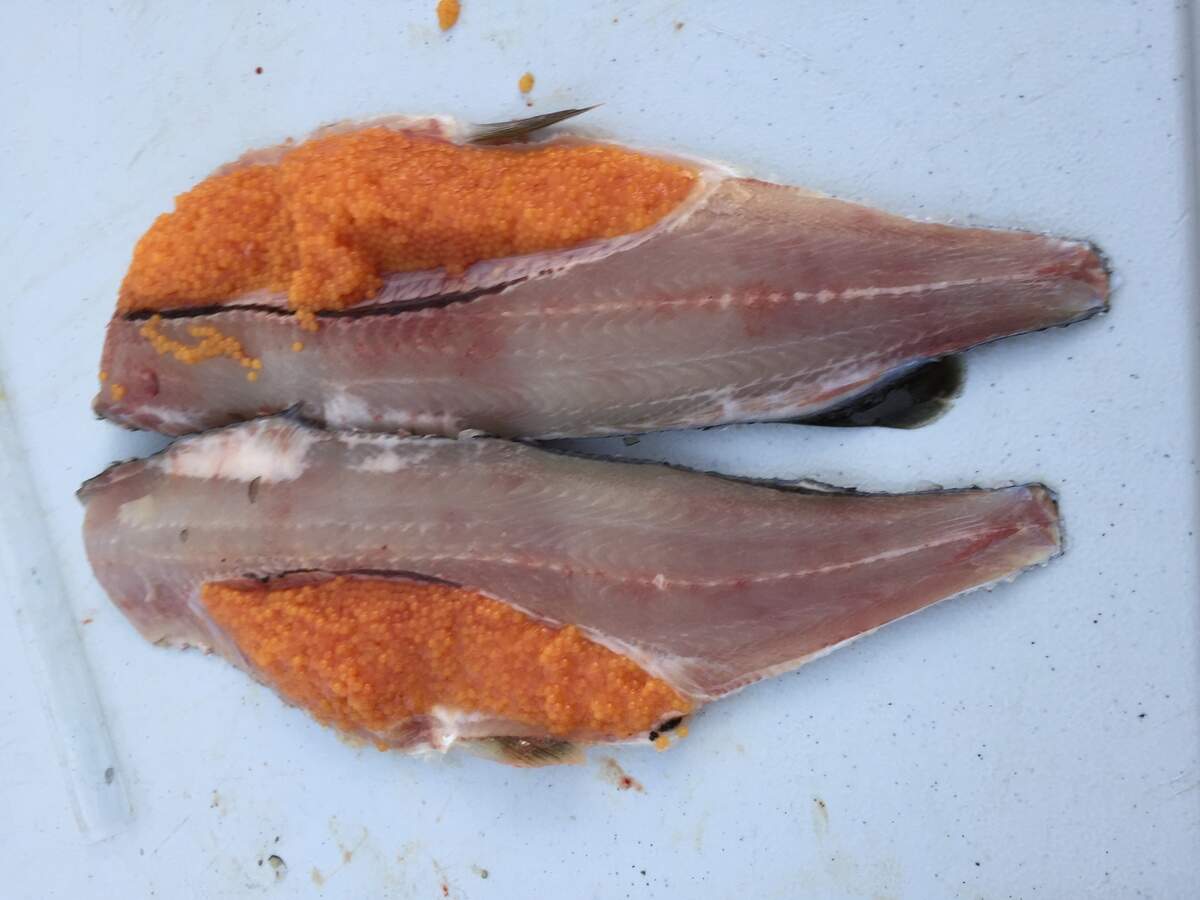
Remove any attached membrane with your fingers or via a warm water rinse.
Place loose eggs in a small glass jar and seal.
Whitefish caviar can be stored in the refrigerator for up to a week. The eggs are glossy, jewel-like orange, almost too pretty to eat.
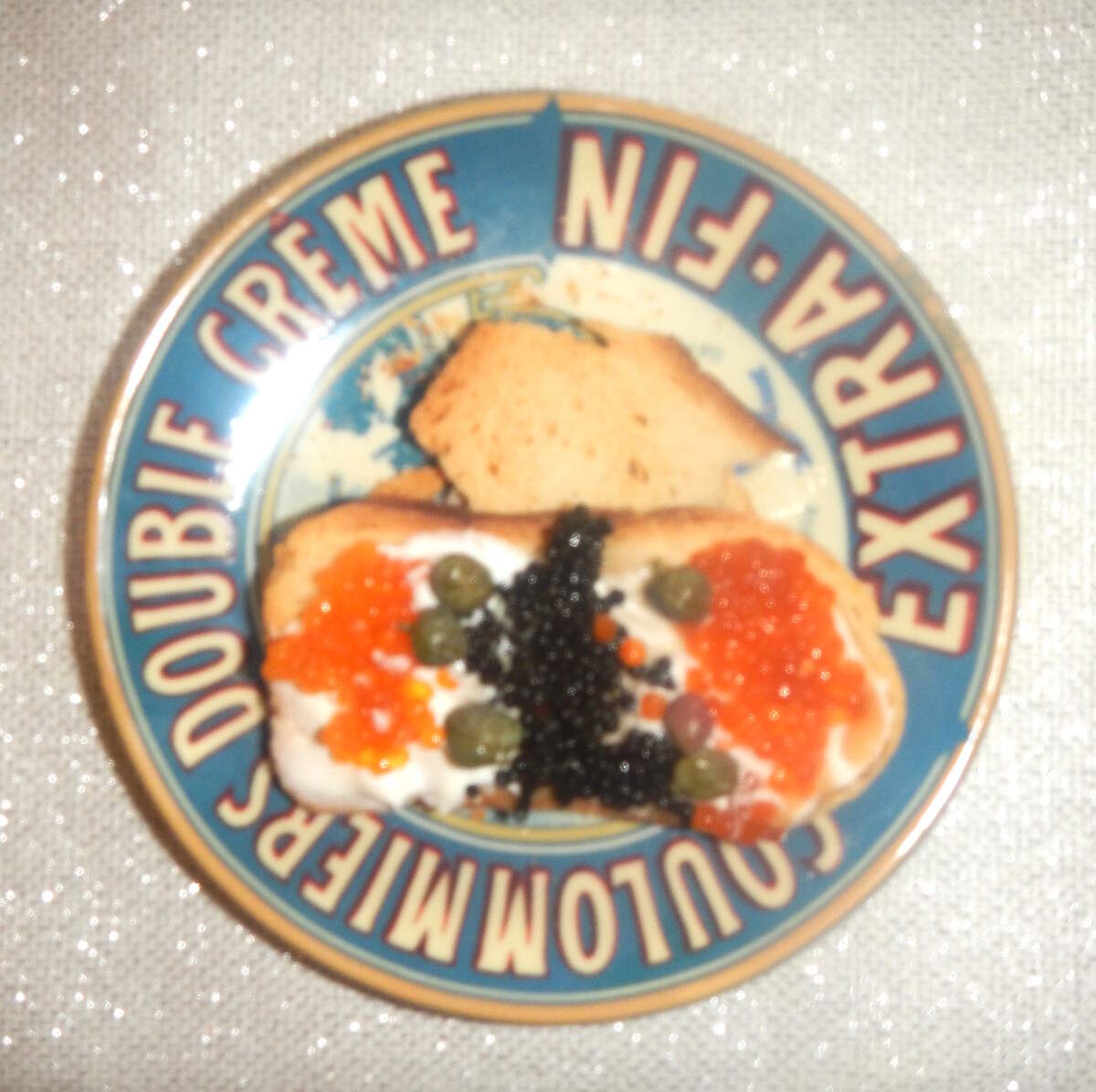
Serve this unique holiday treat with a selection of gourmet crackers and crème fraiche.
Walleye Sushi? Hold up
“Wait a minute” you say?
Dang adipose-fin lover! What about those walleye filets you have stored in the deep freeze?
Sushi is one possibility with the issue being parasites that include roundworms in the flesh.
Recognizing that birds, not mammals, are the primary intermediate host for parasites of freshwater fish, raw fish is still not on my list of holiday treats.
In my world, walleye are best saved for fish and chips.
And if you’re my very best friend, there might be huckleberry pie for dessert.
This story was originally published November 30, 2018 at 4:53 PM.