
When it comes to avalanche safety, learn the ‘Ten Commandments.’ And no selfies.
Whether you ski, snowshoe, snowboard or snowmobile in the backcountry, recognition of avalanche danger is an essential and potentially lifesaving skill.
Marty Lentsch, ranger for the Naches District of the Okanogan-Wenatchee National Forest, will speak on avalanche awareness at the Kennewick Public Library, 1620 S. Union St. Her presentation, sponsored by REI and free to the public, is at 7:15 p.m. Nov. 8.
Lentsch will tale about the four primary factors that need to be recognized when heading into the backcountry for a winter adventure.
“You need to know the terrain, pay attention to the weather, learn everything you can about the snowpack, and communicate with the right people before, during and after a trip,” she says.
Her talk will cover where and why avalanches occur and provide a basic approach to managing risk.
“It is really important to learn how to access the most current, local avalanche bulletins and weather reports,” she said. “You can get a lot of information online.
“You can use the mountain forecast sites to get the best and most current information. Call the ranger station and ask what they know about the forecast and the conditions for your destination.”
Lentsch recommends people learn more about backcountry winter travel, make plans, notify people about where and when they are going and when, take all the essentials and exercise extra special.
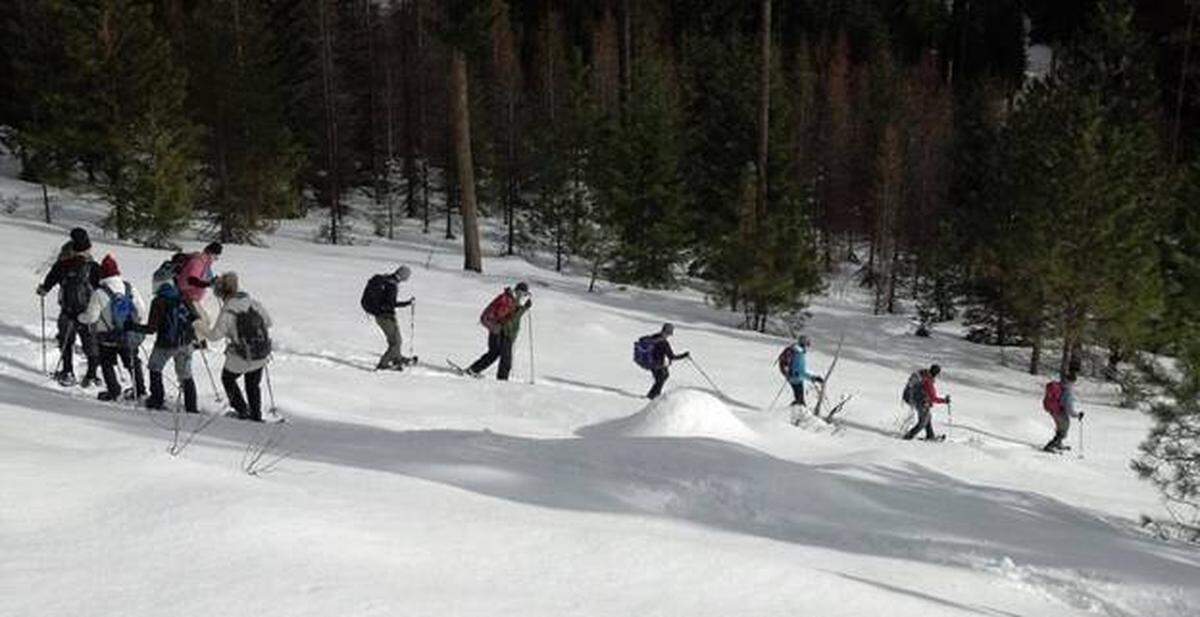
She encourages people to adhere to the “Ten Commandments” of avalanche survival from Bruce Tremper, a former director with the Utah Avalanche Safety Center and author of the book “Staying Alive in Avalanche Terrain.”
These are:
- Go one at a time and leave someone in a safe spot to perform the rescue.
- Never cross above others.
- Have an escape route planned.
- Cross high on an avalanche path.
- Never go first.
- Start small and work your way up.
- Be obsessed with the consequences.
- Communicate.
- Pause at critical decision points.
- Carry the right equipment and know how to use it.
Lentsch said the biggest mistakes that get people in trouble are usually made before they leave their house.
“The failure to prepare for the conditions you will be facing leads to not being properly equipped to deal with the conditions you find yourself in,” she said.
The majority of the accidents triggering rescue operations wouldn’t happen if people learn the basics of outdoor safety, carefully planned and prepared their trips, and use the proper gear.
“The next most important thing to do is to stay out of harm’s way,” she said. “The news is filled with stories of people getting killed while doing really stupid things.
“Just because you can take great photos with your smartphone does not mean that you should inch out onto a slippery rocky ledge or a snow cornice for a snapshot to share on social media.
“Have respect for the forces of nature, especially gravity.”
Doors open for Lentsch’s presentation at 7 p.m.