
It’s time to create a cultural hub to enrich Richland and beyond | Editorial
A “Yes” vote for Proposition 1 on the Feb. 11 ballot will authorize construction of a long-sought performing arts center in Richland that would enrich the community and serve as a hub for regional arts groups for years to come.
The proposed venue would be more than just a theater. It would be a place for educational events, cultural festivals and celebrations that bring people together. It would be located near the Reach Museum and would overlook the Columbia River.
The state-of-the art facility could provide a home for the many outstanding local groups like the Mid-Columbia Symphony, the Mid-Columbia Mastersingers, Mid-Columbia Musical Theatre and Mid-Columbia Ballet, to name a few.
Civic leaders and arts boosters have talked about building a performing arts center for decades. Every time the idea started to gain traction, it stalled because nothing satisfied everyone. There weren’t enough seats or there were too many. It cost too much. It wasn’t in the right place.
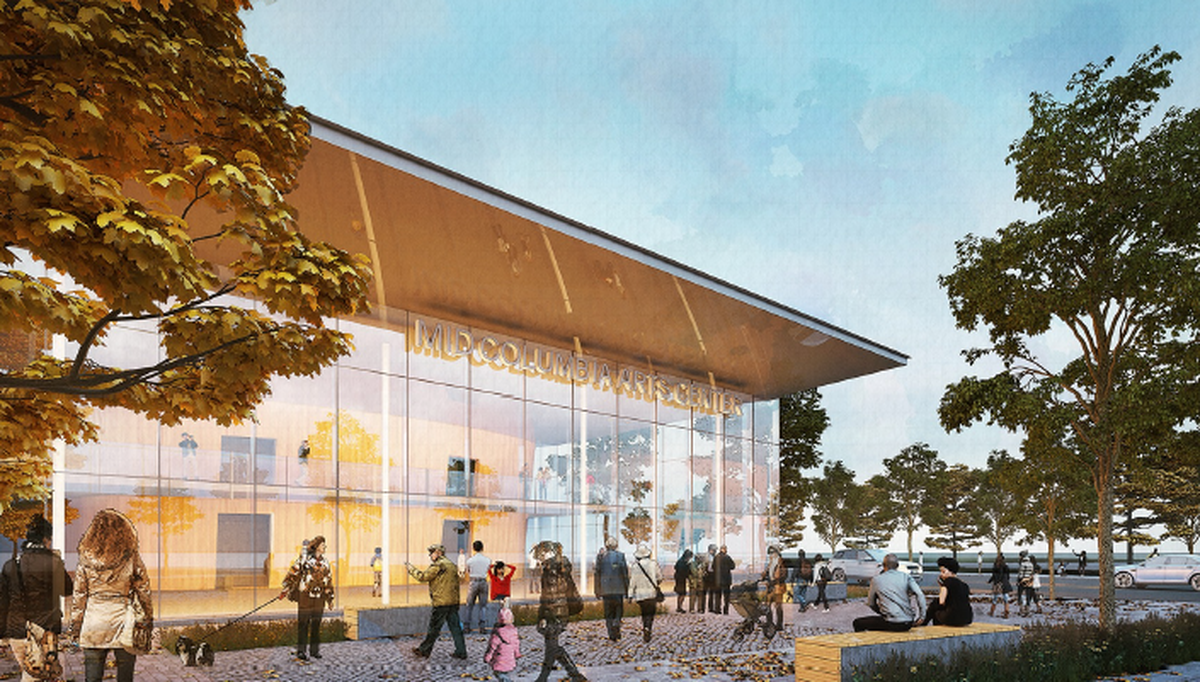
The people who put together the current proposal took past concerns into account and interviewed local arts groups to assess their needs. They settled on 800 seats as the sweet spot. That won’t be big enough to draw major national acts, but it is a size in which community and youth theater, concerts, and local festivals flourish. Some touring groups will come, too, just not shows like Taylor Swift or the Broadway tour of the Lion King.
Prop. 1 would increase the city sales tax by .2% or 2 cents per $10 spent for 30 years.
Skeptics argue that Richland should think bigger. They aren’t opposed to a performing arts center, they say, but they want more seats. That misses the point.
A larger facility would cost more upfront and would need to host big shows throughout the year to remain fiscally solvent. Even if that many big shows could be wooed here and draw audiences, they would monopolize prime days, squeezing out the local arts and community groups the performing arts center is supposed to serve.
Richland voters might question why they should pay for a facility with regional benefits. Such parochialism is misplaced.
Pasco residents did not balk at raising their sales taxes by the same amount a few years ago to build an aquatic center that will serve people from across the Tri-Cities. They knew that people who visited it would also dine and shop in the city, generating return on their investment.
Kennewick provides a coliseum and convention center complex that includes an ice hockey rink housing a professional team and is used by traveling shows and enjoyed by people throughout the Tri-Cities and region.
If Richland really wants to make sure city taxpayers get some special benefit, the arts center could offer discounts to Richland-based groups and ticket buyers.
Critics also contend that small and mid-size shows could just as easily use existing auditoriums in high schools. The status quo demonstrates how inefficient that is. School events have first dibs on auditoriums, as they should. That limits access to arts and community groups, closing them out of prime weeks, like around the holidays. Schools also set their schedule close to the start of the school year, inhibiting long-term planning.
A vote for Prop. 1 is a vote to create a cultural hub that will enrich the Richland community and beyond for generations to come.
Support students in Kiona-Benton and Finley schools
Voters in two rural school districts will consider three levy proposals on their Feb. 11 ballots. We recommend that they give schools the resources they need to succeed by voting “Yes.”
Kiona-Benton School District
The Kiona-Benton School District board is asking voters to replace an expiring operations levy. The important thing to know with this levy is that it is not a tax increase. School leaders are asking for the same tax rate as the expiring levy — $1.50 per $1,000 of assessed value.
The levy would last for two years and would pay for school operations, not capital expenses. Covered programs include technology, athletics, smaller class sizes, school safety, instructional materials, student activities, and teaching and support staff. It would generate about $4.9 million over the two years.
This should be an easy “Yes” vote for district residents. It won’t cost them any more than they are paying now, and it will ensure that their schools do not fall behind.
Finley School District
The Finley School District board is asking voters to pass two two-year funding measures.
Proposition 1 would generate about $4.8 million for school safety, instructional materials, extracurricular activities, athletics, smaller class sizes and other expenses. The money fills a gap between state and federal funding to ensure that students learn in a robust educational environment. The cost is $2.50 per $1,000 of assessed value.
Proposition 2 is a smaller capital levy that would generate about $410,000 to pay for modernization and remodeling projects for safety, security and educational equipment. This one is all about ensuring students learn in a safe environment where they have the tools they need. At just 23 cents per $1,000 of assessed value, it’s a bargain.
The two levies combined will help schools weather uncertain financial times over the next couple of years and deserve voter support.
This story was originally published February 1, 2025 at 5:00 AM.