
NW cherry growers are an early trade war casualty. They deserve aid as much as other producers
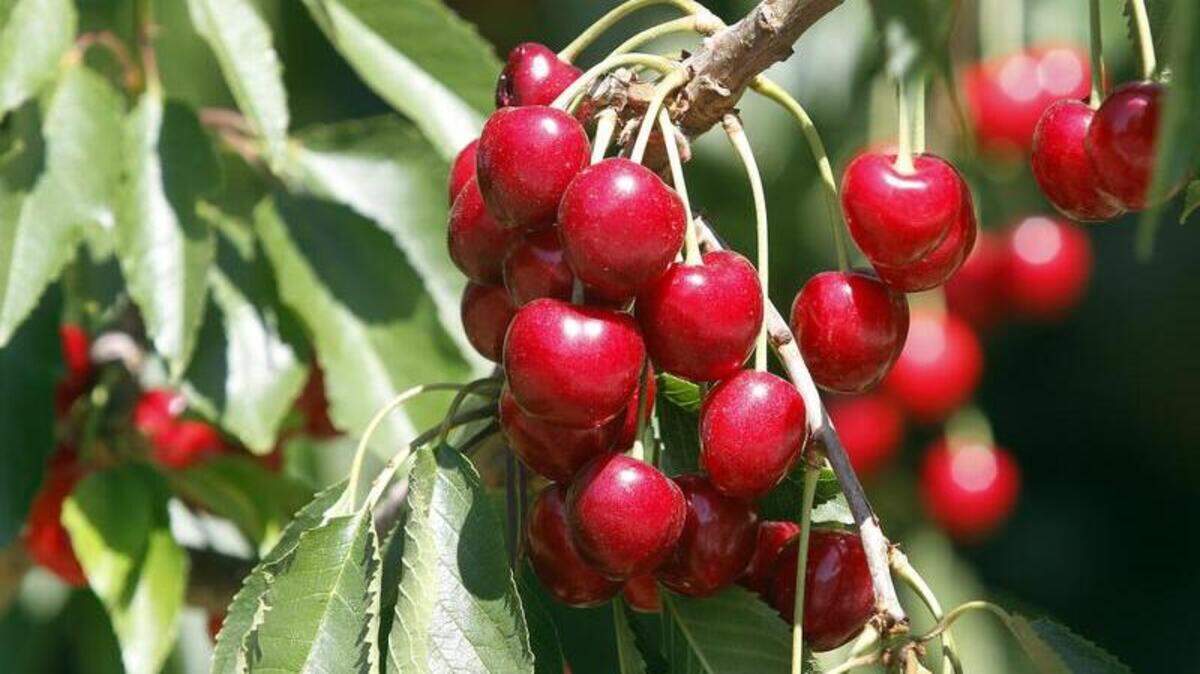
If American farmers are being sacrificed in President Trump’s trade war, it makes sense for the federal government to help them out.
But it must be done across the board, otherwise some people will suffer more for this political strategy than others — and that’s not right.
Washington state cherry growers so far appear to be among those who could end up with no relief, which is distressing.
They were an early casualty, and according to the Northwest Horticulture Council, lost an estimated $60 million to $86 million because of the 2018 trade dispute.
President Trump’s decision to impose more tariffs on steel and aluminum from China and other countries triggered retaliation on American goods — primarily agriculture products.
And our cherry growers, unfortunately, got caught in the battle early.
Growers had high expectations this year because they had an excellent growing season while California’s was weak. But their market opened with a 15 percent tariff from China in response to the initial U.S. steel and aluminum tariff.
Then China imposed another 25 percent tariff on the crop as a way to shoot back at U.S. tariffs placed on intellectual property.
The total damage to the cherry industry is still being calculated, but the Washington Department of Agriculture has estimated the losses could go even higher.
Federal officials have recognized the harm the trade war has caused our farmers, and pledged relief — but disappointingly, not to all of them.
The U.S. Department of Agriculture recently announced its farm aid package would include $4.7 billion in direct payments to producers of corn, cotton, sorghum, soybeans, wheat, dairy and hogs.
For those crops and commodities that didn’t make the aid list, the uncertainty is hurtful.
Cherries are mentioned under “program details yet to be determined,” which is not comforting.
In a strong showing of solidarity, a bipartisan group of Washington state lawmakers are pushing federal ag officials to provide our state’s 2,500 sweet cherry growers with financial relief.
Sens. Patty Murray, D-Wash., Maria Cantwell, D-Wash.,Rep. Dan Newhouse, R-Sunnyside and Rep. Dave Reichert, R-Bellevue, wrote to support them:
“While the priority of our growers remains an end to the trade dispute, our cherry growers are estimating they will experience up to $86 million in damages from trade wars during the 2018 season, and they deserve the same assistance afforded producers of other agricultural commodities that have been negatively impacted by the retaliatory tariffs.”
Lawmakers from other states also are writing letters supporting their farmers left off the aid list, so the competition for money could be fierce.
Still, why do some producers get aid and others do not? The discrepancy is unfair, especially as President Trump asks farmers to be patient as he tries to renegotiate the North American Free Trade Agreement.
Trump announced this week that a preliminary deal with Mexico has begun, and that a deal with Canada could follow. While many farmers said that news is encouraging, they still must contend with the short-term financial pain the Trump trade war is causing them.
If the federal government is going to help some farmers through this tough time — which was caused not by nature, but by politics — then it should help all of them.
Washington cherry growers were affected directly by the tariff battle, and are just as deserving of financial help as those producers already approved in the aid package.