
Most Washington farmers cheer Mexico deal but cherry producers may get nothing
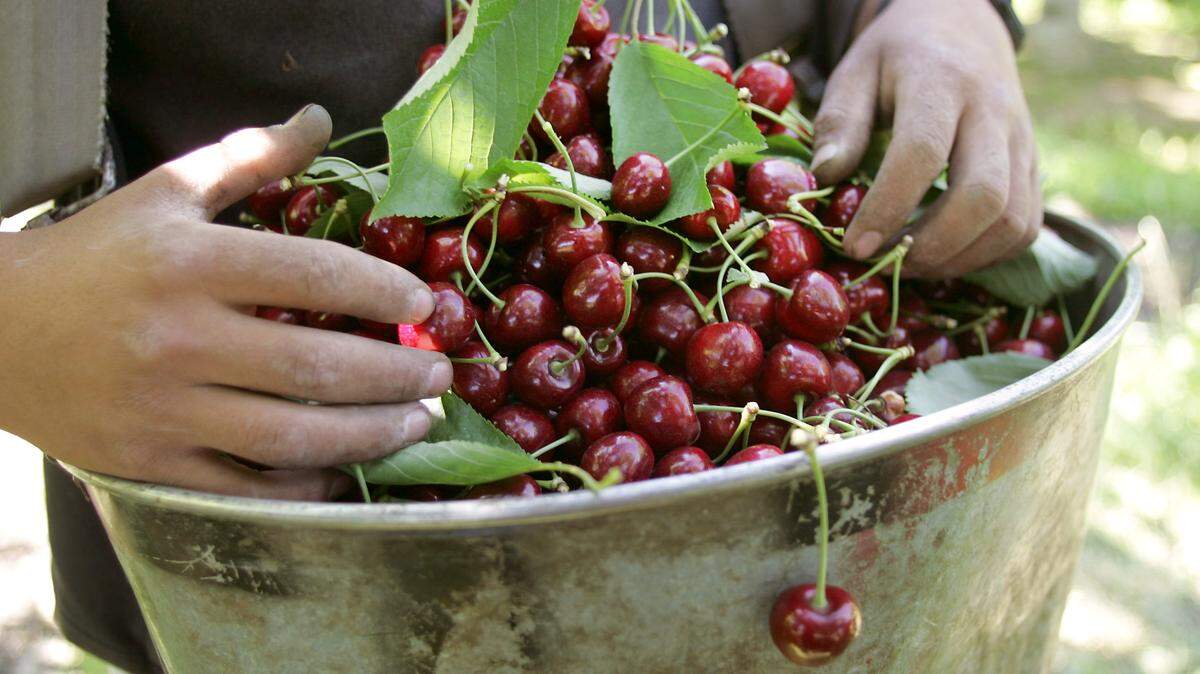
It is unclear if Washington cherry producers will share in a $5.9 billion federal aid package to help farmers affected by retaliatory tariffs announced Monday.
The U.S. Department of Agriculture outlined $4.7 billion in aid to producers of corn, cotton, sorghum, soybeans, wheat, dairy and hogs. Cherries are mentioned under “program details yet to be determined.”
A representative for U.S. Sen. Maria Cantwell, D-Wash., said her office is assessing if the aid package will help cherry producers.
Another $1.2 billion will pay to buy surplus commodities through the USDA’s Agricultural Marketing Service for distribution through food assistance programs.
In separate but related news, President Trump announced a preliminary deal to renegotiate the U.S.-Mexico portion of NAFTA and that a deal with Canada could follow.
The Northwest Horticulture Council estimates Washington cherry producers suffered $60 million to $86 million in damage because of retaliatory tariffs imposed by China as the Trump Administration engaged in high-stakes trade negotiations.
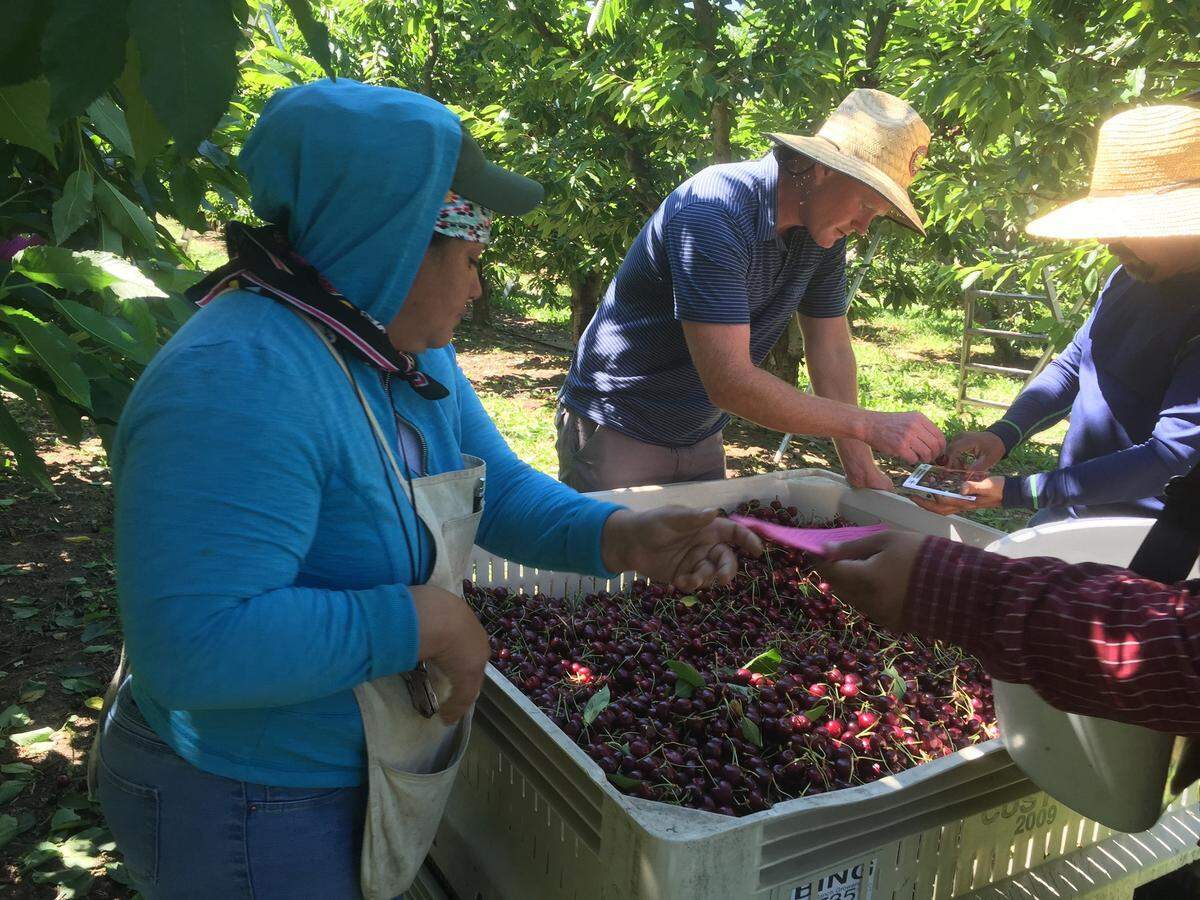
The president levied new tariffs on steel and aluminum and later intellectual property, leading to retaliatory tariffs from India, Mexico, China and others. The Washington Department of Agriculture has estimated that $650 million of Washington-grown crops are at risk because of the tariffs.
China is a key market for Washington cherries and pays a premium for the best fruit. The loss lowered revenue, said Mark Powers, the council’s executive director.
Last week, Cantwell together with U.S. Sen. Patty Murray, D-Wash., and U.S. Reps. Dan Newhouse and Dave Reichert, both Washington Republicans, asked the USDA to compensate the state’s cherry growers for damages as it put the finishing touches on its aid package, which is expected to total $12 billion.
According to Powers, China bought 12 percent of the Washington cherry harvest last year but only 7 percent this year. Sales essentially stopped on July 6 when the second tariff took effect, pushing the total to 50 percent.
“China is such an important market that growers would have done better if they had had access to that market throughout the season and without tariffs,” he said.
Powers said he doesn’t know of any growers who face going out of business.
But he notes cherries more than most crops are highly volatile. The fruit is susceptible to temperatures and ill-timed rains before it is picked and is highly perishable after.
Growers depend on good years to carry them through bad ones.
This should have been a very good year for growers. California had almost no harvest and Washington’s mostly mild spring was conducive to cherries.
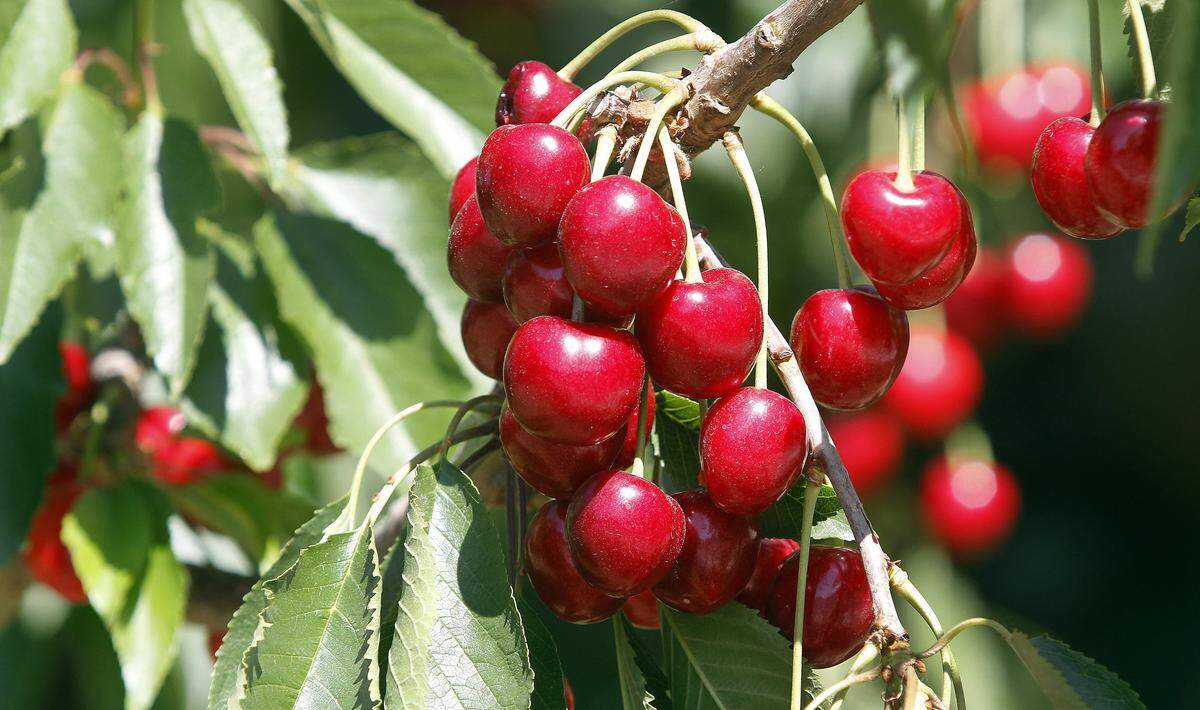
It’s the kind of year that lets growers put money in the bank to tide them over when problems hit.
“If we have a bad year next year, some of those growers could be in trouble,” he said.
In other ag-related news, Washington farmers are cheering the president’s announcement of a new trade agreement with Mexico, a major market for Washington agricultural products. The third partner in NAFTA is Canada and it’s unclear if the country will join in the revised pact.
“It’s certainly positive,” Powers said. “By and large, a successful agreement will benefit our growers and allow for certainty going forward.”
Powers said he was heartened that the peso strengthened on the news. A stronger peso U.S. products more affordable and helps with pricing.
“By and large, today was a positive day,” he said.
Newhouse issued a statement calling the development “encouraging.”
“President Trump’s announcement ... is encouraging news for America’s farmers and exporters who rely on access to our trading partners’ markets,” he said. “I look forward to seeing similar progress with Canada so that a modernized NAFTA agreement can fairly reflect the interests of all,” he said.
This story was originally published August 27, 2018 at 5:25 PM.