
Will there be enough water for Tri-Cities lawns and crops this year? Here’s the outlook
Homeowners and farmers relying on irrigation water from the Yakima River should see an adequate supply this summer, with all water rights likely fulfilled, according to the first water forecast of the year.
Those depending on Yakima River water include customers of the Kennewick Irrigation District.
Precipitation was 113% of average from October until the start of February, according to the Bureau of Reclamation. Then a dry February dropped it to 100% of average at the end of the month.
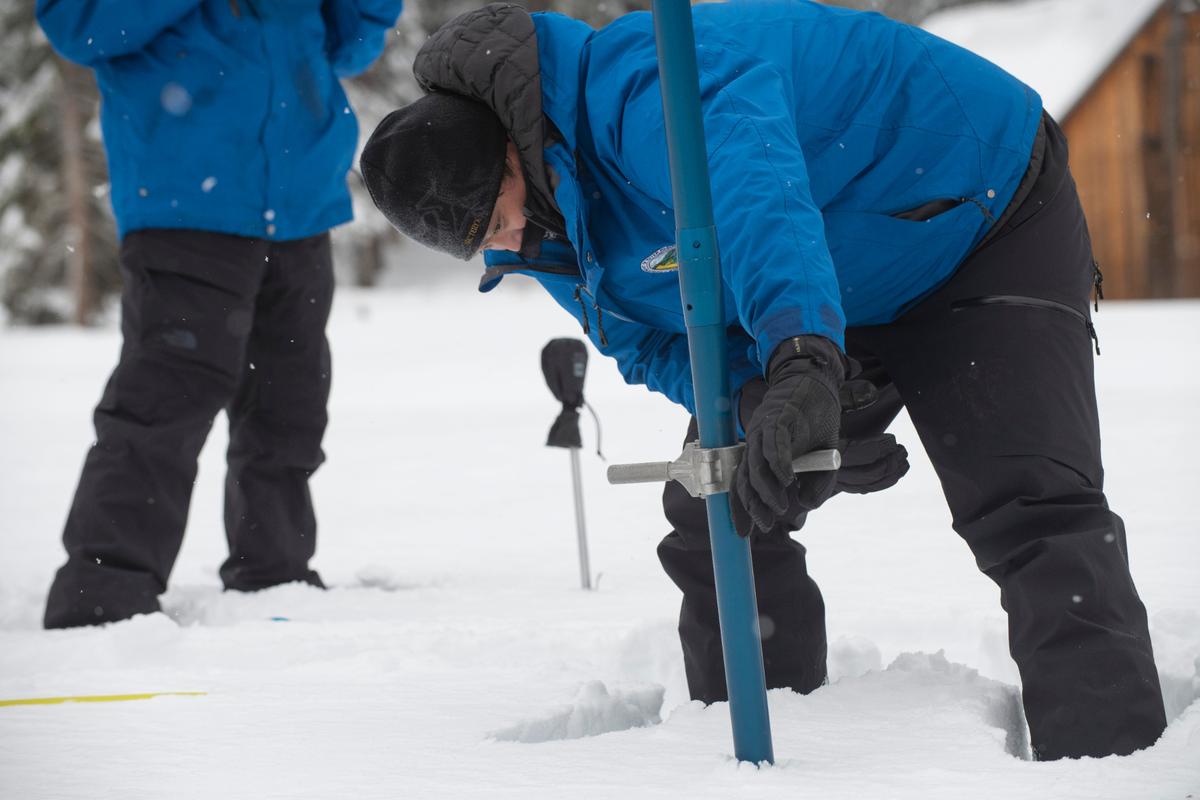
The amount of water held in the snowpack to feed the Yakima River is just 93% of average after the recent warm weather.
But reservoirs used to store water to feed the Yakima River as the summer warms were 74% full as of Tuesday, March 1, which is 124% of average.
The Bureau of Reclamation expects owner of both senior and junior water rights to receive all of the water that they hold rights for, according to the early forecast.
When the water supply falls short, those with the oldest water rights take precedence over junior water rights holders.
The outlook for water in the Columbia River, where irrigators generally have fewer issues, also was for an adequate supply in the 2022 irrigation season.
Snowpack in the headwaters of the river in the Canadian Rockies is well above normal, according to the Washington state Department of Ecology.
Runoff from April to September for the river is estimated at 96% of normal at The Dalles Dam.
2021 drought
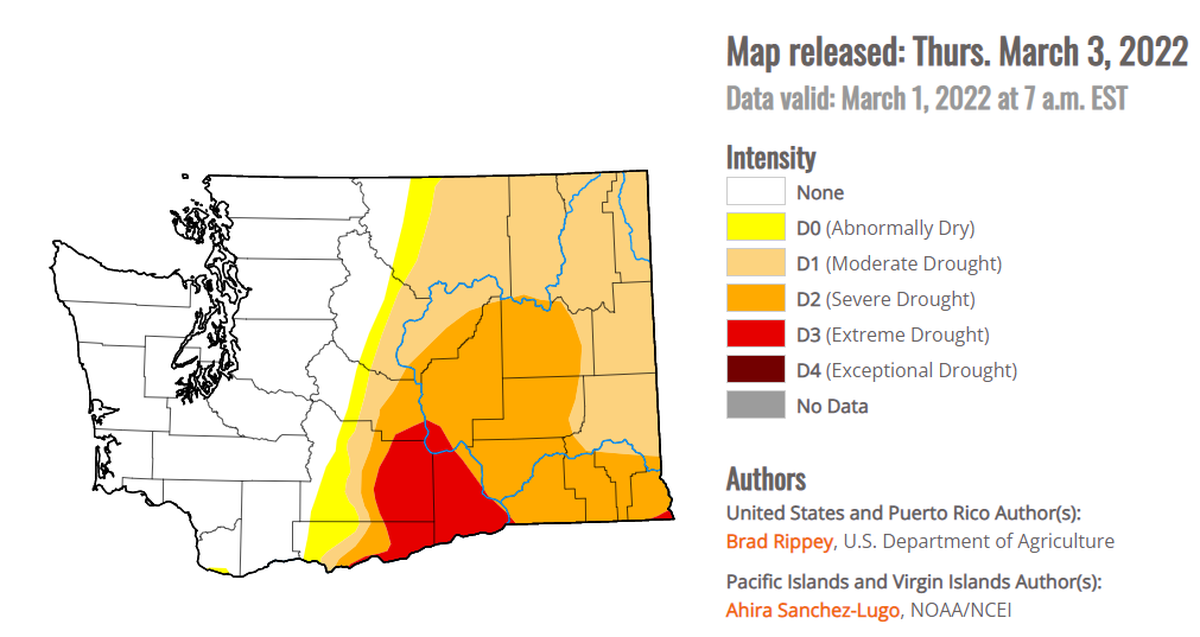
The irrigation outlook comes as the Tri-Cities area has not yet recovered from last year’s drought, which was rated as “exceptional” in Benton and Franklin counties, the worst rating, by the U.S. Drought Monitor.
As of Tuesday most of Benton County was rated in “extreme drought” and most of Franklin County was slightly better at “severe drought.”
Dryland farmers suffer the most during droughts because they are at the mercy of recent precipitation patterns, according to the Washington state Department of Ecology.
“If conditions continue to be dry, crops may be stressed and yields reduced,” it said in a blog post. “Lower availability of natural forage and poorer pasture conditions may force livestock producers to again search for alternative sources of feed to support their animals.”
Drought also increases the likelihood of wildfires.
The Bureau of Reclamation will provide monthly water supply forecasts each month through at least July with updates on changing conditions in the Yakima River.
The March forecast is based on flows, precipitation, snowpack and reservoir storage as of March 1, along with estimates of future precipitation and river flows.
Other future weather conditions that determine the timing of the runoff and the demand for water also are critical in determining stream flows, the extent to which the reservoirs fill, and the water supply for irrigation.